










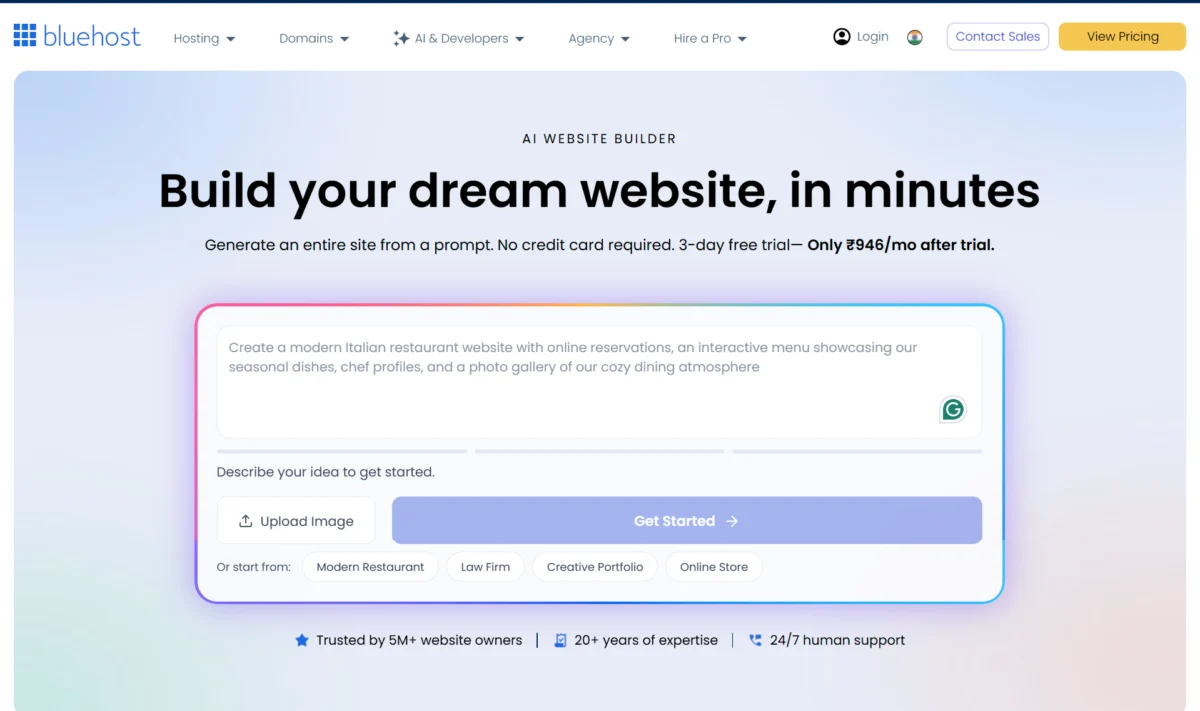
In the modern digital landscape, the promise of "building a website in minutes" has become a staple of marketing for site builders and hosting platforms alike. For entrepreneurs, bloggers, and small business owners, the allure is undeniable: bypass the technical hurdles, skip the expensive agency fees, and launch a professional-grade web presence before your morning coffee cools. But behind these punchy headlines lies a more nuanced reality. While Artificial Intelligence (AI) has undeniably revolutionized the setup phase of web development, it does not magically eliminate the strategic and creative labor required to build a successful site.
To understand what you are truly signing up for, we must look past the "click-and-publish" marketing and examine the actual, granular timeline of digital construction.
The Core Reality: AI as an Accelerator, Not a Magician
The primary function of an AI website builder is to solve the "blank canvas" problem. Historically, the most daunting part of creating a website was the structural phase: deciding on layouts, configuring navigation menus, writing foundational copy, and ensuring that design elements were responsive across devices. These tasks, while not inherently complex, are time-consuming and often result in "analysis paralysis."
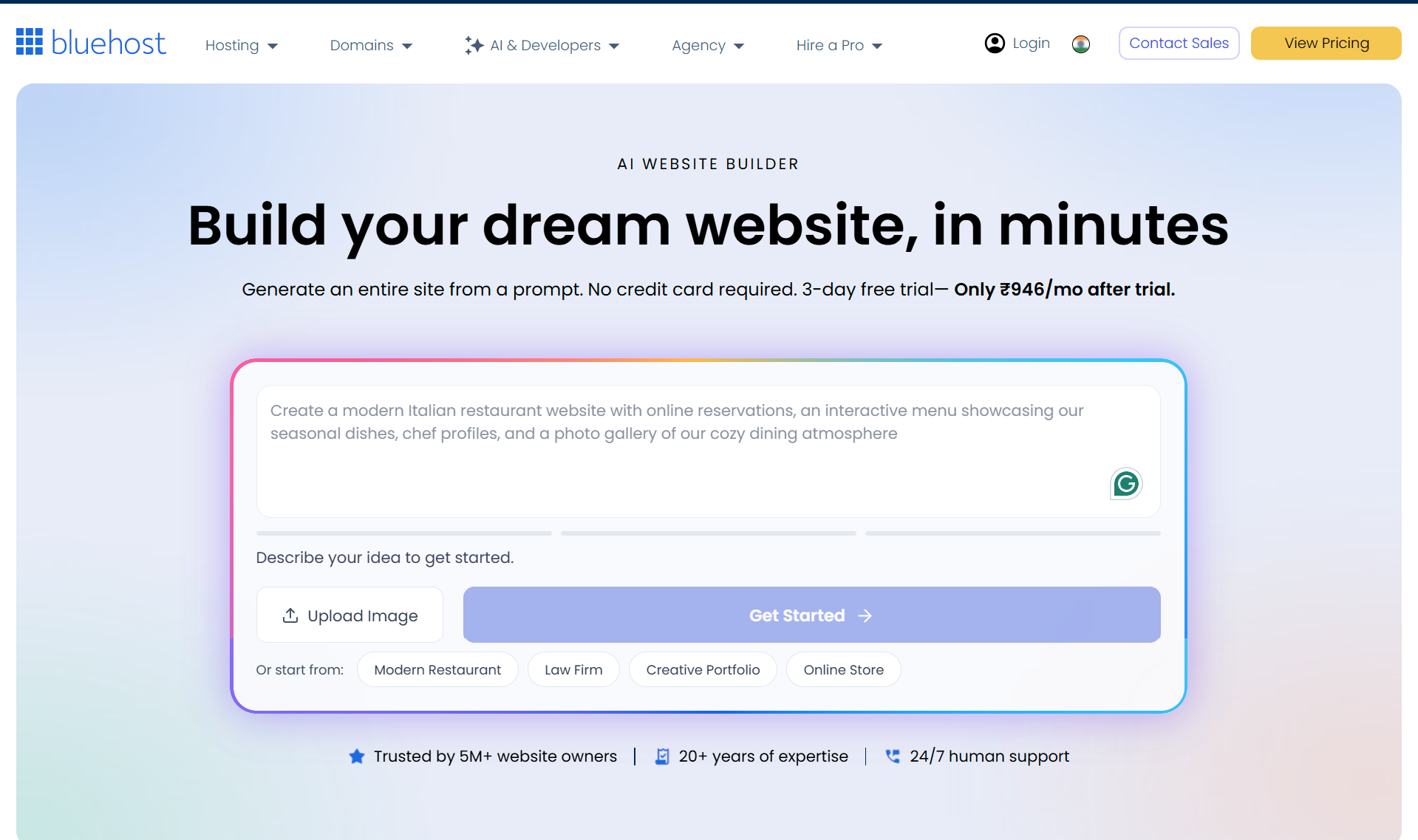
AI tools, such as the Bluehost AI Website Builder, utilize generative models to interpret user inputs—the type of business, the target audience, and the desired tone—to produce a cohesive first draft. By automating the architectural scaffolding of a site, AI converts a multi-day ordeal into a three-to-five-minute generation process. However, a draft is not a final product. The journey from that initial template to a fully functional, high-performing website still involves a series of human-centric steps that cannot be fully automated.
Chronology of Construction: A Realistic Breakdown
To set appropriate expectations, we can categorize the website creation journey into distinct phases. Whether you are building a personal portfolio or a sophisticated e-commerce hub, your project will likely adhere to the following timeline.
Phase 1: Planning and Strategy (30 Minutes – 4 Days)
Before touching a keyboard, you must define the site’s purpose. Is this a conversion-focused sales funnel or an informational hub?
- Goal Setting (30 mins – 1 day): Outlining your pages and required features.
- Market Research (1 – 3 days): Analyzing competitors and industry trends. Skipping this step often leads to a site that looks good but fails to capture its intended market.
Phase 2: Technical Foundation (1 – 2 Days)
Even with AI, you must anchor your site to the web.
- Domain Registration (30 mins – 1 day): Selecting a domain that is both memorable and available.
- Hosting Configuration (30 mins – 1 day): Selecting a provider. Platforms that bundle hosting, SSL certificates, and site management (like Bluehost) significantly reduce the friction of this phase.
Phase 3: The AI Build (3 – 15 Minutes)
This is where the "magic" happens. After providing input to the AI, you receive a structure, layout, and draft content. This phase is remarkably efficient but marks only the beginning of your work.
Phase 4: Customization and Content Refinement (1 – 7 Days)
This is the most critical phase. AI-generated copy is a placeholder; it lacks your unique brand voice, your specific product details, and the nuance of your value proposition.
- Reviewing Copy: Editing the AI-generated text to ensure accuracy and tone.
- Visual Assets: Swapping stock imagery for original photography or branded graphics.
- Functionality Expansion: Adding specific pages like testimonials, FAQs, or case studies that the AI might not have intuited.
Phase 5: Testing and Launch (2 – 10 Hours)
Before going live, you must verify the user experience.
- Technical Audit: Testing load speeds, broken links, mobile responsiveness, and form functionality.
- Final Review: Ensuring the site renders correctly across browsers.
Supporting Data: Complexity Variables
The timelines mentioned above assume a standard business site. When you introduce advanced requirements, the timeline expands exponentially. For those building e-commerce platforms, the following additional time allocations are standard:
| Requirement | Additional Time Needed |
|---|---|
| Product Inventory Setup | 1 – 5 days |
| Payment Gateway Configuration | 1 – 2 days |
| Shipping & Tax Logic | 1 – 3 days |
| Third-Party Integrations (CRM/Booking) | 1 – 2 days |
| Multilingual Support | 1 – 3 weeks |
These variables demonstrate that while AI can build the "shell" of a store in minutes, the regulatory, financial, and operational logic of an online store remains a human-led responsibility.
Implications: The Shift in Skill Requirements
The rise of AI website builders represents a fundamental shift in the skill set required for web management. Previously, a site owner needed to understand CSS, HTML, or complex CMS configurations. Today, the requirement is shifting toward content strategy, SEO, and brand storytelling.
Because the "technical" barrier has been lowered, the competition for attention has increased. A website that looks like every other AI-generated template will struggle to rank. Therefore, the implications for the end-user are twofold:
- Efficiency in Setup, Intensity in Optimization: You save hours on design, which should be reinvested into SEO and high-quality, original content.
- Platform Sovereignty: It is vital to use builders that do not "lock" you into a proprietary environment. For instance, using an AI builder that operates on top of WordPress allows you to access the backend, install plugins (like Yoast SEO), and scale your site as your business grows. This prevents the "platform trap" where you cannot migrate your data later.
Post-Launch: The Never-Ending Cycle
A common misconception is that a website is a finished product. In reality, it is a living entity. Once the "Publish" button is clicked, the work transitions from construction to growth.
Ongoing SEO and Content Maintenance
Publishing is merely the prerequisite for discovery. To maintain visibility, you must:
- Develop a Content Calendar: Regularly publish blog posts or updates that target your audience’s pain points.
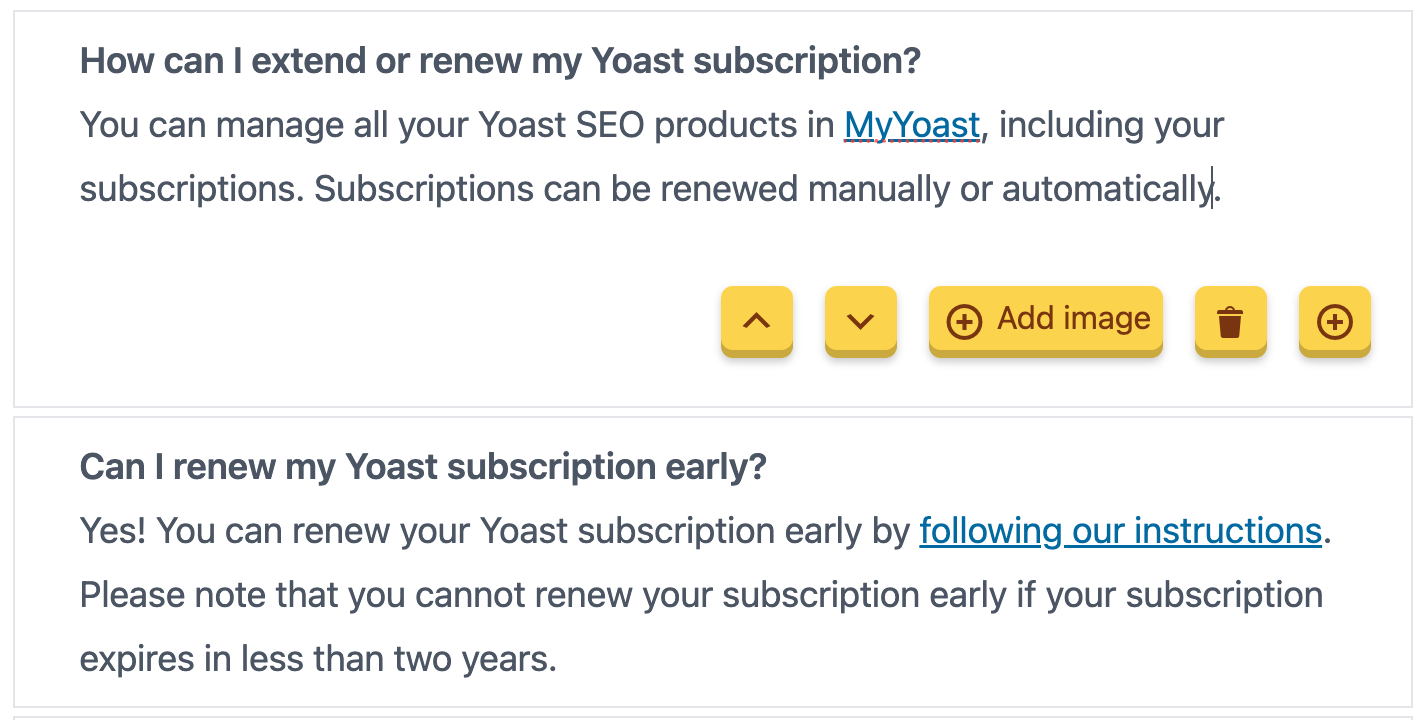
- Technical SEO: Use tools like Yoast SEO to monitor your XML sitemaps, structured data, and meta descriptions.
- Performance Monitoring: Use Google Search Console and Google Analytics to understand user behavior. If a page has a high bounce rate, you must return to it, analyze the content, and refine the user experience.
Brand Evolution and AI Perception
As AI-powered search engines (like Perplexity or Google’s AI Overviews) become the primary way users find information, your brand’s presence in the AI ecosystem matters. Tools like Yoast SEO AI+ are increasingly important, as they help business owners understand how their brand is being interpreted by these crawlers. Ensuring your brand has a clear, accurate, and consistent digital footprint is now a key part of the post-launch workflow.
Final Verdict: Is the "Minutes" Claim Valid?
If you define "building a website" as having a live URL with a logo, a navigation bar, and some text, then yes—AI can get you there in 15 to 30 minutes. However, if you define a "website" as a tool that serves your business, attracts customers, and ranks in search engines, then the reality is a project of several days or weeks.
AI does not replace the work; it replaces the drudgery. It handles the repetitive, mechanical tasks of web layout and structural design. By doing so, it frees up your most valuable resource: your time. Instead of spending two weeks figuring out how to align a grid, you spend two weeks crafting a compelling brand story, perfecting your SEO strategy, and ensuring your site is a true reflection of your vision.
The future of web development isn’t about how quickly you can launch; it’s about how effectively you can use that gained time to build something that lasts. AI provides the head start, but your unique input provides the finish line.



