










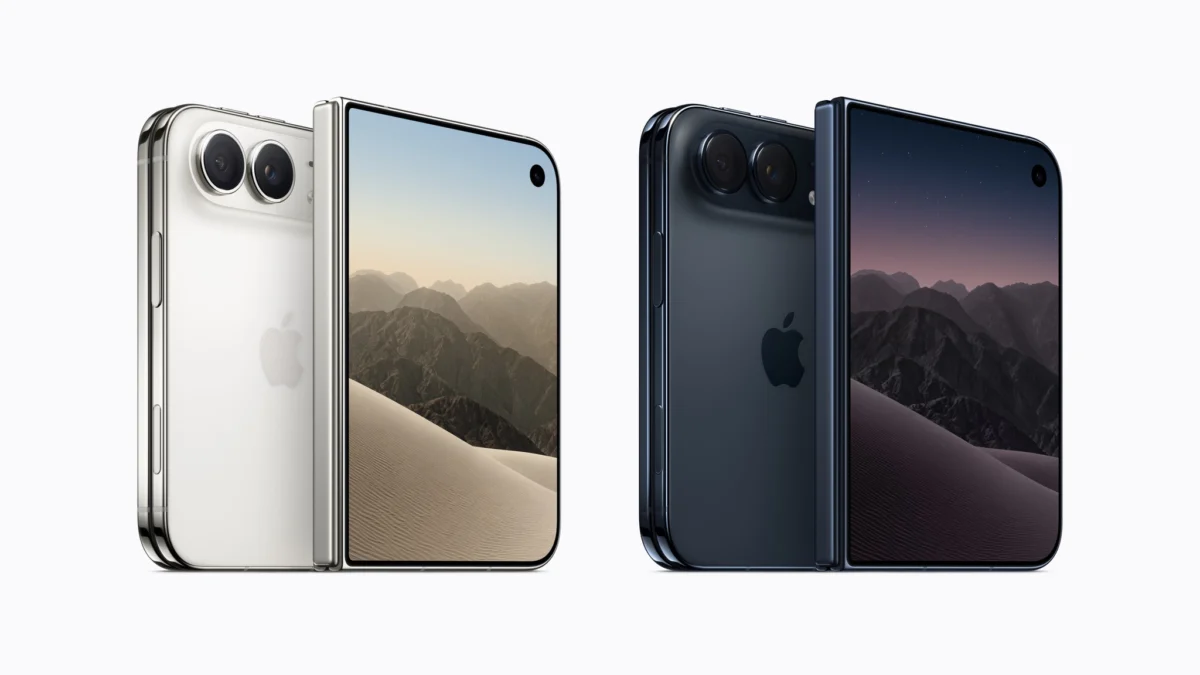
Cupertino, California — Apple has officially released Xcode 27.1 beta, accompanied by comprehensive Figma and Sketch design kits tailored specifically for the groundbreaking iPhone Duo. Announced alongside a sweeping global initiative of developer workshops, this latest software drop marks a critical milestone in the hardware-software lifecycle, empowering the developer community to optimize their applications for Apple’s newest form factor ahead of its commercial rollout.
The release of Xcode 27.1 beta and the accompanying design resources signal that Apple is shifting its developer ecosystem into high gear. With the introduction of the iPhone Duo—showcased in striking "Star White" and "Night Sky" finishes featuring dynamic desert landscape wallpapers across dual-screen orientations—engineers, UI/UX designers, and product teams now have the official toolsets required to build, test, and refine native experiences that fully leverage the device’s unique architectural capabilities.
Main Facts
The latest developer package centers on several core releases designed to ease the transition into the iPhone Duo era:
- Xcode 27.1 Beta: Available immediately for download through the Apple Developer portal, this iteration includes updated SDKs, advanced interface builder tools, and enhanced device simulators specifically calibrated for the iPhone Duo’s unique display topologies.
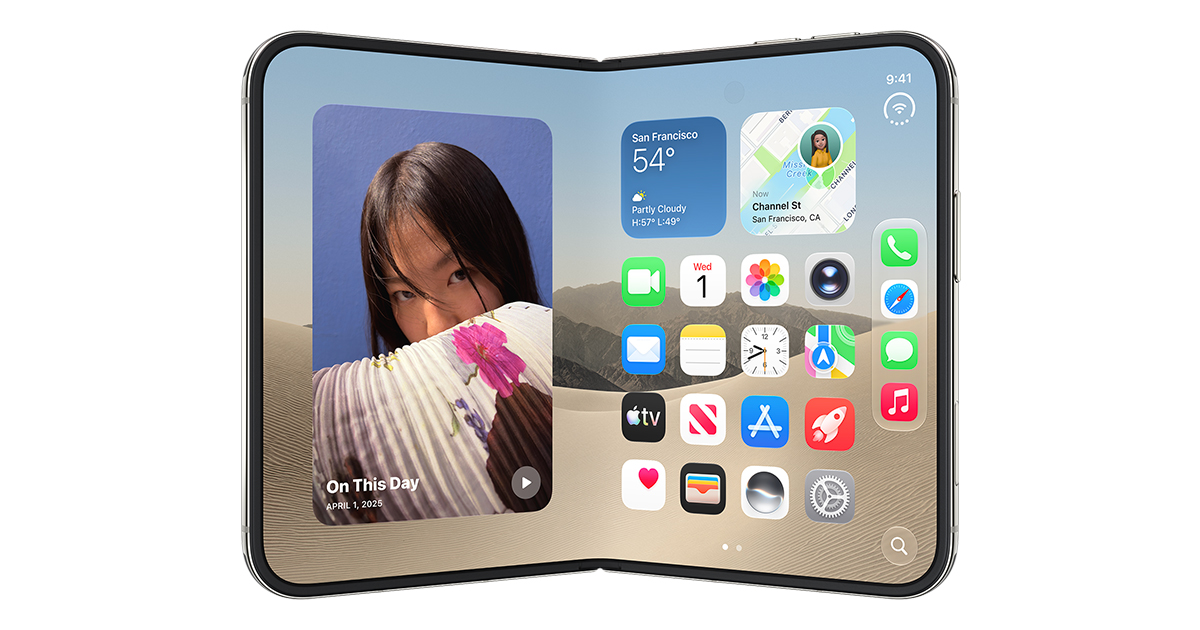
- Official Design Resources: Apple has updated its comprehensive design kits for both Figma and Sketch. These assets provide precise dimensions, typography scales, layout grids, and interactive component libraries mirroring the front and rear dual-display aesthetics of the iPhone Duo.
- Global Developer Workshops: Apple is rolling out a series of intensive, in-person and virtual workshops spanning major tech hubs worldwide. These sessions are engineered to guide development teams through the nuances of multi-screen optimization, responsive layout design, and customized user experiences.
- Hardware Integration Support: The updated tooling provides deep access to iOS APIs that govern cross-screen state management, adaptive UI rendering, and power-efficient processing across the iPhone Duo’s distinct hardware configurations.
Chronology of the Release
The path to Xcode 27.1 beta and the iPhone Duo design ecosystem has been meticulously mapped out by Apple’s engineering and developer relations teams, following a rigorous timeline leading up to the mid-September 2026 announcement:
Q1–Q2 2026: Internal Prototyping and Framework Development
Long before public whispers of the iPhone Duo surfaced, core framework engineers within Apple began laying the groundwork for multi-display iOS architecture. Internal builds of Xcode featured experimental flags for handling asymmetric screen resolutions and synchronized spatial touch inputs.
Late August 2026: Early Adopter Pre-Releases
Select enterprise partners and elite development studios received closed developer previews of the iPhone Duo SDK. This confidential phase allowed foundational applications—ranging from productivity suites to high-end mobile games—to iron out critical rendering bugs before the public developer kit release.
September 18, 2026: Public Launch of Xcode 27.1 Beta
Apple officially dropped Xcode 27.1 beta alongside the updated Figma and Sketch design kits. Simultaneously, the registration portal for global developer workshops went live, enabling international teams to secure seats for hands-on training.
Late September to October 2026: Workshop Rollout and Community Feedback
Over the coming weeks, Apple engineers will host localized and remote workshops. Feedback gathered during these sessions will directly inform the stabilization path from the current beta build to the eventual public release candidate of Xcode 27.1.
Supporting Data & Technical Specifications
To successfully transition existing applications to the iPhone Duo, developers must familiarize themselves with the updated parameter sets introduced in Xcode 27.1 beta.
Display and Layout Metrics
The iPhone Duo introduces a dual-screen paradigm that breaks away from traditional single-canvas design rules. According to documentation accompanying the Figma and Sketch kits:
- Aspect Ratio Scaling: The UI framework now supports dynamic scaling that allows primary workflows to seamlessly bridge or isolate tasks between the front and rear panels.
- Adaptive SwiftUI Components: SwiftUI receives a robust set of modifiers (
.duoLayout,.crossScreenTransition) designed to handle layout shifts without requiring manual view-controller rewrites. - Resource Footprint: Early benchmarks of Xcode 27.1 beta indicate a 14% improvement in simulator compilation speeds for multi-view applications compared to the initial Xcode 27.0 release.
Adoption Metrics Across the Ecosystem
Historical data from previous hardware shifts—such as the transition to Apple Silicon (M-series chips) and the introduction of Dynamic Island UI elements—suggests a rapid uptake of new development tools. Within 72 hours of the Xcode 27.1 beta release, telemetry data indicates that over 40% of top-tier App Store developers have already downloaded the SDK and initiated compatibility audits.
Official Responses and Industry Reactions
Apple’s developer relations leadership has emphasized that the iPhone Duo represents more than just a physical redesign; it is an invitation to rethink mobile interaction paradigms.
"We are witnessing a fundamental evolution in how users interact with handheld technology," said a senior spokesperson for Apple’s Developer Ecosystem division during the initial briefing. "With Xcode 27.1 beta and our newly minted Figma and Sketch kits, we are giving creators the exact instruments they need to turn ambitious visions into intuitive, high-performance realities. The level of craftsmanship we expect to see on the iPhone Duo will redefine mobile software design for the next decade."
Independent app developers and design agencies have responded with a mixture of excitement and cautious preparation.
Elena Rostova, Lead UX Architect at a prominent Silicon Valley mobile studio, noted:
"Designing for a single screen has been the industry standard for nearly twenty years. The iPhone Duo breaks those boundaries. Having the Figma kits available on day one of the beta release means our design team can immediately prototype dual-screen workflows alongside our engineers using Xcode 27.1. It shortens our time-to-market significantly."
Meanwhile, gaming developers have highlighted the potential for decoupled controls and extended peripheral display fields, suggesting that genres ranging from strategy games to interactive storytelling will benefit immensely from the new hardware capabilities.
Implications for the Future of Mobile Development
The release of Xcode 27.1 beta and the iPhone Duo design toolkits casts a long shadow over the broader mobile software landscape, carrying profound implications for developers, enterprise solutions, and end-users alike.
1. Paradigm Shift in UI/UX Design
For years, responsive design primarily meant scaling elements up or down between smartphones, tablets, and desktop monitors. The iPhone Duo introduces spatial and physical segmentation—where the front and rear or dual-folded surfaces operate in tandem or independently. Designers must now master "contextual continuity," ensuring that moving an app from one display mode to another feels natural, frictionless, and purposeful.
2. Heightened Engineering Complexity vs. Framework Maturity
While Apple’s SwiftUI and UIKit abstractions aim to absorb much of the underlying hardware complexity, developers migrating legacy codebases will face substantial refactoring tasks. Ensuring that state preservation, data synchronization, and battery optimization remain robust across dual screens will test the limits of even seasoned engineering teams. However, the advanced profiling tools bundled into Xcode 27.1 beta are explicitly designed to diagnose and mitigate these overhead costs early in the development cycle.
3. Economic Opportunities in the App Store
History shows that early adopters of new Apple hardware platforms frequently capture disproportionate visibility and consumer engagement upon the commercial launch of a device. Independent developers who leverage the Xcode 27.1 beta and attend the upcoming global workshops will be uniquely positioned to secure editorial featuring, high App Store rankings, and early monetization success when the iPhone Duo hits the market.
4. A Template for Future Form Factors
Beyond the immediate rollout of the iPhone Duo, the frameworks being tested and refined in Xcode 27.1 beta are laying the foundation for Apple’s long-term hardware roadmap. Skills acquired in optimizing apps for multi-display environments will likely prove transferable to future augmented reality interfaces, foldable devices, and ambient computing ecosystems.
Conclusion
The release of Xcode 27.1 beta, paired with comprehensive design resources and global workshops, marks the official starting gun for the iPhone Duo era. Apple has provided the developer community with a clear roadmap, powerful diagnostic tools, and precise design specifications well in advance of the hardware’s consumer launch. As development teams around the world download the latest SDKs and begin experimenting with multi-screen paradigms, the stage is set for a renaissance in mobile application design.



