











When a studio decides to revisit a beloved classic, the unwritten rule of modern game development is simple: enhance the experience without losing the magic that made the original a masterpiece. If a remaster or port fails to outperform its predecessor, common sense—and consumer goodwill—dictates that developers should at least keep the original version accessible.
Unfortunately, Creative Assembly and publisher SEGA appear to have missed that memo entirely. The recent launch of Total War: Shogun 2 – Complete Edition has devolved into a massive public relations disaster. Plagued by technical performance regressions, questionable AI-upscaled textures, the removal of essential community features, and a controversial price hike—compounded by the sudden delisting of the original 2011 classic—the release has been met with swift and merciless condemnation from the strategy gaming community.
Main Facts: What Went Wrong with the Complete Edition?
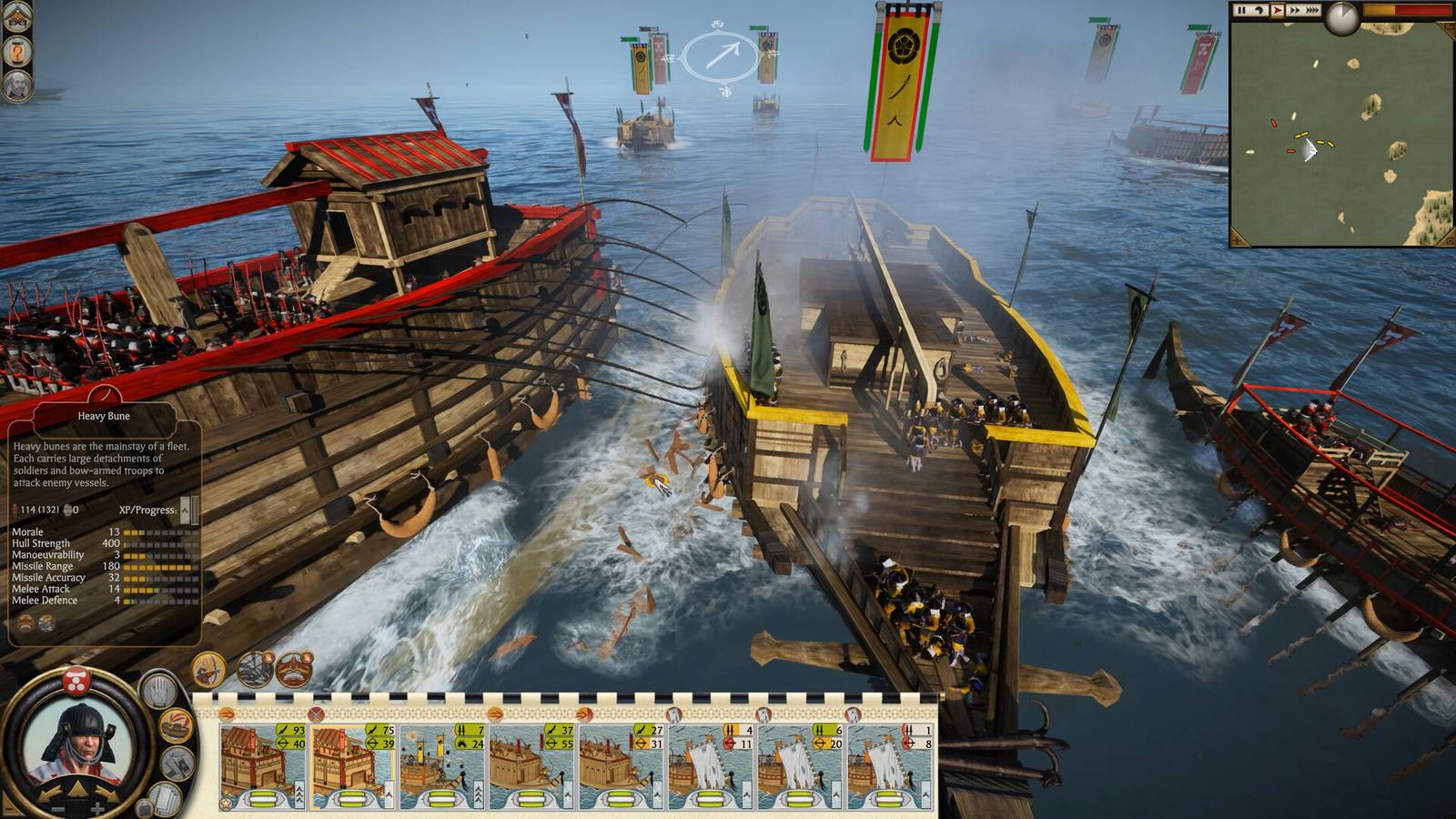
Total War: Shogun 2, originally released in 2011, is widely regarded by fans and critics alike as one of the absolute high-water marks of the strategy genre. Its masterclass balance of turn-based campaign management and tense, tactical real-time battles set in Sengoku-era Japan earned it a revered, enduring legacy.
Hoping to bring this classic into the modern era, Creative Assembly rolled out Total War: Shogun 2 – Complete Edition. Promoted as a comprehensive 64-bit architecture upgrade featuring revamped lighting, improved shadows, higher-resolution textures, and 50 newly playable minor factions, the release promised a definitive way to experience the legendary title.
Instead, reality fell disastrously short of the marketing pitch. Within hours of its release, the game was review-bombed on Steam, plummeting to an abysmal 19% approval rating and securing an "Overwhelmingly Negative" status.
Core issues cited by players include:
- Performance Regressions: Despite moving to 64-bit architecture to improve stability and frame rates, the game routinely stutters and runs noticeably worse than newer franchise entries like Total War: Three Kingdoms or Total War: Warhammer III.
- Suspected AI-Generated Assets: Community members quickly discovered glaring visual artifacts, pointing to poorly supervised artificial intelligence upscaling tools used for unit cards and textures—including grotesque visual glitches where character faces deformed into geometric shapes.
- Loss of Community Support: The new edition stripped out vital Steam Workshop integration, effectively killing the vibrant modding scene that kept the original game alive for well over a decade.
- Consumer-Unfriendly Pricing and Delisting: The original version of Shogun 2 was abruptly pulled from digital storefronts, forcing players to purchase the new "Complete Edition" at a $10 premium. While a temporary discount was offered to owners of the original game, it was aggressively time-gated to just one month, creating immense pressure to buy a broken product before patches could realistically arrive.
Chronology: From Beloved Masterpiece to Launch Disaster
To understand the scale of the backlash, it is necessary to examine the sequence of events that transformed a routine, anticipated technical port into an industry cautionary tale.
2011–2024: The Golden Age of Shogun 2
For well over a decade, Total War: Shogun 2 enjoyed an immaculate reputation. Even as newer iterations of the Total War franchise shifted toward fantasy settings and massive mythological scales, historical purists continually returned to Shogun 2 for its tight game design, focused scope, and polish. Its Steam Workshop page remained bustling with total-conversion mods, quality-of-life adjustments, and historical overhauls.
The Announcement and Silent Optimism
When rumors and subsequent official announcements surfaced that Creative Assembly was working on a modernized, 64-bit native version of Shogun 2, the strategy gaming community was cautiously optimistic. Modern PC hardware running legacy 32-bit-era software often encounters compatibility limitations, and a modernized port that ensured long-term preservation sounded like a dream come true.
October 2026: The Disastrous Launch Day
The illusion shattered the moment Total War: Shogun 2 – Complete Edition went live on Steam.
- The Delisting: Without warning, the classic 2011 version of Shogun 2 was quietly removed from purchase, leaving consumers with only one, more expensive option.
- Immediate Technical Discovery: Players downloading the game immediately noticed performance drops. Reviewer Xukaku noted that while battles could scrape by at 60 frames per second (FPS) in early scenarios, the campaign map frequently cratered to 40 FPS—a worrying metric considering that late-game data processing loads would inevitably crush performance further.
- The AI Asset Discovery: Within hours, internet sleuths and Reddit users began picking apart the game files and UI elements. Posts on the r/totalwar subreddit highlighted undeniable proof of slapdash AI upscaling. One widely shared screenshot showed a unit card where a warrior’s facial features had literally melted into a jagged metal triangle, sparking widespread mockery and fury.
Supporting Data: Community Backlash and Technical Metrics
The quantitative and qualitative data emerging from the community paints a grim picture of the port’s technical execution.
On Steam, the review sentiment sits firmly at 19% positive, placing it among the worst-rated major publisher releases of the year. Reviewers like Xukaku pointed out structural contradictions in the release strategy:
"The whole point of the community wanting these ‘old’ games ported to 64-bit is better stability and performance, which this game fails miserably at. Instead, they gutted the game of Steam Workshop support and it runs noticeably worse than other modern titles… The ‘discount’ is also time-gated to 1 month for previous Shogun 2 owners so there is no guarantee they will fix all the issues before it runs out. Absolutely shameful."
On social media platforms like X (formerly Twitter) and Reddit, technical breakdowns highlighted the sheer laziness of the asset replacement. Rather than commissioning artists to redraw or properly upscale textures for high-resolution displays, developers appeared to rely on automated AI tools. The results—blurry textures, warped geometries, and broken asset boundaries—alienated a player base that values artistic integrity and historical immersion above all else.
Furthermore, the economic data reflects aggressive monetization tactics. By pricing the Complete Edition $10 higher than the baseline price of the original game while simultaneously removing the cheaper, functional alternative, SEGA and Creative Assembly artificially constricted consumer choice.
Official Responses and Developer Silence
As of writing, neither Creative Assembly nor SEGA has issued a comprehensive formal response addressing the specific allegations of AI-generated asset use, the removal of Steam Workshop support, or the broader performance complaints.

Historically, large publishers facing catastrophic review bombs often enter a period of internal triage, eventually releasing hotfixes alongside a PR statement acknowledging "unforeseen technical hurdles." However, the silence surrounding the Shogun 2 launch has only amplified consumer distrust.
Industry analysts note that game studios attempting to monetize legacy portfolios are increasingly walking a tightrope between cost efficiency and fan expectations. Outsourcing or automating remaster work via artificial intelligence to cut production costs—while simultaneously hiking retail prices—has proven to be a toxic cocktail for consumer relations. Until Creative Assembly outlines a concrete roadmap to patch optimization issues, restore modding functionality, and clean up compromised visual assets, executive offices remain under intense public scrutiny.
Implications: What This Means for Game Preservation and Remasters
The Total War: Shogun 2 – Complete Edition fiasco extends far beyond a single troubled video game release. It touches upon critical industry-wide conversations regarding digital ownership, software preservation, and the ethical boundaries of artificial intelligence in game development.
1. The Perils of Delisting Original Masterpieces
For years, digital distribution platforms have wrestled with the problem of software preservation. When publishers delist original versions of games in favor of "definitive," "remastered," or "complete" editions, they effectively strip consumers of their right to choose. If the replacement product is fundamentally inferior, unstable, or bloated with bugs—as Shogun 2 proved to be—players lose access to the working version they may have enjoyed for years. This practice highlights the fragility of digital ownership and strengthens arguments for DRM-free archiving.
2. The Backlash Against Low-Effort AI Integration
The gaming community has shown an increasing intolerance for unrefined, low-effort implementation of generative AI tools. While AI can streamline certain backend development processes, using automated upscaling for consumer-facing art assets—without quality assurance checks—shatters immersion and insults the intelligence of the player base. The viral spread of deformed unit cards serves as a cautionary tale for any studio looking to cut corners on artistic touch-ups.
3. A Wake-Up Call for Creative Assembly
For Creative Assembly, the incident compounds a turbulent few years marked by mixed community reception to titles like Total War: Pharaoh and shifting pricing structures for downloadable content (DLC). Restoring faith in the Total War franchise will require more than quick patches; it demands a fundamental resetting of communication channels, respect for modding communities, and a renewed commitment to quality control.
Conclusion
Right now, Total War: Shogun 2 – Complete Edition stands as a painful reminder of how corporate greed and rushed technical execution can tarnish a legendary gaming legacy. Until major patches rectify the widespread bugs, restore modding capabilities, and address the community’s outcry over compromised assets, newcomers and veterans alike are advised to steer clear. Gamers can only hope that Creative Assembly heeds the overwhelming negative feedback, addresses the systemic failures of this release, and respects the historical weight of one of strategy gaming’s finest hours.



