










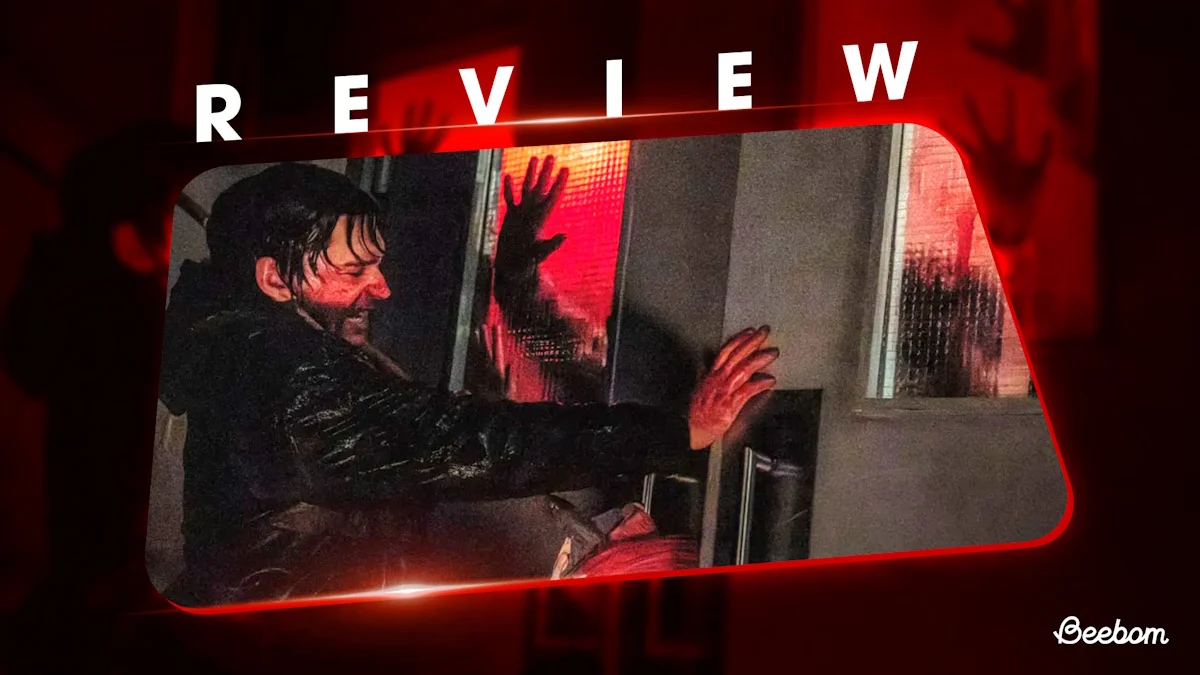
Main Facts: A Bold New Direction for a Legendary Franchise
For decades, the Resident Evil franchise has held a monumental place in the pantheon of survival horror. From its pioneering 1996 PlayStation debut to modern masterpieces like Resident Evil 4, Capcom’s flagship series has consistently terrified and thrilled gamers worldwide. However, the franchise’s transition to the silver screen has historically been fraught with disappointment. Between Paul W.S. Anderson’s action-heavy Milla Jovovich-led series and previous attempts at a faithful, yet ultimately hollow, 1:1 cinematic translation, fans had largely tempered their expectations for any future live-action adaptations.
Enter Zach Cregger. Known for his masterclass in modern horror and tension with Barbarian and Weapons, Cregger took the directorial reins for Sony Pictures’ latest cinematic installment in the Resident Evil universe. Rather than recycling the heroic escapades of series staples like Leon S. Kennedy or Chris Redfield—characters renowned for roundhouse-kicking infected foes or punching through boulders—Cregger opted for a radically grounded perspective.
The film shifts its gaze away from elite military operatives and tactical agents, focusing instead on an ordinary citizen caught in the catastrophic crucible of the Raccoon City outbreak. Starring Austin Abrams as Bryan, a civilian medical courier tasked with a routine delivery that unravels into a nocturnal nightmare, the film abandons predictable tropes to explore the harrowing reality of a Resident Evil Non-Player Character (NPC). The result is a gritty, atmospheric, and surprisingly humorous survival horror experience that critics and die-hard fans are already hailing as the best live-action adaptation the franchise has ever seen.
Chronology of Production: From Skepticism to Silver Screen Triumph
The journey of Zach Cregger’s Resident Evil from concept to theatrical release was marked by fierce debate within the fan community.
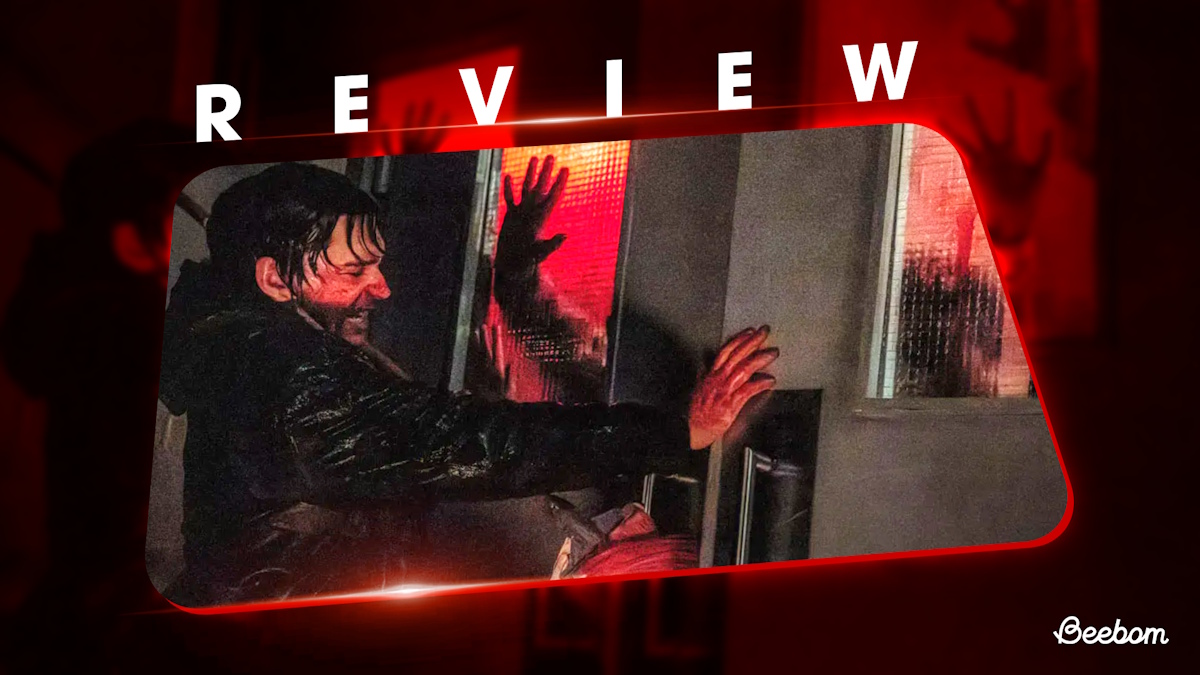
- The Announcement & Early Backlash: When Cregger first revealed that his film would not serve as a direct adaptation of any specific video game in the franchise’s extensive catalog, a vocal segment of the fanbase expressed immediate concern. Accusations of "butchering" the source material circulated across social media platforms, with purists fearing another generic action movie wearing a Resident Evil skin.
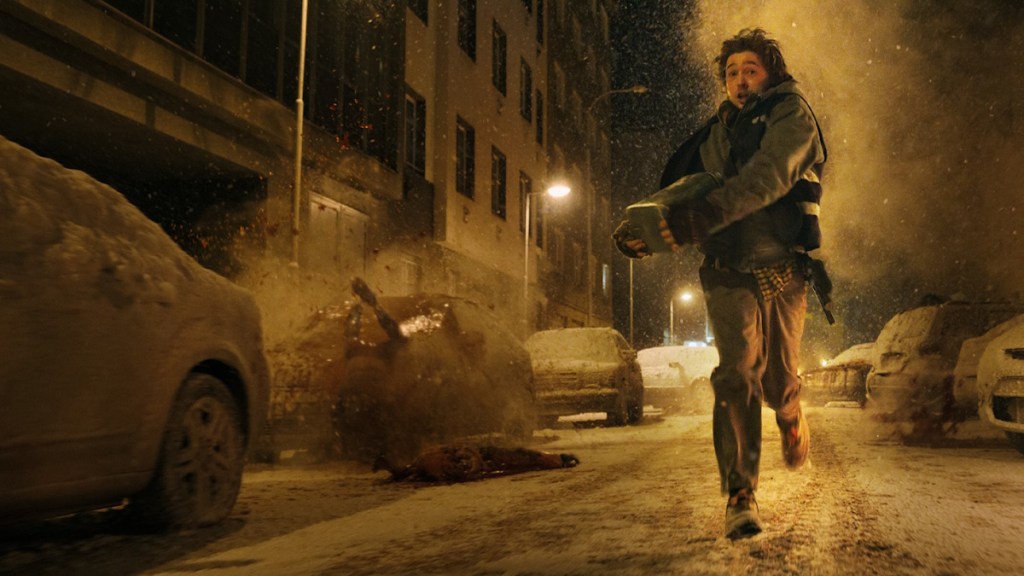
- The Trailer Drop and Atmospheric Reveal: Public sentiment began to pivot when Sony Pictures released the first official promotional trailers. The footage showcased a stark, grittier aesthetic, highlighting claustrophobic environments like fog-choked streets, ominous hospital corridors, and decaying sewers. The marketing campaign successfully signaled that Cregger understood the atmospheric DNA of classic survival horror.
- The Theatrical Debut: Released to eager audiences worldwide, the film immediately captured attention for its innovative perspective, practical effects, and faithful immersion into the lore of Raccoon City. What started as an uphill battle for fan trust culminated in a triumphant box office and critical reception, forcing early detractors to reconsider their stances.
Supporting Data & Production Breakdown: Crafting the Ultimate Survival Horror Experience
Cregger’s success lies in his meticulous replication of video game mechanics and atmospheric dread translated into a cinematic language.
The Ultimate NPC Experience
By anchoring the narrative to Bryan—an ordinary medical courier—the film strips away the protective armor of elite military training. Bryan’s mission is simple: deliver a vital package to a hospital in Raccoon City. When the zombie outbreak strikes unannounced, he is thrust into a chaotic night without end. This narrative choice mirrors the player’s initial panic when entering a survival horror scenario under-equipped and overwhelmed.
Austin Abrams’ Career-Defining Performance
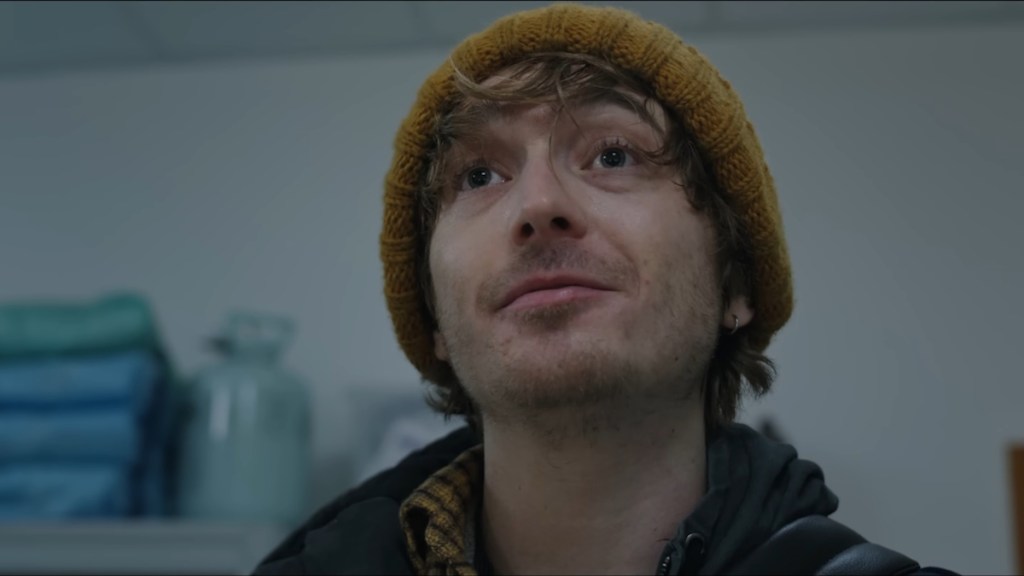
With Abrams carrying the emotional and physical weight of the film, his portrayal of Bryan serves as its primary anchor. Abrams masterfully balances moments of sheer, paralyzing terror with unexpected comedic levity. Drawing on Cregger’s background in comedy, the film injects sharp, organic humor amidst the unrelenting tension without ever undermining the stakes. Critics have universally praised Abrams, noting that his performance outshines virtually all previous human leads in the franchise’s cinematic history.
Visuals, Perspective, and Practical Effects
The film’s cinematography cleverly incorporates subtle third-person and first-person camera angles that explicitly mimic the perspective and claustrophobic mechanics of the video games. Furthermore, the creature design team stepped far beyond conventional zombie tropes. Working closely with practical effects and high-end makeup, the production team birthed grotesque, mutated horrors that feel lifted straight from Capcom’s concept art books—so much so that industry insiders suggest even Capcom could take design cues from the film for future franchise installments.
Official Responses and Fan Reactions: The Apology Form Era
The paradigm shift in how fans view the film has led to unprecedented cultural moments within the gaming and film communities.
When details regarding the plot and Bryan’s civilian status leaked prior to release, fan forums were rife with skepticism. However, following the world premiere, social media platforms—particularly X (formerly Twitter)—saw an influx of tongue-in-cheek "apology forms" drafted for Zach Cregger.
Sony Pictures and the creative team deliberately leaned into the grassroots marketing, highlighting early praise that celebrated the film’s integration of iconic franchise staples. From subtle easter eggs and weapon upgrade nods to the psychological dread of a recurring stalking boss archetype, official promotional channels emphasized that Cregger’s vision was forged out of genuine affection for the source material.
Despite the overwhelming praise, critics and audiences alike pointed out one glaring continuation of a franchise-long tradition: a messy third act. Much like the video games that inspired it, the film struggles to seamlessly land its final conclusion, resulting in a somewhat abrupt ending that leaves narrative threads dangling. Nevertheless, official audience scores reflect immense satisfaction, proving that stepping away from traditional adaptations was the correct gamble.
Implications: What This Means for the Future of Video Game Adaptations
The triumph of Zach Cregger’s Resident Evil carries profound implications for both Hollywood and the video game industry at large. For years, studios have struggled to find the golden formula for adapting interactive media to film. Traditional approaches usually fall into two categories: a slavish, uninspired 1:1 recreation that ignores the unique pacing of games, or a loose, unrecognizable cash-grab that alienates the core audience.
Cregger has proven that the secret to a successful video game adaptation is not copying the plot beat-for-beat, but rather capturing the feeling of playing the game. By translating the helplessness, resource scarcity, environmental dread, and distinct pacing of survival horror into a cinematic format, the film establishes a new benchmark.
Furthermore, the movie demonstrates that audiences—and gamers in particular—are willing to embrace original stories set within established universes, provided the creators respect the core lore and atmosphere. Moving forward, Hollywood executives looking to mine Capcom’s catalog—or other rich gaming franchises—will likely look to Cregger’s approach as a masterclass in adaptation.
Whether this film spawns a cinematic universe or stands alone as a singular, terrifying night in Raccoon City, it has forever changed the conversation surrounding video games on screen. For longtime fans who grew up rationing green herbs and shotgun shells, and for newcomers looking for a genuinely harrowing horror experience, the gates of Raccoon City have finally been opened the right way.



