











In the contemporary web development landscape, artificial intelligence has ceased to be a novel luxury and has instead become a standard expectation. Nearly every mainstream WordPress block plugin now boasts native AI integration, promising users a streamlined path from a blank canvas to a fully designed, conversion-optimized web page through the simple power of a […]
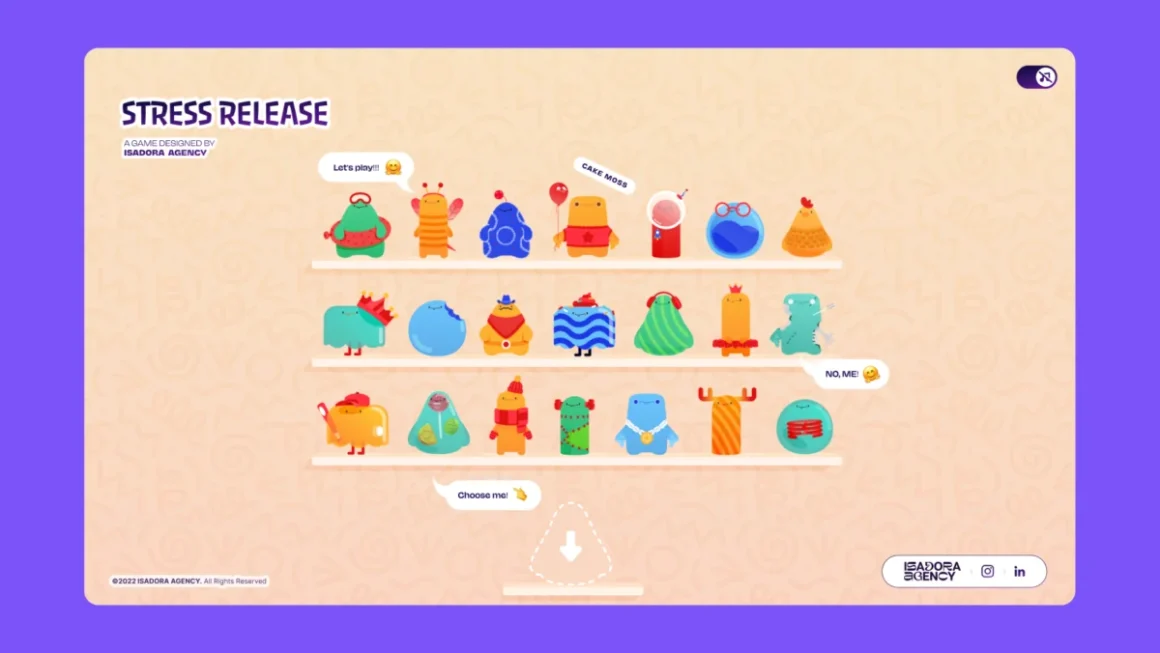
The Architecture of Intentionality: How Isadora Agency Built "Stress Release" Without Physics Engines
In the contemporary landscape of digital design, the quest for "tactile" web experiences often leads developers down a singular path: the physics engine. Whether it is Matter.js, Cannon.js, or complex WebGL implementations, the industry standard for creating interactive, bouncy, or destructive UI elements has long relied on algorithmic simulation. However, as the team at Isadora […]

Beyond the Cache: Putting WordPress Hosting to the Ultimate Stress Test
For years, the gold standard of WordPress performance has been synonymous with a single word: caching. By leveraging Content Delivery Networks (CDNs), static page generation, and aggressive object caching, developers have successfully masked the inherent resource-intensiveness of the WordPress core. If you serve a static version of a page, the server doesn’t have to work; […]

Beyond the Cache: The Real-World Stress Test Defining WordPress Performance
In the world of web hosting, caching has long been the "silver bullet." By leveraging Content Delivery Networks (CDNs) and aggressive page caching, developers can make even the most resource-heavy WordPress sites appear lightning-fast. It is a fundamental truth of the industry: if you can serve a static version of a page, you can handle […]

Beyond the Cache: Putting WordPress Hosting Infrastructure to the Ultimate Stress Test
In the world of WordPress optimization, "caching" is often treated as the ultimate panacea. The industry standard—deploying a Content Delivery Network (CDN), implementing aggressive page caching, and serving static assets—has allowed developers to serve massive volumes of traffic without pushing the underlying server to its breaking point. While this approach is effective for static blogs […]