






In the vast and ever-expanding ecosystem of content management systems, WordPress stands as the undisputed titan, powering over forty percent of all websites on the internet. Within this massive ecosystem, themes serve as the visual architecture and functional foundation for millions of digital spaces. Among the thousands of options available to developers, designers, and everyday entrepreneurs, few have achieved the meteoric rise and enduring popularity of Hello Elementor.
Boasting an astounding milestone of over one million active installations, this lightweight, minimalist theme has redefined how websites are built. Designed specifically to integrate seamlessly with the popular Elementor site builder plugin, Hello Elementor offers a blank canvas approach that appeals to beginners and seasoned web professionals alike.
This comprehensive report explores the origins, core mechanics, global reach, and broader industry implications of the Hello Elementor theme, examining why it has become an indispensable tool in the modern web creator’s toolkit.
Main Facts: What is Hello Elementor?
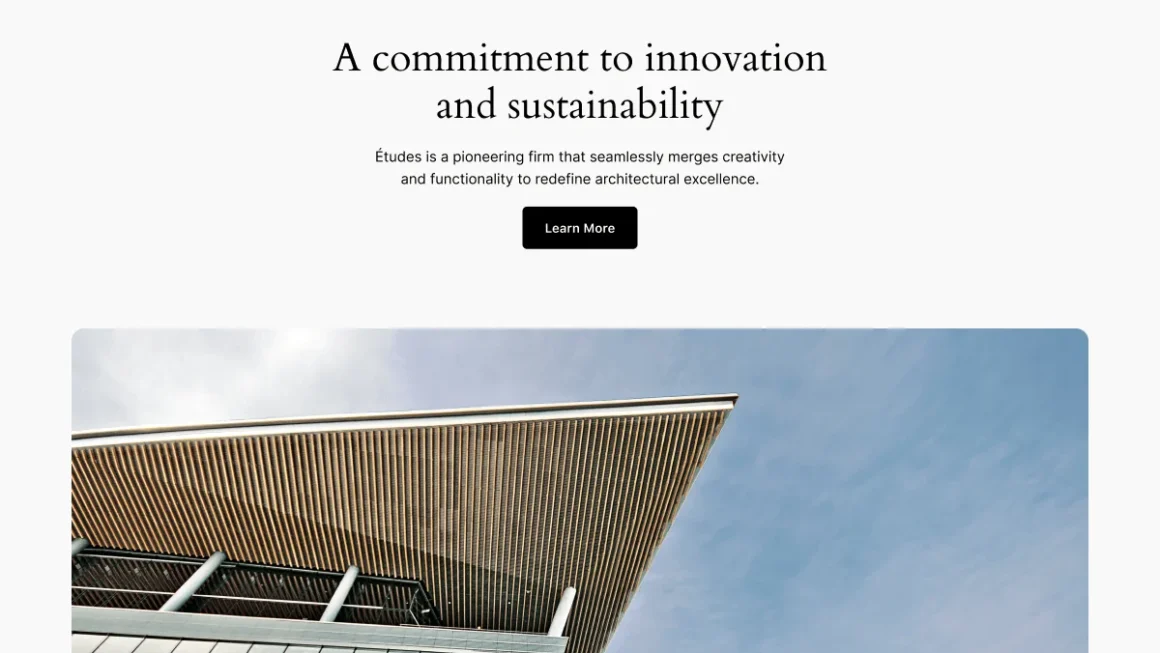
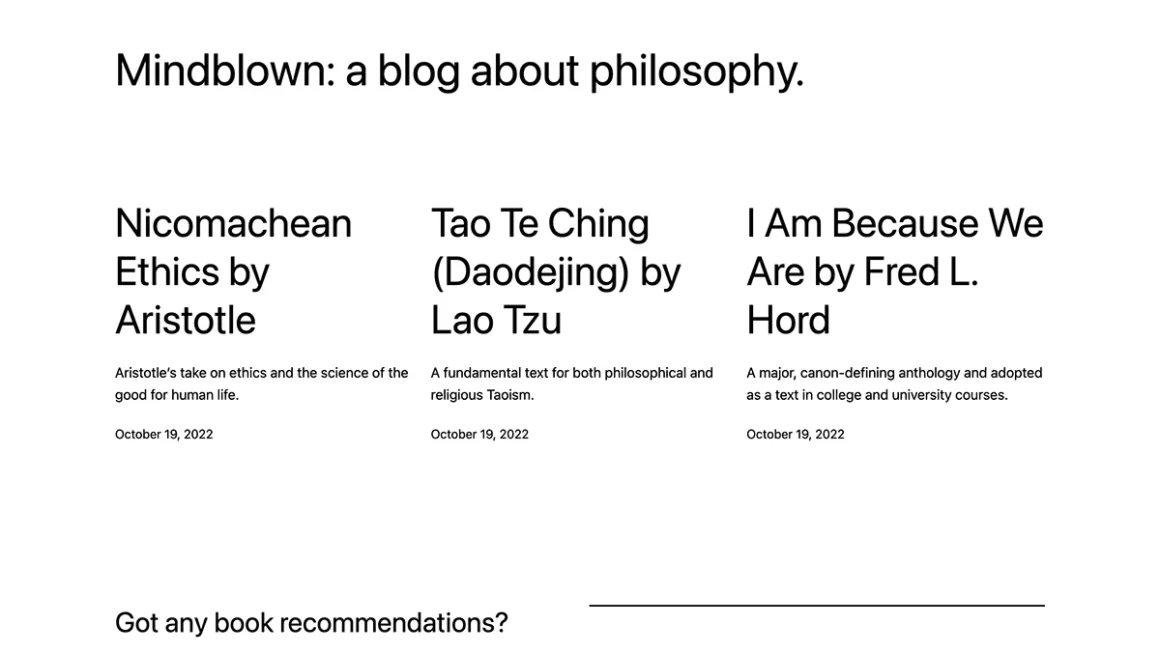
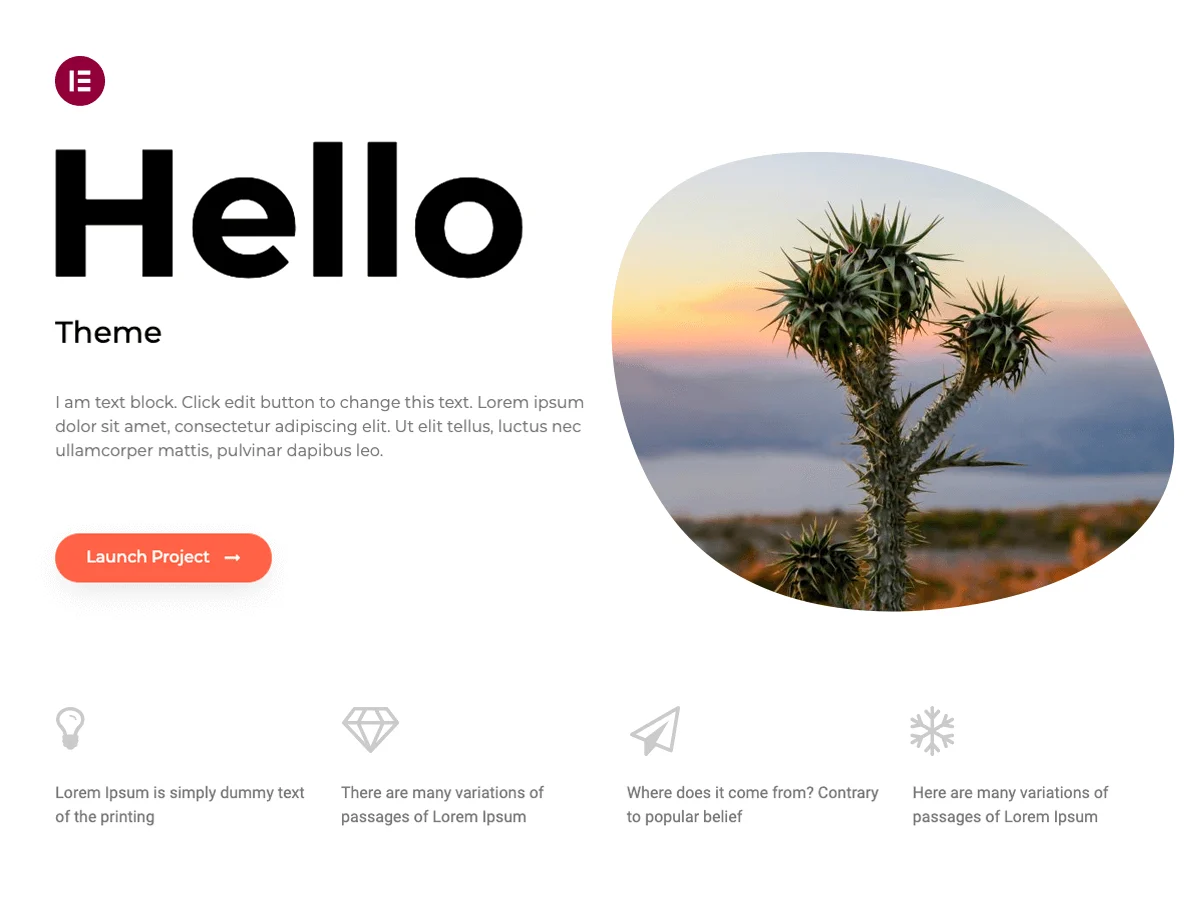
At its core, Hello Elementor is a free, open-source WordPress theme engineered to perform one job exceptionally well: provide a lightning-fast, ultra-minimalist foundation for the Elementor drag-and-drop page builder.
Unlike traditional multi-purpose WordPress themes that come bundled with complex pre-designed layouts, heavy stylesheets, and dozens of built-in features that often slow down site performance, Hello Elementor strips away all unnecessary bloat. It provides bare-minimum styling for WordPress elements, leaving the heavy lifting of design, layout, and functionality entirely up to the user and the Elementor ecosystem.
Key Characteristics:
- Lightweight Architecture: Built for raw performance, the theme has minimal code, resulting in exceptionally fast loading times and optimized core web vitals.
- Seamless Integration: It is engineered from the ground up to eliminate compatibility issues with the Elementor page builder and its advanced Theme Builder capabilities.
- Blank Canvas Concept: Users do not have to fight against pre-existing theme designs; every pixel on the screen is consciously crafted using Elementor’s visual tools.
- Freemium Model: While the core theme is entirely free and open-source, users can tap into commercial upgrades, professional add-ons, and premium support channels offered by the creators.
Chronology: The Journey to One Million Active Installations
The success of Hello Elementor did not happen overnight. It is the result of a strategic evolution aligned with the rapid growth of the Elementor plugin itself.
Phase 1: The Rise of Visual Page Building
Before the widespread adoption of visual drag-and-drop builders, building custom WordPress websites required either extensive coding knowledge or the use of rigid, pre-packaged themes that were difficult to customize. When the Elementor plugin burst onto the scene, it revolutionized the market by allowing users to design pages visually in real time. However, early users often encountered conflicts between Elementor and their chosen themes, leading to formatting glitches and bloated codebases.
Phase 2: The Birth of Hello Elementor
Recognizing the need for a native, frictionless foundation that would allow Elementor to shine without interference, the developers introduced Hello Elementor. Released as a free, bare-bones theme, its initial purpose was simple: act as a neutral container that wouldn’t break, slow down, or dictate the design of an Elementor-built site.
Phase 3: Scaling the Ecosystem and Theme Builder
As Elementor evolved from a simple page builder into a comprehensive website builder capable of designing headers, footers, single post templates, and archives (Elementor Pro Theme Builder), the role of Hello Elementor expanded exponentially. It transformed from a basic starter theme into the ultimate canvas for full-site editing within the Elementor workflow.
Phase 4: Reaching the Milestone
Through continuous performance updates, security patches, and deep integration with global WordPress standards, Hello Elementor steadily climbed the popularity charts. Today, crossing the threshold of one million active installations places the theme in an elite category of WordPress solutions utilized worldwide.
Supporting Data and Technical Overview
To understand why Hello Elementor enjoys such massive adoption, one must examine the technical data and community support systems that back the project.
Performance and Optimization Metrics
In modern Search Engine Optimization (SEO) and user experience design, speed is currency. Heavy themes packed with sliders, custom widgets, and unoptimized JavaScript can ruin a website’s Core Web Vitals scores. Hello Elementor combats this by:

- Eliminating unnecessary database queries.
- Utilizing minimal CSS and JavaScript files.
- Providing a clean DOM (Document Object Model) tree that allows browsers to render pages significantly faster.
Global Accessibility and Localization
The web is inherently global, and open-source software thrives on community contributions. Hello Elementor is a testament to this philosophy, boasting comprehensive translations across dozens of languages and regional dialects. Users can access and deploy the theme in languages ranging from Spanish, French, German, and Japanese to regional variants like Bengali, Catalan, Basque, and Tamil. This extensive localization ensures that web creators from diverse linguistic backgrounds can build and manage sites in their native tongues.
Support and Maintenance Infrastructure
While the theme is free, it is supported by a robust ecosystem of documentation, community forums, and reporting tools.
- Support Forums: Users seeking troubleshooting assistance can tap into the active WordPress.org support community.
- Bug Tracking and Reporting: Developers and advanced users can formally report major bugs or theme vulnerabilities through standardized WordPress community channels.
- Continuous Translation Projects: Contributors constantly update language packs via translate.wordpress.org, ensuring that new features remain accessible globally.
Official Responses and Community Engagement
The philosophy behind Hello Elementor centers heavily on community empowerment and developer freedom. Official communications from the creators emphasize that the theme was built to listen to what web creators actually want: speed, control, and zero friction.
By keeping the core framework open-source, the development team has invited collaboration from thousands of developers worldwide. Rather than locking users into a proprietary ecosystem with rigid rules, the creators positioned Hello Elementor as an open invitation to build.
Furthermore, the commercial upgrade path provides a sustainable business model. While the foundational theme remains free forever—guaranteeing that budget-conscious startups and hobbyists can build professional sites—advanced users have access to premium Elementor features, expert-tier support, and cloud-hosted solutions. This balance has earned the trust of the WordPress community, which is traditionally protective of open-source principles.
Implications: What Hello Elementor Means for the Future of Web Development
The massive success of Hello Elementor signals a broader paradigm shift in how websites are conceptualized, designed, and deployed.
1. The Death of the "Multi-Purpose Bloated Theme"
For years, the standard advice for WordPress beginners was to buy a massive multi-purpose theme that promised to do everything—from e-commerce to portfolios to blogs. These themes often came bundled with dozens of third-party plugins, custom shortcodes, and complex options panels that created a steep learning curve and catastrophic site slowdowns. Hello Elementor champions the opposite philosophy: Do one thing perfectly. By separating design (handled by Elementor) from structure (handled by the theme), web creators enjoy leaner, faster, and more secure websites.
2. Democratization of Professional Web Design
Building a high-converting, visually stunning website used to require hiring specialized front-end developers and UI/UX designers. With lightweight foundations like Hello Elementor paired with visual builders, small business owners, freelancers, and marketing agencies can prototype and launch fully realized digital platforms in a fraction of the time and at a fraction of the cost.
3. The Rise of Modular Ecosystems
Hello Elementor exemplifies the trend toward modular web development. Instead of monolithic systems where every component is tightly coupled, modern web building relies on interchangeable layers: a fast hosting environment, a clean minimal core theme (like Hello Elementor), a powerful visual editor, and specialized plugins. This modularity ensures that if one component needs to be updated or replaced, the entire system remains stable.
Conclusion
Hello Elementor has transcended its humble beginnings as a simple utility theme to become a pillar of the modern WordPress landscape. Surpassing one million active installations is not merely a quantitative milestone; it is a validation of a philosophy that values speed, simplicity, and user control above all else.
As the web continues to evolve and demands for performance and accessibility grow ever stricter, minimalist frameworks like Hello Elementor prove that sometimes, less truly is more. By giving creators a clean slate and stepping out of the way, Hello Elementor empowers millions of voices to build their digital futures with confidence, speed, and absolute creative freedom.