










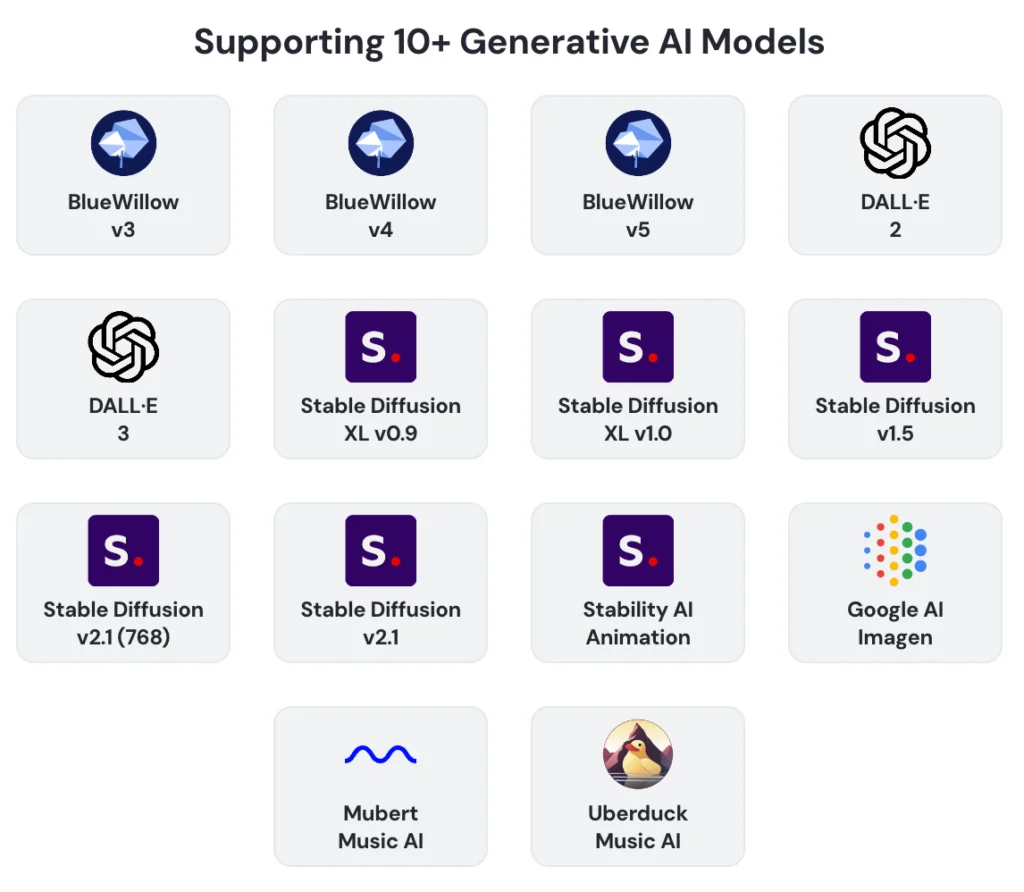
The landscape of digital content creation is undergoing a seismic shift. As generative artificial intelligence transitions from experimental research to a foundational toolset, the demand for seamless, programmatic integration has never been higher. LimeWire, a brand historically synonymous with the democratization of digital file sharing, is reinventing itself as a powerhouse in the AI space. With the recent launch of its Developer API, the company is bridging the gap between sophisticated generative models and the practical needs of developers, creators, and platform architects.
This strategic move marks a pivotal moment in how we think about "media on demand." By moving beyond the walled gardens of standalone apps and proprietary websites, LimeWire is enabling engineers to embed high-fidelity AI image generation and upscaling directly into their own applications.
The Core Transformation: From P2P Pioneer to AI Infrastructure
The narrative of LimeWire has always been one of disruption. In the early 2000s, it challenged traditional media distribution; today, it challenges traditional media creation. The company’s pivot toward AI media creation—encompassing video art, image generation, and high-resolution upscaling—is aimed at lowering the barrier to entry for the average user while providing robust utility for professional developers.
The centerpiece of this transition is the newly unveiled Developer API. For engineers, this is more than just a gateway; it is a programmable bridge that turns text-based concepts into visual assets in real-time. By providing a RESTful interface, LimeWire allows developers to bypass the need for manual image procurement, shifting the workflow from "searching for stock photos" to "generating bespoke assets."
Chronology: The Path to Programmable Art
The journey to this API release is reflective of the broader trends in the AI industry.
- Early 2023: LimeWire solidifies its pivot toward the creator economy, focusing on AI-generated images and music as core products.
- Late 2023: The company introduces refined models capable of higher aspect ratio control and image consistency, establishing a foothold in the competitive AI art space.
- March 2024: The formal launch of the LimeWire Developer API. This release signifies the shift from a B2C (Business-to-Consumer) model to an "API-first" B2B (Business-to-Business) strategy, allowing third-party platforms to leverage LimeWire’s generative engine.
This chronology mirrors the industry’s trajectory: first, building a proprietary interface to gain users, then exposing the engine to allow the ecosystem to build on top of that interface.
Technical Architecture and Supporting Data
For the developer, the integration process is designed for brevity and efficiency. LimeWire has prioritized a lightweight, standard HTTP request structure that minimizes latency.

The Image Generation Workflow
The API call structure is intentionally simplified to allow for rapid prototyping. By sending a POST request to the /api/image/generation endpoint, developers can specify prompts and aspect ratios. The data payload is minimal, yet the output is highly customizable.
curl -i -X POST
  https://api.limewire.com/api/image/generation
  -H 'Authorization: Bearer YOUR_API_KEY'
  -H 'Content-Type: application/json'
  -d '
    "prompt": "A beautiful princess in front of her kingdom",
    "aspect_ratio": "1:1"
  '
Advanced Upscaling Capabilities
Beyond generation, the API addresses the common industry challenge of resolution. AI-generated assets often require post-processing to meet professional standards. LimeWire’s /api/image/upscaling endpoint allows users to take an image_asset_id and scale the output by a factor of four, ensuring that the generated images are suitable for print, high-definition digital displays, or professional web layouts.
Implications: The Death of the Stock Image Hunt
The most immediate implication of the LimeWire Developer API is the potential for the total obsolescence of traditional stock photography in specific workflows.
Automating Content Production
For bloggers and content managers, the "scourge of the stock photo" is a well-documented pain point. Often, an author spends hours searching for an image that is "close enough" to the subject matter. With LimeWire’s API, a blog platform could theoretically analyze the text of an article, extract key themes, and automatically generate a hero image that is perfectly tailored to the post’s content.
Empowering SaaS Platforms
The implications for SaaS (Software as a Service) providers are equally profound. Imagine a social media management tool that generates post imagery based on user captions, or a presentation software that builds custom backgrounds for slides on the fly. By integrating LimeWire, these platforms can offer premium generative features to their users without having to train their own massive language models or image-generation networks.
Official Responses and Strategic Positioning
While the company has not released specific user growth metrics for the API, early sentiment among the developer community has been positive. The core value proposition—as emphasized by the company—is that AI art is no longer just for the "artist" who spends hours in Prompt Engineering suites. It is now a utility for the developer who needs to ship a product today.
The company’s leadership has framed this launch as a democratization effort. By providing the tools to integrate AI, they are shifting the power back to the platform owners, allowing them to monetize generative art in ways that fit their specific business models. Whether it is a pay-per-generation model or an included subscription feature, the flexibility of the API is the main selling point.
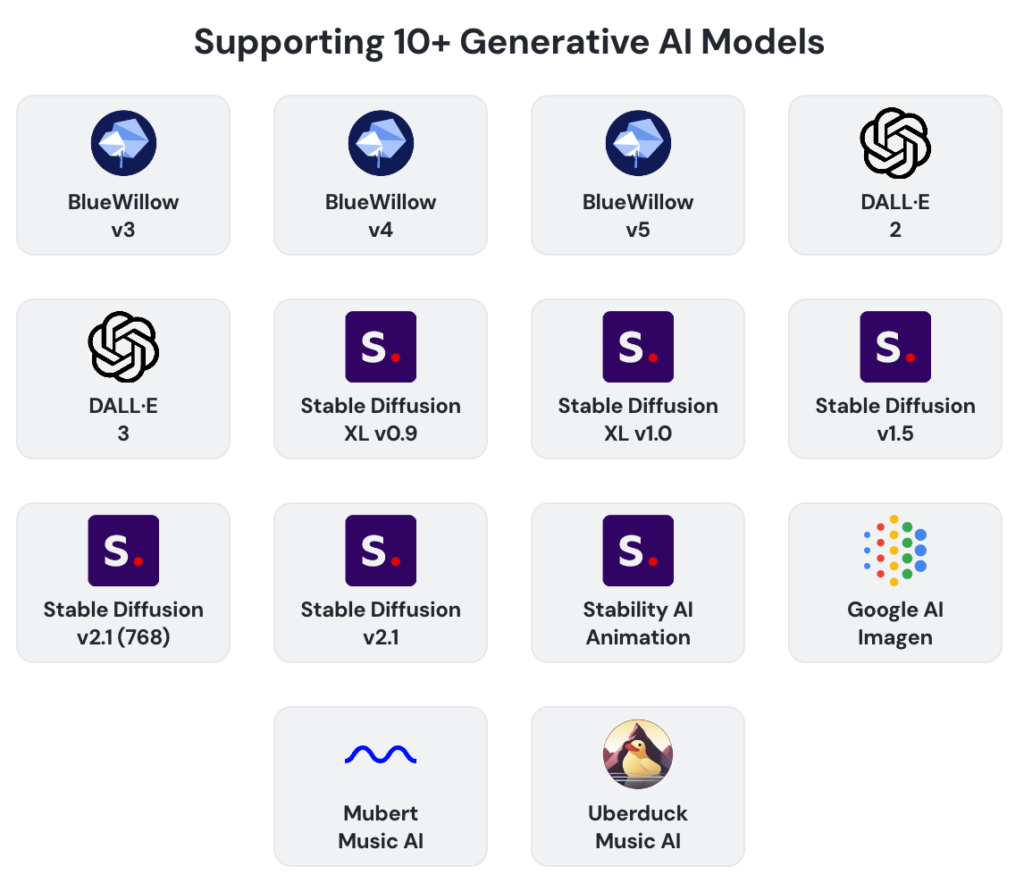
The Future of Dynamic Media: Beyond Still Images
As we look toward the future, the LimeWire Developer API is expected to expand. The current iteration focuses heavily on image generation and upscaling, but the industry is clearly moving toward video and 3D modeling.
The Ethical and Technical Horizon
The integration of generative AI is not without its challenges. Developers using these APIs must navigate the nuances of copyright, provenance, and the potential for "AI hallucination." LimeWire’s approach to these issues, by providing a controlled API environment, offers a safer, more stable alternative to open-source models that may be harder to implement and govern.
Furthermore, as the API matures, we can expect to see:
- Style LoRAs: The ability for developers to train the API on specific brand styles, ensuring that all generated content is consistent with a company’s visual identity.
- In-painting and Out-painting: Advanced manipulation tools that allow developers to edit specific parts of an image programmatically.
- Latency Improvements: As the underlying hardware infrastructure for AI improves, the "time-to-generate" will continue to drop, moving closer to sub-second responses.
Conclusion: A New Standard for Integration
The release of the LimeWire Developer API is a landmark event in the maturation of generative media. It represents the transition of AI from a "novelty" to a "utility." For engineers, the challenge now is not how to generate an image, but how to use this newfound power to create more engaging, responsive, and personalized user experiences.
In a digital world that is becoming increasingly automated, LimeWire has provided the foundational blocks for a future where content is not just consumed—it is created in real-time, on-demand, and exactly where the user needs it to be. The barrier to entry for creating AI art has officially been removed; the question for developers now is what they will choose to build with these tools.
Whether you are a startup founder looking to add a "wow factor" to your interface or a backend engineer seeking to automate your content pipeline, the tools provided by LimeWire represent a significant step forward. The age of the programmable image has arrived, and it is more accessible than ever before.
By allowing users to generate imagery where they are—whether that is in a CMS, a custom app, or a social network—LimeWire is ensuring that the future of content is as dynamic as the technology that powers it. The path forward for developers is clear: integrate, iterate, and innovate. With these API tools, the only remaining constraint is the creativity of the engineer behind the code.



