







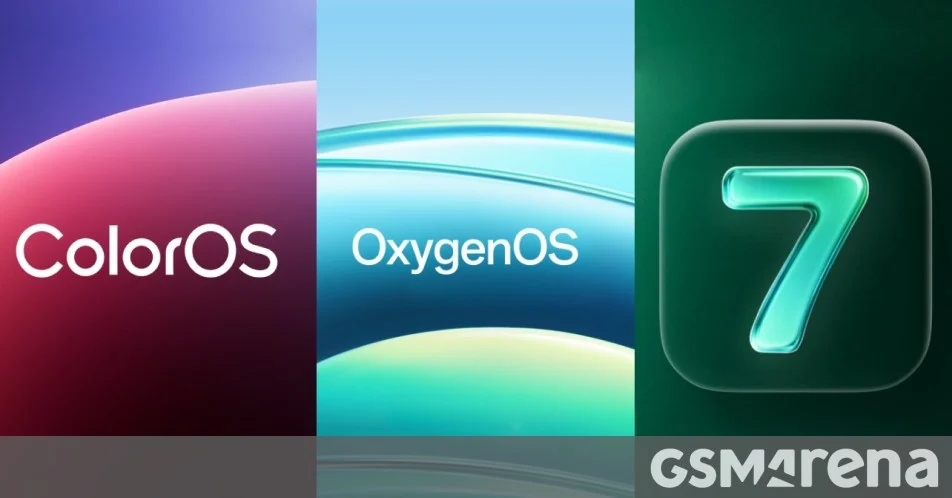
In a tectonic shift for the smartphone industry, the BBK Electronics ecosystem is undergoing a radical restructuring. What began in 2021 as a strategic pivot to merge OnePlus’s beloved OxygenOS with Oppo’s ColorOS has evolved into a comprehensive consolidation project. According to recent reports from industry insiders, the roadmap now extends to Realme UI, effectively signaling the end of the distinct, independent software identities that once defined these three globally recognized brands.
This move is not merely a cosmetic change or a rebranding exercise; it is a fundamental shift in how one of the world’s largest smartphone manufacturing conglomerates manages its R&D, software maintenance, and global market presence. As these brands move toward a unified ColorOS foundation, the mobile landscape—particularly for fans of the "enthusiast" software experiences once offered by OnePlus and Realme—faces an uncertain future.
The Chronology of Consolidation: From Independence to Integration
To understand the current state of affairs, one must look back at the trajectory of these brands over the last half-decade.
2021: The Initial Merger Announcement
The first tremor occurred in 2021 when Pete Lau, a co-founder of OnePlus and a key executive within the Oppo-OnePlus structure, confirmed that OxygenOS and ColorOS would merge. At the time, the narrative was framed as a way to leverage the strengths of both systems: the fluidity and "stock-like" aesthetic of OxygenOS combined with the stability and feature-rich architecture of ColorOS.
2022–2023: The Integration Phase
Following the announcement, OnePlus devices began shipping with a unified codebase. While the "OxygenOS" branding remained in Western markets, the under-the-hood reality was undeniably ColorOS. This period saw the gradual erosion of the distinct software features that had once built the OnePlus community’s loyalty.
2024: The Global Withdrawal and Brand Realignment
In recent months, the strategy has moved beyond software. Evidence has mounted that OnePlus is systematically scaling back its global footprint. Retail reports from Germany show the company actively directing consumers toward Oppo hardware, while the UK market has faced severe inventory shortages. This suggests a broader mandate to prioritize specific, high-growth markets—namely India and China—while liquidating or transitioning existing operations elsewhere.
2025: The Realme Integration
The latest intelligence suggests that the "logical conclusion" of this effort is the sunsetting of Realme UI. By bringing Realme under the same unified software umbrella, the parent conglomerate aims to achieve unprecedented economies of scale, slashing the costs associated with maintaining three separate software branches.
Supporting Data: Why Consolidation is the New Standard
The primary driver for this move is economic. Developing, maintaining, and providing long-term security updates for distinct operating systems is an astronomically expensive endeavor.
- R&D Optimization: By centralizing software development on a single version of ColorOS, the company reduces the number of engineering teams required to patch bugs, develop new UI features, and maintain security compliance.
- Supply Chain Synergy: As seen in India, where Oppo now handles after-sales support for OnePlus devices, the integration is moving into the physical realm. Shared service centers, unified logistics, and consolidated manufacturing lines allow the group to weather the current stagnation in the global smartphone market.
- Market Concentration: Data from recent retail audits confirms that OnePlus’s presence in European markets is fading. When a company stops stocking devices in major retail hubs, it is rarely a supply chain issue; it is a calculated exit strategy. The focus is shifting entirely toward regions where the brand equity of OnePlus and Realme remains high, specifically the massive consumer bases of India and China.
Official Responses and Corporate Silence
Historically, the parent company has been cryptic regarding its internal structure. When the 2021 merger was announced, executives emphasized "synergy" and "improved user experience." However, as the consolidation has deepened, official statements have become increasingly rare.
When confronted with reports of the "end" of OxygenOS and Realme UI, company representatives typically reiterate their commitment to "providing the best possible software experience" without confirming or denying the discontinuation of specific brand-labeled software. This "non-denial denial" is standard in the industry, allowing the company to transition quietly while avoiding a PR backlash from long-time enthusiasts who fear the loss of their preferred software "flavor."
Implications: What Does This Mean for the Consumer?
The ramifications of this consolidation extend far beyond the boardroom. For the end-user, the implications are profound.
1. The Death of Software Diversity
For years, the "Android experience" was defined by choice. Users chose OnePlus for OxygenOS’s speed, and they chose Realme for its value-driven feature set. With a unified ColorOS, the differentiator between these devices will rely solely on hardware specifications and pricing. While ColorOS is a highly capable and feature-packed system, it lacks the unique identity that originally allowed these brands to carve out market share from giants like Samsung and Apple.
2. The US Market Dilemma
The situation for the US market remains the most precarious. With OnePlus having never captured more than a 1% market share in the US, its future there looks increasingly grim. If the company is retreating from Europe, it is logical to assume the US market is also being deprioritized. Consumers in the US, already limited in their choices to the "Big Three" (Apple, Samsung, Motorola), may soon see one of their few alternatives vanish entirely.
3. The Future of Realme
Realme was once the "younger, bolder" sibling. By forcing it into the rigid structure of ColorOS, the company risks alienating its core demographic: young, tech-savvy users who value customizability and a distinct UI. If the phone feels exactly like an Oppo—but is sold at a lower price point—will it cannibalize the premium Oppo sales, or will the "Realme magic" simply evaporate?
4. The "Golden Era" Ends
The "Golden Era" of smartphone variety, where a sub-brand could iterate rapidly on its own software, appears to be drawing to a close. We are entering an era of "Super-Brands," where the underlying software is a commodity managed by a central entity.
Conclusion: The Path Ahead
The consolidation of OxygenOS, ColorOS, and Realme UI represents a sobering reality: the smartphone market has reached a state of maturity where hyper-niche software differentiation is no longer sustainable. While fans of these individual brands may mourn the loss of unique software identities, the move is a pragmatic reaction to the current economic climate.
As the lines between these three brands continue to blur, consumers should expect future devices to be near-identical in software functionality, with hardware and price being the only remaining levers of competition. Whether this results in a more streamlined, reliable experience or a bland, homogenized product remains to be seen. One thing is certain: the era of the independent "enthusiast" brand is fading, replaced by the efficiency of the corporate monolith.
For those who cherish the specific quirks and features that made the early days of OnePlus and Realme so exciting, this consolidation marks the end of a chapter. As we look toward 2026 and beyond, the focus will no longer be on which brand has the best software, but rather, which brand offers the best hardware package under the umbrella of a single, ubiquitous operating system.