









As the smartphone industry approaches a pivotal moment in mobile hardware design, all eyes are turning toward Samsung’s upcoming Unpacked event. The latest intelligence surrounding the Samsung Galaxy Z Fold8 suggests a radical departure from the narrow, elongated aspect ratios that have defined the "Fold" series for nearly a decade. With fresh leaks surfacing regarding the device’s physical dummy units and its relative scale compared to current flagship standards, we are gaining a clearer picture of a device that aims to redefine the foldable user experience.
Main Facts: A Wider, Refined Vision
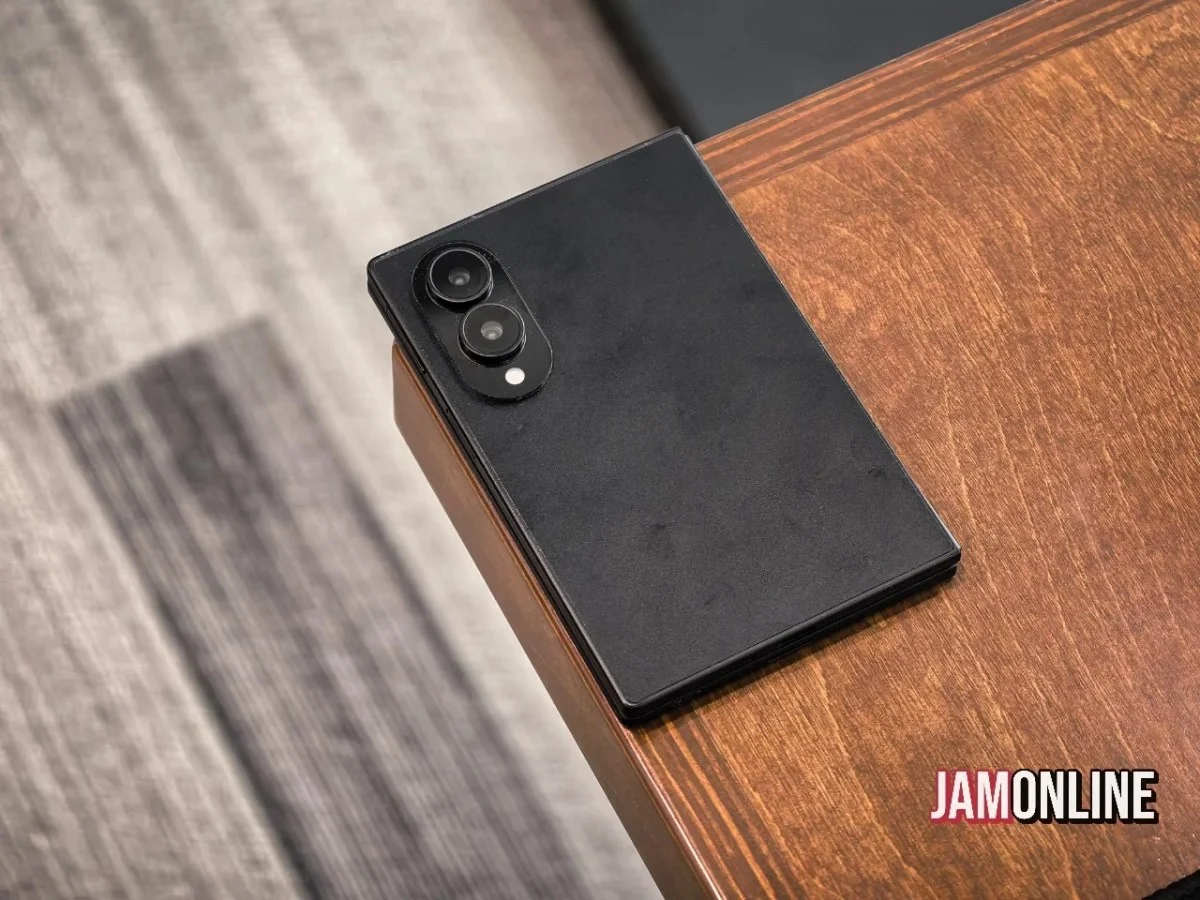
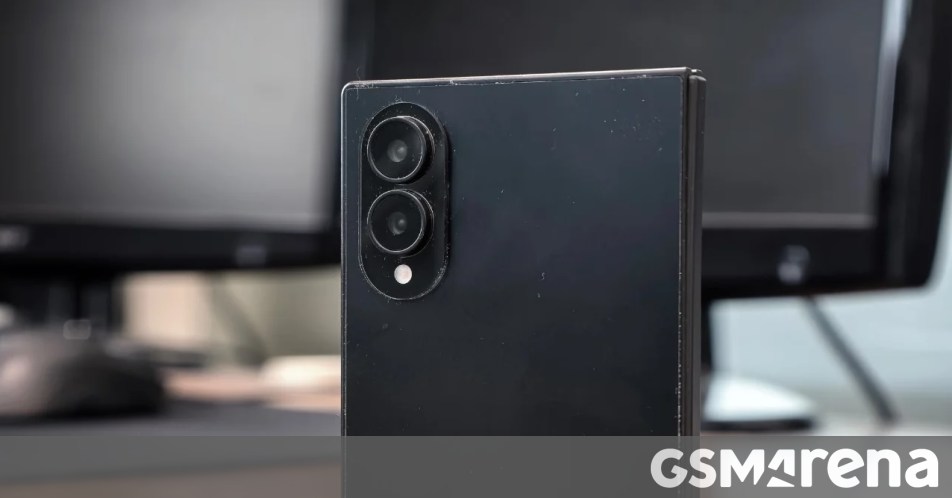
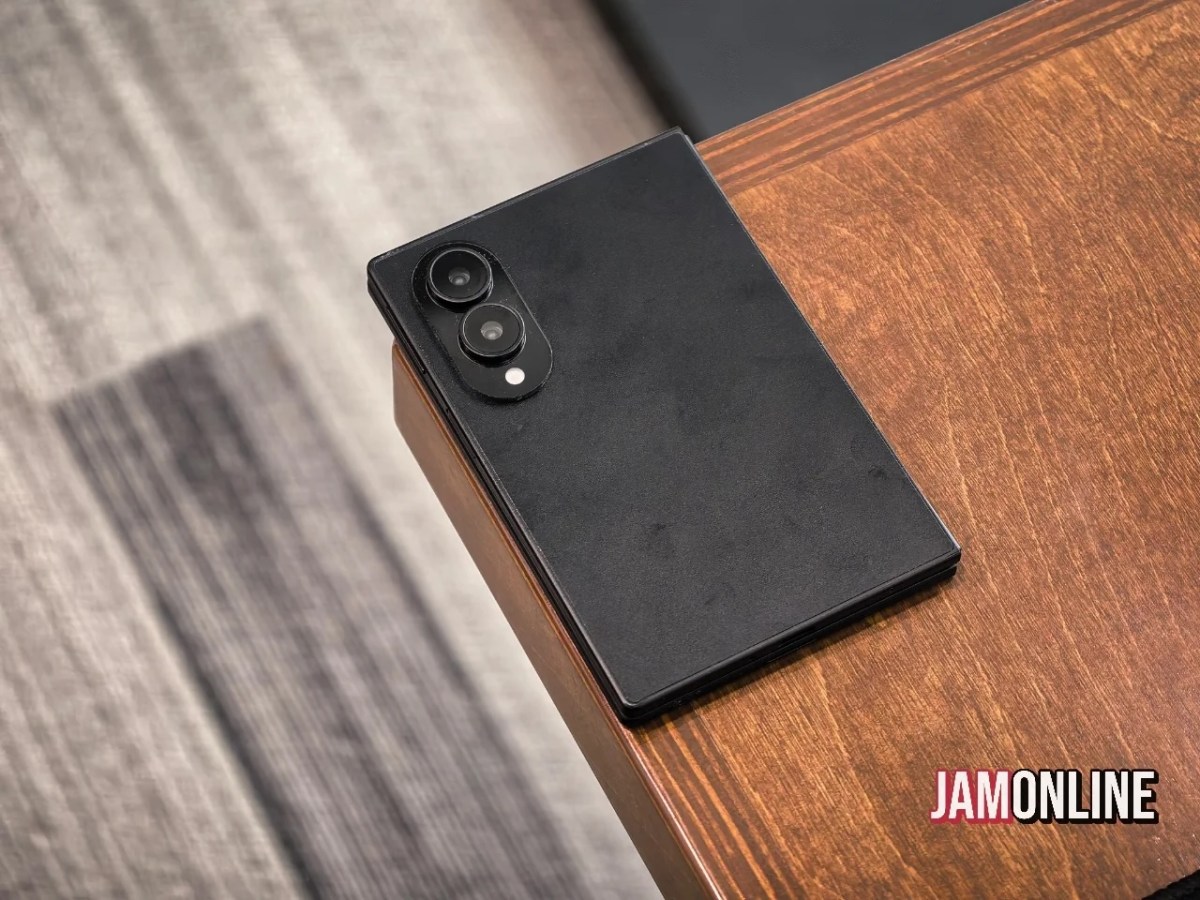
The most significant development regarding the Galaxy Z Fold8 is its shift in dimensions. Leaked dummy units—now confirmed in both a stark white and a sophisticated "Graphite" black—reveal a design language that prioritizes a wider, shorter aspect ratio.
While the device retains the refined aesthetic DNA of the Galaxy Z Fold7, including the hallmark flat frame and premium flat sides, the shift in proportions is impossible to ignore. This design change appears to be a direct response to consumer feedback regarding the narrow cover screens of previous iterations, which many users found restrictive for typing and standard app usage.
Technical Specifications at a Glance:
- Design: Flat-frame construction with a slim profile.
- Camera Module: A vertically aligned, pill-shaped housing containing a dual-sensor array.
- Optics: Rumored 50MP primary sensor paired with a 50MP ultra-wide lens.
- Colors: Expected to include a professional-grade "Graphite" finish.
- Connectivity: USB Type-C integration with standard right-edge physical button placement.
The resemblance to other market competitors, such as the upcoming foldable iPhone prototypes and the established Huawei Pura X Max, suggests that the industry is converging on a "passport-style" foldable form factor—a design that offers the utility of a tablet while maintaining the ergonomics of a standard smartphone when closed.
Chronology: The Road to the Fold8
The journey toward the Galaxy Z Fold8 has been marked by a steady stream of rumors and manufacturing leaks. Understanding the timeline of these disclosures helps illustrate the maturation of Samsung’s hardware strategy.
Phase 1: Early Speculation (Q1 2026)
Initial reports suggested that Samsung was working on a secondary, more "mainstream" foldable that would supplement the premium "Ultra" tier. Analysts speculated that the goal was to provide a more ergonomic alternative to the Z Fold series.
Phase 2: The Dummy Unit Emergence (Mid-2026)
In the early weeks of July 2026, the first white dummy units appeared on social media and industry forums. These leaks provided the first concrete evidence that the device would move away from the "tall and thin" look that had become synonymous with Samsung’s foldable identity.
Phase 3: The Graphite Reveal (Late July 2026)
The recent appearance of the black/graphite dummy units confirmed that Samsung is aiming for a diverse color palette, likely targeting both the enterprise user and the casual consumer. This phase also brought about the size comparisons provided by industry tipsters like Ice Universe.
Phase 4: The Unpacked Horizon
Samsung has strongly hinted at a July 22, 2026, Unpacked event. This event is expected to be a massive showcase, covering the Fold8, the Fold8 Ultra, the Flip8, and a new suite of wearables including the Galaxy Watch Ultra 2 and Galaxy Watch9.
Supporting Data: Comparing the Fold8 to the S26 Ultra
A critical point of analysis comes from the size comparison renders shared by prominent industry leaker Ice Universe. By placing the Galaxy Z Fold8 dummy next to the flagship Galaxy S26 Ultra, we can observe the precise impact of the design change.
The renders indicate that the Z Fold8’s cover display is only marginally wider than the screen on the S26 Ultra. This is a monumental shift. Historically, Fold users have had to adapt to a screen width significantly narrower than a standard candy-bar phone. If the Fold8 matches the width of the S26 Ultra, the "outer" screen becomes a fully functional, comfortable display for rapid tasks, emails, and social media navigation, effectively eliminating the "compromise" that has plagued previous generations of the Z Fold.
The slim profile, while aesthetically pleasing, also raises questions about battery density and heat dissipation. However, by adopting a wider frame, Samsung creates a larger internal surface area, which may allow for a more efficient battery layout, potentially increasing longevity compared to the Z Fold7.
Official Responses and Strategic Implications
While Samsung has maintained a standard "no comment on unreleased products" policy, the frequency of these leaks is rarely accidental. In the high-stakes world of mobile manufacturing, controlled leaks are often used to gauge consumer sentiment before a formal launch.
The Strategic Pivot
The move to a wider form factor indicates a strategic shift. Samsung is no longer just competing against its own past; it is competing against a growing number of Chinese manufacturers who have already mastered the wider, thinner foldable design. By aligning the Fold8 with the aesthetic and ergonomic standards of the S26 Ultra, Samsung is signaling that the foldable experience should not be a distinct "niche" experience, but rather a seamless extension of the flagship smartphone experience.
Market Implications
- Mainstream Adoption: By making the cover screen more "normal" in its proportions, Samsung lowers the barrier to entry for users who were previously intimidated by the narrow, unconventional feel of the earlier Z Fold models.
- Ecosystem Synergy: The simultaneous launch of the Watch Ultra 2 and Watch9 suggests that the hardware is being designed as a cohesive ecosystem. The wider Fold8 will likely offer better split-screen multitasking, which pairs perfectly with the data-rich interfaces expected on the new Galaxy Watches.
- The "Ultra" Differentiation: The presence of both a "Fold8" and a "Fold8 Ultra" suggests a tiered strategy. The standard Fold8 serves the mass market with a refined, ergonomic design, while the "Ultra" likely retains the more experimental, top-tier optics and materials, effectively bifurcating the product line to capture both the pragmatist and the enthusiast.
Conclusion: The Future of the Foldable Landscape
As we look toward July 22, the Samsung Galaxy Z Fold8 appears to be the most consequential foldable launch in the company’s history. By addressing the primary critique of the series—the aspect ratio—Samsung is demonstrating a willingness to listen to its user base and adapt its engineering to modern usage habits.
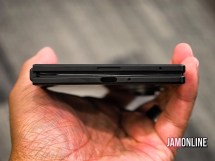
The physical design of the dummy units, while simple in nature, tells a complex story of a company confident enough to iterate on its own success. Whether or not this "wider is better" approach will pay off in sales remains to be seen, but the industry consensus is clear: the era of the narrow, awkward foldable is coming to an end. In its place, we are seeing the rise of a device that is, at last, just as comfortable to use closed as it is open.
As the official unveiling approaches, the focus will shift from the dimensions of the hardware to the software optimizations Samsung has prepared to take advantage of this new canvas. With the Galaxy Z Flip8 and the wearable lineup also in the wings, the July 22 Unpacked event is shaping up to be a defining moment for mobile technology in 2026. Samsung is not merely introducing a new phone; they are setting a new standard for what it means to be a "foldable" in the modern age. The competition is on notice, and the market is ready for a device that finally bridges the gap between the traditional smartphone and the tablet of the future.