










As global e-commerce matures, digital storefronts are undergoing a fundamental identity crisis. What were once carefully curated digital aisles designed to optimize the shopper journey have increasingly transformed into high-stakes programmatic billboards. This quiet struggle—pitting traditional retail merchandising against the booming economics of retail media networks (RMNs)—is reshaping how consumers discover products and how enterprise retailers operate behind the scenes.
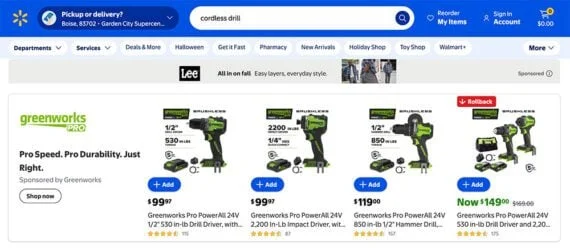
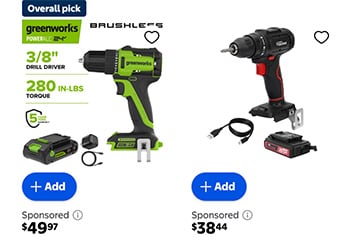
A recent search for "cordless drill" on Walmart’s e-commerce platform provides a stark illustration of this modern retail reality. At the top of the search results page, a Greenworks-sponsored brand module prominently displayed four products. The three listings immediately below it were also paid advertisements. In total, the first six product positions visible to a shopper were sponsored. An organic, non-paid result did not appear until the seventh position.
While the ads were entirely relevant to the query—sparing the consumer from the immediate frustration of irrelevant spam—the underlying mechanism raises a critical question for the future of digital retail: When advertising algorithms dictate which products shoppers see first, where does traditional merchandising end, and where does retail media begin?
Main Facts: The Battle for the Digital Shelf
The core tension in modern e-commerce stems from a direct collision of business models. Retailers traditionally built their digital properties to maximize customer lifetime value through thoughtful product placement, conversion rate optimization, and brand trust. Merchandisers curated category pages and search results to highlight best-sellers, high-margin goods, seasonal arrivals, and items with proven customer satisfaction metrics.
Today, however, retail media networks have become too lucrative to ignore. By monetizing digital traffic and first-party shopper data, retailers can generate astronomical profit margins—often eclipsing the margins of the retail sales themselves. Consequently, the most valuable real estate on an e-commerce site—the top of search results pages (SERPs) and prime category page banners—is increasingly surrendered to the highest bidder in an ad auction.
This dynamic creates a two-pronged objective within enterprise retail organizations:
- The Merchandiser’s Goal: Maximize long-term customer satisfaction, brand loyalty, and conversion by featuring the most optimal, high-converting products organically.
- The Media Team’s Goal: Maximize short-term ad revenue, inventory sell-through rates, and advertiser retention by placing paying brand partners in prime digital slots.
When these two objectives collide on the same search results page, friction is inevitable. Because ad revenue is immediate, highly attributable, and easily reportable to executive leadership, the media team holds a structural advantage. Meanwhile, the cost of a displaced organic product—such as a slight drop in long-term conversion or minor consumer friction—is diffuse, delayed, and notoriously difficult to quantify on a corporate dashboard.
Chronology: The Evolution of Retail Media and Storefront Monetization
To understand how enterprise retailers reached this crossroads, it is necessary to examine the rapid evolution of digital retail infrastructure over the past two decades.
- Early 2000s (The Curated Web): E-commerce search engines functioned much like traditional directory structures or simple keyword match algorithms. Merchandisers held absolute authority over page layouts, featuring top-selling items and promotional campaigns based purely on inventory goals and consumer demand signals.
- The 2010s (The Rise of Marketplace Ads): As giants like Amazon scaled their operations, they realized their massive web traffic was a valuable media asset. Sponsored product ads were introduced, initially mimicking search engine marketing (SEM) by allowing third-party sellers to bid on keywords. However, these ads were largely segregated to sidebars or clearly demarcated bottom-of-page sections.
- The Late 2010s to 2020s (The RMN Boom): Propelled by privacy shifts—such as Apple’s App Tracking Transparency and the impending deprecation of third-party cookies—brands scrambled for walled-garden environments rich in first-party data. Retailers transformed into media companies almost overnight. Walmart, Target, Home Depot, and grocery chains launched sophisticated RMNs, turning every pixel of their digital properties into monetizable inventory.
- Present Day (The Real Estate Squeeze): Today, retail media has shifted from an experimental revenue stream to a core profit driver. As seen in recent searches across major platforms, sponsored slots have migrated from the margins to the very top of the fold, sparking urgent internal debates regarding site governance and user experience.
Supporting Data: The Margin Opportunity vs. The User Experience Dilemma
The financial incentives driving retail media are undeniable. According to industry analyses, retail media networks globally generate tens of billions of dollars annually, offering profit margins that can reach 70% to 80%—vastly outperforming traditional retail margins, which often hover in the low single digits.
However, industry data also highlights the precarious balance retailers must strike between monetization and user trust.
- The Visibility Cliff: Studies on e-commerce user behavior consistently show that the vast majority of consumer clicks and conversions happen within the top three to five search results. When all top spots are occupied by sponsored listings, organic product discovery is severely suppressed.
- Ad Saturation Thresholds: Consumer research indicates that while shoppers tolerate and even appreciate ads when they match their intent, excessive ad saturation leads to decision fatigue, lower average order values over time, and increased bounce rates.
- The Attribution Asymmetry: Internal metrics often reveal a dangerous disconnect: a sponsored slot can look like a massive win on the media team’s dashboard (driving high ad spend and immediate ROAS for the brand) while quietly depressing overall category conversion rates—a loss that traditional merchandising metrics struggle to capture in real time.
Official Responses and Expert Perspectives
Industry leaders are increasingly vocal about the need for mature governance models to prevent retail media from cannibalizing the core e-commerce business.
Sherry Smith, President of Retail Media at Criteo, emphasizes that more inventory does not automatically equate to more value. In an email exchange discussing the state of digital shelf space, Smith noted:
"Retailers also need to be thoughtful about where and how they introduce advertising. More inventory doesn’t necessarily mean more value. The focus should be on placements that perform for advertisers, remain useful to shoppers, and create incremental value for the retailer once the costs of running the program are taken into account."
Smith underscores that relevance must serve as the primary bridge between the competing factions of an enterprise retail organization. When advertising enhances the shopper journey rather than hijacking it, everyone wins.
"The key is making sure media adds to the experience rather than getting in the way of it or simply replacing organic discovery," Smith wrote. "At the end of the day, relevance matters. If the advertising is useful to the shopper, it’s much more likely to create value for everyone involved."
Furthermore, Smith highlights the fundamental utility of RMNs when executed correctly, framing them as a natural extension of a retailer’s existing assets:
"Retail media gives retailers another way to create value from assets they already have, including their digital traffic, shopper data, and the moments when consumers are actively looking for products."
Implications: The Future of Digital Merchandising Governance
As the line between editorial merchandising and programmatic advertising continues to blur, enterprise retailers are forced to answer a foundational question: Who ultimately owns the digital customer experience?
To survive and thrive without alienating their customer base, retailers are beginning to establish formal governance frameworks. These "rules for sharing" digital shelf space typically encompass the following strategic pillars:
1. Data-Driven Relevance Thresholds
Retailers are implementing strict algorithmic guardrails ensuring that a sponsored product must meet or exceed a baseline relevance score before it is allowed to occupy prime real estate. If a sponsored drill has historically low conversion rates or poor customer reviews, it should not displace a top-tier organic product, regardless of the size of the ad bid.
2. Cross-Functional Compensation and Metrics
Forward-thinking companies are dismantling internal silos by aligning the incentives of merchandising and media teams. Instead of measuring media teams solely on gross ad revenue and merchandising teams purely on conversion, organizations are introducing blended metrics that account for long-term customer lifetime value (LTV) and net incremental profitability.
3. Preserving Organic Discovery Zones
To prevent consumer fatigue, retailers are establishing structural limits on ad density within critical paths. Ensuring that organic discovery remains viable protects the long-term health of the marketplace, maintaining trust with shoppers who rely on the platform for unbiased product comparisons.
Conclusion
The quiet struggle playing out on search result pages—where sponsored modules dominate the top half-dozen listings—is more than a layout quirk. It is the visible symptom of a deep operational transformation.
Retail media represents a monumental financial opportunity, transforming digital storefronts into high-yield media empires. However, as the digital shelf becomes increasingly crowded, retailers must remember that traffic and consumer trust are finite resources. By establishing intelligent governance, enforcing strict relevance standards, and aligning internal teams, retailers can ensure that advertising enhances the shopping experience rather than overshadowing it—maximizing the value of both their merchandising expertise and their media networks.



