






The digital landscape has undergone a seismic shift over the last ten years, moving from the monolithic dominance of cable television to a fractured, high-speed ecosystem of streaming services. As traditional media conglomerates scramble to salvage their eroding linear revenue streams, the consumer experience has transitioned from the simplicity of "channel surfing" to the complex burden of subscription management. As we mark a full decade of mainstream streaming dominance, it is time to analyze the evolution, the disillusionment, and the inevitable "third degree" of scrutiny facing the industry today.
Main Facts: The Paradigm Shift
The fundamental shift in media consumption can be summarized by one industry mantra: "Cut the cord." What began as a liberating movement for consumers—an escape from bloated, expensive cable packages—has evolved into a new form of digital fatigue.
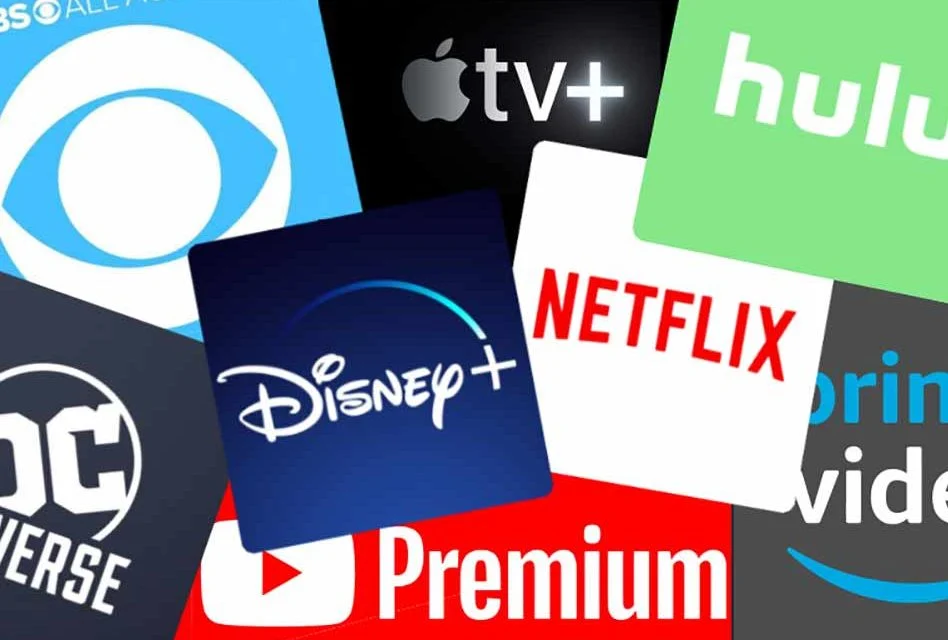
The primary fact driving this transition is the collapse of the traditional cable bundle. For decades, linear television relied on a "must-have" package system, where consumers paid for hundreds of channels to access the few they actually watched. Streaming promised an a-la-carte revolution, offering on-demand access to premium content at a fraction of the cost. However, the current reality is defined by the "re-bundling" phenomenon, where the aggregate cost of multiple individual streaming subscriptions often rivals or exceeds the price of the legacy cable bills they were intended to replace.
Chronology: A Decade of Disruption
2014–2017: The Golden Age of Convenience
In the mid-2010s, streaming was defined by convenience and value. Netflix, Hulu, and Amazon Prime Video were the dominant players, providing expansive libraries for flat, affordable monthly fees. During this period, the "cord-cutting" movement gained mainstream momentum. Consumers were delighted by the lack of long-term contracts and the ability to "binge-watch" entire seasons, a behavior that fundamentally altered the cadence of cultural discourse.
2018–2021: The Streaming Wars
As the potential for massive profitability became clear, traditional media giants—including Disney, WarnerMedia (now Warner Bros. Discovery), and NBCUniversal—pulled their content from third-party platforms to launch their own proprietary services. This period, dubbed "The Streaming Wars," saw an explosion of platforms. While this increased competition and content production, it also signaled the end of the "all-in-one" library model.
2022–2024: The Era of Subscription Fatigue and Profitability
By 2023, the industry reached a plateau. High interest rates, increased content costs, and market saturation forced companies to pivot from "growth at all costs" to "profitable streaming." We witnessed the introduction of ad-supported tiers, password-sharing crackdowns, and a significant consolidation of content libraries as companies sought to reduce churn and increase Average Revenue Per User (ARPU).
Supporting Data: By the Numbers
The data surrounding the streaming economy reveals a clear trajectory toward market maturity. According to recent industry reports:
- Linear Decline: Cable penetration in the United States has plummeted from over 80% in 2014 to under 60% in 2024.
- The Cost of Content: Streaming platforms collectively spent over $120 billion on content in 2023, a staggering increase from the $30 billion spent in 2015.
- Churn Rates: The industry average churn rate—the percentage of subscribers who cancel their service—has climbed to nearly 6% per month. This indicates that consumers are increasingly treating streaming services as "rental" commodities, subscribing only long enough to watch a specific show before canceling.
- Ad-Supported Growth: Approximately 40% of new streaming sign-ups now select ad-supported tiers, signaling a full-circle return to the television models of the 20th century.
Official Responses and Corporate Strategy
The response from industry leaders has been a mix of defensiveness and rapid adaptation. In earnings calls throughout 2023 and 2024, executives from Disney+, Paramount+, and Warner Bros. Discovery have emphasized "operational efficiency."

The industry narrative has shifted from "total subscribers" to "sustainable profitability." Bob Iger of Disney has been particularly vocal about the need to rationalize spending, resulting in the removal of underperforming titles from platforms to reduce tax burdens and licensing costs. Meanwhile, competitors are exploring "bundling" partnerships—pairing services like Apple TV+ with other utilities or mobile carriers—to mimic the very cable packages that consumers once rejected.
Implications: The Third Degree
The current state of media brings us to the "third degree": a moment of critical interrogation regarding where we go from here.
The Return of the Bundle
Ironically, the industry is circling back to the bundle. By partnering to offer discounted packages (e.g., the Disney+/Hulu/Max bundle), companies are acknowledging that the fragmented market is unsustainable for the average household. The question remains whether these new digital bundles will repeat the mistakes of cable, or if they will offer the flexibility that defined the early days of streaming.
The Erosion of Ownership
One of the most alarming implications of the streaming era is the loss of physical and digital ownership. When content is "licensed" to a platform, it can disappear at any moment due to rights disputes or tax write-offs. This has created a precarious environment for consumers who previously relied on home media libraries. The digital age has arguably made our media access less permanent than it was in the era of DVD and Blu-ray.

Algorithmic Homogenization
The pressure to retain subscribers has led to a reliance on algorithmic content creation. Platforms now use vast amounts of viewer data to determine what to greenlight, often prioritizing "safe," high-engagement content over creative experimentation. This risks creating a landscape of "content slop"—shows that are designed to be watched in the background rather than engaged with deeply.
Conclusion: Looking Ahead
The streaming landscape is not "broken," but it is certainly suffering from the growing pains of adolescence. We have moved from a chaotic, wild-west phase into a rigid, corporate-driven phase that feels increasingly like the cable television system of the past.
The next decade will likely be defined by "aggregation." We will see fewer, larger platforms that host a wider variety of content, and the distinction between linear and digital will continue to blur until it disappears entirely. For the consumer, the goal remains the same: finding value in an ecosystem that is constantly trying to extract more for less.
As we look toward the future, the primary challenge for these services will be balancing their need for profitability with the audience’s need for quality and simplicity. If the industry continues to push prices up while fragmenting content further, we may see a resurgence of alternative consumption methods—or perhaps a collective shift toward the "digital minimalism" movement.

Agree or disagree? Is the current streaming model a necessary evolution, or have we lost the best parts of the digital revolution? The debate continues in the comments below. We invite you to share your experiences—have you returned to cable, or are you holding out for the next wave of platform innovation?