







As the digital landscape evolves at breakneck speed, the divide between those who spend hours on manual, repetitive tasks and those who leverage artificial intelligence to reclaim their time is widening. This week’s dispatch focuses on the synthesis of AI-driven automation, the rapid evolution of landing page development, and critical updates from tech giants Google and OpenAI.
For the modern marketer and entrepreneur, the objective is no longer just "using" AI; it is about building a cohesive, automated ecosystem that allows for scale without the traditional overhead of massive teams or technical debt.
The Core Mechanics of Automation: Triggers and Actions
At the heart of the "AI revolution" for small-to-medium businesses lies a deceptively simple concept: the "if-this-then-that" (IFTTT) framework. Whether you are managing lead flow from a website form, organizing email attachments, or syncing calendar invites, automation tools act as the digital connective tissue of your business.
Understanding the Workflow
Modern automation platforms like Make, n8n, and Google Workspace Studio serve as orchestrators. While their interfaces vary—ranging from intuitive, drag-and-drop visual canvases to code-heavy, self-hosted environments—they all rely on the same fundamental logic:
- The Trigger: An event that initiates the workflow (e.g., a new row added to a spreadsheet, a new email received, or a specific time on the clock).
- The Action: The subsequent task performed by the software (e.g., sending an auto-reply, posting a message to Slack, or updating a database).
For those just starting, the recommendation is to begin with native integrations. If your organization operates within the Google Workspace ecosystem, Google Workspace Studio is the logical first step; it is likely already integrated into your existing subscription. For users requiring cross-platform versatility, Make offers a user-friendly, visual interface that bridges the gap between thousands of disparate applications. For the power user or the developer who prioritizes data sovereignty and customization, n8n provides a robust, self-hosted solution that grants unparalleled control over your automation logic.
The ultimate goal of these systems is to move beyond simple task execution and into "cognitive automation," where AI models evaluate incoming data and make autonomous decisions on how to process it.

Landing Pages: Bridging the Gap Between Productivity and Growth
A common frustration among AI-adopters is the lack of measurable business growth despite high output. Often, the bottleneck is not the volume of content produced, but the speed at which that content is converted into a live, customer-facing landing page.
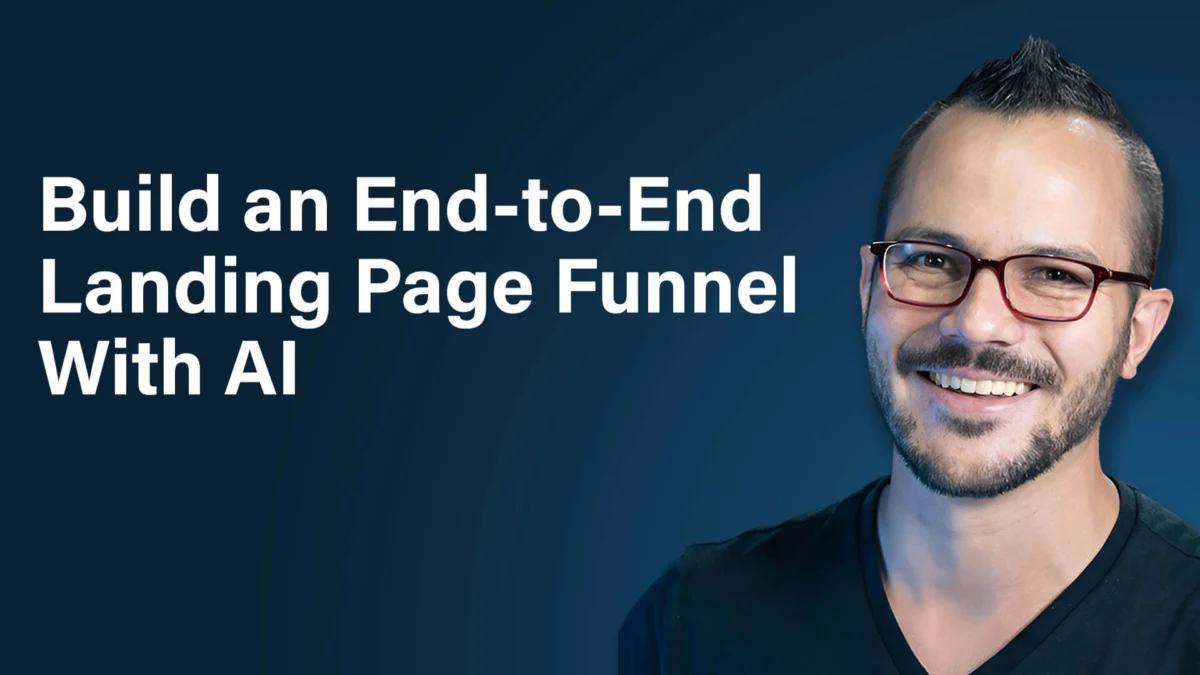
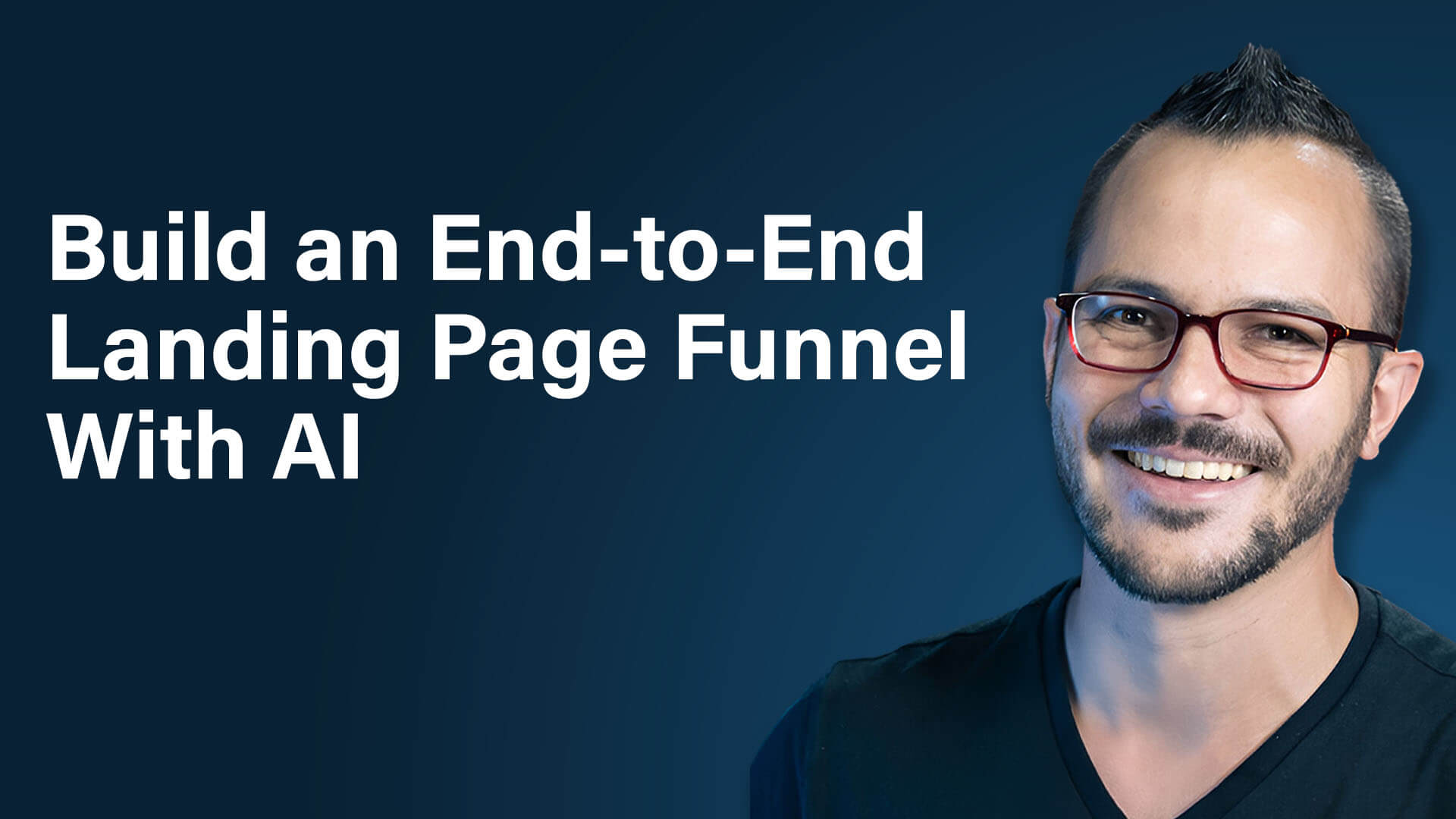
Dan Sanchez, an AI strategist and host of the AI Driven Marketer podcast, argues that the transition from "plan" to "published" is where most marketers fail. He advocates for a systematic approach to landing page architecture.
The "Plan First" Methodology
Sanchez emphasizes that the most effective way to use AI is not to jump straight into a prompt for code, but to start with a comprehensive "Scope of Work" (SOW) in a chat window. By defining the page’s objectives, target audience, and value proposition in a text-based planning phase, you ensure that the subsequent design and copy generation are aligned with your business goals.
Key elements of his landing page framework include:
- Unified Design and Copy: AI models can be prompted to tackle the copy and the visual layout simultaneously, ensuring that the tone of voice matches the aesthetic hierarchy.
- Framework Stacking: Using established copywriting frameworks (such as PAS—Problem, Agitation, Solution) within your AI prompts ensures that your landing page remains persuasive rather than just descriptive.
- Delegation Strategies: By utilizing "Custom Skills," advanced AI models can delegate routine, low-level tasks (like basic HTML formatting or image tagging) to smaller, more cost-effective models, saving both time and budget.
- The Human Verification Gate: Despite the speed of AI, a human-led "final mile" review is non-negotiable. Testing the full user experience, from form submission to lead routing, remains a vital safeguard against technical errors that could cost a business a conversion.
Industry News: Google and OpenAI Updates
Google Gemini: The Small Business Suite
Google has officially expanded the capabilities of Gemini, focusing specifically on the needs of small-to-medium enterprises (SMEs). The update introduces a centralized business hub that integrates branding tools, financial analytics, and workflow automation.
The most significant addition is the enhanced image generation tool, which allows businesses to create consistent, brand-aligned visual assets. This is a game-changer for entrepreneurs who previously struggled to maintain a unified visual identity across social channels and ad campaigns. Additionally, the new financial insight tools allow businesses to ingest raw transaction records and convert them into interactive, actionable charts, effectively lowering the barrier to data-driven decision-making.
OpenAI: Introducing "Locked Chats"
On October 20, OpenAI began rolling out a critical security feature: Locked Chats. This update allows users to protect individual conversations within ChatGPT using a PIN or biometric authentication (such as FaceID or fingerprint scanning).
Key implications of this feature include:
- Privacy Segmentation: Protected conversations are isolated from the standard chat history.
- Memory Isolation: These chats maintain their own unique "Memory," ensuring that sensitive data used in a secure context does not leak into the model’s general learning or memory for everyday queries.
- User Security: While this does not alter the underlying encryption or data retention policies of OpenAI, it provides a necessary layer of protection against unauthorized physical access to a device.
The Path Forward: Why Community Matters
As we navigate the complexities of AI adoption, it becomes clear that technical tutorials provide only part of the solution. The most transformative insights often come from peer-to-peer sharing—the "this is how I actually do it" conversations that occur in professional forums and conferences.
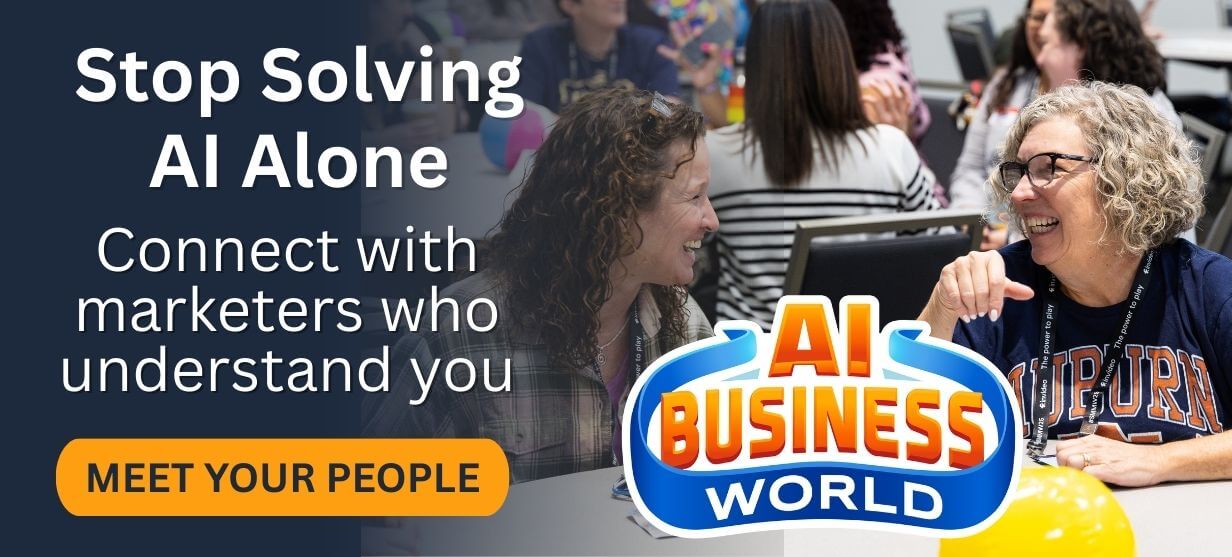
The AI Business World event in Anaheim stands as a testament to this philosophy. By fostering an environment where industry experts teach their practical, real-world workflows rather than focusing on sales pitches, the event highlights the shift toward collaborative learning.
Implementation Takeaways
For those looking to synthesize these insights into action, follow this roadmap:
- Audit Your Manual Tasks: Identify the three most repetitive tasks you perform each week.
- Map the Logic: Define the trigger and the desired action for each.
- Deploy Low-Code: Start with an automation tool that matches your current tech stack (e.g., Workspace Studio for Google users).
- Standardize Your Landing Pages: Use the "Scope of Work" planning method to streamline your next campaign.
- Secure Your Data: Enable Locked Chats in your ChatGPT interface to protect your proprietary business discussions.
As we look toward the future of work, the winners will be those who treat AI not as a magic wand, but as a systematic tool for leverage. The technology is already here; the competitive advantage now lies in how you integrate it into the fabric of your daily operations.

About the Author: Michael Stelzner is the founder of Social Media Examiner and Social Media Marketing World. He hosts the Social Media Marketing Podcast and AI Explored, and remains a leading voice in the intersection of digital marketing and artificial intelligence.
Are you ready to stay ahead of the curve?
Get our latest articles delivered to your email inbox and receive our exclusive, 44-page Social Media Marketing Industry Report—complete with 50+ charts and data-backed insights.