











In a development that has sent ripples of frustration through urban consumer circles, the price of a 330ml can of Diet Coke has effectively decoupled from its printed Maximum Retail Price (MRP) in several major Indian markets. While the cans clearly display a price tag of ₹50, neighbourhood retailers and independent bottlers in metropolitan hubs—including Delhi-NCR, Mumbai, Bengaluru, and Goa—are increasingly charging consumers as much as ₹70 per unit. This 40% premium over the stated MRP highlights a deepening crisis in the beverage supply chain, driven by volatile commodity costs and a complex network of independent distribution.
The Anatomy of the Price Hike: Supply Chain Pressures
The primary catalyst for this retail-level inflation is the unprecedented surge in the cost of aluminium. Aluminium remains the backbone of the global beverage packaging industry, but the sector has been battered by a "perfect storm" of geopolitical instability.
Market analysts point to the ongoing conflicts in West Asia, which have disrupted global logistics and supply chains, leading to a 30% year-on-year increase in the price of can-grade aluminium. For independent bottlers, these costs are no longer absorbable. When the raw material costs for the packaging itself escalate this sharply, the profit margins for bottlers, which are already slim in the high-volume soft drink industry, face immediate erasure.
"The increase in prices of aluminium cans is unsustainable," an independent bottler for Coca-Cola noted in a recent industry interaction. This sentiment reflects a broader reality: independent bottlers operate on thin margins, and when the cost of the physical vessel—the can—rises, the business model necessitates a price adjustment. Because the Coca-Cola company itself has not updated the MRP on the existing inventory of cans, the "price correction" is being handled at the retail and distribution level, often bypassing the official corporate pricing structure.
Chronology: A Rapid Evolution of the Diet Coke Market
To understand how we arrived at this ₹70 price point, it is necessary to look back at the strategic pivots made by the beverage giant over the last several months.
- July 2024: Coca-Cola made a significant packaging adjustment, transitioning from the traditional 300ml cans (which retailed at ₹40) to larger 330ml cans priced at ₹50. At the time, this was positioned as a consumer-friendly move to provide more value for money.
- Late Q3 2024: As geopolitical tensions persisted, the cost of aluminium continued to climb. Concurrently, consumer demand for sugar-free beverages in India saw a dramatic uptick. Industry reports indicate that demand for the zero-calorie drink has effectively doubled over the last year, fueled by a growing health-conscious demographic in urban centers.
- Q4 2024 (Present): The supply crunch intensified. Bottlers, unable to recoup the higher cost of production within the rigid ₹50 MRP constraint, began enforcing "market-driven" pricing. Consumers began noticing that while quick-commerce apps like Blinkit and Zepto largely maintained the ₹50 price point due to centralized inventory controls, local convenience stores and supermarkets began tagging the product at ₹70.
Supporting Data: The Disconnect Between Print and Point-of-Sale
The discrepancy between the MRP printed on the can and the price paid at the register has created a "shadow market" for one of the world’s most recognizable consumer goods.
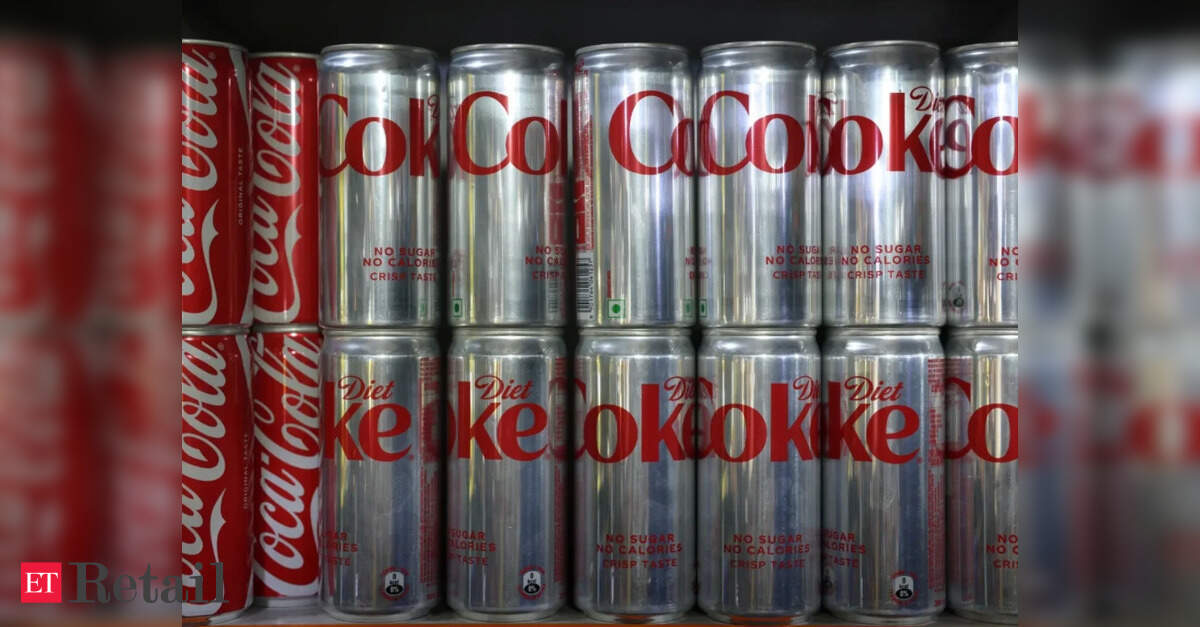
Social media platforms, particularly Instagram and X (formerly Twitter), have become conduits for consumer complaints. Users in major metros have shared images of receipts and shelf tags showing the inflated price, expressing confusion over why a product with "₹50" printed on it is being sold for nearly 50% more.
Industry experts note that this is a classic case of demand-supply mismatch. When demand for a product doubles, but the supply of the necessary packaging material (aluminium) is constrained, the equilibrium price naturally shifts upward. However, in the formal retail sector, this shift is usually reflected in an official price increase. Here, because the inventory is already in circulation with the old MRP, the price hike is occurring in an informal, decentralized manner.
Official Responses and Regulatory Stance
The Coca-Cola Company has maintained a firm stance, emphasizing its adherence to legal frameworks regarding retail pricing. In an official email statement, a spokesperson for Coca-Cola stated: "In line with Indian regulations, our recommendation to all trade partners is to charge the MRP printed on the pack."
The company further elaborated that Diet Coke is currently available at multiple price points across different markets, designed to meet varying consumer needs and occasions. However, the spokesperson acknowledged the limits of corporate influence over independent actors, noting that the pricing decisions being made by individual bottlers and retailers are, in many instances, beyond the direct control of the parent company.
This response highlights the complex, three-tiered structure of the beverage industry: the parent company (Coca-Cola), the independent bottlers (who manage production and regional distribution), and the neighbourhood retailers (who manage the final point of sale). When these three tiers have misaligned incentives, the consumer is often the one left navigating the price volatility.
Implications for the Indian Beverage Market
The situation presents several long-term implications for the Indian retail landscape:

1. Erosion of Consumer Trust
Consistent overpricing—selling a product above its printed MRP—is a violation of consumer rights in India. While retailers argue that they are simply passing on the cost of doing business, the practice risks eroding brand loyalty. If consumers feel that the "official" price is a lie, they may turn to cheaper, private-label alternatives or switch to other categories of beverages.
2. The Rise of Quick Commerce as a Price Benchmark
The fact that quick-commerce platforms are still selling at ₹50 suggests that they are either absorbing the cost to gain market share or have better supply-chain insulation than local retailers. This reinforces the dominance of platforms like Blinkit, Zepto, and Swiggy Instamart, potentially pushing traditional "kirana" stores to the margins if they cannot compete on price.
3. Sustainability of the "Zero-Calorie" Boom
The doubling of demand for Diet Coke proves that the Indian consumer is shifting away from sugar. However, if the price point for these healthier alternatives becomes volatile and prohibitively high, the momentum of this health-conscious shift could slow. Coca-Cola will likely need to revisit its packaging costs or introduce alternative, more cost-effective materials (such as PET bottles) to stabilize the price for the mass market.
4. Pressure on Independent Bottlers
The bottlers are caught in a vise. If they continue to sell at the old MRP, they face losses; if they hike prices, they face consumer backlash and potential regulatory scrutiny for violating MRP guidelines. The long-term solution likely involves a formal, authorized price hike by the parent company, which would allow the entire supply chain to recalibrate under a new, transparent MRP.
Conclusion: A Market in Transition
The "₹70 Diet Coke" phenomenon is more than just a pricing dispute; it is a symptom of a globalized supply chain struggling to cope with regional geopolitical shocks. As the Indian beverage industry continues to expand, the friction between rigid MRP regulations and the fluid reality of commodity prices will likely continue.
For now, consumers are advised to check the MRP before making a purchase and to utilize digital marketplaces where price transparency remains, for the time being, more consistent. Whether Coca-Cola will move to increase the official MRP to reflect these new economic realities, or whether they will find ways to mitigate the aluminium cost through supply chain innovation, remains to be seen. In the interim, the Indian consumer finds themselves in a tug-of-war between the convenience of a cold drink and the rising cost of the can that holds it.



