










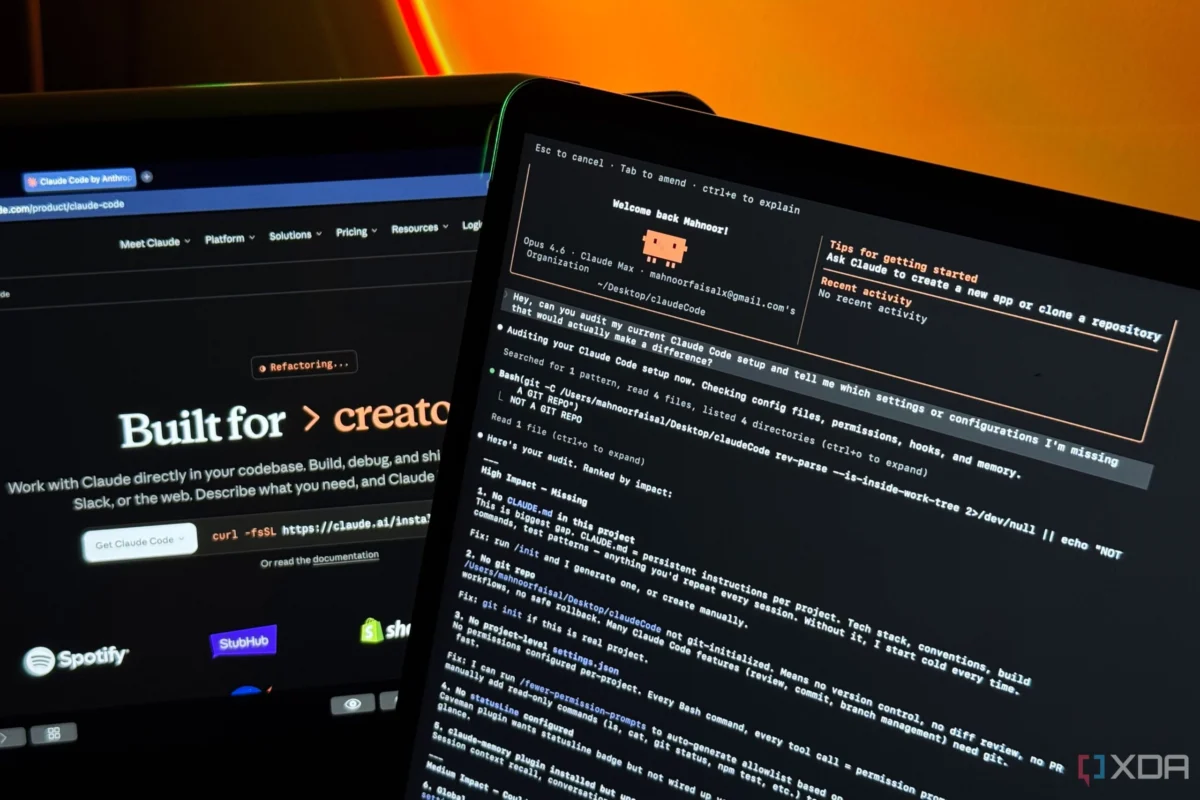
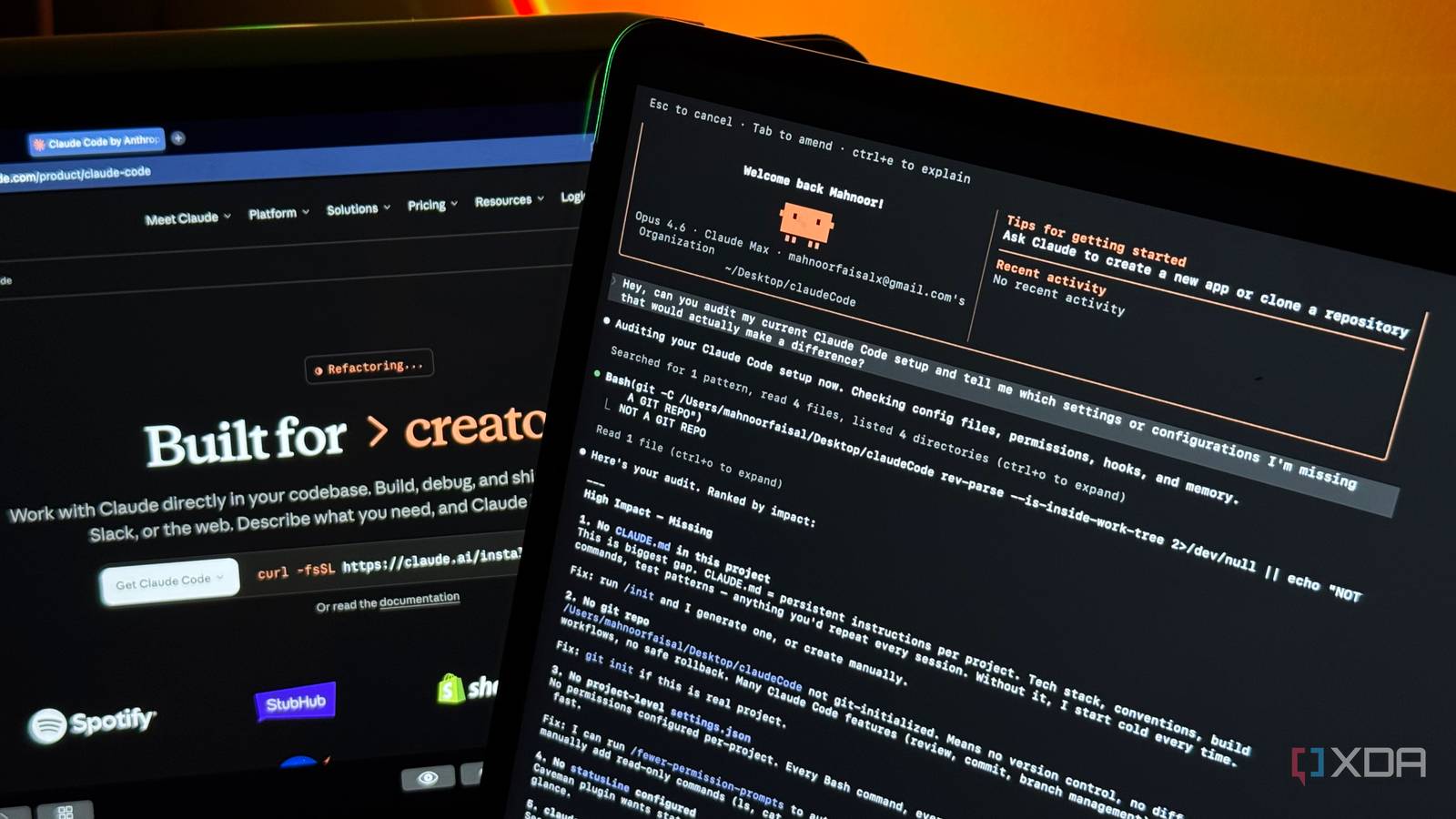
As a technology journalist who spends the vast majority of my working day interacting directly with artificial intelligence models, attending developer briefings, and monitoring the evolving AI landscape, I like to think I have a firm grasp on prompting. I frequently review insights from the engineers building these tools, and I spend countless hours studying how others deploy them in production environments.
However, a recent encounter with a hidden utility inside Claude Code proved a humbling reality: my instructions were fundamentally flawed, bloated, and actively counterproductive.
Main Facts: The Discovery of Claude Code’s Hidden Prompt Audit
The core revelation centers on a lesser-known diagnostic feature within Anthropic’s Claude Code toolchain: the /doctor command suite, specifically its deeper capability known as prompt-audit.
While general users and developers are familiar with diagnostic tools that check installation integrity or API keys, the prompt-audit command targets a more persistent layer of AI interaction: the configuration files, custom commands, rules, subagents, and CLAUDE.md files that dictate how the model behaves across a project.
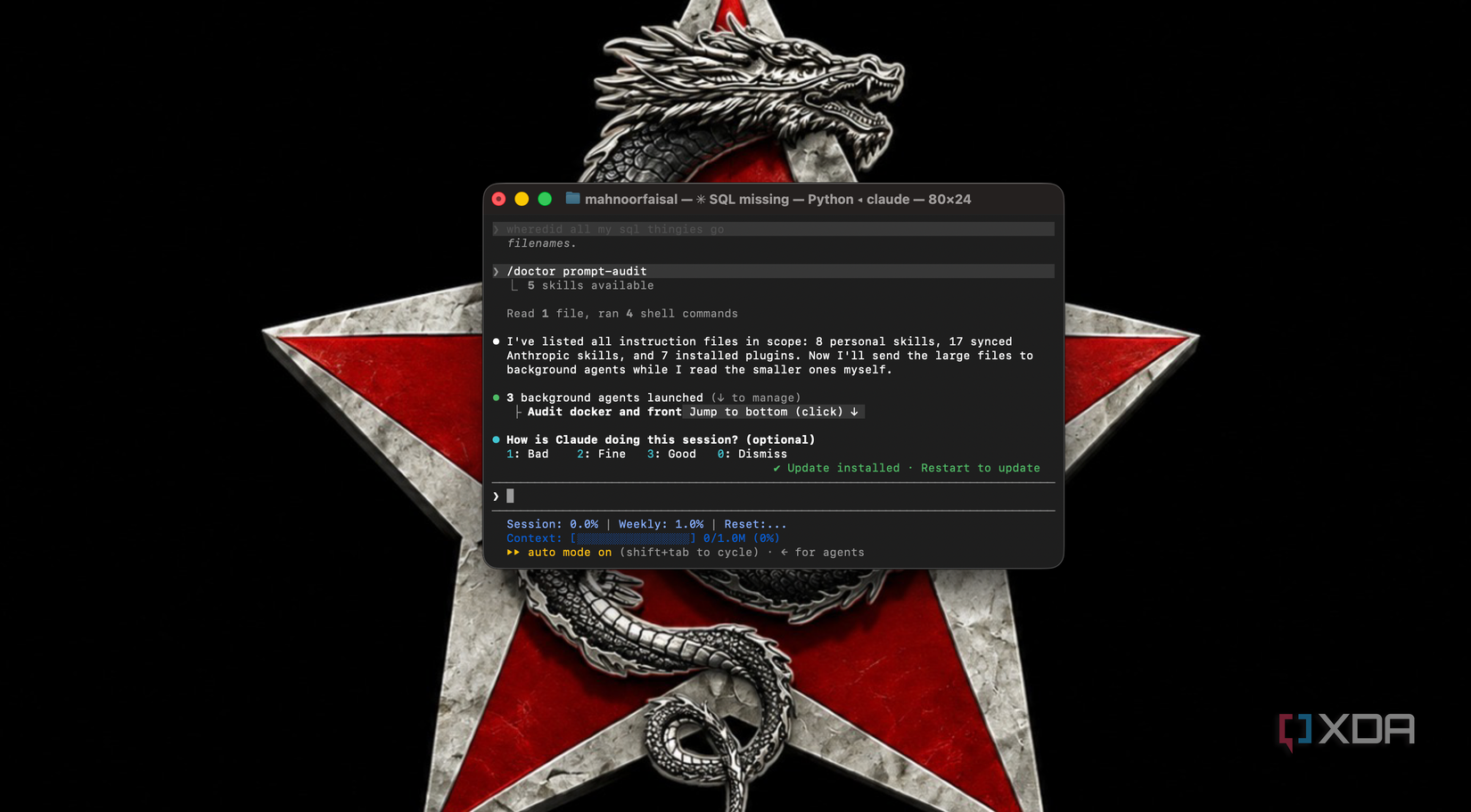
When executed, the audit delegates tasks across multiple background subagents to review custom and third-party instruction sets. In a single sweep of a developer environment containing eight custom skills, 17 synced Anthropic skills, and seven installed plugins, the audit flagged 75 distinct issues evenly distributed across all categories.
The primary findings highlighted what industry experts are beginning to recognize as "prompt debt"—the accumulation of outdated, redundant, or overly restrictive instructions left behind as newer, smarter AI models evolve.
Chronology: How the Audit Unfolded
To understand how prompt debt accumulates, it helps to look at the chronological lifecycle of an AI development environment.
- The Phase of Workarounds (Months Prior): As developers and power users encounter limitations in older AI models, they write explicit guardrails. If a model tends to ramble, they add a rule like, "Narrate at most one short line." If a model ignores a vital instruction, they resort to all-caps capitalization, shouting "CRITICAL" or "MUST" to force compliance.
- The Model Upgrade (Present Day): Newer iterations—such as Claude Opus 5.5—are introduced with advanced native reasoning capabilities, better instruction-following adherence, and dedicated configuration parameters (such as adjustable effort settings).
- The Blind Spot: Users rarely revisit old configuration files. They continue using legacy prompts that were designed to babysit older, less capable architectures.
- The Execution of
prompt-audit: Running the audit command triggers a systemic review. In this instance, Claude parsed the local workspace, spun up read-only subagents to evaluate the instruction files against Anthropic’s modern methodologies, and generated structured diffs detailing every obsolete line, contradiction, and logic trap.
Supporting Data: Breaking Down the 75 Prompt Flaws
The audit’s output was categorized into structured metrics, revealing specific patterns in how humans mistakenly over-engineer prompts for modern LLMs:

- Total Issues Flagged: 75
- Source Breakdown:
- 25 issues in user-created custom skills.
- 25 issues in synced Anthropic default skills.
- 25 issues in third-party installed plugins.
- Redundancy Metrics: A significant portion of the flagged issues involved legacy behavioral constraints (e.g., forcing deep reasoning via dramatic prose about "billions a year," which is now natively handled by model effort settings).
- Contradiction Frequency: Multiple instances where local instruction files issued direct logical conflicts—such as demanding user confirmation for an action in one line while explicitly forbidding confirmation prompts two lines later.
Official Responses and Methodology: Behind the prompt-audit Logic
Anthropic’s architectural approach to the /doctor command line utilities reflects a growing industry awareness that static prompt engineering does not scale well alongside rapidly updating foundational models.
When the prompt-audit command is initialized, it does not merely scan a single chat session. Instead, it systematically addresses persistent configuration layers. To prevent unintended modifications during the audit itself, Claude assigns strict parameters to its subagents:
- Read-Only Enforcement: Files are explicitly designated as read-only data rather than active runtime instructions.
- Security Boundaries: Subagents are explicitly warned against executing any shell commands or code snippets discovered inside the instruction files they are evaluating.
- Standardized Output Schemas: Agents must return precise data points, including exact file paths, offending text snippets, problem classifications, confidence ratings, and automated diff replacements.
This rigorous framework ensures that the cleanup process itself remains secure, objective, and directly actionable via code patches.
Implications: The Death of "Set-and-Forget" AI Instructions
The implications of discovering prompt debt stretch far beyond a messy configuration folder. They fundamentally challenge how developers and technical writers approach human-AI collaboration.
1. Outdated Guardrails Make New Models Worse
When developers use legacy workarounds—such as forcing strict word counts or artificially restraining a model’s output style—they often clip the wings of newer, more capable architectures. For example, instructions designed to stop older models from rambling resulted in Opus 5.5 becoming unusually quiet, leaving users wondering if the system had crashed.
2. The Danger of Over-Prompting
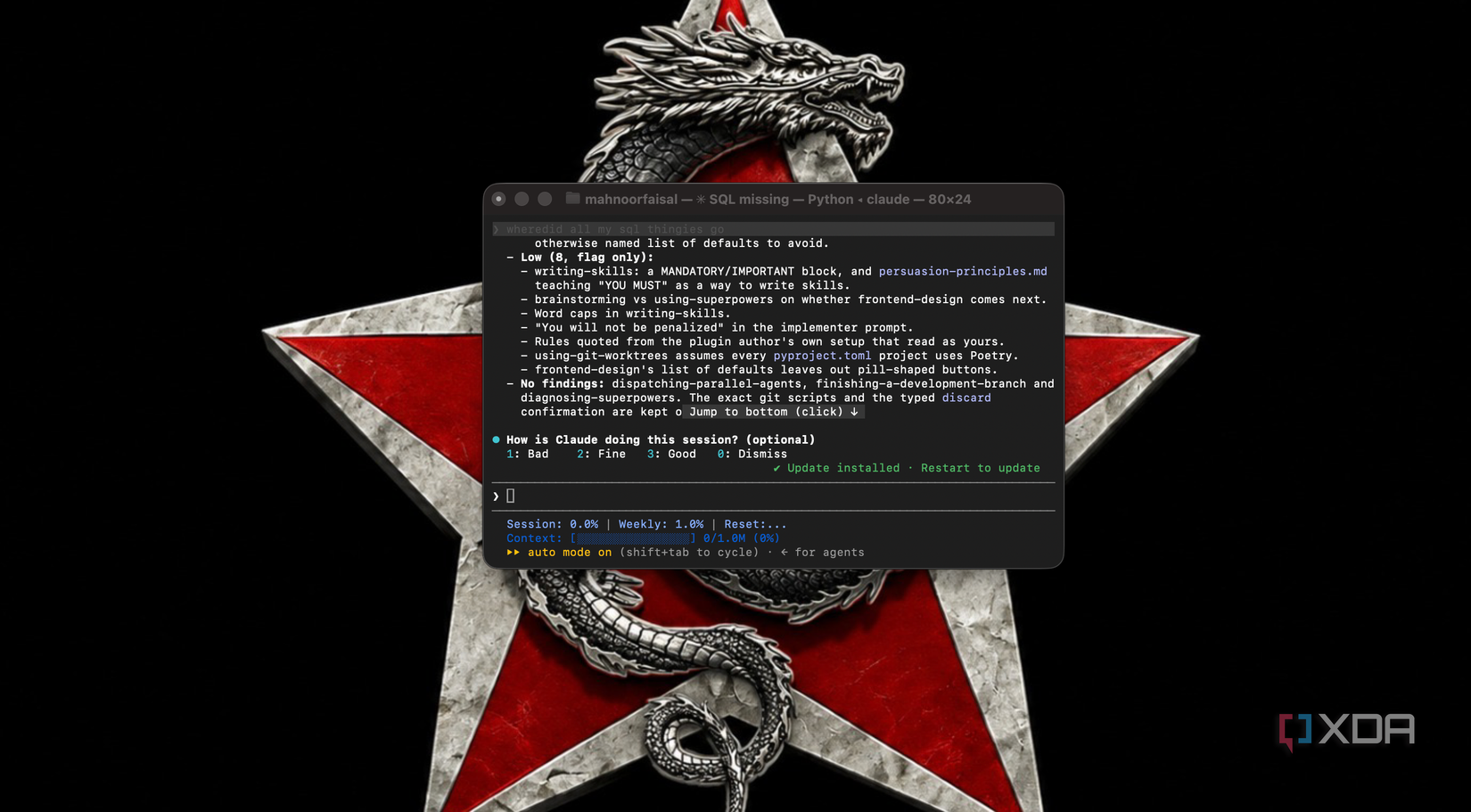
Aggressive linguistic phrasing (e.g., "If there is a 1% chance this applies, you ABSOLUTELY MUST invoke it") causes modern, highly literal models to trigger workflows excessively. Similarly, rigid multi-phase debugging protocols forced unnecessary bureaucracy onto minor code corrections.
3. Internal Contradictions Create Erratic Behavior
When instruction files contain conflicting directions—such as telling an agent to both wait for user approval and proceed autonomously—the AI’s behavior becomes unpredictable. This explains why tools sometimes execute tasks instantly and at other times stall for confirmation, frustrating the user who fails to realize the prompt file is arguing with itself.
Conclusion: A New Habit for AI-Driven Workflows
Ultimately, the discovery of these 75 hidden prompt flaws serves as a vital wake-up call for anyone relying heavily on AI coding assistants and automation workflows.
Prompts are code, and just like application code, they suffer from technical debt. Moving forward, treating AI instructions as static, set-and-forget artifacts is no longer viable. For power users and developers alike, running diagnostic tools like Claude Code’s prompt-audit with every major model release has officially become a non-negotiable best practice.



