










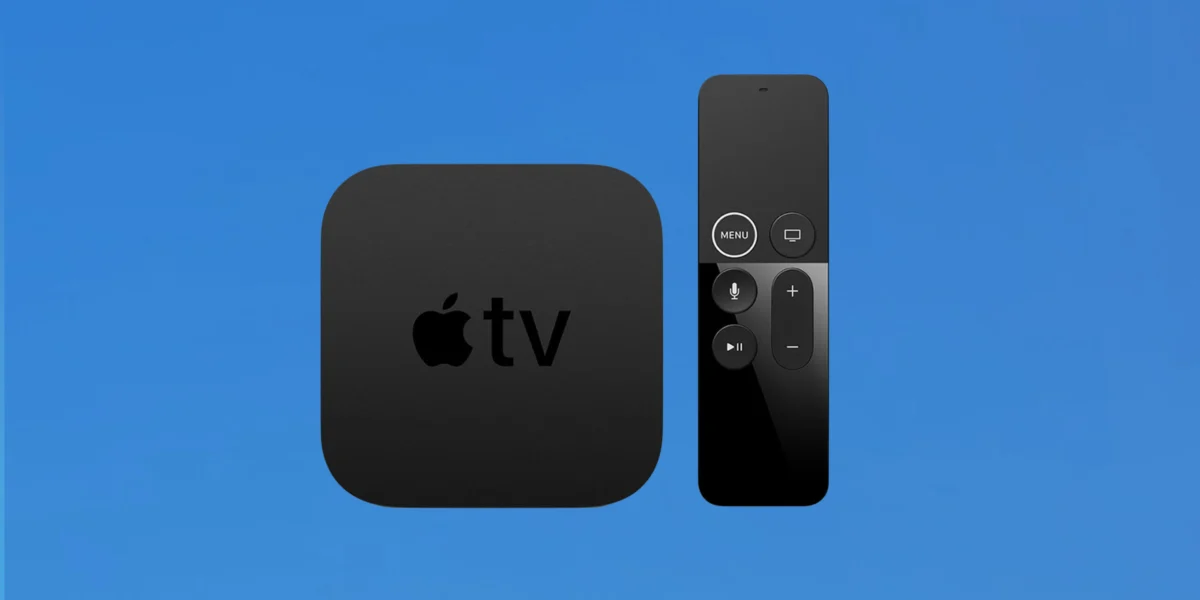
In a move that signals the natural progression of hardware lifecycles, Apple has officially designated the first-generation Apple TV 4K—originally released in 2017—as a "vintage" product. The update to Apple’s official support documentation, published on October 9, 2026, marks the end of an era for the device that brought high-dynamic-range (HDR) and Ultra HD resolution to the center of the Apple ecosystem.
This transition comes at a poignant moment, arriving just four days before Apple’s highly anticipated "Welcome Home" launch event, scheduled for Tuesday, October 13, 2026. During this event, industry analysts expect Apple to unveil the fourth-generation Apple TV 4K, an update that promises to push the boundaries of home entertainment hardware once again.
The Main Facts: Defining "Vintage"
For long-time Apple users, the "vintage" designation is more than a label; it carries practical implications. According to Apple’s internal policy, products are classified as vintage when more than five years but less than seven years have passed since the company stopped distributing the device for retail sale.
Once a device reaches this status, Apple stops guaranteeing the availability of hardware parts for repairs, though service providers may still be able to order components depending on regional inventory. After seven years, the device will move to "obsolete" status, at which point hardware service is discontinued entirely, with no exceptions. For the 2017 Apple TV 4K, this status update confirms that the hardware is effectively entering its final stage of supported life, shifting from a mainstream centerpiece to a legacy device.
A Chronology of Innovation: The 2017 Apple TV 4K
To understand the significance of this transition, one must look back at the state of the living room in 2017. At the time of its debut, the Apple TV 4K was a revolutionary step forward for the company.
The 2017 Breakthrough
Launched alongside the iPhone 8 and iPhone X, the 2017 Apple TV 4K was designed to bridge the gap between the burgeoning market of 4K televisions and the high-fidelity content library Apple was building. Powered by the A10X Fusion chip—a powerhouse at the time—it supported 4K resolution, HDR10, and Dolby Vision. It was the device that finally allowed Apple to compete head-to-head with dedicated streaming sticks and boxes from competitors like Roku and Amazon, which had held a firm grip on the 4K market for years.
The Iterative Journey
- 2017: Initial launch, setting the standard for 4K streaming performance.
- 2021: The second-generation model arrives, introducing the redesigned Siri Remote and a faster A12 Bionic chip, replacing the 2017 original as the flagship.
- 2022: The third-generation Apple TV 4K launches with the A15 Bionic chip and a more compact, fanless design, further pushing the 2017 model into the background of the lineup.
- 2026: The device officially reaches vintage status, coinciding with the rumors of a new, more powerful iteration.
Supporting Data: Why the Move Now?
The timing of this announcement is rarely coincidental in the world of Cupertino. By clearing the path for the fourth-generation model, Apple is effectively signaling that the software overhead required for current tvOS iterations is beginning to outpace the thermal and processing capabilities of the 2017 silicon.
Recent leaks have painted a clear picture of what the upcoming fourth-generation Apple TV 4K will bring to the table. According to reports from MacRumors contributor Aaron Perris, who uncovered official Apple image files in late September, the new device will maintain the familiar external aesthetic of its predecessors. However, the hardware under the hood is expected to be a significant leap.
Industry analysts suggest that the new model will feature an advanced chipset—likely a derivative of the A20 series—to support more complex home automation integration and potentially high-fidelity gaming capabilities. This leap in performance is necessary to handle the evolving requirements of the "Welcome Home" ecosystem, which emphasizes seamless connectivity between the Apple TV, HomePod, and the broader iPad mini line.
Official Responses and Service Implications
While Apple has not issued a formal press release regarding the specific retirement of the 2017 Apple TV 4K, the update to their support page is the standard procedure for managing hardware lifecycles.
For current owners, the transition to "vintage" does not mean the device will suddenly cease to function. The Apple TV 4K remains a highly capable streaming box for most users. However, owners should be aware of the following:
- Software Updates: While the device currently supports the latest versions of tvOS, it will eventually lose compatibility with future software updates.
- Repairs: If a power supply or internal component fails, authorized service providers may no longer be able to facilitate repairs.
- Third-Party Support: Most streaming applications (Netflix, Disney+, YouTube) will continue to function on the 2017 model for the foreseeable future, as the underlying architecture remains compatible with current coding standards.
Implications for the Future: The "Welcome Home" Era
The impending launch of the fourth-generation Apple TV 4K on October 13 is expected to be the centerpiece of a broader strategy. Leaks from late September have confirmed that alongside the new Apple TV, consumers can expect an updated iPad mini featuring the powerful A20 Pro chip, as well as new color variations for the HomePod mini.
The Home Hub Strategy
Apple’s strategy has shifted from treating the Apple TV as a mere streaming box to positioning it as the primary "Home Hub." As the center of the HomeKit and Matter-enabled smart home, the Apple TV must be capable of processing complex automation logic and handling local data to maintain privacy. The 2017 model, while impressive for its time, lacks the neural engine capacity and bandwidth required for these modern, AI-driven smart home tasks.
The Competitive Landscape
By refreshing the hardware, Apple is responding to a market that is increasingly demanding integrated experiences. With the A20 Pro expected in the new iPad mini and significant upgrades in the new Apple TV, Apple is effectively creating a walled garden that is faster, more responsive, and more secure than anything else on the market.
For the average consumer, the move to mark the 2017 Apple TV 4K as "vintage" serves as a gentle nudge to consider an upgrade. As the software ecosystem grows, the hardware must grow with it. The transition from the A10X Fusion chip to the next-generation architecture represents a decade of progress in home computing.
Conclusion: A Graceful Exit
The 2017 Apple TV 4K will be remembered as the device that proved Apple could dominate the living room. It survived for nearly a decade—a lifetime in consumer electronics—and remained relevant long after its original competitors were relegated to the junk drawer.
As the world looks toward the "Welcome Home" event on October 13, the retirement of this classic model is a reminder of the relentless pace of innovation. For those who still have the original 4K model connected to their television, it remains a testament to the longevity and build quality that defines the Apple brand. While its time as the flagship has passed, its legacy as the device that brought 4K into the mainstream home will remain firmly intact.
Users interested in upgrading should keep a close eye on the October 13 event, where full specifications, pricing, and regional availability for the fourth-generation Apple TV 4K will be disclosed. As one chapter closes, another begins, promising a future of faster streaming, deeper integration, and a more intelligent home experience.



