







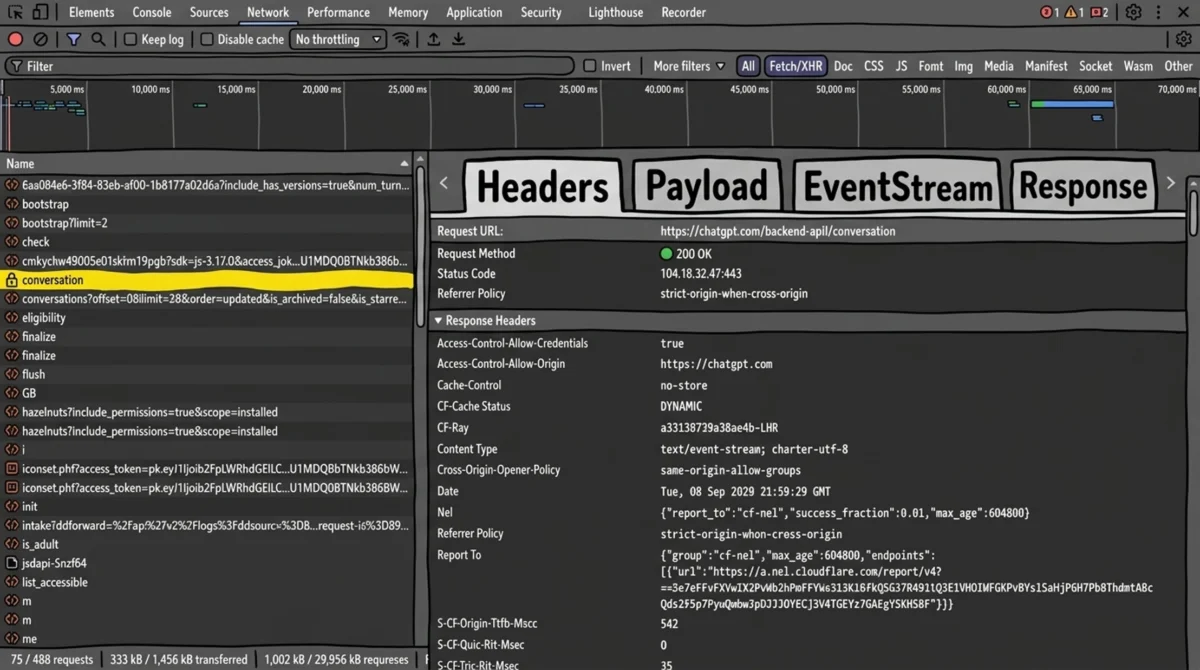
In the quiet hum of modern digital marketing, a vast, unacknowledged conversation happens millions of times a day. Every time a user enters a query into Google or prompts ChatGPT, their browser engages in an intricate, surprisingly candid dialogue with a collection of backend services. This exchange sits in plain sight, accessible to anyone brave enough to press F12 and open the Network tab in Chrome DevTools. Yet, the vast majority of search engine optimization (SEO) professionals and digital strategists never look past the user interface.
For Mark Williams-Cook, director and co-founder of AlsoAsked, staring into this network abyss is more than a technical pastime—it is a competitive playground. By analyzing the raw, unvarnished data packets shuttling back and forth between browsers and servers, Williams-Cook and a growing cadre of reverse-engineering SEOs have uncovered major search engine vulnerabilities, built high-performance machine learning classifiers, and decoded the hidden mechanics of generative AI search mechanics long before official documentation ever acknowledged them.

Main Facts: The Hidden Engine Room of Search
The fundamental premise of network-data analysis is straightforward: what appears to the end user as a monolithic, unified search engine or AI chat application is actually a sprawling ecosystem of microservices talking to one another.
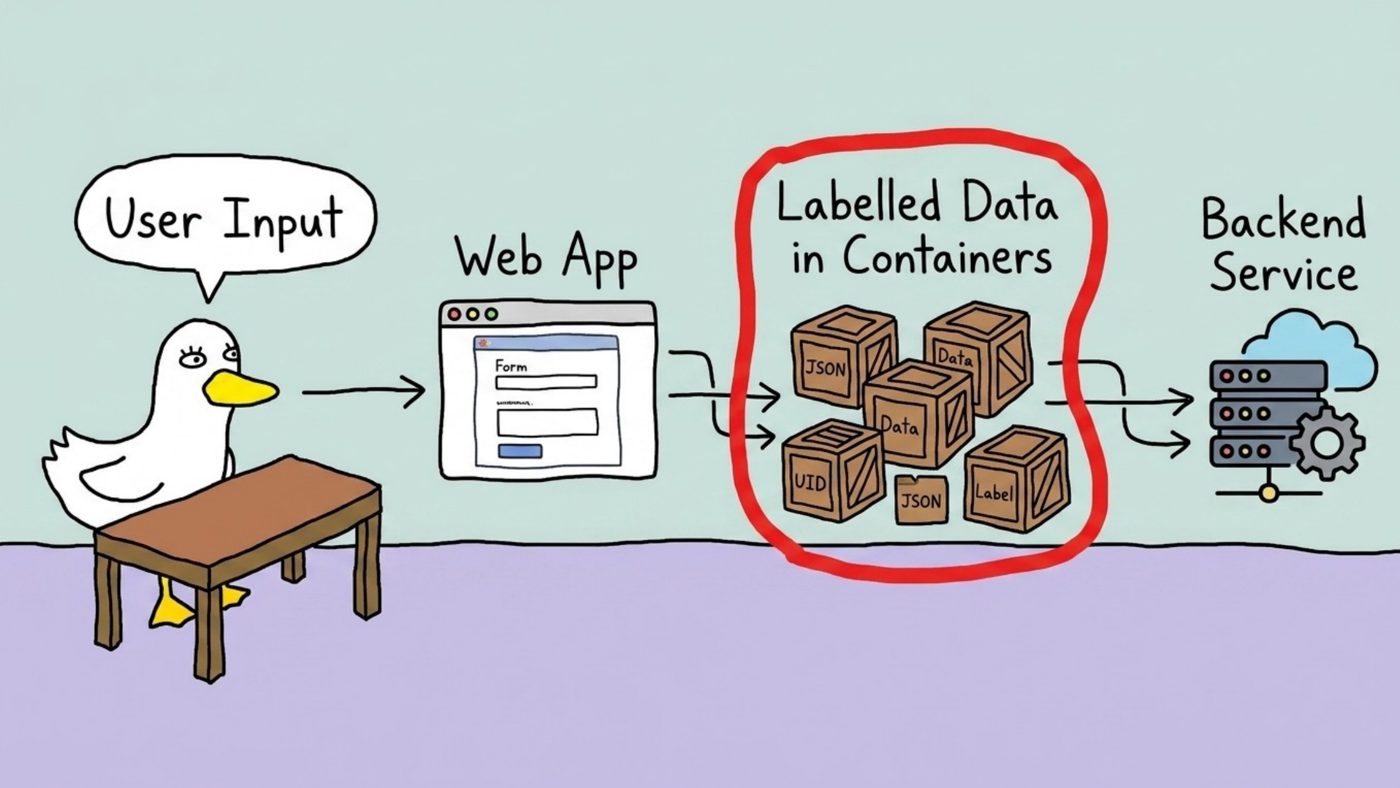
When a user submits a query, front-end systems—such as Google’s "Superroot" or ChatGPT’s orchestrators—must aggregate scores, contextual classifications, and signals generated across the tech stack. In many cases, these internal metrics travel directly through the user’s browser. Crucially, developers sometimes leave internal labels attached.
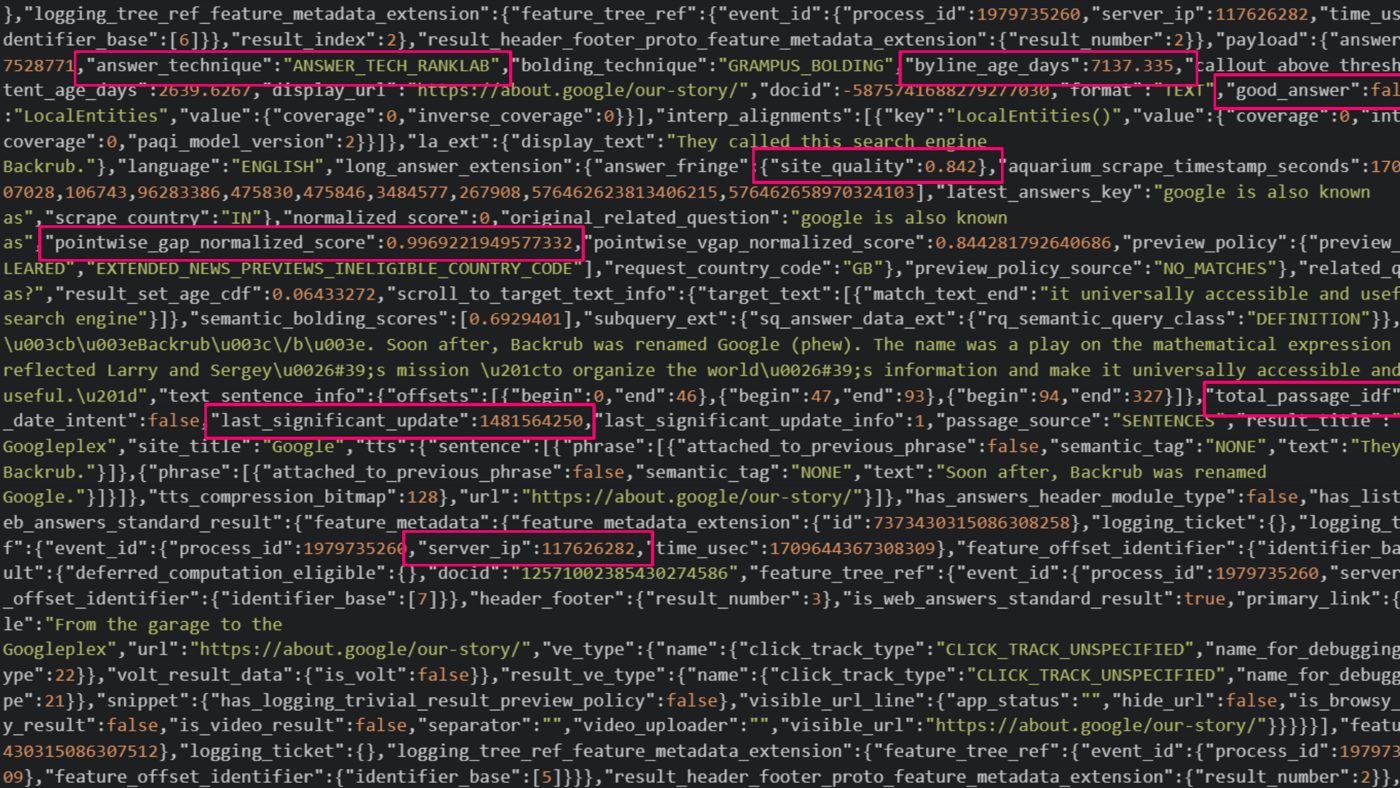
By intercepting these payloads, digital marketers can bypass traditional keyword research and observe the internal state of search algorithms. This method has yielded concrete discoveries:
- The Google Search Exploit: The identification of an undocumented query parameter (
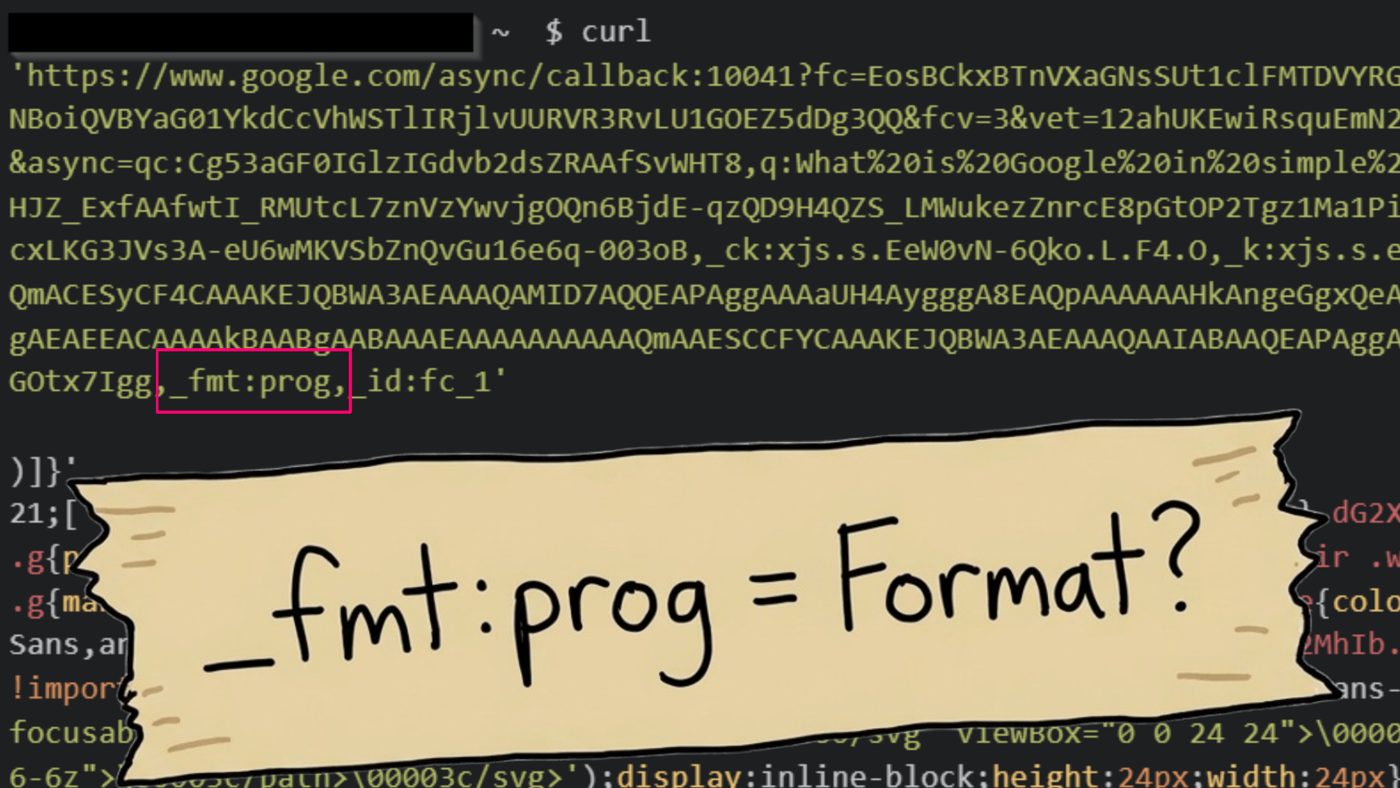
_fmt:prog) that caused Google’s servers to return structured raw metadata, including internal site quality scores, inverse document frequency metrics, and document age indices. This earned Williams-Cook a $13,337 bug bounty from the Google Vulnerability Reward Program. - ChatGPT’s Source Sets: The discovery of internal classification fields (
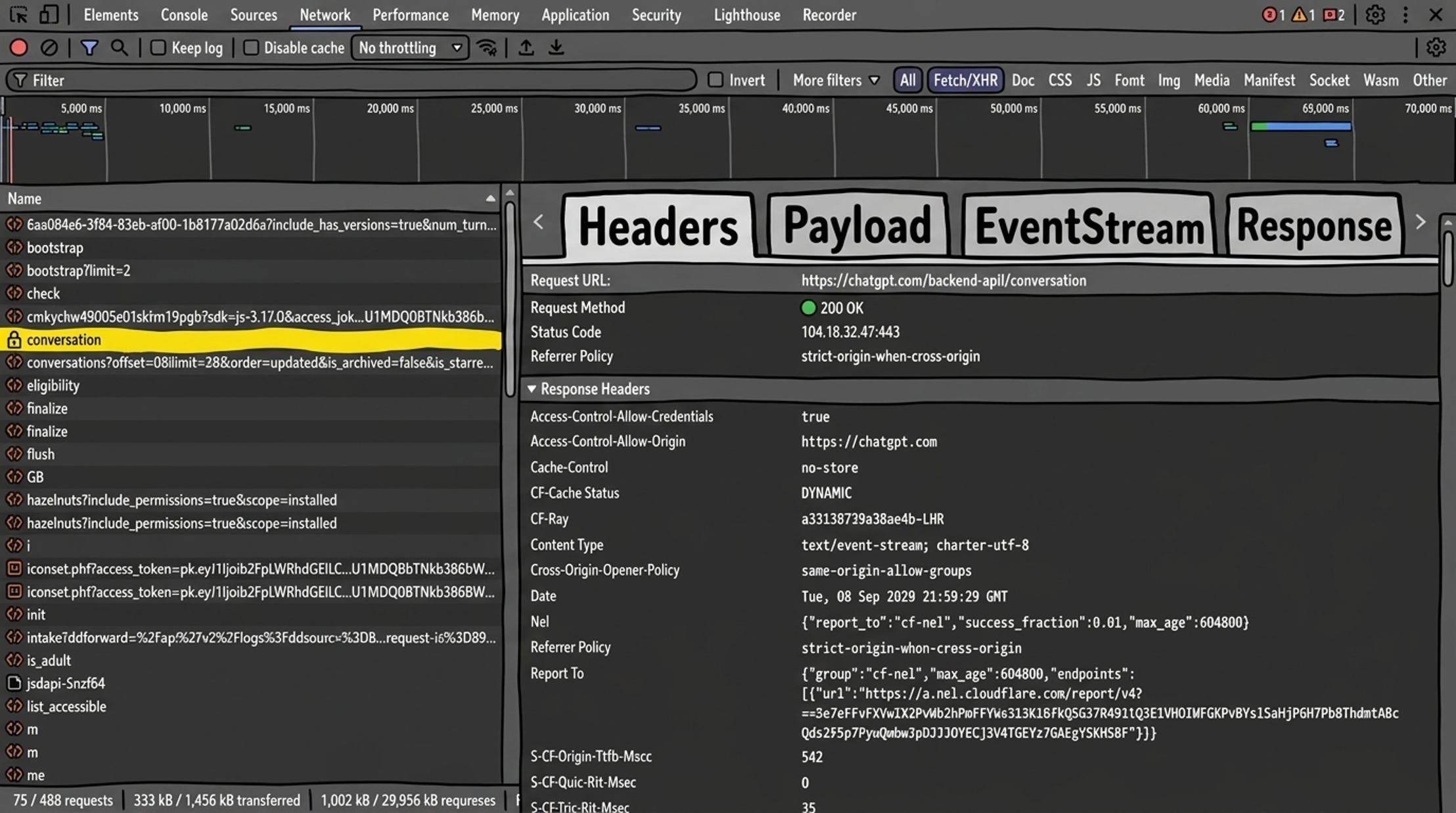
result_source) indicating how ChatGPT routes and fetches retrieval-augmented generation (RAG) data across specialized vertical indexes (such as news, academic papers, local listings, and specialized databases). - The Freshness Window Decoders: The unearthing of query strings that explicitly dictate time recency parameters—measured precisely in days—showing exactly how far back search tools look for specific topics, ranging from two days for breaking stock data to 365 days for community forum discussions.
Chronology: From Manual DevTools Poking to AI Agent Automation
The evolution of browser-based data interception has shifted dramatically from tedious, manual troubleshooting to automated agent orchestration.

Phase 1: Manual DevTools and Dumb Luck
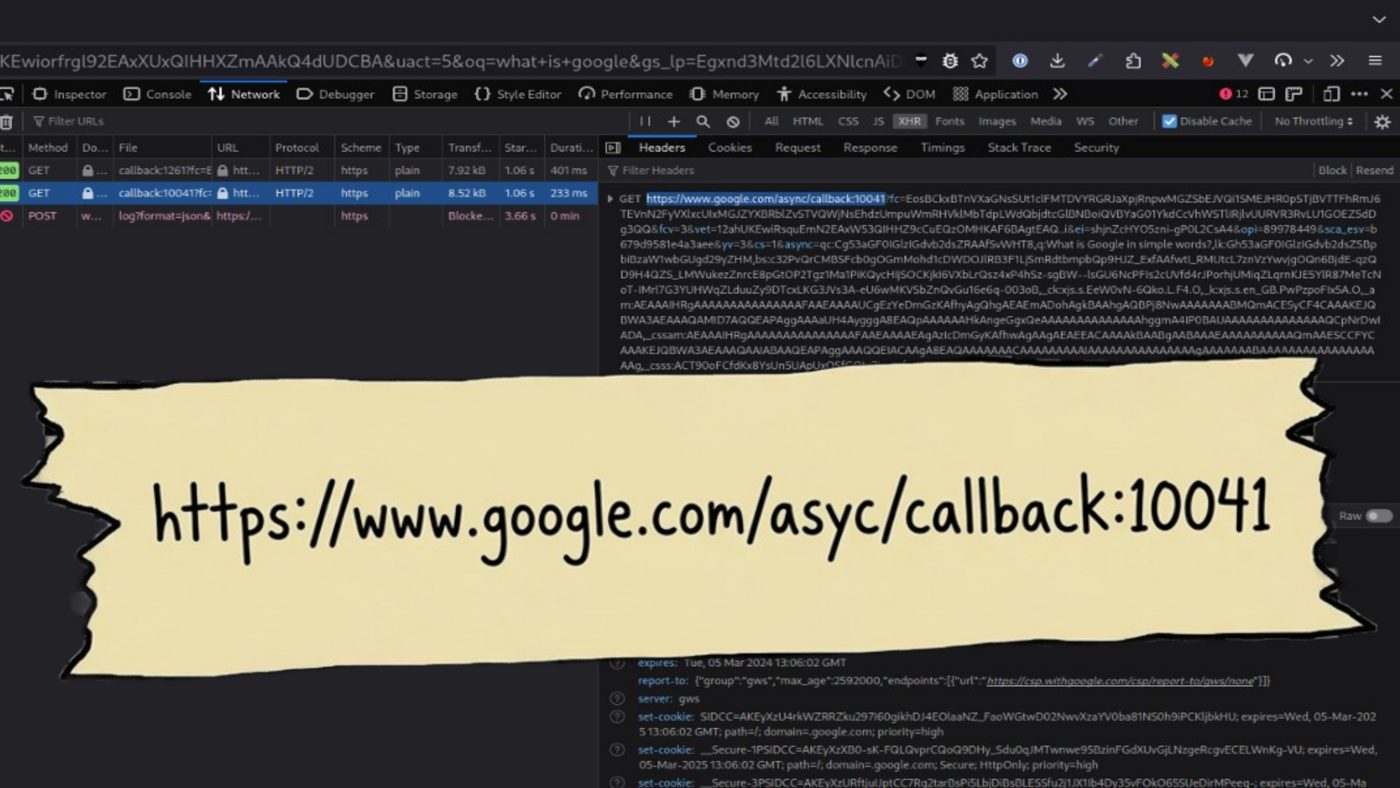
In the early days of deep SERP inspection, analysts relied on manual packet sniffing. Williams-Cook’s discovery of the Google callback exploit began with routine curiosity while examining the network behavior of People Also Ask modules. Observing a massive parameter string attached to an async callback URL, he executed the request in a terminal via curl.
Initially, the output was incomprehensible. However, by experimenting with parameters—specifically deleting _fmt:prog—the system unexpectedly defaulted to outputting raw JSON metadata. This manual trial-and-error phase required hours of staring at raw network tabs, filtering for Fetch/XHR requests, and cross-referencing headers.
Phase 2: The Rise of "Vibe Coding" and AI Agents
As web applications hardened their defenses against automated scraping, manual interception became bottlenecked by bot-detection firewalls. This gave way to the era of AI-assisted engineering, or "vibe coding."
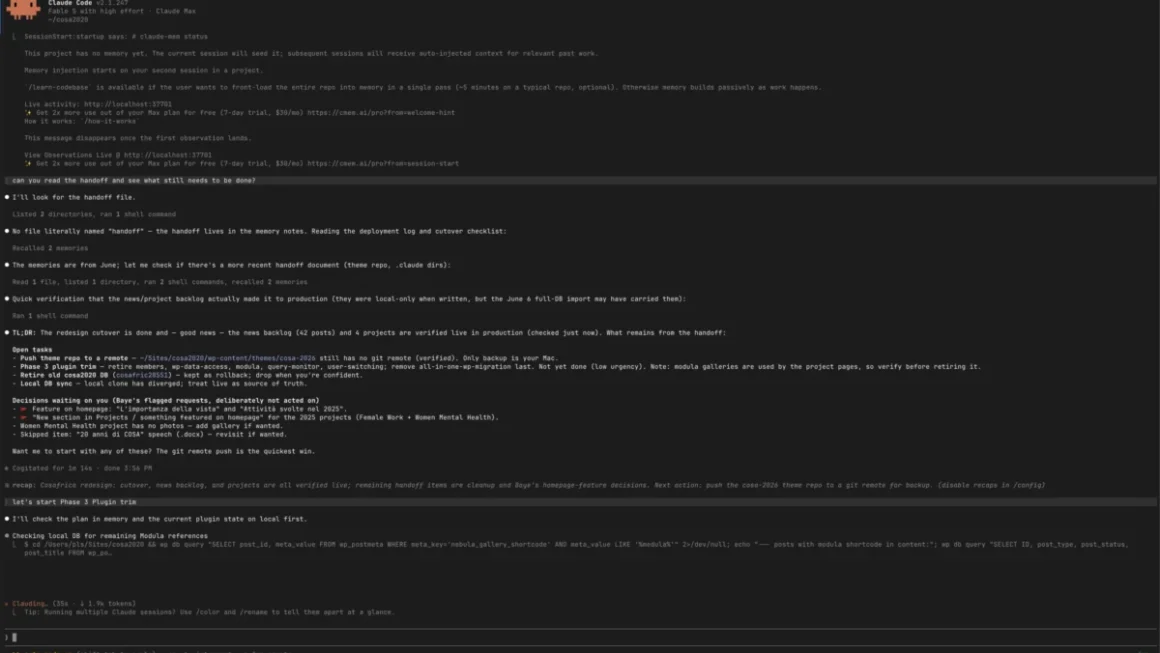
Marketers began deploying agent systems like Perplexity Computer, leveraging automated headless browsers (such as Playwright) to run automated prompt batches, capture network flows, and synthesize multi-page analysis reports. When platforms like ChatGPT and Google began aggressively blocking automated IPs, practitioners pivoted to custom, locally loaded Chrome extensions (chrome://extensions in Developer Mode) to bypass rate limits while maintaining human-in-the-loop oversight.
Phase 3: Democratization via Community Extensions
The techniques pioneered by solo researchers quickly formalized into dedicated community tooling. Tools like FanoutFox—developed by SEO expert Suganthan Mohanadasan—automated the extraction of ChatGPT network activity, allowing practitioners to read live session data, track fan-out search queries, and evaluate retrieval source distribution without writing custom scripts.
Supporting Data: What the Network Payloads Actually Reveal
The quantitative insights pulled from network payloads challenge several long-held assumptions within the digital marketing industry.
Query Classification and the Birth of QueryClassifier.com
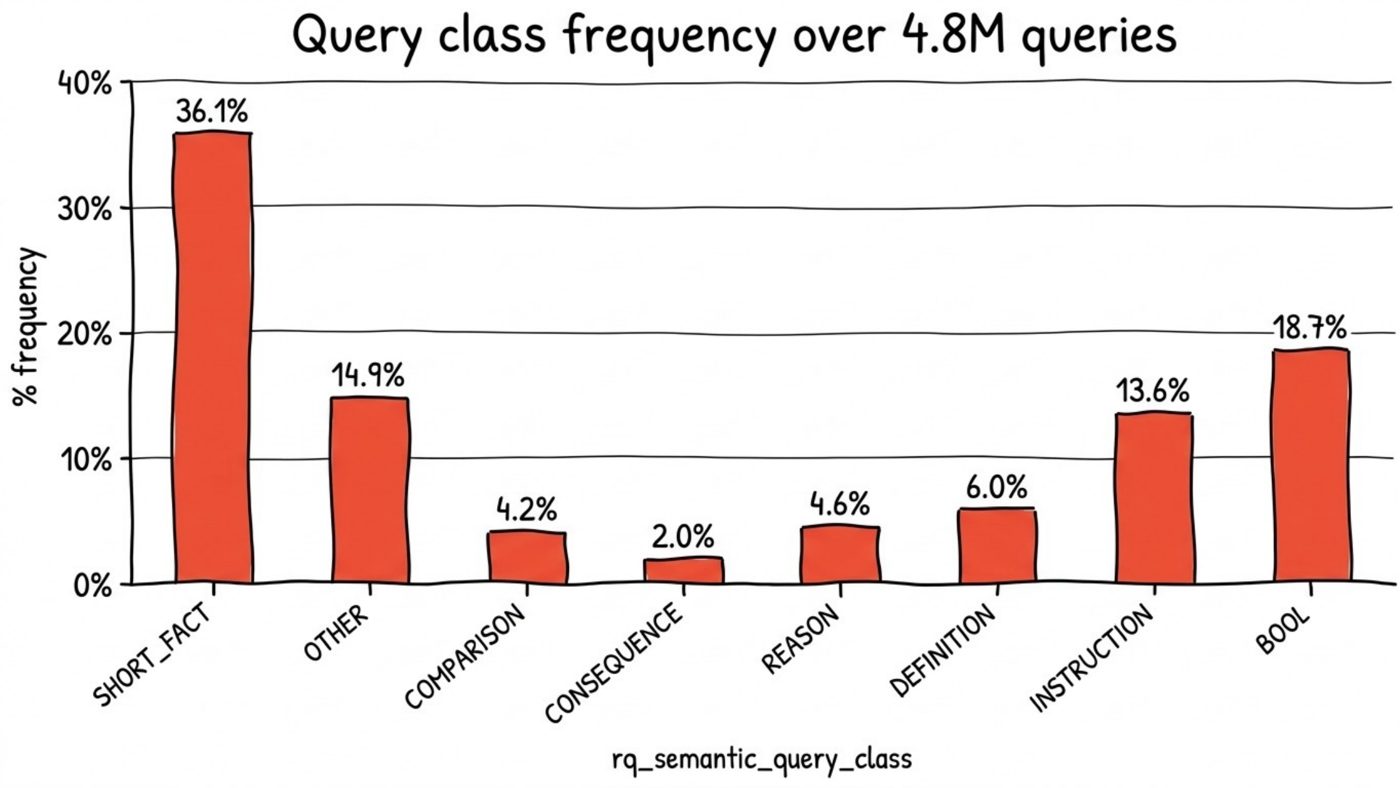
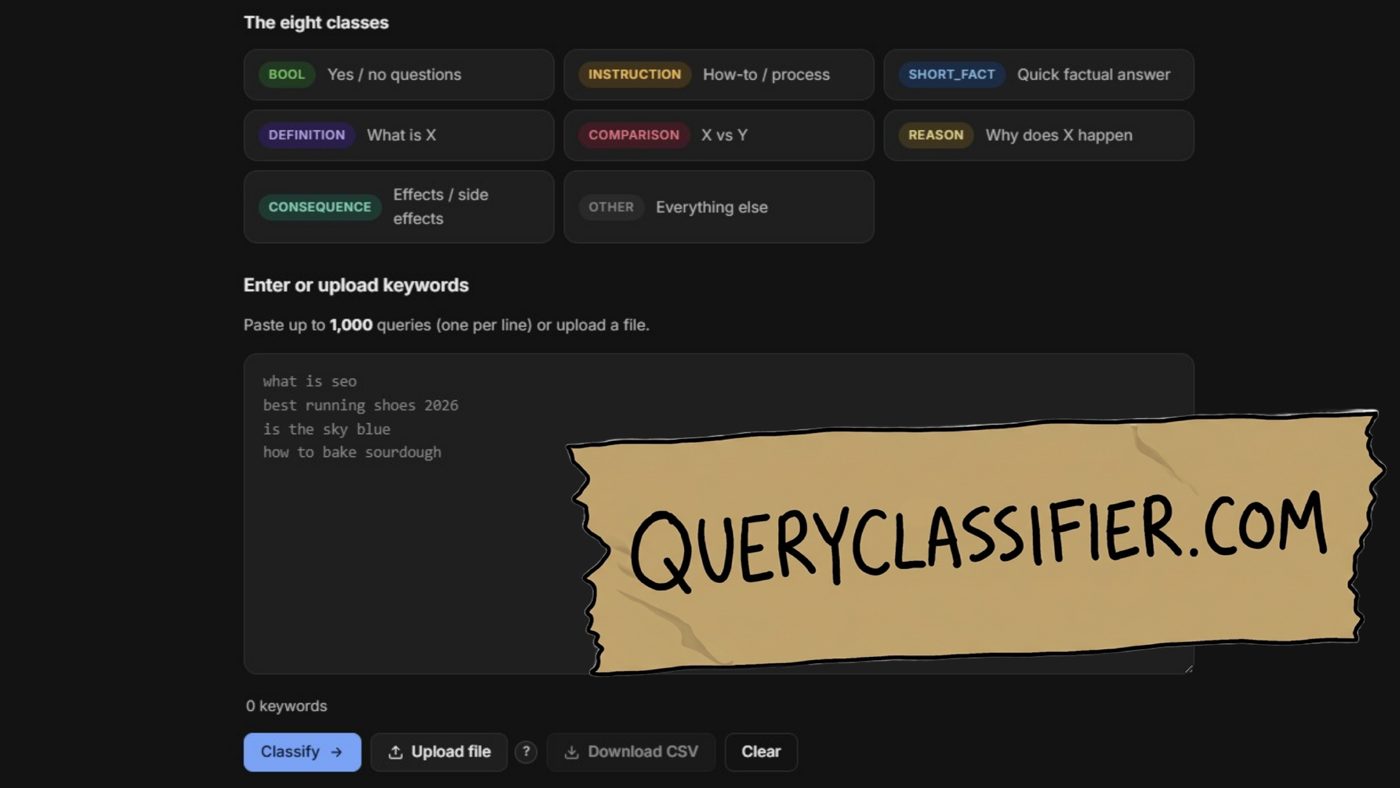
During an extensive analysis of Google’s internal metadata parameters, Williams-Cook discovered that Google classifies queries into eight distinct "refined query" semantic classes. Analyzing a sample of 4.8 million English queries, he mapped the frequency distribution of these classes.
Armed with this labeled dataset, he downloaded DistilBERT—a lightweight, highly efficient variant of Google’s BERT model—and fine-tuned it over a grueling 50-hour training run on a standard gaming laptop. The resulting open-source tool, QueryClassifier.com, allows content teams to paste keywords at scale and predict how Google’s internal systems will categorize them. This classification reveals the exact SERP features Google expects to trigger, allowing content creators to optimize preemptively for structural alignment.
ChatGPT’s Dynamic Freshness Windows
Analyses of ChatGPT’s underlying network requests conducted by Suganthan Mohanadasan and corroborated by network sniffers revealed that search prompts are frequently appended with a vertical pipe (|) followed by an integer. This integer represents the temporal recency window in days:
- Stock Market Queries: 2-day windows (e.g., Nvidia earnings).
- Breaking News/Sports: 7-day windows (e.g., Premier League weekend updates).
- Commercial Software Evaluations: 30-day windows.
- Community Sentiment/Niche Advice: Up to 365-day windows (specifically targeting platforms like Reddit).
This objective data replaces guesswork, providing content strategists with exact benchmarks for how recently published or updated a piece of content must be to satisfy an AI model’s ingestion criteria.
The Reddit Citation Paradox
One of the most profound data disclosures involved the behavior of Reddit within AI search results. In mid-August 2026, industry reports noted an 81% drop in Reddit’s share of final citations within ChatGPT following the rollout of updated default models.
Superficially, this suggested that Reddit had lost its luster for generative engine optimization (GEO). However, network packet analysis told a different story: while Reddit’s citations plummeted, its retrieval frequency remained constant. ChatGPT continued to fire background site:reddit.com queries at high volume to evaluate brand sentiment, but subsequently cited the primary manufacturer or vendor page in the final output. For marketers, this proved that monitoring end-user citation links alone misses the true influence of underlying training and retrieval sources.
Official Responses and Platform Security
As reverse-engineering techniques have gained visibility within the SEO community, tech giants have continuously updated their front-end architectures to obfuscate internal communications.
Platforms like OpenAI and Google have iteratively altered their response payloads, restructured callback endpoints, and scrubbed explicit variable names (such as shifting from readable search_model_queries strings to obfuscated, dynamically compiled token arrays). Despite these hardening efforts, the fundamental requirement of client-server architecture remains unchanged: the browser must ultimately receive the data necessary to render the experience.
Google’s Vulnerability Reward Program formally acknowledged the severity of structural data leakage when it awarded the $13,337 bug bounty, classifying the exposed asynchronous metadata formatting as an "abuse-related methodology with high impact." Rather than treating network inspection as a malicious exploit, security-minded researchers advocate for responsible disclosure—though the boundary between vulnerability reporting and competitive intelligence gathering remains thin.
Strategic Implications for the Future of SEO
The shift toward network-level auditing redefines the concept of a "sustainable edge" in digital marketing. In an industry saturated with generic AI content and copied best practices, public guidelines published by search engines represent the baseline—not the frontier.
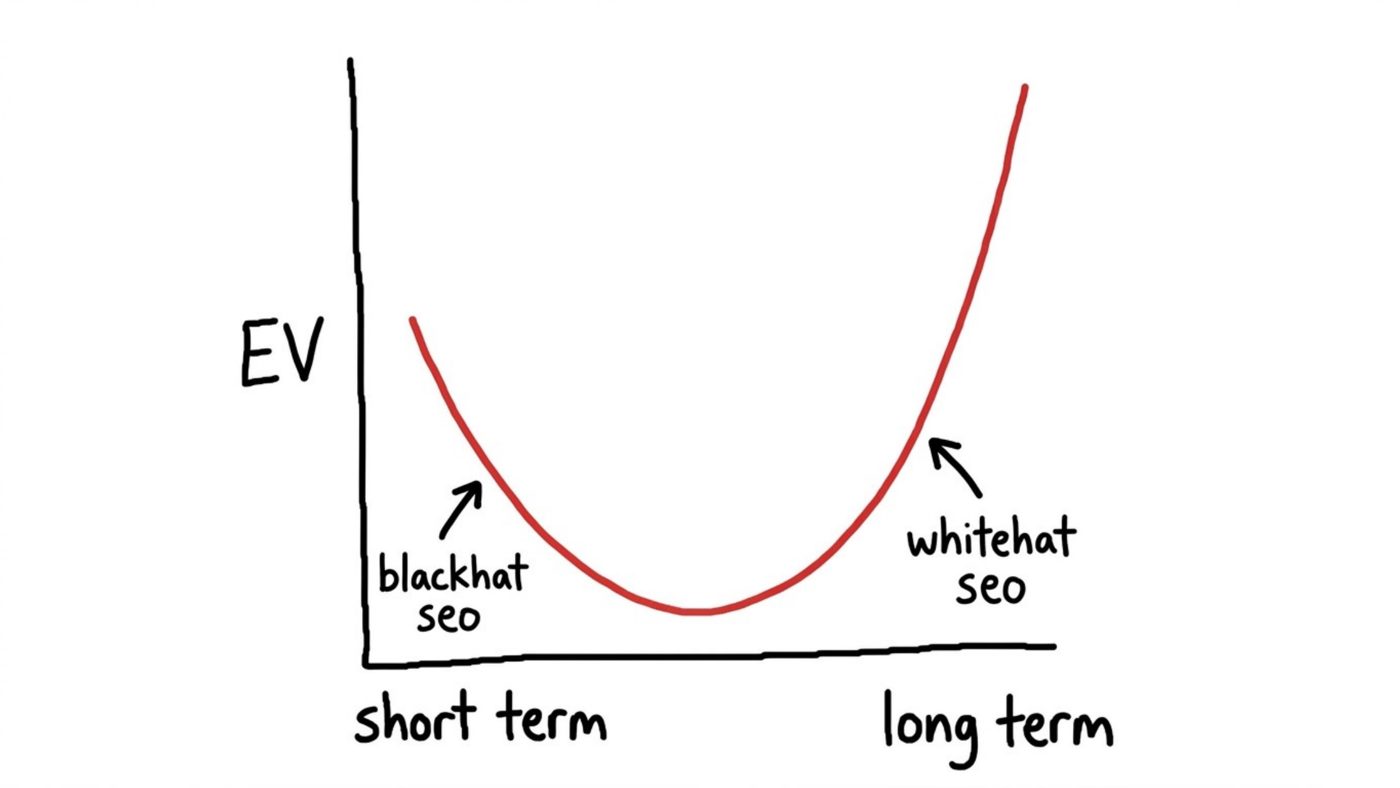
- Move Beyond White-Hat vs. Black-Hat Dogma: Drawing on the game theory of Rock, Paper, Scissors, Williams-Cook argues that aggressive short-term tactics ("playing rock every time") yield high initial expected value (EV) but inevitably force platforms to change the rules, wiping out gains. Conversely, sustainable optimization relies on subtle, continuous cumulative advantages—such as aligning content freshness with backend retrieval windows—that do not trigger platform countermeasures.
- Shift Focus from Citations to Retrieval: As demonstrated by the Reddit phenomenon, digital strategists must stop obsessing solely over visible link citations in AI answers. Understanding whether a query triggers a retrieval event at all—and identifying the specific vertical indexes (such as academic, legal, or local directories) being queried—dictates whether a brand needs immediate tactical optimization or long-term authority building.
- Embrace Accessible Automation: The barrier to entry for deep technical analysis has dropped significantly. Marketers no longer require dedicated data science teams or advanced software engineering degrees. With AI coding assistants capable of generating custom Chrome extensions and scripts, individual practitioners can audit network traffic at scale.
Ultimately, the data is constantly moving across the wire, flowing in plain sight between the user’s browser and the world’s most powerful search engines. While most digital marketers choose to look only at the rendered output, those willing to open the DevTools drawer will continue to find a wealth of actionable intelligence waiting for them in the crates.