






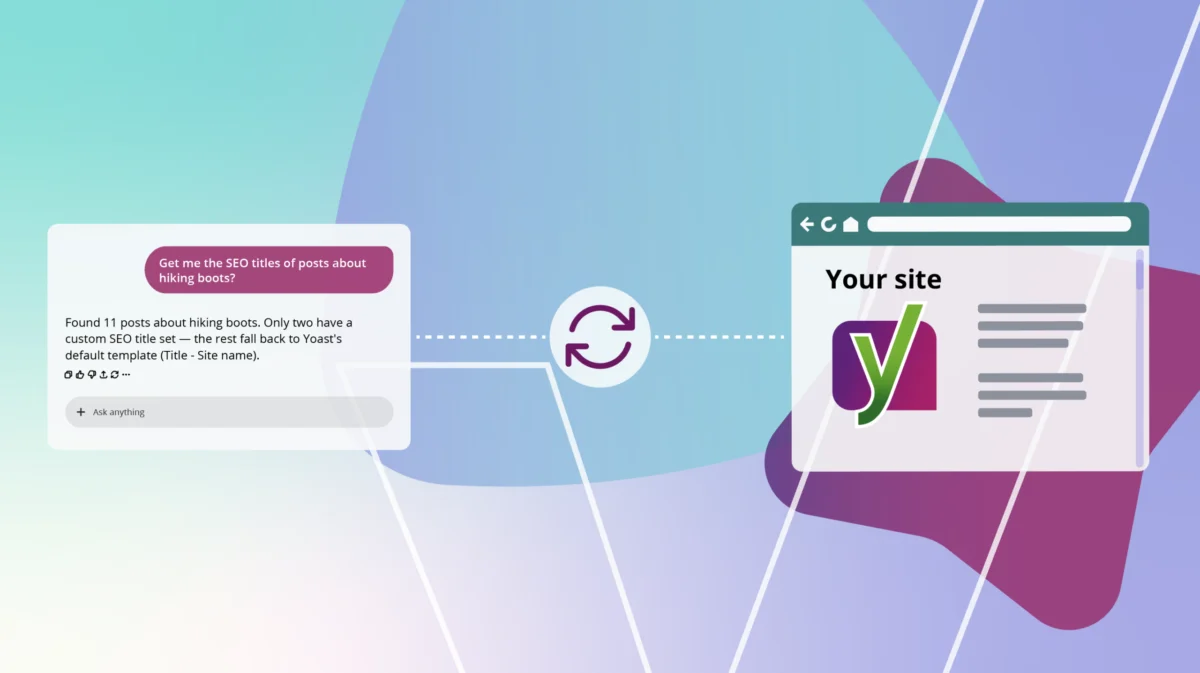
In a significant update aimed at streamlining site management and optimizing developer workflows, Yoast has unveiled a major release for its SEO suite. This latest iteration focuses on two critical pillars of modern web development: the expansion of AI-driven automation through "Yoast SEO Abilities" and a rigorous commitment to long-term code stability via an annual cleanup of deprecated functions.
For developers, agency owners, and technical SEO specialists, this release represents more than just a routine patch; it signals a shift in how content management systems interact with Large Language Models (LLMs) and how technical debt is managed in the WordPress ecosystem.
The Core Developments: Bridging AI and SEO
The cornerstone of this update is the substantial expansion of the Yoast SEO Abilities framework. Since its inception in April, this feature has sought to harmonize the power of AI with the granular control of Yoast’s SEO engine. By allowing developers to connect LLMs to their WordPress installations, Yoast has effectively created a bridge between conversational AI and the technical underpinnings of search engine optimization.
Previously, Abilities allowed users to audit SEO, readability, and inclusive language scores. By September, the functionality expanded to include the ability to read post-level SEO data and perform technical adjustments—all without the need to navigate the traditional WordPress wp-admin interface. With this new release, the capability has grown once again, now allowing for the direct manipulation of titles and descriptions.
A New Workflow for Content Management
The practical implications of this update are immediate. For instance, consider a product-based e-commerce site undergoing a rebranding phase. In the past, updating metadata across hundreds of product pages would require manual labor or bulk-editing plugins that often lack context. With the updated yoast-seo/update-post-seo-data ability, a user can instruct an AI assistant to identify outdated titles and social previews, review the discrepancies, and push updates directly to the database in a single, seamless interaction.
Crucially, Yoast has maintained a "human-in-the-loop" philosophy. The focus keyphrase—the most critical element of an SEO strategy—remains read-only for the AI. This intentional limitation ensures that the strategic intent of a page remains firmly in the hands of the human content creator, preventing AI "hallucinations" or misguided optimization from overriding core SEO goals. Furthermore, the integration continues to respect WordPress’s native capability checks, ensuring that only authorized users can trigger these AI-driven modifications.
A Chronology of Yoast’s AI Integration
To understand the significance of this update, it is necessary to look back at the rapid evolution of Yoast’s AI-focused roadmap:
- April 2024: The launch of Yoast SEO Abilities. This introduced the ability for external LLMs to interface with Yoast’s diagnostic tools, providing users with instant feedback on content quality, readability, and inclusive language.
- September 2024: The "Technical Expansion." Yoast enabled LLMs to read post-level SEO data. This allowed for a more comprehensive "chat" with a website, where users could query the status of their site’s SEO settings via natural language.
- Current Release: The "Action-Oriented Update." Yoast has now moved beyond read-only data to write-enabled data. By adding support for six additional fields, including primary titles and social media meta tags, the company has enabled full-cycle management of SEO assets through LLMs.
This progression highlights a deliberate strategy: first build the diagnostic tools, then the analytical tools, and finally the execution tools.
Technical Debt: The Yearly Cleanup
While the AI features capture the headlines, the secondary focus of this release is equally important for the long-term health of the WordPress ecosystem: the yearly cleanup of deprecated code.
For developers who maintain custom themes or plugins that hook into Yoast SEO, this section is mandatory reading. Yoast has officially purged code that was marked for deprecation in version 26.1 or earlier. This practice, while potentially disruptive to those who have ignored deprecation notices, is a standard and necessary procedure in software engineering.
Why Deprecation Matters
Deprecation is a warning system. When a piece of code is marked as deprecated, it serves as a signal to developers that a better, more secure, or more performant alternative is available. By providing a "grace period"—in this case, at least a year—Yoast ensures that developers have ample time to refactor their integrations.
The removal of this "dead code" serves three primary purposes:
- Performance Optimization: Removing legacy code reduces the memory footprint of the plugin.
- Security: Old code often contains "cruft" that is harder to audit for security vulnerabilities.
- Stability: By forcing the adoption of current APIs, Yoast ensures that the entire ecosystem remains compatible with the latest versions of WordPress and PHP.
For those concerned about their specific implementation, Yoast has provided a comprehensive pull request on GitHub detailing every function and hook that has been removed.
Implications for the WordPress Ecosystem
The integration of LLMs into the Yoast architecture via the WordPress MCP Adapter is a watershed moment for headless and decoupled WordPress implementations.
The Shift to "Chat-First" Development
For agencies managing massive WordPress installations, the ability to perform bulk updates or routine maintenance via an AI agent significantly reduces the time spent on repetitive tasks. When an AI can interface with the WordPress database via the Model Context Protocol (MCP), the barrier between a "user" and an "administrator" begins to blur.
However, this also introduces new challenges. Developers must now consider the security implications of granting LLMs access to their WordPress installations. Yoast’s adherence to WordPress’s native permission system is a safeguard, but it requires administrators to be more vigilant than ever regarding user roles and capabilities.
The Developer Experience
For the plugin and theme developer community, this release is a call to modernize. If your site’s codebase has been relying on legacy hooks, the update to Yoast SEO 26.1+ may result in immediate "white screen" errors or broken functionality. Developers are encouraged to:
- Audit: Run a full audit of their custom code against the provided deprecation list.
- Refactor: Replace removed hooks with the modern alternatives suggested in the Yoast developer documentation.
- Test: Utilize a staging environment to ensure that the new AI capabilities do not conflict with existing custom SEO implementations.
Official Perspective and Support
Yoast’s commitment to transparency is evident in their detailed documentation. By providing clear guidance on how to connect LLMs and the WordPress MCP Adapter, they are lowering the barrier to entry for the next generation of AI-assisted web development.
Beth Parker, Product Marketing Manager at Yoast, emphasized in recent communications that this update is designed to empower developers rather than replace them. The goal of the AI integration is to handle the "heavy lifting" of data entry and routine adjustments, allowing developers to focus on higher-level strategy, architecture, and creative problem-solving.
For those just getting started with the AI features, the official developer documentation remains the definitive source. It covers the full list of available abilities, schemas, and best practices for securing your LLM integration.
Conclusion
The latest update to Yoast SEO is a study in balance. It pushes the boundaries of how we use AI to manage web content, turning a static SEO plugin into an interactive, voice-or-text-enabled administrative partner. Simultaneously, it upholds the rigorous standards of software maintenance by removing outdated code, ensuring that the platform remains fast, secure, and reliable.
As the lines between human management and machine automation continue to fade, the developers who embrace these new tools—while maintaining a cautious and methodical approach to their technical stack—will be the ones who thrive in the evolving digital landscape. Whether you are an agency developer managing hundreds of client sites or a solo site owner looking to automate your metadata, this release provides the tools to work smarter, not harder.
The future of SEO is not just about rankings; it is about the speed, efficiency, and intelligence with which we manage our digital footprint. With this release, Yoast has ensured that WordPress users remain at the forefront of that evolution.