









As the wearable technology market continues to evolve, Samsung is preparing to solidify its position as a leader in the smartwatch segment. Recent regulatory filings and industry reports indicate that the upcoming Galaxy Watch9 series and the highly anticipated Galaxy Watch Ultra 2 are poised to deliver significant improvements in battery endurance. While charging speeds may remain consistent with previous iterations, the physical capacity of the power cells is receiving a substantial boost, addressing one of the most common user concerns in the wearable ecosystem.
Main Facts: A Leap in Power Capacity
The core takeaway from the latest certification data, confirmed by 3C regulatory filings and reports from SamMobile, is that Samsung is prioritizing longevity for its next generation of smartwatches.
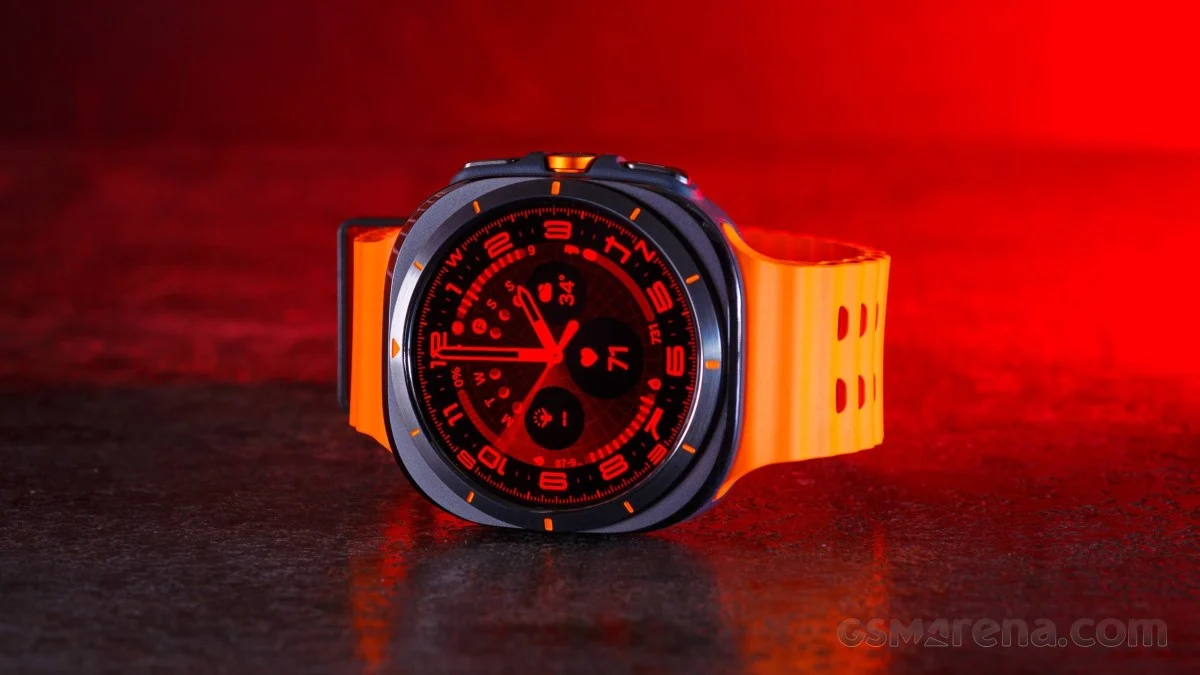
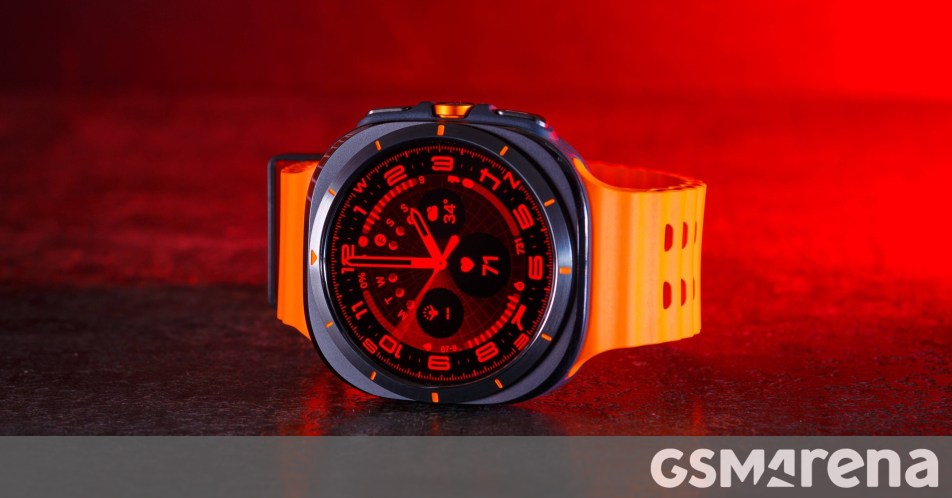
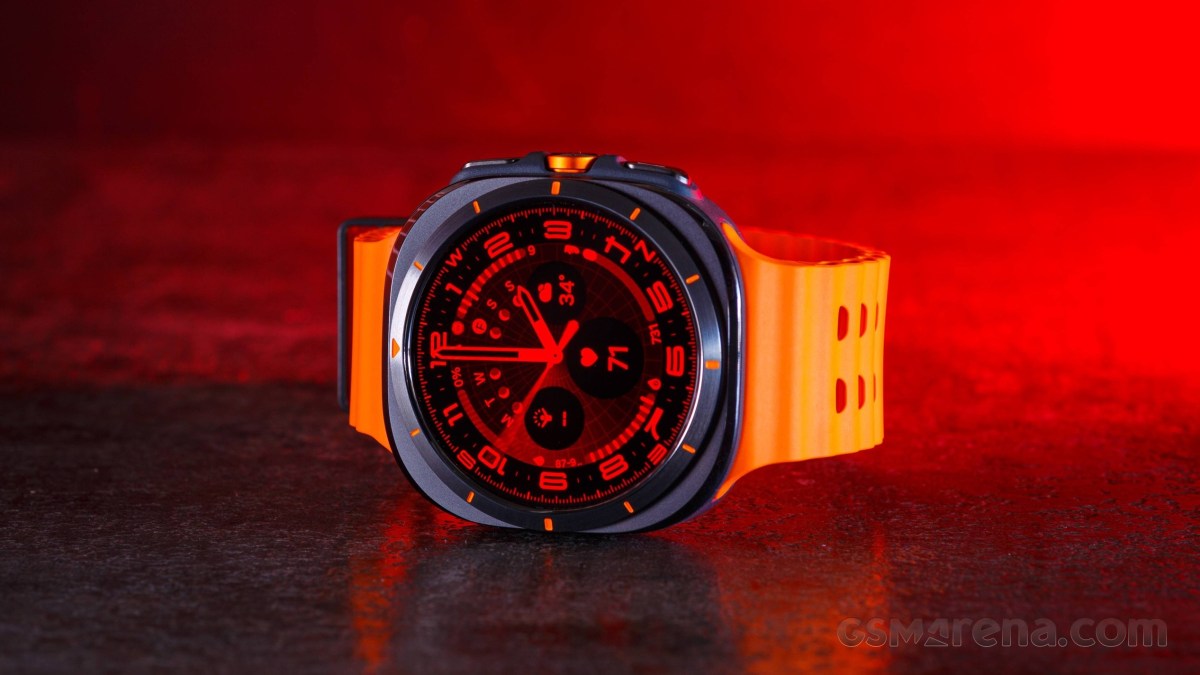
For the premium Galaxy Watch Ultra 2, the upgrades are nothing short of impressive. The device is expected to house a battery with a rated capacity of 784 mAh, which is likely to be marketed as a "typical capacity" of 800 mAh. To put this in perspective, the original Galaxy Watch Ultra featured a 590 mAh battery. This represents a massive jump in energy density, positioning the Ultra 2 as a true endurance powerhouse capable of handling multi-day outdoor expeditions or heavy fitness tracking sessions without requiring a midday recharge.
Simultaneously, the Galaxy Watch9 (specifically the 40mm model) is also receiving a notable capacity hike. Reports suggest a rated capacity of 382 mAh, likely marketed as 400 mAh. This is a significant improvement over the 325 mAh battery found in the 40mm Galaxy Watch8. However, the larger 44mm variant of the Watch9 appears to be maintaining parity with its predecessor, retaining a 435 mAh battery.
Despite these physical capacity gains, the 3C certification confirms that both models will continue to support 10W charging. While some enthusiasts may have hoped for faster charging architectures, the increased battery size suggests that the device will offer a more efficient "charge-to-life" ratio, effectively providing more active usage time per minute spent on the charger.
Chronology: The Road to July
The path to the Galaxy Watch9 and Watch Ultra 2 launch has been marked by a steady stream of leaks and strategic certifications.
- Early 2025: Initial rumors regarding the internal hardware codenames for the new wearable lineup began circulating, indicating that Samsung was moving forward with a three-pronged approach: the base Watch9, the Watch9 Classic, and the sequel to the Ultra.
- May 2025: Regulatory databases began populating with 3C certification filings, providing the first concrete evidence of the devices’ technical specifications, including the 10W charging threshold.
- June 2025: Detailed capacity leaks emerged, specifically highlighting the 784 mAh cell for the Ultra 2. This corroborated internal testing reports that Samsung was exploring ways to maximize the internal footprint of the ruggedized chassis.
- July 22, 2025 (Projected): Industry insiders and analysts expect the official global unveiling. This event is rumored to be a massive showcase for Samsung’s folding portfolio, including the Galaxy Z Flip8, Z Fold8, and the long-rumored Galaxy Z Fold8 Ultra.
This timeline suggests a carefully orchestrated release strategy. By aligning the watch launches with the foldable phone releases, Samsung aims to create a cohesive ecosystem narrative where the new wearables serve as the perfect companion to their latest mobile flagships.
Supporting Data: Comparative Analysis
To understand the magnitude of these changes, one must look at the historical trajectory of Samsung’s battery engineering.
Battery Capacity Comparison (Rated Capacity)
| Device Model | Previous Gen Capacity | New Gen Capacity | Change |
|---|---|---|---|
| Galaxy Watch Ultra | 590 mAh | 784 mAh | +32.8% |
| Galaxy Watch 40mm | 325 mAh | 382 mAh | +17.5% |
| Galaxy Watch 44mm | 435 mAh | 435 mAh | 0% |
The data highlights a clear strategy: the Ultra model is being positioned as a "battery beast" to compete directly with high-end sports watches from competitors like Garmin and Apple. The 40mm standard model, which historically struggled to offer true 24-hour usage with the Always-On Display (AOD) enabled, should see a tangible improvement in daily convenience. The stagnation of the 44mm model’s capacity suggests that Samsung likely views the current battery-to-chassis ratio as optimal for that specific form factor, focusing instead on internal chipset efficiency (likely a new 3nm Exynos processor) to extend battery life.
Official Responses and Industry Context
While Samsung has not yet provided an official statement regarding these specific hardware details—maintaining their standard policy of not commenting on unreleased products—the 3C certification serves as a de facto confirmation of the technical parameters.
Industry analysts have noted that this move reflects a broader trend in the tech industry. As smartwatches evolve from mere notification mirrors into sophisticated health-monitoring laboratories—capable of tracking blood pressure, ECG, body composition, and sleep apnea—the power draw on these devices has increased exponentially. Samsung’s decision to increase the physical battery size, rather than relying solely on software optimization, indicates a mature understanding that physical capacity remains the ultimate limiting factor for user experience.
The retention of 10W charging is also a tactical decision. Increasing charging wattage requires more sophisticated thermal management and can potentially degrade battery chemistry faster over time. By maintaining the 10W standard, Samsung ensures that the new models remain compatible with existing wireless chargers and the "PowerShare" feature found on Galaxy smartphones, keeping the user experience seamless and backwards-compatible.
Implications: What This Means for the User
The implications for the average consumer are significant. For those who opt for the Galaxy Watch Ultra 2, the jump to a ~800 mAh battery could mean the difference between charging every night and being able to head out for a long weekend trip without bringing a dedicated charger.
1. The "Rugged" Promise
The Galaxy Watch Ultra 2 is targeting the outdoor enthusiast. With a larger battery, the GPS-intensive tracking required for hiking, cycling, or long-distance running becomes less of a battery drain, allowing the user to utilize high-accuracy tracking modes for longer durations.
2. The Standard User Experience
For the standard Galaxy Watch9 user, particularly those using the 40mm model, the capacity upgrade is a quality-of-life win. Users who enjoy sleep tracking features often find it difficult to find time to charge their watches during the day. A larger battery, coupled with anticipated efficiency gains from the new internal processor, could bridge the gap to a full 48-hour usage cycle.
3. Ecosystem Synergy
With the rumored launch of the Galaxy Z Fold8 Ultra and the new wearables occurring simultaneously, Samsung is clearly aiming to capture the "prosumer" market. The company is betting that users who invest in a premium folding phone will also want a premium, long-lasting watch that doesn’t need to be pampered or constantly tethered to a wall outlet.
Conclusion
As we approach the expected July 22 event, the narrative surrounding the Galaxy Watch9 and Watch Ultra 2 is becoming increasingly clear. Samsung is not chasing the flashiest charging speeds, but rather the most practical requirement of the modern wearable user: endurance. By providing a substantial increase in battery capacity, the company is directly addressing the primary pain point of the smartwatch category.
Whether this translates into market dominance will depend on the final pricing and the efficacy of the software integrations. However, based on the current data, the upcoming Samsung wearable lineup is shaping up to be one of the most reliable and long-lasting generations in the history of the Galaxy Watch brand. As the boundaries between consumer tech and professional health equipment continue to blur, Samsung’s focus on power density proves that they are listening to the demands of their user base, prioritizing sustained performance over superficial metrics.