









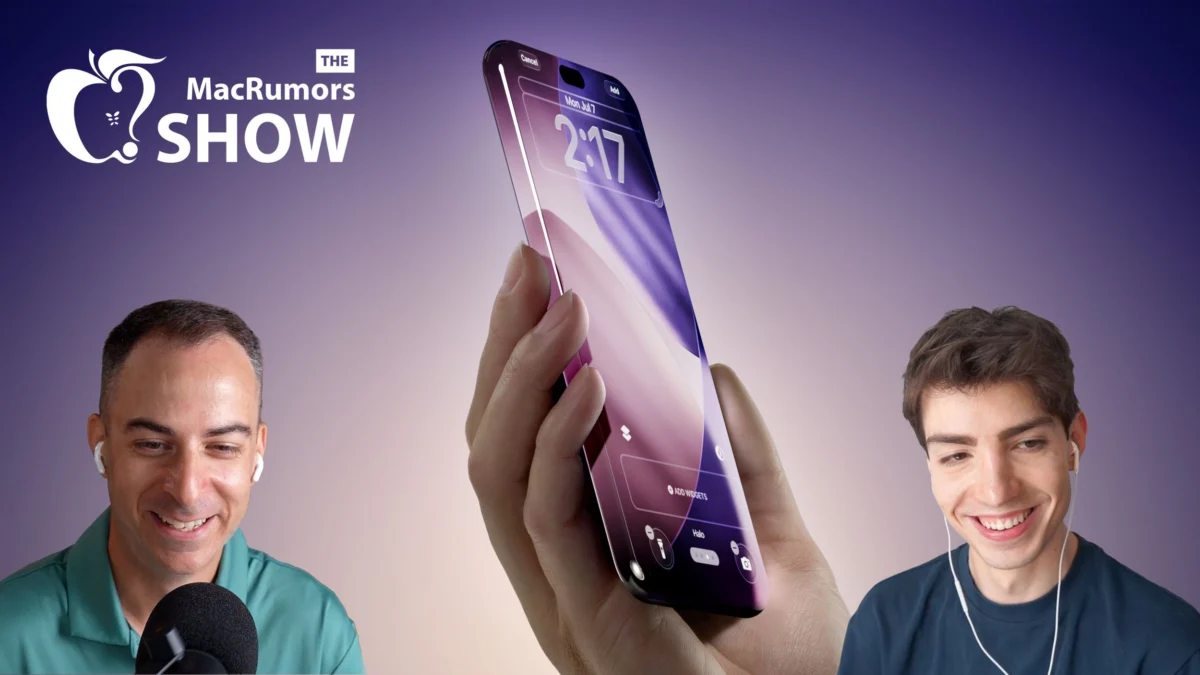
As Apple approaches the two-decade milestone of its most iconic product, the tech world is turning its gaze toward 2027. This week’s episode of The MacRumors Show dives deep into the speculative architecture of the 20th-anniversary iPhone—a device currently being referred to in industry circles by the placeholder monikers "iPhone 20" or "iPhone XX." Following the monumental shift that the iPhone X represented in 2017, expectations are high that Apple is preparing a radical reimagining of the smartphone form factor for its 2027 debut.
The Main Facts: A Paradigm Shift in Design
The prevailing sentiment among supply chain analysts and industry insiders is that the 2027 iPhone will represent the most significant design departure since the iPhone X. Apple is reportedly moving away from the industrial aesthetic established by the iPhone 12 and its successors, aiming for a "near bezel-less" experience.
Central to this vision is a sophisticated display technology featuring curved glass that wraps seamlessly around all four edges of the device. This approach is reminiscent of the "single slab of glass" philosophy famously championed by former Apple design chief Jony Ive. The frame, while remaining thin and polished, will likely depart from the traditional aluminum construction seen on standard models, opting instead for a premium material that accommodates the complex geometry of a display that curves onto the sides of the chassis.
However, such ambitious engineering is not without risks. Earlier iterations of "waterfall" edge displays on Android handsets were plagued by accidental touches. Apple’s challenge, according to sources, is to marry this aesthetic with sophisticated software palm-rejection and case-compatibility engineering that ensures the device remains functional for the average user.
Chronology: A Roadmap to the Anniversary Model
To understand the significance of the upcoming launch, one must look at the historical cadence of Apple’s product releases:
- 2007: The original iPhone launches, changing the mobile landscape forever.
- 2017: The iPhone X arrives for the 10th anniversary, introducing Face ID, the notch, and an edge-to-edge OLED display.
- 2025–2026: Apple sets the stage by introducing the "iPhone Air" line and refining the Dynamic Island and under-display sensor technology.
- 2027 (Expected): The 20th-anniversary iPhone—potentially dubbed the iPhone XX—is slated for a fall release, following the spring debut of the iPhone 18 and the iPhone Air 2.
Apple has historically shown a willingness to bypass numerical designations for major milestones, much like the jump from the iPhone 8 to the iPhone X. Industry watchers expect a similar departure from the "iPhone 19" branding, favoring a name that highlights the twentieth-anniversary legacy.
Supporting Data: Technology and Internal Upgrades
The 20th-anniversary model will not be merely a cosmetic exercise; it is expected to be a powerhouse of internal innovation.
The Display and Sensor Suite
The pursuit of a truly "all-screen" front remains the holy grail for Apple. While an under-display camera is the ultimate objective, technological limitations regarding image quality continue to persist. Consequently, reports suggest Apple will continue to refine the Dynamic Island, progressively shrinking its footprint as Face ID components migrate beneath the display panel. The under-display camera is expected to be the final piece of this puzzle, arriving only when Apple determines the optical clarity meets its stringent standards.
Hardware and Performance
Under the hood, the device is rumored to house the second-generation 2-nanometer A21 chip. This silicon will likely provide substantial efficiency gains, supporting a battery capacity rumored to reach 6,000mAh. Such a massive power reserve would be essential to support one of the most requested features: reverse wireless charging. By allowing the iPhone to charge AirPods or an Apple Watch, Apple would finally align its hardware capabilities with competitors who have offered this utility for years.
Solid-State Haptic Buttons
Apple is revisiting "Project Bongo," a long-shelved effort to replace mechanical volume and power buttons with solid-state haptic sensors. By removing physical moving parts, Apple aims to increase the structural integrity of the frame, improve water resistance, and reduce mechanical failures—a common pain point for AppleCare repairs. Furthermore, the removal of physical button assemblies provides vital internal real estate for larger batteries or advanced haptic engines.
Custom Image Sensors
In a move that signals deeper vertical integration, Apple is developing a custom image sensor to replace the Sony hardware that has been a staple of the iPhone camera system for years. This mirrors the company’s transition to in-house silicon, modems, and connectivity chips. While the camera "plateau" or bump will likely remain due to the physics of folded telephoto optics, the image processing pipeline is expected to see significant gains through this proprietary sensor technology.
Official Responses and Industry Implications
While Apple remains characteristically tight-lipped about unreleased hardware, the implications of these rumored shifts are profound. By positioning the 20th-anniversary iPhone as a distinct, higher-tier device—or perhaps even a separate category above the iPhone 18 Pro—Apple is signaling a move toward a more fragmented and specialized lineup.
The shift toward custom sensors and components suggests that Apple is attempting to insulate itself from third-party supply chain volatility. By owning the full stack, the company can optimize power management and performance in ways that off-the-shelf components simply cannot match.
Furthermore, the introduction of the iPhone Air line and the potential for a "MacBook Ultra" suggests that Apple is segmenting its user base more aggressively. The 20th-anniversary iPhone is not just a phone; it is a statement piece for the "power user" who demands the absolute pinnacle of current technological capability.
Conclusion: The Path Forward
As we look toward the fall of 2027, the narrative surrounding the iPhone is shifting from incremental annual updates to a focus on structural and architectural transformation. Whether it is called the iPhone 20 or the iPhone XX, the device will serve as the benchmark for the next decade of mobile computing.
For those eager to keep up with the latest leaks, rumors, and expert analysis, The MacRumors Show continues to provide a weekly window into these developments. Whether it is deep dives into iOS 27 or the logistical challenges of Apple’s manufacturing partners in India, the podcast remains an essential resource for those who want to stay informed about the trajectory of the Cupertino giant.
As the industry waits for official confirmation, one thing remains certain: Apple’s 20th anniversary will be a pivotal moment. The company that redefined the smartphone in 2007 is clearly looking to perform the same feat in 2027, pushing the boundaries of glass, silicon, and design to create a device that feels as revolutionary as the original once did.
Listen to the latest episode of The MacRumors Show on Apple Podcasts, Spotify, or your preferred podcast platform. For more on the future of Apple’s hardware, subscribe to the MacRumors YouTube channel.