









As the technology industry pivots toward the July 22 Galaxy Unpacked event, the atmosphere surrounding Samsung Electronics has shifted from speculative anticipation to calculated strategic analysis. Recent supply chain reports have provided a granular look into Samsung’s manufacturing roadmap, signaling a significant shift in how the company intends to position its foldable portfolio in the competitive landscape of late 2026.
According to industry insiders, Samsung has finalized its production volume targets for its upcoming flagship foldable lineup, prioritizing the standard Galaxy Z Fold8 over its high-end "Ultra" sibling and the popular clamshell-style Galaxy Z Flip8. This decision offers a fascinating window into Samsung’s market research and its direct response to the encroaching presence of foldable alternatives from competitors like Apple.
The Production Breakdown: A Calculated Bet
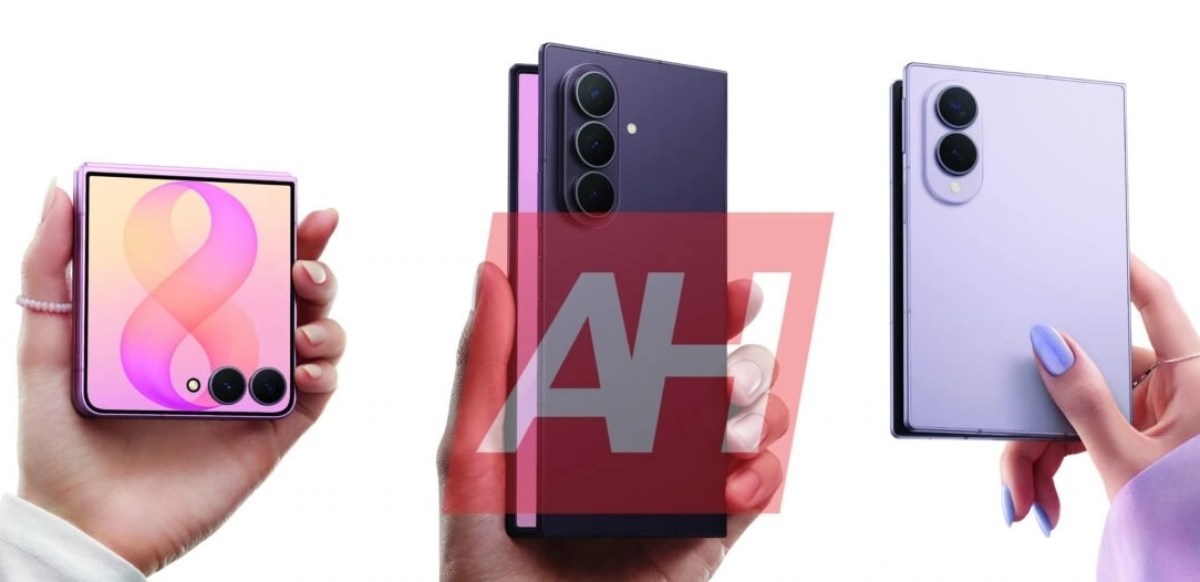
At the heart of the latest supply chain intelligence is a clear hierarchy of anticipated market demand. Samsung has reportedly instructed its primary component suppliers to ramp up production for the standard Galaxy Z Fold8, setting a target of approximately 2.8 million units.
In contrast, the Galaxy Z Fold8 Ultra—the premium, high-spec variant—is slated for a production run of roughly 2 million units. Perhaps most surprisingly, the Galaxy Z Flip8, which has historically been a volume driver for Samsung due to its more accessible price point, has been allocated a production target of approximately 1.5 million units.
This divergence in production numbers is highly unconventional. Historically, the Flip series has often outperformed the Fold series in sheer unit sales due to its lifestyle-oriented design and lower entry cost. By prioritizing the wide-screen Galaxy Z Fold8, Samsung is signaling a belief that the "mainstream" foldable user is shifting toward a wider, more tablet-like experience that mirrors the traditional smartphone form factor.
Chronology of the Foldable Evolution
To understand why these production numbers are so significant, one must look at the evolution of the Galaxy Z series over the last several years.
- 2023–2024 (The Refinement Phase): Samsung focused on hinge mechanics, crease reduction, and water resistance, solidifying the Z Fold and Z Flip as industry standards.
- Early 2026 (The Rumor Mill): Speculation began regarding a shift in the aspect ratio for the Fold series. Users and critics alike pushed for a wider cover screen, a pain point that has plagued previous generations of the Z Fold.
- Mid-2026 (The Pivot): Reports surfaced confirming that the Galaxy Z Fold8 would adopt a 4:3 aspect ratio, effectively moving away from the "narrow" aesthetic that defined the earlier models.
- July 22, 2026: The scheduled Galaxy Unpacked event, where these production decisions will be tested against real-world consumer reaction.
- September 2026 (The Competitive Horizon): The anticipated launch of the rumored Apple iPhone Ultra, which is expected to challenge Samsung’s dominance in the premium foldable sector.
Supporting Data and Technical Specifications
The move to prioritize the Galaxy Z Fold8 is not merely a branding exercise; it is supported by a robust hardware configuration intended to capture a wider swath of the power-user market.
The Engine Under the Hood
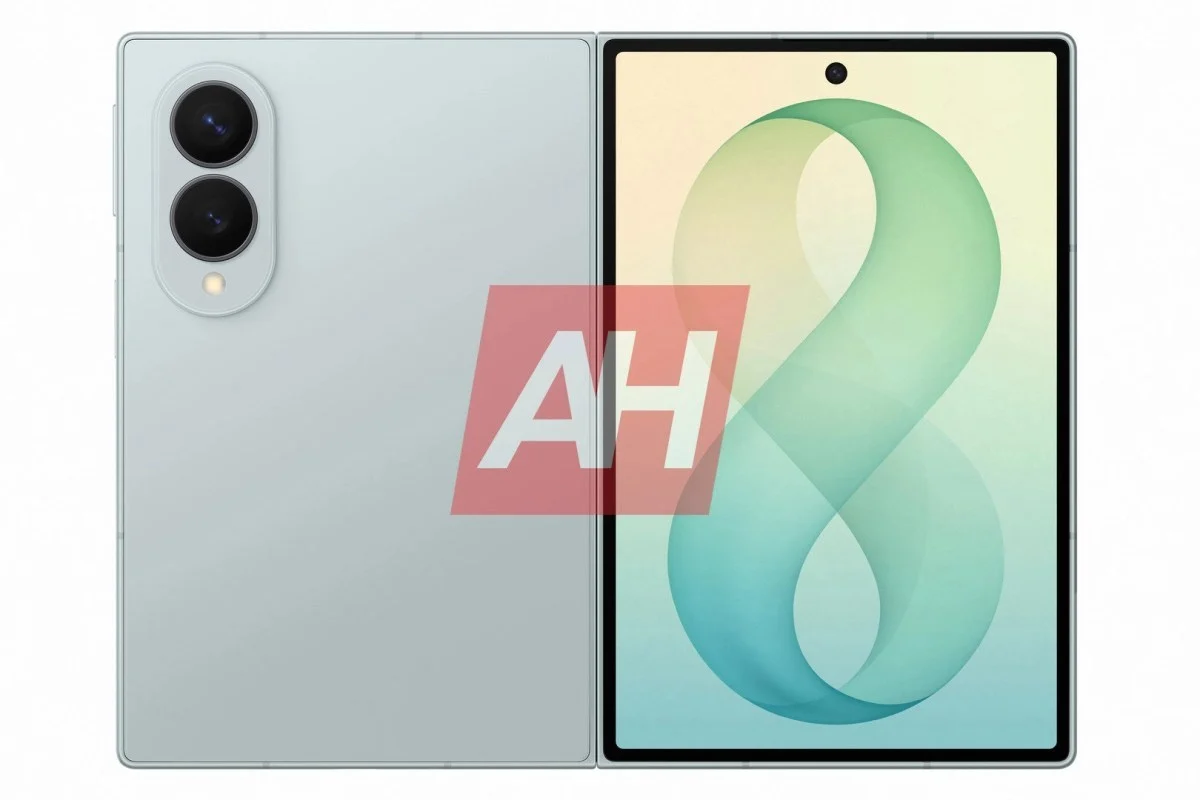
It has been confirmed that the Galaxy Z Fold8 and the Z Fold8 Ultra will be powered by the Qualcomm Snapdragon 8 Elite Gen 5 for Galaxy chipset. This silicon, optimized for AI-driven tasks and high-performance gaming, represents the pinnacle of mobile computing power. The inclusion of this chip in the standard Fold8, rather than restricting it to the Ultra model, suggests that Samsung wants the base Fold8 to be perceived as a legitimate, high-performance daily driver.
Display and Ergonomics
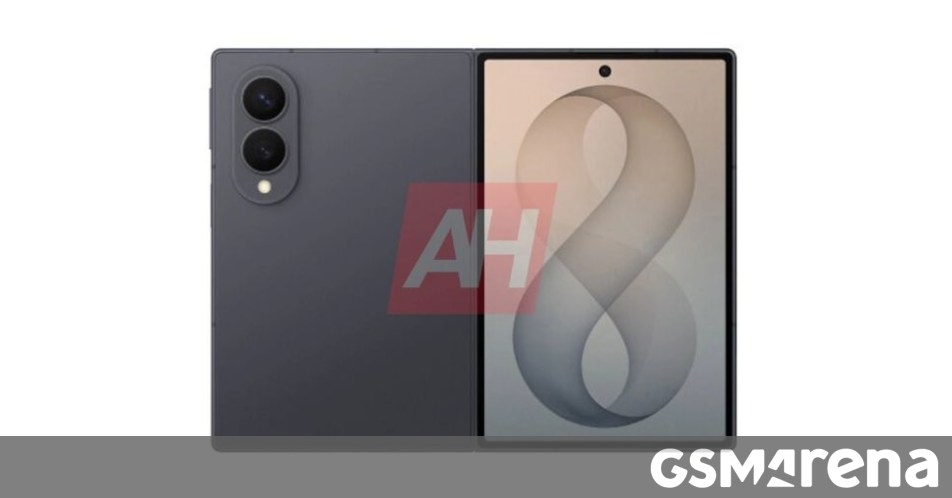
Leaks suggest that the Galaxy Z Fold8 will feature a 7.6-inch inner foldable display, paired with a 5.5-inch cover screen. The shift to a 4:3 aspect ratio is the most critical update here. By widening the cover screen, Samsung is addressing the primary grievance of its user base: the difficulty of typing and navigating on a narrow, elongated external display. This design change effectively brings the device closer to a standard smartphone experience when folded, potentially cannibalizing sales from traditional flagship handsets.
Battery and Optics
With a 4,800mAh battery and a streamlined dual-rear camera setup, the Z Fold8 is positioned as a balanced device. While the Ultra variant will likely boast more advanced camera sensors and perhaps higher-density battery technology, the standard Z Fold8 focuses on the "sweet spot" of form factor, weight, and battery longevity.
Official Stance and Market Positioning
While Samsung has maintained its customary silence regarding specific internal production quotas, the company has been vocal about its vision for the future of mobile connectivity. During recent investor briefings, Samsung executives emphasized a "Form Factor First" strategy, noting that the company’s R&D expenditure is increasingly skewed toward perfecting the durability and user experience of foldable glass.
The decision to limit the production of the Flip8 compared to the Fold8 may reflect a strategic move to upsell customers. By keeping the Flip8 supply relatively conservative, Samsung may be attempting to push brand loyalists toward the higher-margin Fold8, thereby increasing the Average Selling Price (ASP) of its mobile division—a key metric for shareholders.
Implications for the Future of Mobile
The ripple effects of this production strategy will likely be felt throughout the mobile industry for the remainder of the decade.
1. The Apple Factor
The most significant implication of the Z Fold8’s production volume is the looming shadow of the iPhone Ultra. Industry analysts believe that the 4:3 aspect ratio of the Z Fold8 is a direct preemptive strike against Apple’s entry into the foldable market. If Apple releases a device in September that follows a similar, more traditional aspect ratio, Samsung will already have its supply chain optimized to meet that market segment with an established product.
2. Market Saturation and the "Ultra" Fatigue
By producing fewer "Ultra" units, Samsung is acknowledging a potential ceiling in the ultra-premium market. Even the most dedicated enthusiasts have a limit regarding price. By positioning the Z Fold8 as the "hero" product, Samsung is banking on the idea that 2.8 million buyers are looking for a premium experience that doesn’t necessarily come with the extreme price tag of an Ultra model.
3. Supply Chain Resilience
The decision to allocate specific volumes to suppliers is also a test of Samsung’s supply chain agility. Managing the production of two distinct Fold models alongside the Flip series requires immense coordination. If Samsung succeeds in meeting these targets without significant bottlenecks, it will solidify its position as the master of foldable manufacturing, leaving competitors scrambling to replicate its efficiency.
Conclusion
As we look toward the July 22 Galaxy Unpacked event, the narrative is clear: Samsung is no longer just experimenting with foldables; it is scaling them. The move to prioritize the Galaxy Z Fold8, with its refined aspect ratio and cutting-edge Snapdragon 8 Elite Gen 5 chipset, represents a maturation of the category.
Whether this production gamble pays off remains to be seen. However, the data provided by the supply chain suggests a company that is confident in its design, wary of its competition, and ready to set the standard for the next generation of mobile hardware. The battle for the foldable market is no longer just about who can make the folding screen—it is about who can best integrate that technology into the daily, ergonomic reality of the average user. On July 22, we will see if the world is ready to embrace the wide-screen revolution Samsung has prepared.