






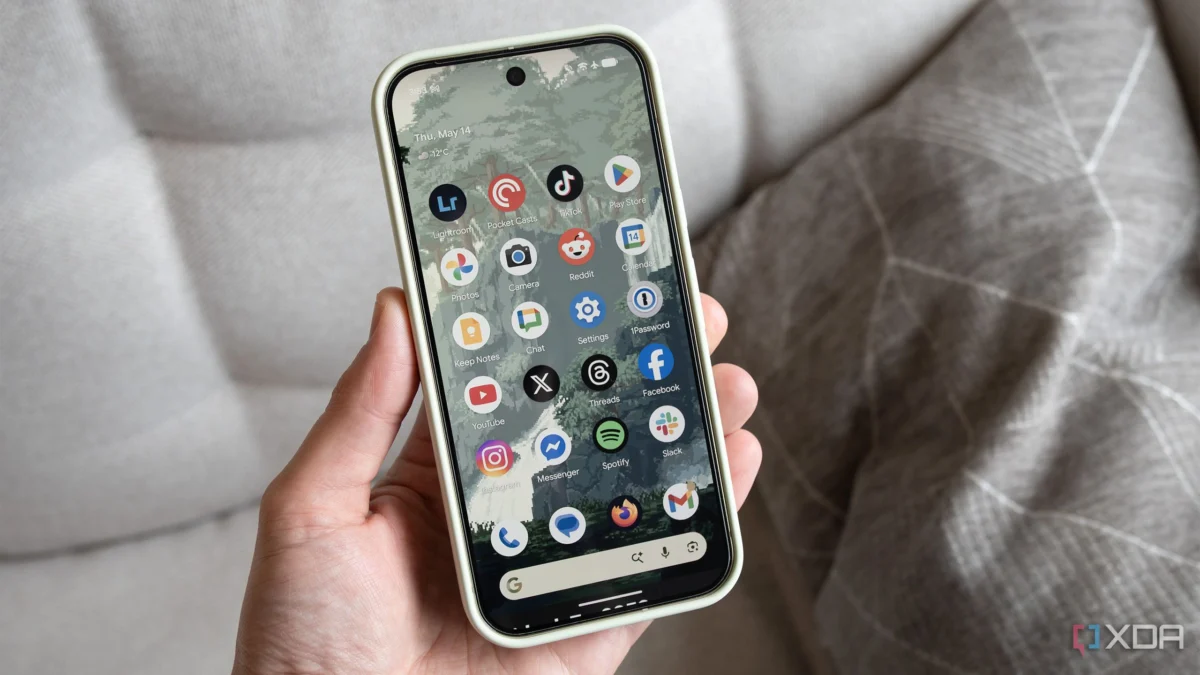
For years, the narrative surrounding self-hosting has been dominated by the image of a dimly lit room, a humming tower of server hardware, and a user hunched over a terminal screen. It was an activity confined to the desktop, a hobby for those who wanted to tinker with Linux configurations and network routing. I fell into that trap as well. I spent my early years as a software engineer treating my home server as an island—a powerful fortress of data that I could only truly interact with when I was physically sitting at my desk.
However, as my professional life shifted toward digital content creation and my reliance on my Pixel smartphone grew, that paradigm began to crumble. I realized that if a service didn’t integrate seamlessly into my mobile workflow, it would eventually fall into disuse, regardless of how robust or privacy-focused it was. My phone is where I live, work, and capture memories. If I couldn’t reach my self-hosted data from the palm of my hand, it might as well not exist.
Over the past year, I have rigorously tested dozens of mobile clients for self-hosted services. I have navigated the landscape of buggy interfaces and unreliable background syncing to find the gems—the applications that don’t just "work" on Android, but actually elevate the experience beyond the proprietary cloud alternatives.
The Paradigm Shift: Why Mobile Integration is the Final Frontier
The skepticism regarding self-hosting often stems from a lack of polish. We are accustomed to the seamless, multi-billion-dollar infrastructure of companies like Google and Apple. To replace these services, a self-hosted alternative cannot merely provide the backend; it must provide a user interface that feels native, snappy, and reliable.
The true breakthrough in self-hosting isn’t the server-side technology—it’s the mobile client. A high-quality mobile app bridges the gap between the DIY enthusiast and the practical, everyday user. It transforms a server from a "hobby project" into an essential utility. By prioritizing mobile-first experiences, we are finally breaking the myth that "self-hosting is only for the desktop."
Immich: The Gold Standard for Photo Sovereignty
For most of us, Google Photos is the most difficult service to replace. It isn’t just about storage; it’s about the searchability, the face recognition, and the "memories" that pop up on our screens. I long believed that self-hosting my photos meant sacrificing this convenience.

Replacing Google Photos Without Compromise
Immich destroyed that assumption. When I first migrated my library, I expected a clunky experience where I’d have to manually upload files. Instead, I found a robust, background-syncing powerhouse. It handles every photo I take, mirroring the behavior of cloud giants, but with one crucial difference: the hardware is mine.
The most impressive feature is the search functionality. I can type "dog on beach" or "sunset at the park," and the machine learning models running on my server categorize the images with startling accuracy. Because this processing happens locally, I am not feeding a data-hungry advertising giant my personal history. The Android app is, quite simply, the best mobile client I have ever used for a self-hosted project. It is fast, visually native, and has never once failed to back up my photos in the background. It isn’t a compromise; it is an upgrade.
Wallabag: Reclaiming the "Read-It-Later" Workflow
Information overload is the defining challenge of the digital age. I come across dozens of fascinating, long-form articles every day, but rarely have the time to digest them immediately. For years, I relied on third-party services that often inserted their own tracking or subscription models.

Organization and Distraction-Free Reading
Wallabag serves as my digital sanctuary. Whenever I find an article, a quick tap in the Android share menu saves it to my server. The app automatically strips away the clutter—the invasive pop-ups, the auto-playing videos, and the distracting sidebars—leaving only the text and essential imagery.
What makes Wallabag indispensable is its cross-platform synchronization. I can save a link on my phone while on the train, and when I sit down at my desk, it’s waiting for me, perfectly formatted. It has turned my "read-it-later" list from a chaotic pile of links into a curated, organized library that I actually enjoy reading. By keeping this data on my own server, I ensure that my reading habits aren’t being tracked to build a profile for advertisers.
Jellyfin: My Personal Media Empire
The media landscape is increasingly fragmented, with subscriptions rising and content disappearing due to licensing shifts. Jellyfin provides the ultimate antidote: a personal media server that acts as a private, ad-free streaming platform.

Media at Your Fingertips
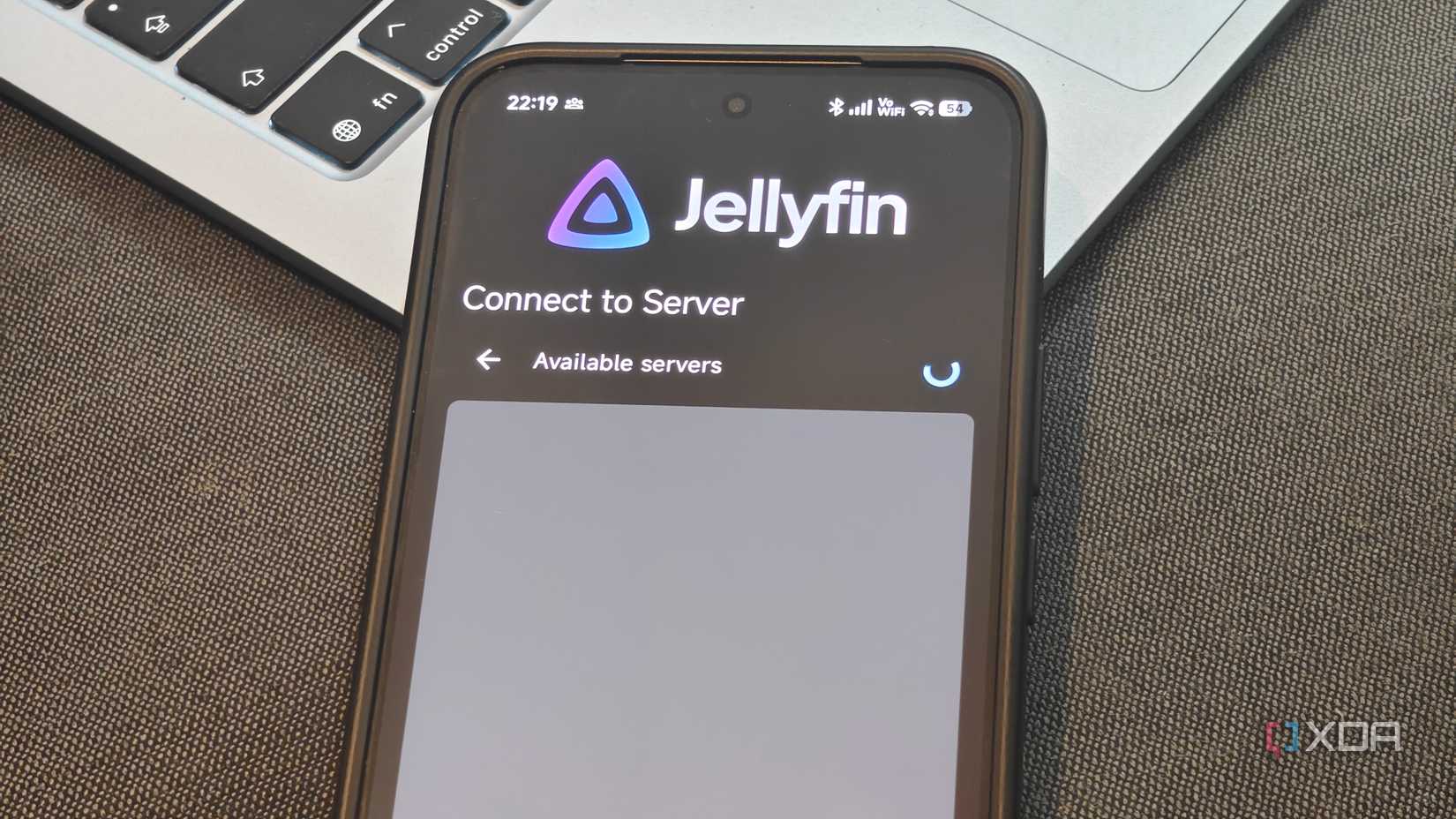
Jellyfin has fundamentally altered how I consume media. Instead of juggling multiple streaming apps or manually transferring video files to my device, I simply open the Jellyfin app. It offers a sophisticated, polished interface that rivals the biggest streaming services.
If I’m planning a long flight, I can download movies directly to my phone within the app. If I’m at home, I can start a movie on my television and finish it on my Pixel without missing a beat, thanks to seamless playback progress syncing. Because I control the infrastructure, I never have to worry about a movie being removed from the library due to a corporate contract dispute. It is freedom, plain and simple.
Home Assistant: The Brain of My Living Space
Perhaps the most ambitious project in my stack is Home Assistant. It acts as the central nervous system for my entire home. Before I adopted it, I was trapped in a web of vendor-specific apps—one for my lights, one for the thermostat, one for my security sensors. It was a fragmented, frustrating mess.
The Pixel as a Command Center
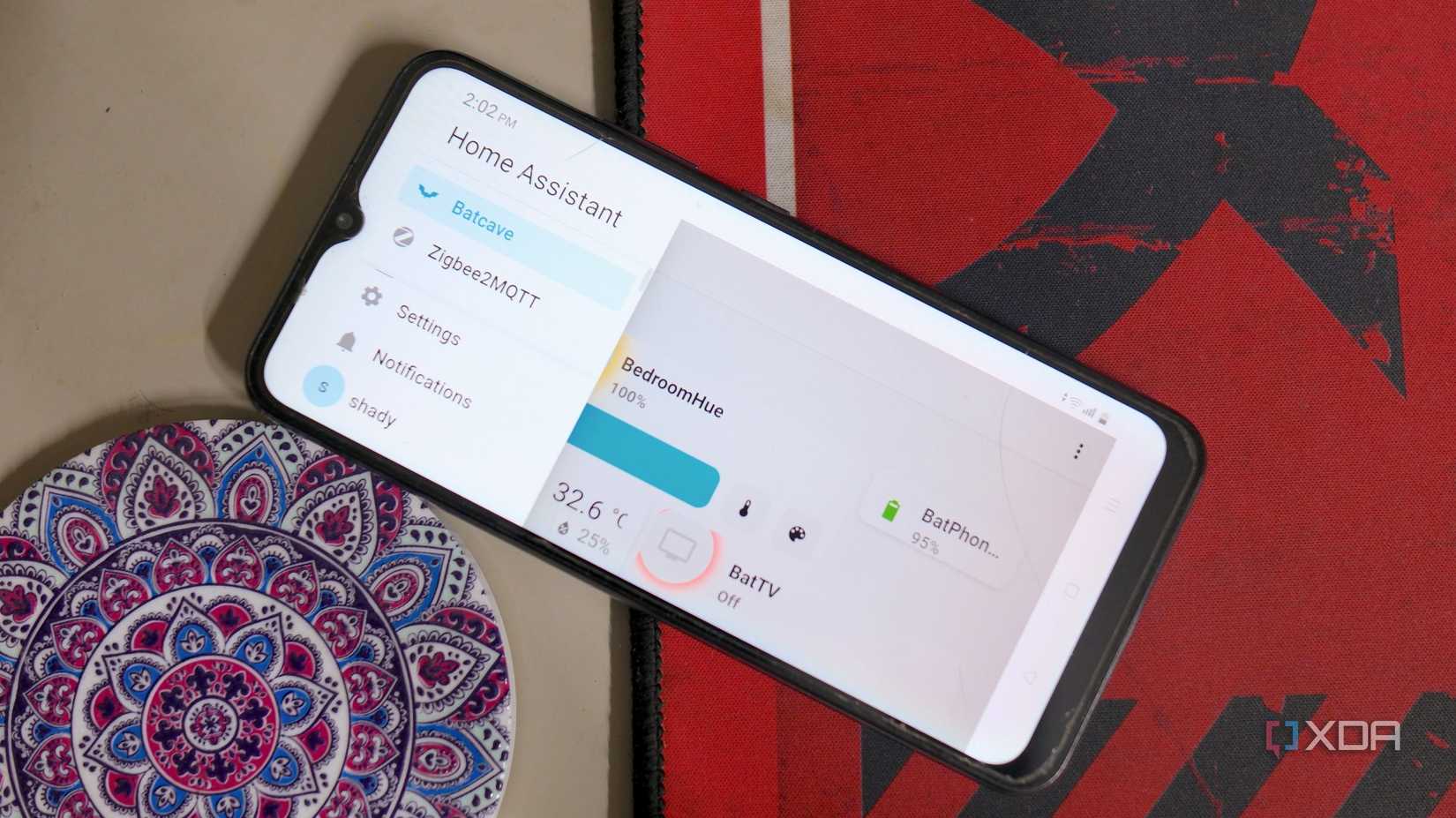
Home Assistant brought everything under one roof. Every device, regardless of manufacturer, appears on a single, unified dashboard. But the magic lies in the companion app’s integration with the Pixel itself.
My phone now acts as a sophisticated sensor for my home. The app tracks my location, my battery levels, and my charging status, all of which trigger complex automations. When I am nearing home, the hallway lights activate; when I leave, the thermostat adjusts to save energy. The notification system is also highly refined; my server only alerts me to events that truly matter, such as a door left ajar or a completed wash cycle. It is a powerful tool that requires a learning curve, but once the logic is established, it provides a level of control and convenience that no proprietary ecosystem can match.
Paperless-ngx: Digital Paperwork for the Modern Age
Paperwork is the bane of adulthood. Invoices, warranty cards, insurance policies, and tax documents often end up in a drawer or buried in an email inbox. Paperless-ngx, paired with the Paperless Mobile app, has digitized my administrative life.

Mobility and Documentation
The ability to search my entire document archive from my phone is a game-changer. If I am at a store and need to prove a warranty claim, I don’t need to hunt through folders; I search for the product name, and the receipt is there in seconds. I can even use the phone’s camera to scan new documents, which are immediately processed and organized by the server. This has significantly reduced the friction of managing personal finances and household documentation, turning a tedious chore into a simple, automated process.
Implications: The Future of Personal Tech
The journey toward mobile-first self-hosting is not just about the convenience of having your files in your pocket. It is a fundamental shift in the power dynamic of the internet. By moving our photos, documents, media, and home controls to self-hosted infrastructure, we are reclaiming our digital autonomy.
We are entering an era where users are no longer content to be "tenants" in a tech giant’s ecosystem. The success of apps like Immich and the robustness of platforms like Home Assistant prove that the tools exist to build a sustainable, private, and highly functional digital life.
The myth that self-hosting is purely a desktop-bound, terminal-heavy endeavor is effectively dead. With the right software and a willingness to embrace the learning curve, the modern mobile device becomes the ultimate gateway to a truly personal cloud. My Pixel is no longer just a communication device; it is a remote control for my digital existence, and I am the one in charge.