









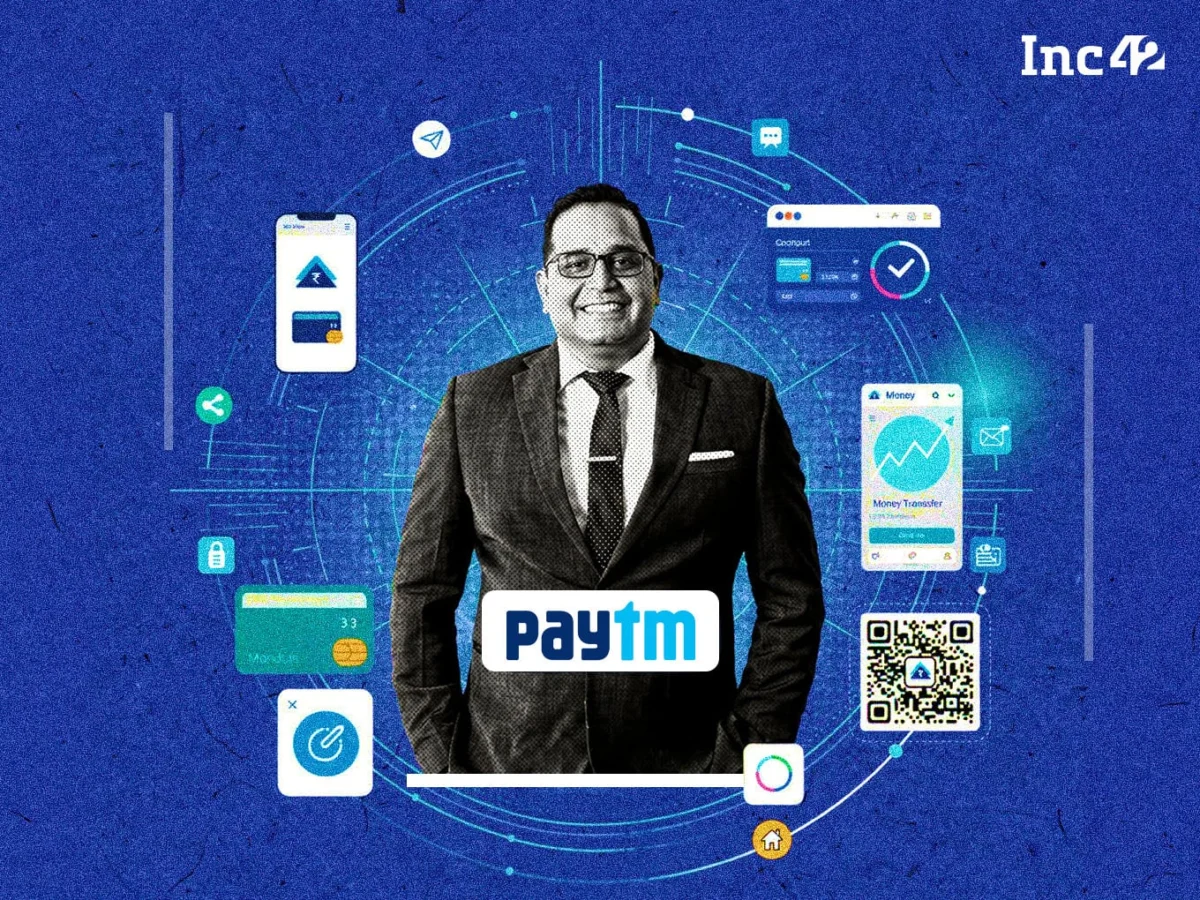
In a surprising turn of events that has captured the attention of the Indian financial markets, fintech giant Paytm (One 97 Communications) has officially shelved its proposal for a maiden bonus issue of shares. Despite the company’s recent financial resurgence, the board of directors concluded that the timing for such a capital restructuring is not optimal. Instead, the company has signaled a laser-like focus on compounding its current growth trajectory and accelerating profitability as the primary drivers for long-term shareholder value creation.
This decision marks a pivotal moment for the fintech major, which has been navigating a complex transition since its 2021 market debut. As the company continues to report robust financial health, the board’s decision reflects a disciplined, growth-first philosophy that prioritizes operational scaling over capital market optics.
The Chronology of a Strategic Reversal
The sequence of events leading to this decision unfolded rapidly, sparking intense speculation among institutional and retail investors alike.
- Initial Announcement: Only days prior to the final decision, One 97 Communications informed the stock exchanges that its board of directors would meet to consider a proposal for the company’s first-ever bonus issue of shares. The news was met with optimism, as bonus issues are traditionally viewed as a sign of management’s confidence in a company’s future cash flows and financial stability.
- The Deliberation Period: Following the announcement, the market anticipated a potential reward for long-term shareholders. However, the board conducted a comprehensive evaluation of the company’s capital allocation strategy, weighing the short-term market appeal of a bonus issue against the long-term capital requirements of a scaling fintech ecosystem.
- The Board’s Verdict: In a formal filing, the company declared that the board had opted not to proceed with the bonus issue "at this time." The rationale provided was clear: the board determined that the company’s current capital is better served by being deployed into core growth initiatives that yield long-term compounding returns for shareholders rather than engaging in equity dilution exercises.
Supporting Financial Data: A Quarter of Transformation
The backdrop to this decision is a remarkably strong financial performance. In Q1 FY27, Paytm showcased its ability to balance rapid revenue expansion with significant bottom-line growth, effectively dispelling concerns regarding the sustainability of its business model.
Key Performance Indicators (Q1 FY27):
- Consolidated Net Profit: The company reported a massive 78.8% year-on-year (YoY) increase, with profits reaching ₹220 Cr compared to ₹123 Cr in the corresponding quarter of the previous fiscal year.
- Operating Revenue: Revenue from operations surged by 27.6% YoY, climbing to ₹2,448 Cr from ₹1,918 Cr in Q1 FY26.
- Operational Efficiency: These figures underscore a successful pivot toward high-margin financial services, indicating that Paytm’s strategy of diversifying beyond payments into wealth management and lending is bearing fruit.
The strength of these numbers suggests that Paytm is no longer merely a high-burn startup but a mature financial institution capable of generating consistent, quarterly profits.
Strategic Capital Allocation: Beyond the Bonus Issue
While the bonus issue was rejected, the board did not remain idle. Several other key strategic decisions were ratified, signaling where the company intends to direct its capital in the coming months.
1. Strengthening the Wealth Management Arm
The board approved a capital infusion of up to ₹100 Cr into its wholly-owned subsidiary, Paytm Money. This investment, facilitated via a rights issue, is earmarked for:
- Tech Stack Upgrades: Enhancing the underlying infrastructure to handle higher transaction volumes and complex wealth management products.
- Expansion: Scaling the subsidiary’s product offerings to compete more aggressively in the retail investment and wealth advisory space.
2. Redeployment of IPO Proceeds
Perhaps most significantly, the board unveiled a plan to re-deploy the remaining ₹1,686 Cr from its initial public offering (IPO) proceeds. These funds, which have remained on the balance sheet, will now be utilized to:
- Strengthen the core Paytm ecosystem.
- Pursue new, high-growth business initiatives that align with the company’s long-term vision.
- Note: This redeployment is currently subject to shareholder approval.
3. Strengthening Leadership
In a move to bring additional global expertise to the table, the board appointed former Google executive Amitabh Kumar Singhal as a non-independent director. His expertise is expected to play a crucial role as Paytm seeks to leverage advanced technology and global best practices to navigate the next phase of its evolution.
Implications: Why the "No" Matters
The decision to scrap the bonus issue is not merely a bureaucratic footnote; it is a signal of the company’s evolving corporate philosophy.
Investor Sentiment and Market Dynamics
Bonus shares, while not changing the intrinsic value of a company or an investor’s percentage stake, often act as a liquidity catalyst and a psychological boost. By opting against it, Paytm is telling the market that it prefers to be judged by its underlying fundamentals—profitability and revenue growth—rather than by capital structure maneuvers.
For the market, the message is twofold:
- Confidence in Execution: The company believes its current path toward growth is self-sustaining and that it does not need to use "market-friendly" tactics to boost sentiment.
- Prioritizing Growth over Optics: By holding onto the capital that would have been required for a bonus restructuring, the board is maintaining the flexibility to invest in research, development, and new market segments that offer higher returns on capital employed.
The Road Ahead
Paytm’s focus on "compounding growth" suggests that the management team is looking at a five-to-ten-year horizon. In the fintech sector, where the pace of innovation is relentless, having a war chest of capital (such as the redirected ₹1,686 Cr) is far more valuable than a change in the share ledger.
As of the latest market session, Paytm’s shares closed marginally lower at ₹1,348 on the BSE. While some investors may have been disappointed by the lack of a bonus issue, the company’s robust Q1 results suggest that the long-term value proposition remains intact.
Concluding Thoughts: A Disciplined Future
The fintech landscape in India is entering a stage of consolidation. Companies that can demonstrate both profitability and the ability to innovate are the ones that will dominate the next decade. Paytm’s decision to prioritize its core operations over the cosmetic appeal of a bonus issue highlights a maturing organization.
By investing in its subsidiary Paytm Money and strategically re-deploying its IPO reserves, the company is positioning itself to capture the next wave of demand in India’s digital economy. The appointment of seasoned professionals like Amitabh Kumar Singhal further reinforces the idea that the board is building a structure capable of handling larger scale and more complex market challenges.
For shareholders, the path ahead appears to be one of steady, fundamental growth. While the "bonus" might be off the table for now, the underlying value being created through operational efficiency and strategic expansion offers a more sustainable, if less immediate, form of reward. Paytm has clearly stated its objective: to build a lasting, profitable, and technologically superior financial ecosystem—a goal that requires patience, discipline, and a steadfast commitment to the bottom line.