










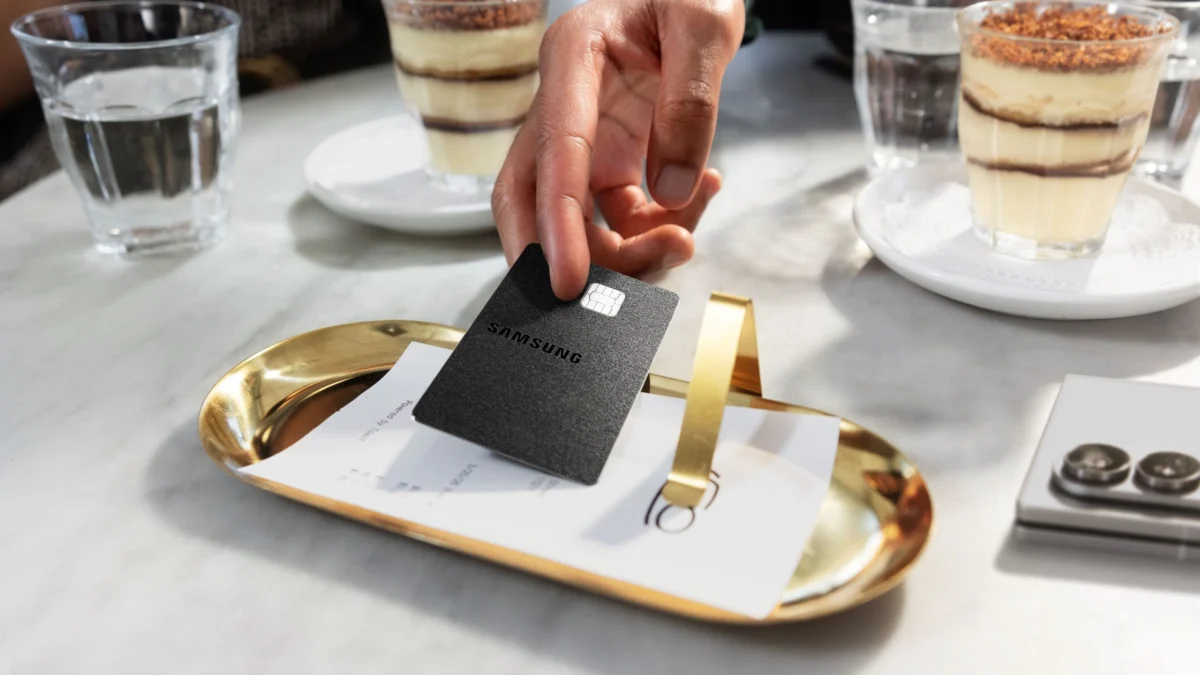
In a move that signals a significant shift in its long-term ecosystem strategy, Samsung Electronics has officially launched the Galaxy Card, the company’s first-ever proprietary credit card in the United States. Unveiled alongside a suite of high-end hardware at the July 22 Galaxy Unpacked event, the credit card represents a bold ambition to tether its vast consumer base more tightly to the “Samsung Galaxy” lifestyle. Developed in partnership with Barclays U.S. Consumer Bank and operating on the Visa network, the card is designed to serve as both a digital-first financial tool and a premium physical accessory.
For Samsung, the move is more than a simple entry into fintech; it is a calculated effort to compete directly with rival Apple, which has successfully leveraged the Apple Card to integrate financial services into its hardware ecosystem. By offering aggressive cashback incentives on its own hardware and services, Samsung is attempting to transform the way its users interact with its brand, turning a traditional transaction into a long-term loyalty cycle.
The Core Offering: What You Need to Know
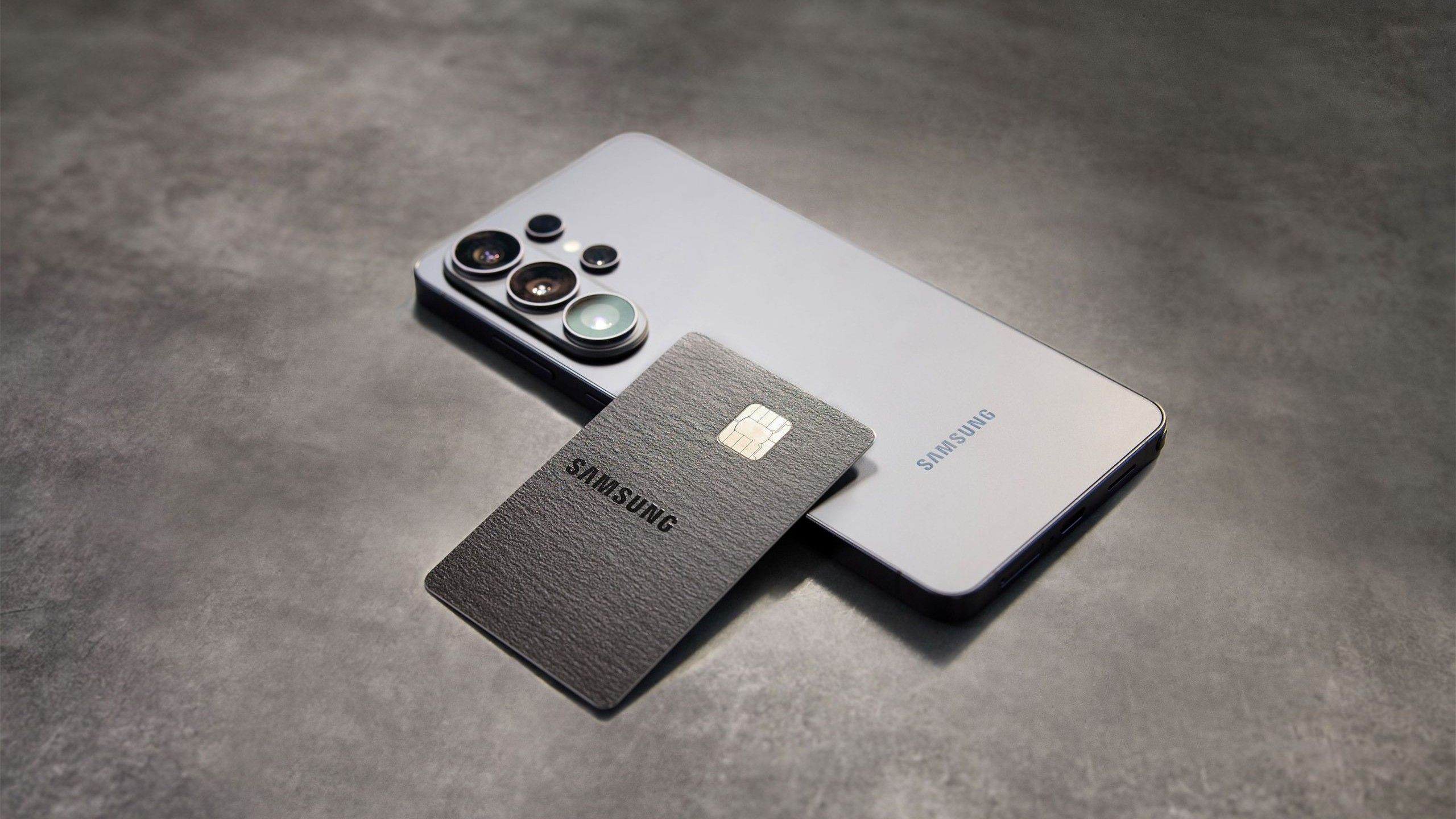
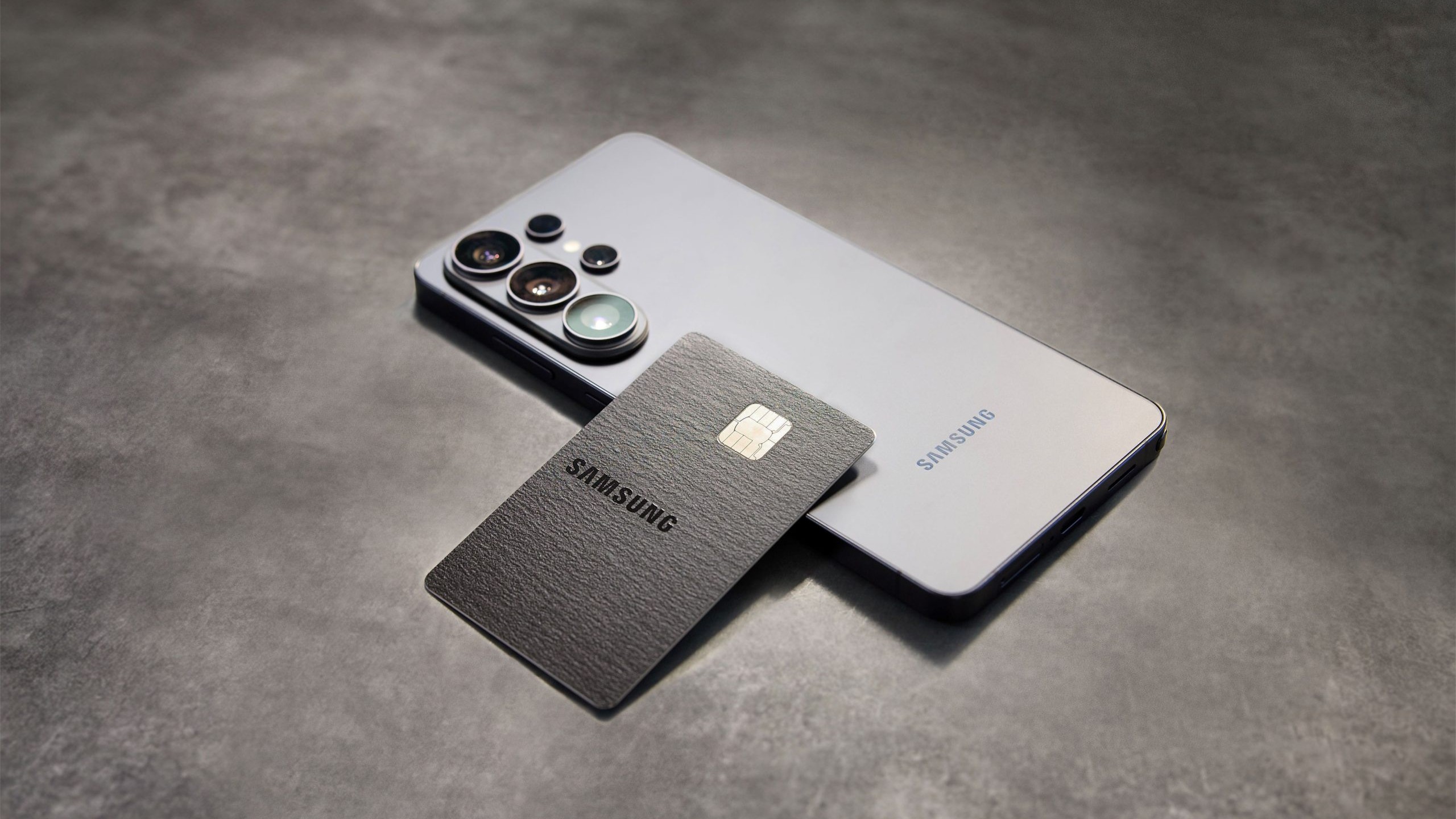
The Galaxy Card is designed to be as integrated as the hardware it supports. Available as both a virtual card—instantaneously accessible through the Samsung Wallet—and a sleek, physical black metal card, it aims to appeal to both the tech-savvy professional and the loyal Samsung enthusiast.
Financial Structure
The card launches with a competitive $0 annual fee, positioning it as an accessible entry point for consumers already invested in the Samsung ecosystem. The primary draw is its tiered rewards structure, which is clearly intended to subsidize the high cost of flagship Samsung devices.
- 5% Cash Rewards: Users receive 5% cash back on all eligible purchases made directly through Samsung’s official storefronts.
- VIP Advantage Perks: Beyond standard hardware, the card offers a 20% discount on Samsung VIP Advantage memberships and an additional 5% in cash rewards when purchasing or renewing these memberships.
These incentives serve as a potent "lock-in" mechanism. By incentivizing the purchase of Galaxy Z Fold, Z Flip, or the latest Galaxy Watch and tablet models through the card, Samsung is essentially offering a permanent discount to its most dedicated customers, thereby insulating its hardware sales from competitors.
A Chronology of Anticipation
The arrival of the Galaxy Card is not a sudden development, but rather the culmination of years of speculation and strategic maneuvering.
Late 2023: Initial reports began to circulate that Samsung was in active talks with Barclays to develop a branded credit card for the U.S. market. At the time, industry analysts were skeptical, noting that the credit card market is notoriously difficult to penetrate. However, the rumors persisted, with reports indicating that the card would likely focus on cashback rewards for mobile devices and home appliances.
Early 2024: Samsung continued to refine its financial software, particularly the Samsung Wallet. The company introduced features allowing users to split in-store payments into installments, a clear sign that it was testing the waters for more advanced credit-based services.
July 22, 2024: The official unveiling. By timing the announcement with the Galaxy Unpacked event—which showcased the new Galaxy Z-series foldables and a new generation of smartwatches—Samsung ensured the Galaxy Card would be viewed as an essential companion piece to its latest technological innovations rather than an afterthought.
Supporting Data and Strategic Rationale
To understand why Samsung has entered the crowded credit card market, one must look at the data regarding hardware loyalty. Research into consumer behavior shows that users who utilize a brand’s integrated payment card are significantly less likely to "churn" to a competitor.
The Ecosystem Effect
By embedding the Galaxy Card into the Samsung Wallet, the company is creating a frictionless payment experience. When a user buys a new smartphone using the Galaxy Card, they earn rewards that can then be applied to future purchases—such as accessories, home appliances, or even premium service subscriptions. This creates a "flywheel" effect where the financial incentive drives the hardware purchase, which in turn drives further loyalty.
Partnership Dynamics
The collaboration with Barclays U.S. Consumer Bank is strategic. Barclays has a proven track record of managing successful co-branded credit cards. By leveraging the Visa network, Samsung ensures global acceptance, allowing the Galaxy Card to function not just as a store card for Samsung, but as a daily-driver credit card for groceries, gas, and travel.
Official Responses and Industry Outlook
Samsung has framed the Galaxy Card as an "innovative payment option" designed to reward the company’s most loyal consumers. While the company has remained tight-lipped regarding the specific volume of applications it expects in the first quarter, the messaging from its leadership emphasizes "seamless integration" and "value creation."
Market analysts have noted that the "black metal" aesthetic is a deliberate choice. In the world of high-end credit cards, the physical weight and feel of the card often signal status and prestige. By opting for a premium metal build, Samsung is positioning the Galaxy Card as a luxury item, mirroring the design language of its top-tier foldable phones.
However, industry experts also caution that the success of the card will depend on the clarity of its rewards redemption process. If the cashback is difficult to use or has too many fine-print restrictions, the initial excitement may wane. As one industry observer noted: "The hardware is top-tier, but the banking experience is the real test. Samsung needs to ensure that the customer service provided by its financial partners is as high-quality as the service provided by its tech support."
Implications for the Tech Industry
The launch of the Galaxy Card has profound implications for the tech landscape.
A Direct Challenge to Apple
The most obvious implication is the direct challenge to the Apple Card. Apple has set a high bar for digital-first credit cards, focusing on privacy, ease of use, and integration within the Apple Wallet. By launching its own version, Samsung is closing a critical feature gap. For users choosing between a Galaxy device and an iPhone, the financial ecosystem now becomes a relevant factor in that decision-making process.
The "Banking-as-a-Service" Trend
We are witnessing a wider trend of "Big Tech" becoming "Big Finance." Companies like Google, Apple, and now Samsung are realizing that controlling the payment method is the final frontier in controlling the consumer experience. If a user spends their money through a Samsung-branded card, Samsung gains unprecedented insight into consumer spending habits, which can then be used to inform future product development and marketing strategies.
Future Expansion
What comes next? Industry rumors suggest that if the Galaxy Card sees high adoption, Samsung may look to expand its financial portfolio. This could include high-yield savings accounts, peer-to-peer payment features, or even more integrated insurance products for their expensive hardware. If you are a user who already owns a Samsung phone, watch, and refrigerator, the temptation to consolidate your financial life under the Samsung brand will only grow stronger.
Final Thoughts
The launch of the Galaxy Card is a defining moment for Samsung. It signifies a transition from being a hardware manufacturer to becoming a comprehensive lifestyle brand. For the average consumer, the card offers a practical way to save money on premium tech. For Samsung, it offers a secure foothold in the financial sector, ensuring that as long as customers are spending money, they are doing so within the Galaxy ecosystem.
As applications open and the first cards hit the mail, the tech world will be watching closely. Whether this leads to a broader shift in consumer behavior remains to be seen, but one thing is certain: the battle for the consumer’s wallet has officially moved into the digital, metal-clad age.