








In the high-stakes world of B2B SaaS, the "Request a Demo" button is often treated as the holy grail—a singular, powerful CTA that should theoretically bridge the gap between interest and revenue. Yet, for many marketing teams, the reality is far more sobering. Demo requests are stagnating, sales teams are frustrated by low-quality leads, and marketing budgets are being burned on traffic that refuses to convert.
The fundamental disconnect, according to recent industry analysis, lies in a strategic misunderstanding of the buyer’s journey. Marketers are treating "requesting a demo" like a low-friction action, such as downloading an ebook or signing up for a newsletter. In reality, a demo request is a significant commitment. It is a hand-raise that invites a sales conversation, necessitating a level of trust and intent that most cold traffic simply hasn’t developed yet.
The Reality of the Modern B2B Buyer’s Journey
To understand why landing pages are underperforming, one must look at the data. Dreamdata’s 2025 LinkedIn Ads Benchmark Report reveals a staggering reality: the average B2B customer journey now spans 211 days and includes approximately 88 touchpoints.
High-investment software decisions are rarely impulsive. They are the result of prolonged research, multiple peer reviews, and careful internal deliberation. If a marketing team attempts to force a demo request before a prospect has built sufficient trust or confirmed that the solution fits their needs, the conversion rate will inevitably crater.
Industry benchmarks from Unbounce’s 2024 Conversion Benchmark Report and subsequent 2026 data indicate that SaaS landing pages typically convert at a median rate of 3.1% to 3.8%. While these figures serve as a baseline, they are often skewed by the quality of the traffic being driven. When you push cold, top-of-funnel traffic directly to a high-intent demo page, you are essentially asking a stranger to marry you on a first date.
The "Core Four" Framework: Placing the Demo Page Correctly
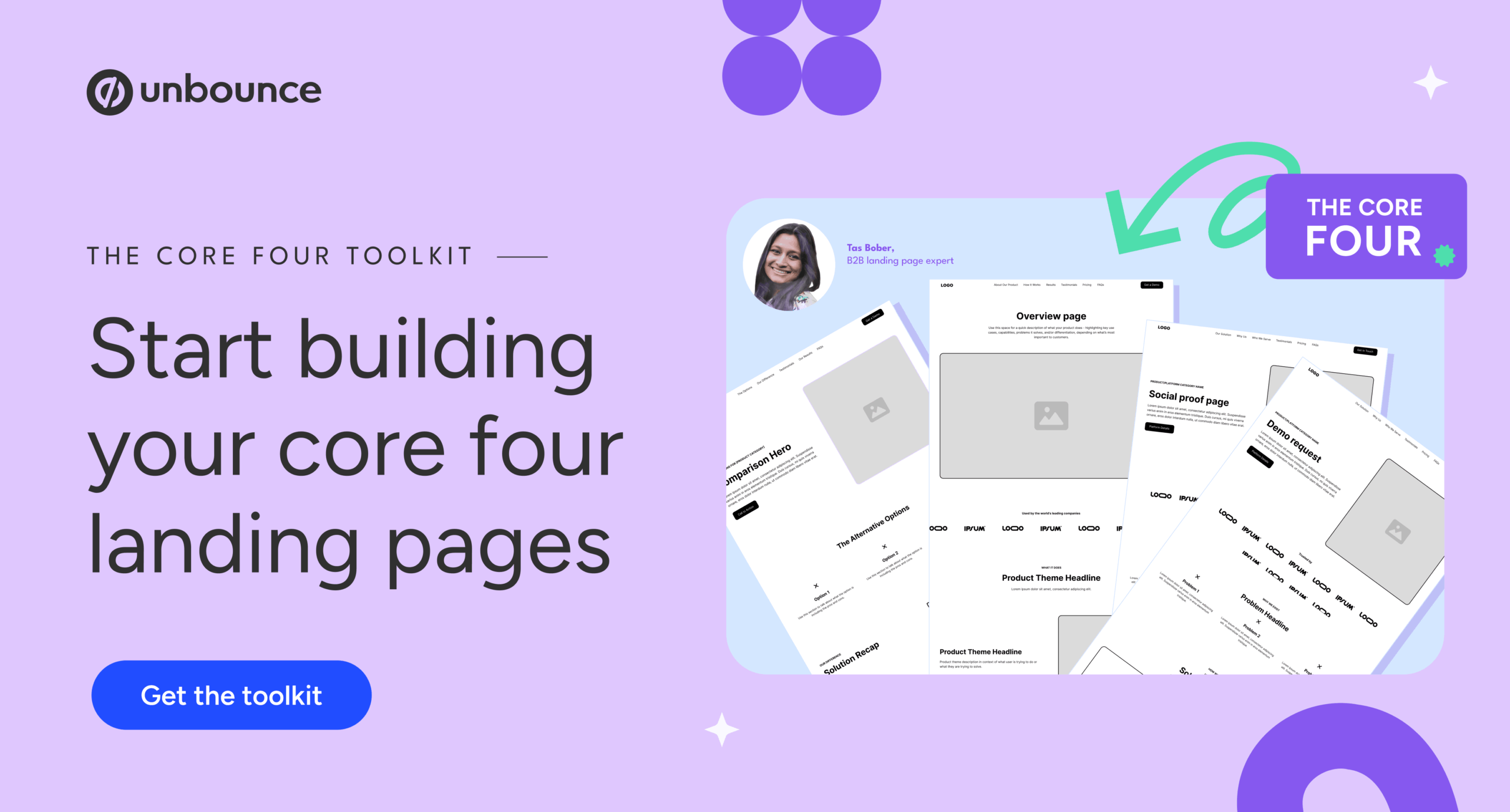
Landing page expert Tas Bober has pioneered a framework known as the "Core Four," which emphasizes that the demo page should never be the entry point for a prospect. Instead, it should be the final destination for a well-educated, "warm" lead.
The journey should look like this:
- Awareness/Education: Content designed to define the problem.
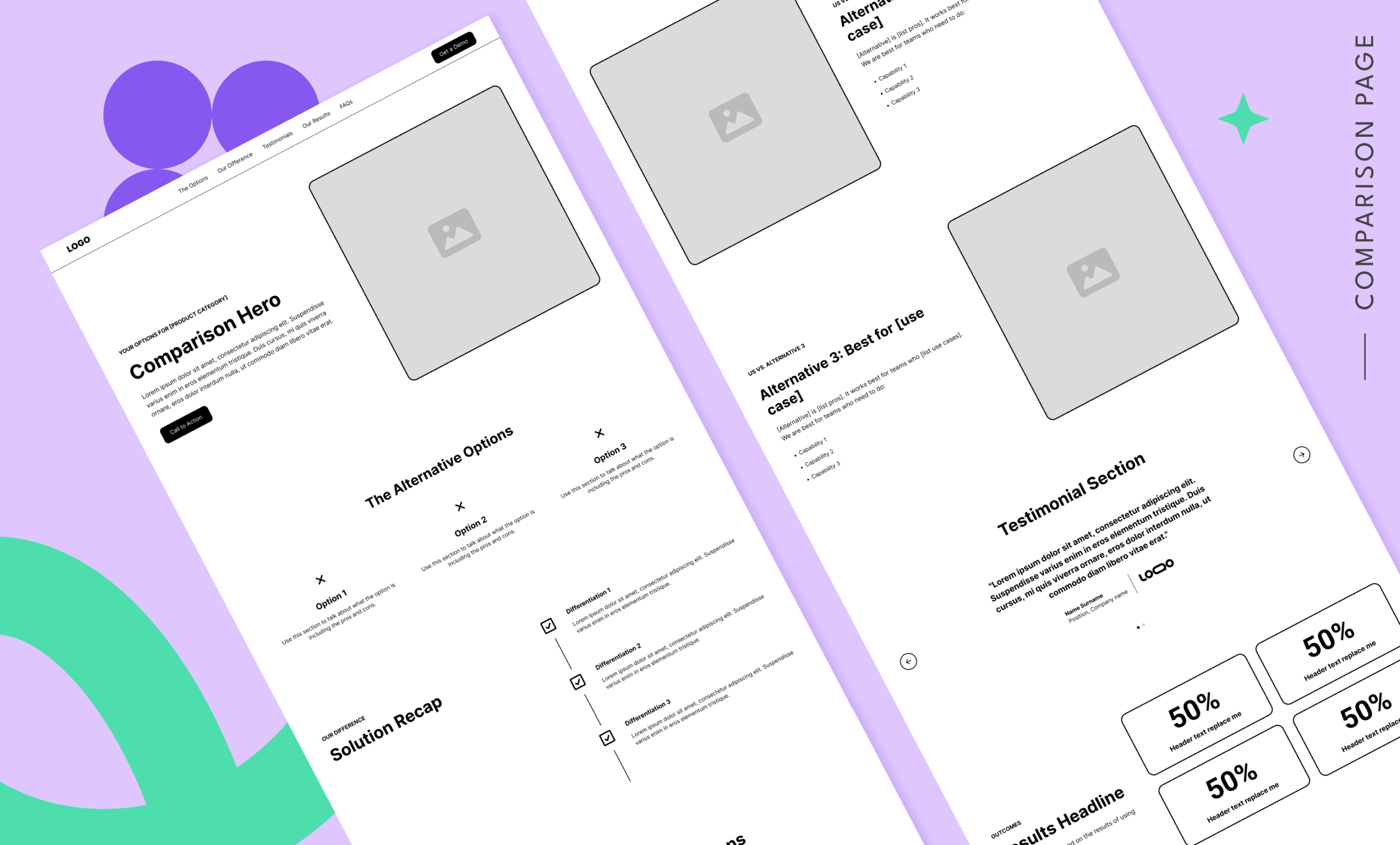
- Consideration: Comparative content showing how your solution stands out.
- Validation: Social proof and data-driven results.
- Conversion: The demo landing page.
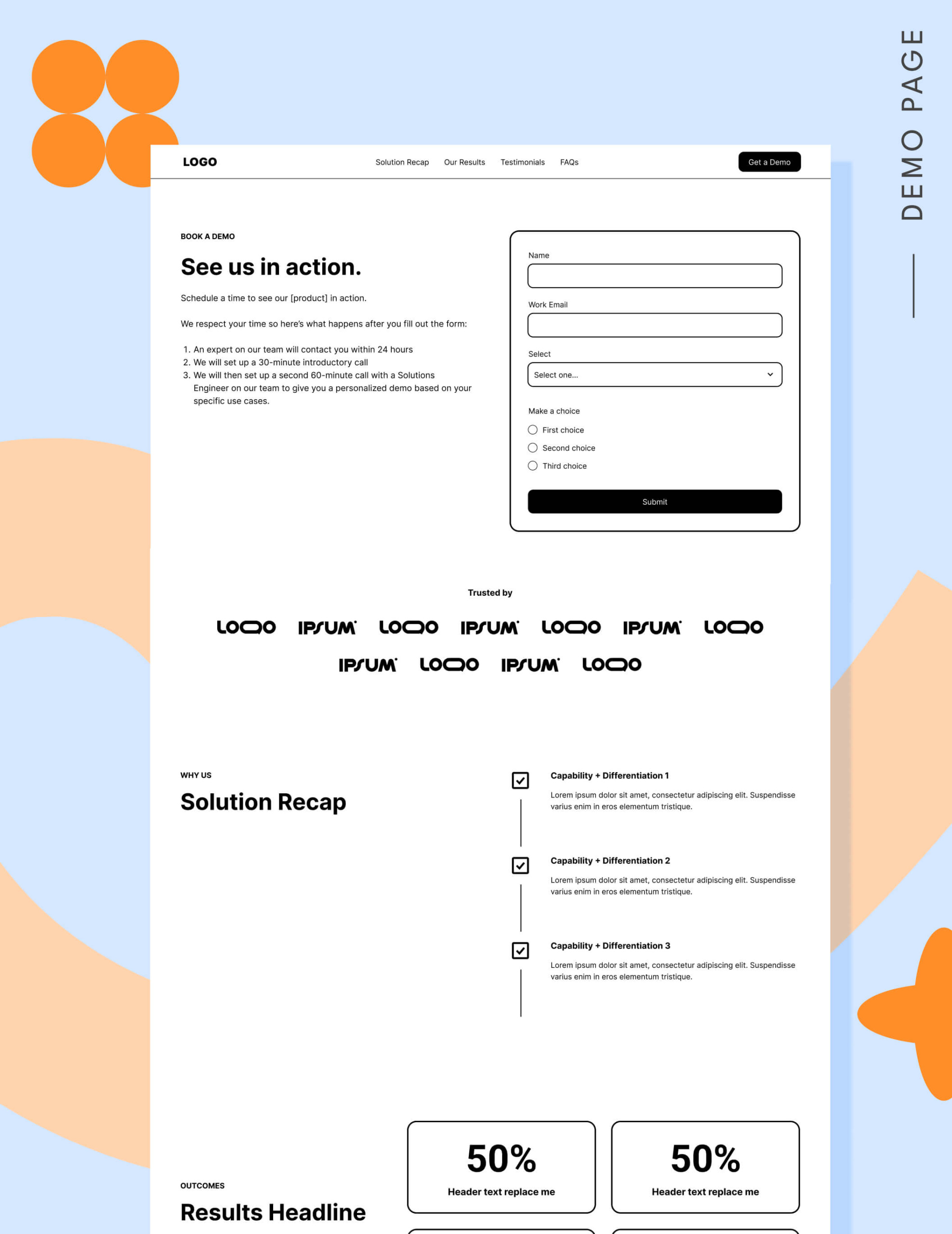
By the time a visitor hits your demo page, they should already understand what you do, who you serve, and why you are the most viable candidate for their shortlist. The demo page is not a sales pitch; it is a confirmation that moving forward is the right logical step.
Anatomy of a High-Converting Demo Landing Page
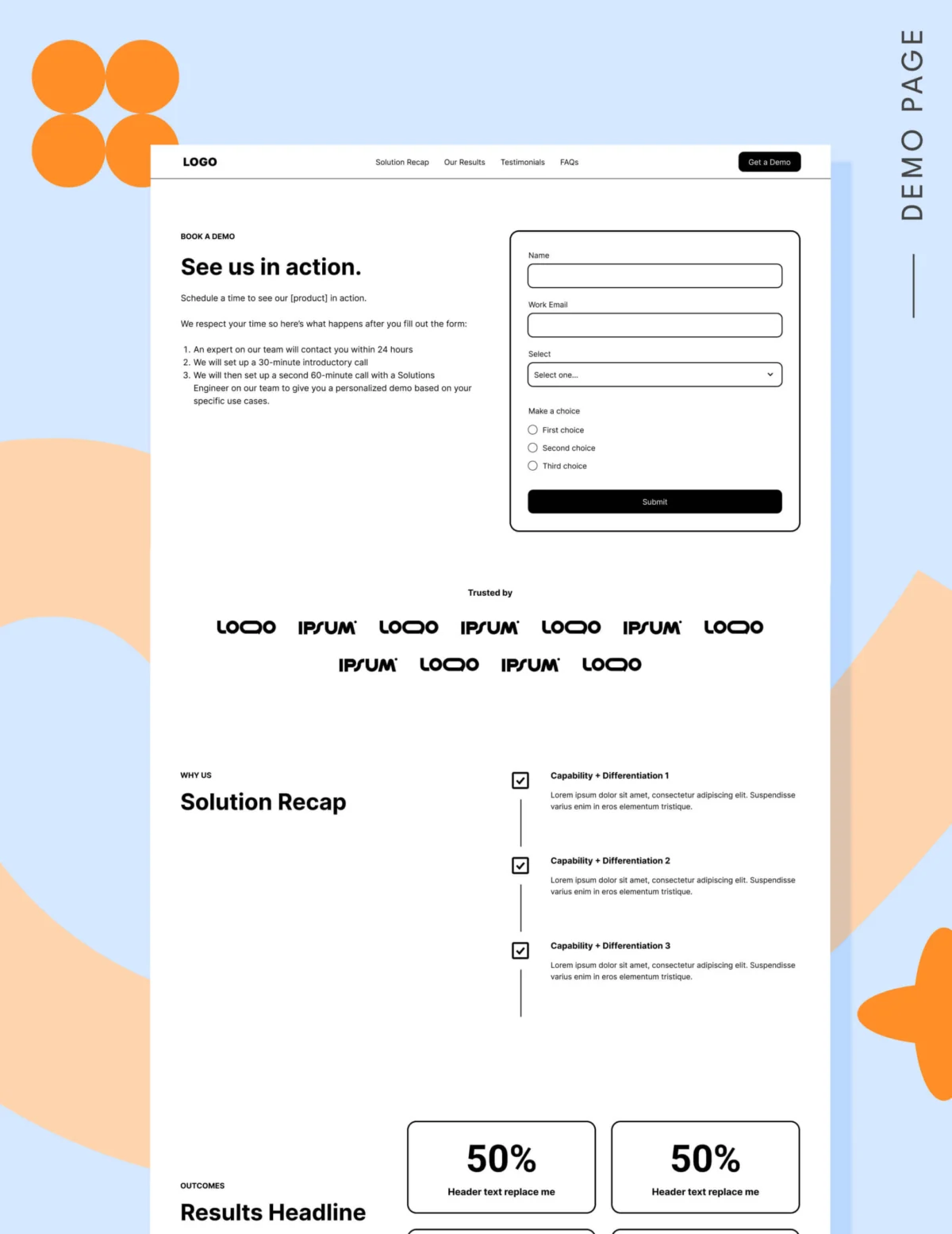
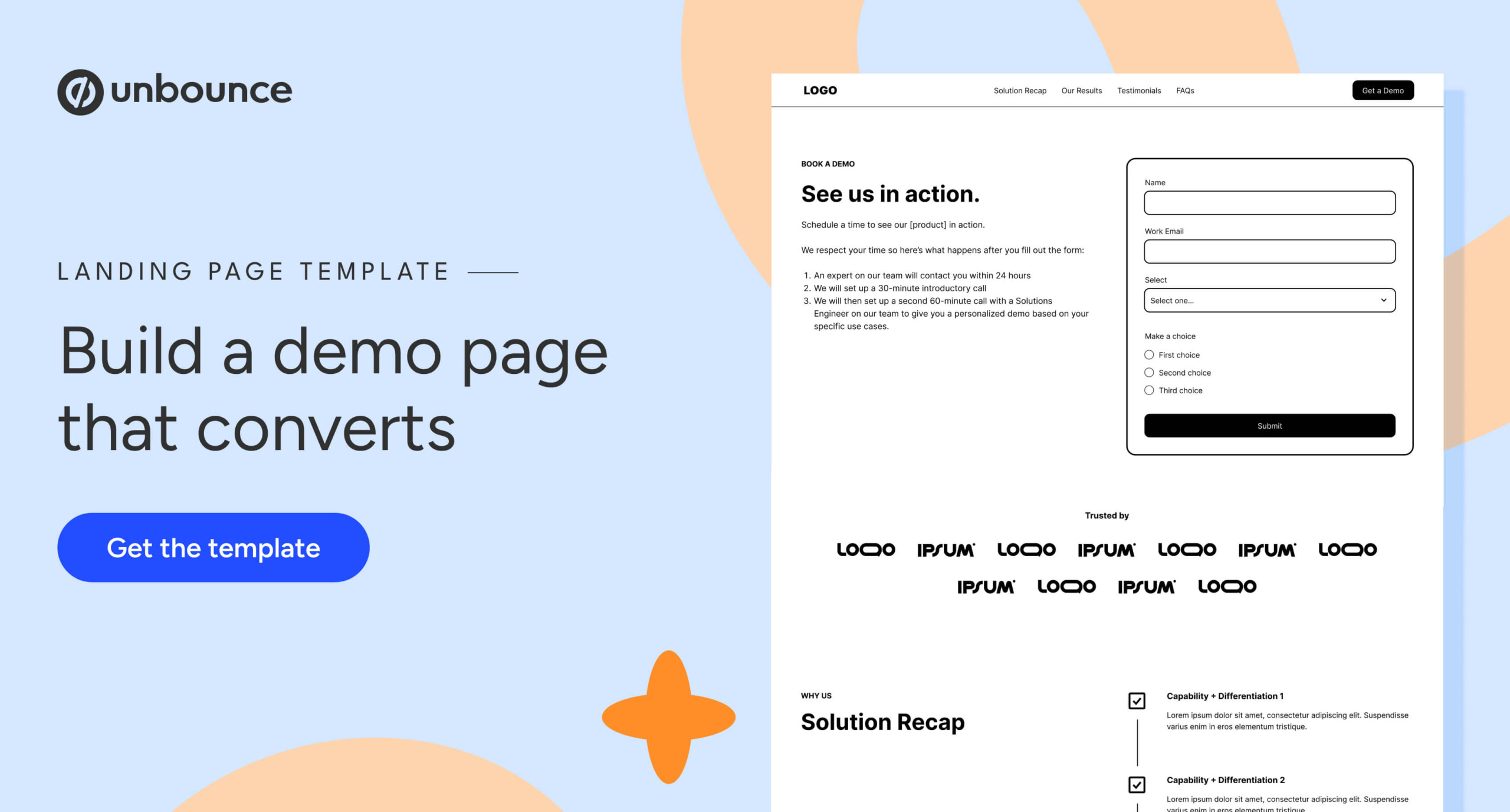
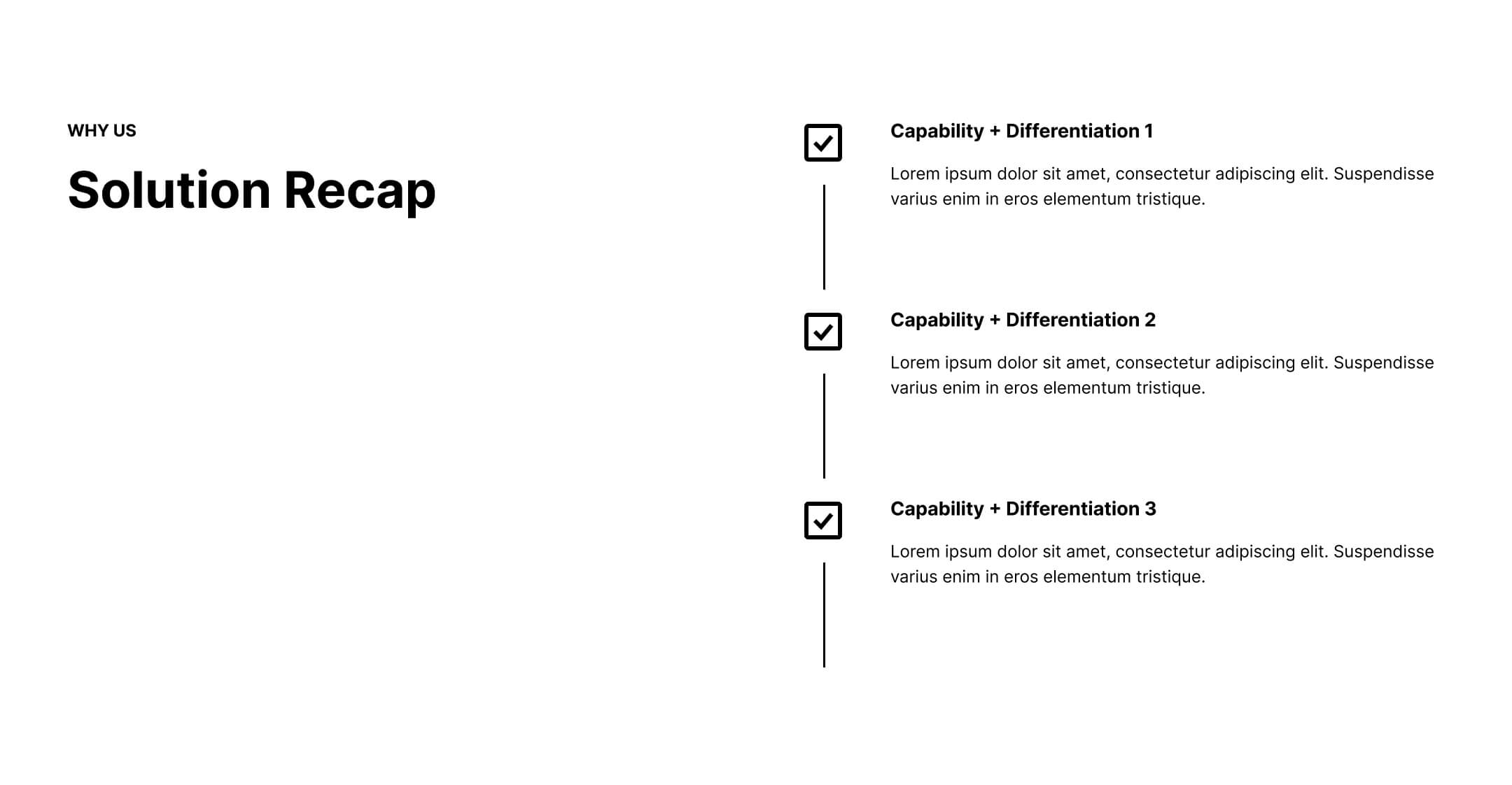
If your conversion rates are suffering, the issue is often a lack of clarity regarding the "what happens next" phase. Buyers hesitate because they fear a high-pressure sales onslaught. To mitigate this, your page must be built on three pillars: removing friction, answering final objections, and providing radical transparency.
The Hero Section: The First Point of Contact
Unlike most landing pages, the hero section of a demo page should feature your form prominently. Since the intent is high, don’t make them hunt for the button. Crucially, use this space to explain the process. A sub-headline like "See how we solve [Problem] in a 20-minute, no-pressure consultation" is far more effective than a generic "Book a Demo."

Navigation and Exit Points
The outdated mantra of "remove all navigation" is being challenged by modern search algorithms. Google’s 2025 updates favor pages that provide a natural user experience. On a demo page, providing a minimal footer or an anchor-link navigation bar can actually improve trust. It allows users to self-qualify further if they aren’t quite ready to commit, keeping them within your ecosystem rather than sending them back to a search engine.
The Power of Social Proof
Social proof must be tiered.
- Logo Gardens: Use these to build immediate authority. If the brands are recognizable, they act as a badge of trust.
- Quantifiable Results: Move beyond "we are great." Use specific data points: "Our clients see a 40% reduction in churn within 90 days."
- Testimonials: Volume matters. Aim for 6–12 testimonials. Potential buyers treat reviews like Amazon ratings; a high volume of positive feedback signals that the product is a standard industry choice, lowering the perceived risk of adoption.
Addressing the Pricing Taboo
Many B2B companies are terrified of publishing pricing. However, hiding your price tag often does more harm than good. Providing a starting range or a "starting at" figure filters out leads that are never going to close, saving your sales team from wasting time on unqualified prospects. Transparency creates a foundation of trust that is essential for a long-term B2B relationship.
Strategic Shifts: Form Fields and Scheduling Tools
When it comes to form length, the data is clear: keep it lean. A notable drop-off in conversion occurs after five fields. While sales teams often demand more qualification data, you must balance this against the "cost" of the conversion. If you need more information, use a multi-step form or a qualifying question that only appears if the user expresses interest.
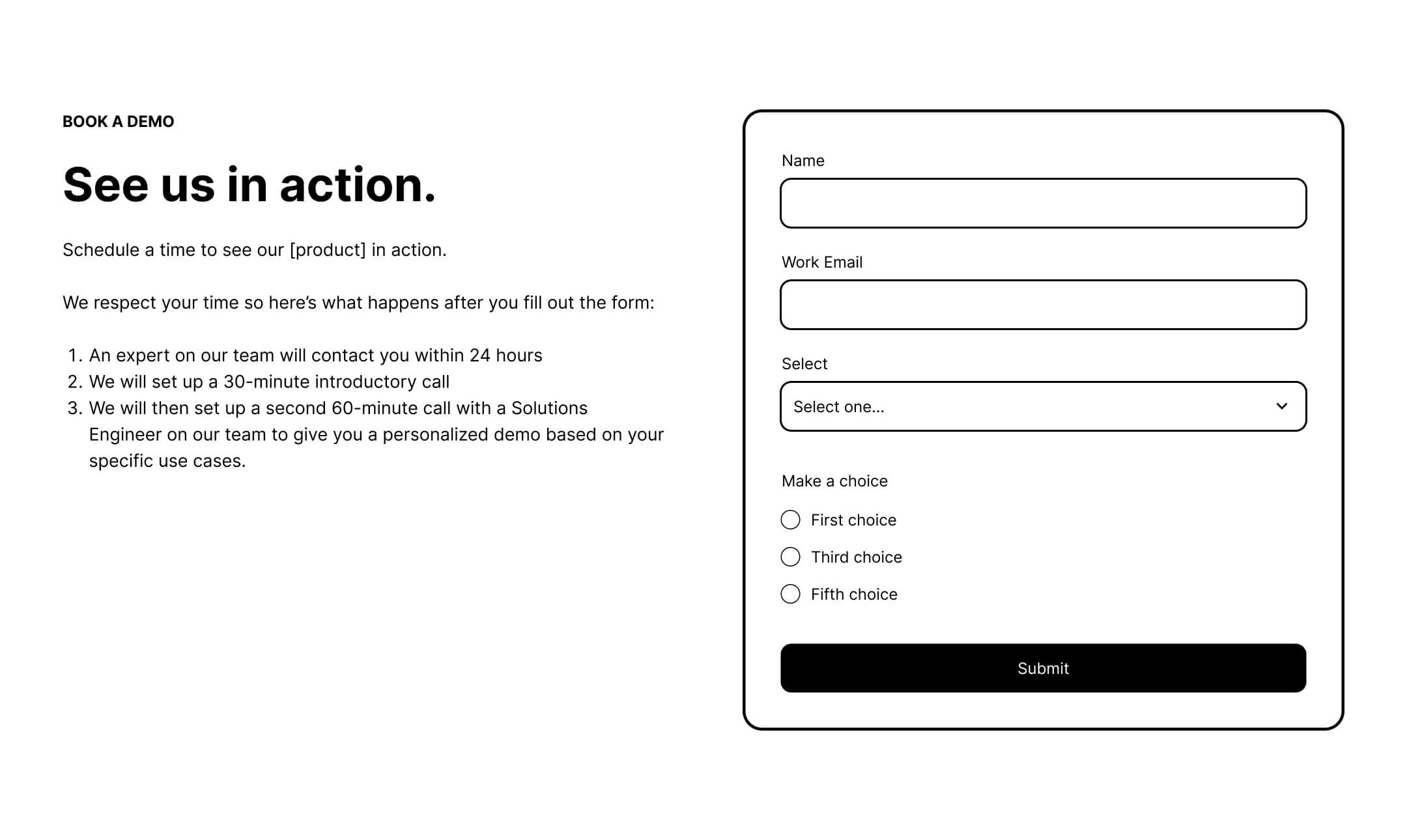
The choice between a static form and a scheduling tool like Calendly depends on your sales motion. A scheduling tool is excellent for high-intent, well-qualified traffic because it provides instant gratification. However, if your leads require a specific vetting process, a form is safer. You can also implement a hybrid: a form that, once submitted, triggers a scheduling prompt for qualified leads.
Implications: The "Traffic First" Mandate
The most important takeaway for any marketing organization is this: You cannot optimize your way out of bad targeting.
If you are seeing poor results, your first step should not be to A/B test the button color or rewrite the hero copy. It should be an audit of your traffic sources. Are you sending cold prospects to a demo page? If so, you are wasting your budget.
Re-align your paid media strategy to ensure that your demo page is receiving only the most high-intent visitors. Once you have fixed the traffic, use the "Core Four" framework to ensure the page itself is a final, reassuring nudge rather than an aggressive, premature sales pitch.
Conclusion
A successful SaaS demo landing page is not a pressure cooker; it is a concierge. It welcomes the informed buyer, answers their remaining questions, validates their research, and makes the path to a sales conversation feel like an obvious, low-risk decision. By shifting the focus from "getting a lead" to "facilitating a buyer’s decision," teams can move past the stagnation of the last few years and finally start seeing the conversion rates their products deserve.