





After a three-year hiatus from the competitive Indian smartphone landscape, Alcatel is officially staging a comeback. The brand, now operating under the aegis of TCL Communication, has set its sights on reclaiming its market share with the upcoming launch of the Alcatel V3 Ultra. This device represents more than just a new product; it is a calculated strategic move designed to integrate global technological innovations with the burgeoning demands of the Indian consumer.
By leveraging its proprietary display technology and committing to local manufacturing, Alcatel is positioning itself as a formidable contender in the mid-range to premium smartphone segments.
The Core Facts: What We Know About the V3 Ultra
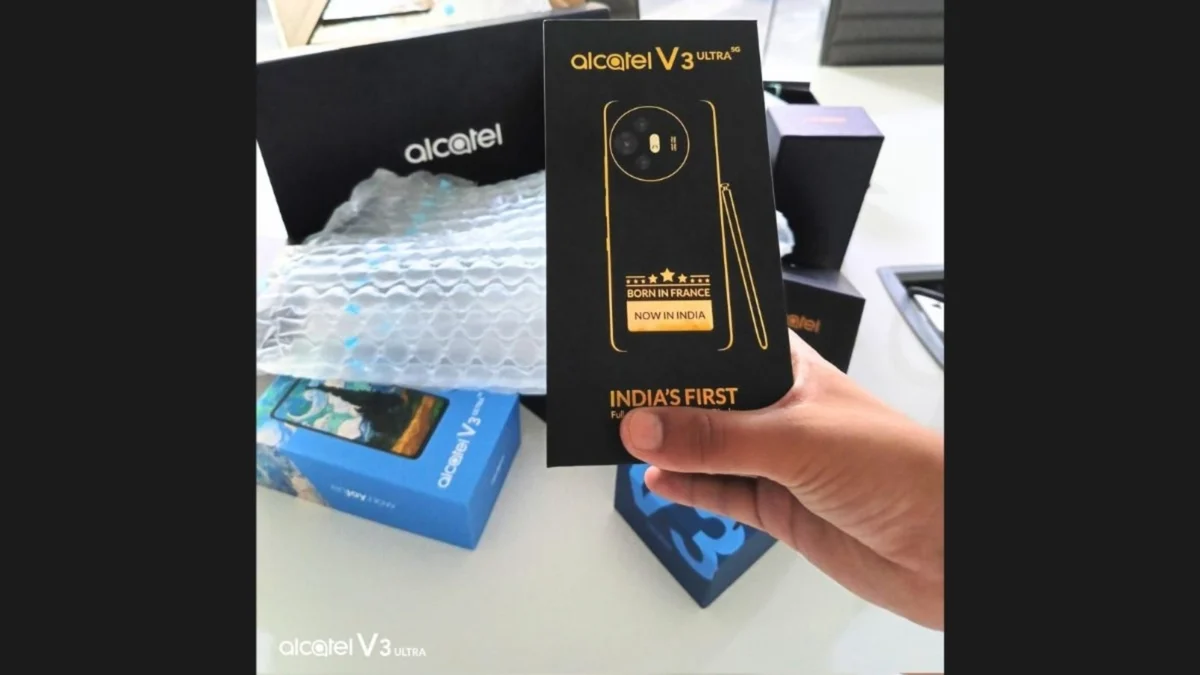
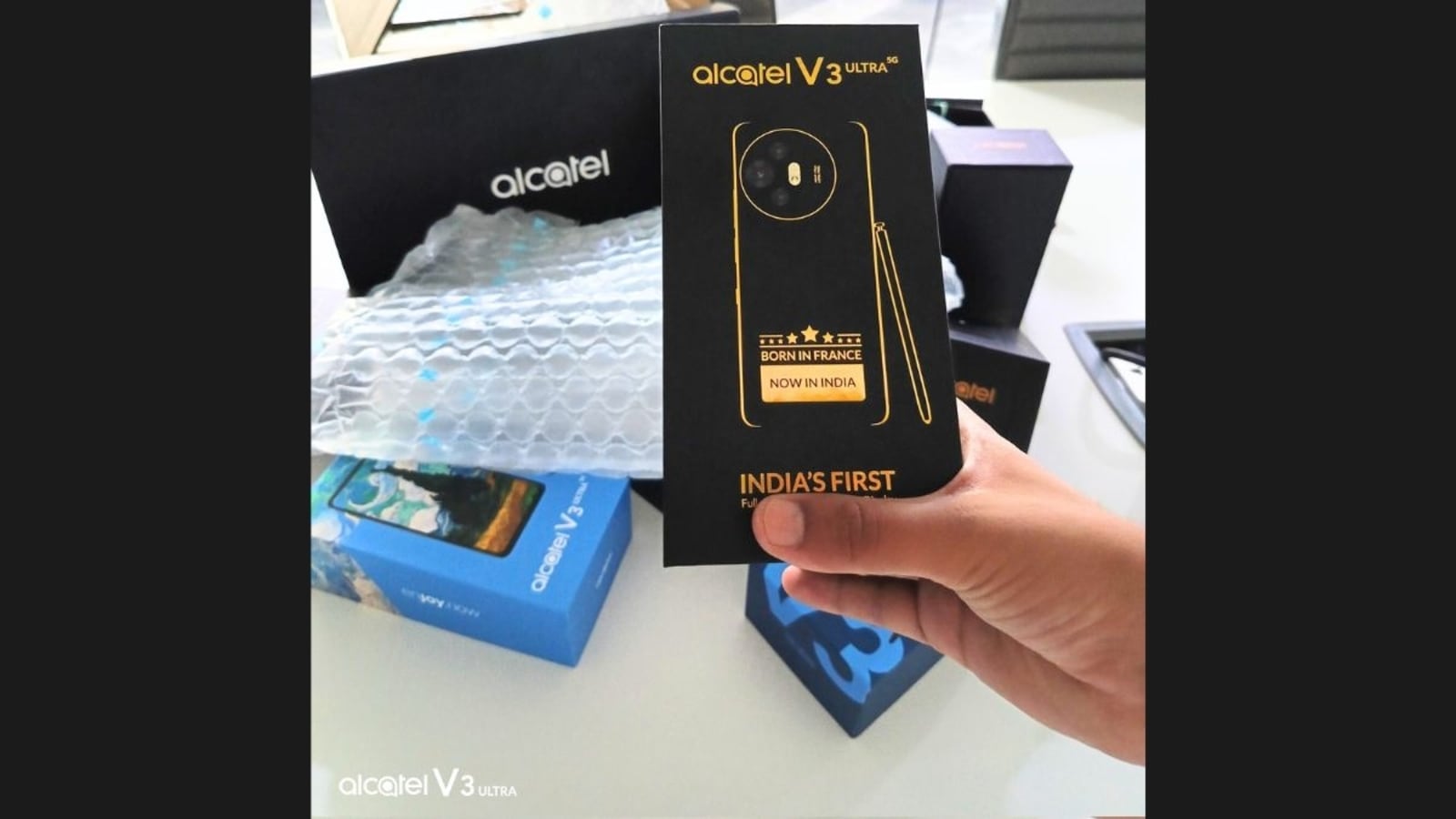
The anticipation surrounding the Alcatel V3 Ultra reached a fever pitch recently when Madhav Sheth, a pivotal figure in the brand’s Indian operations, shared a teaser of the device’s retail packaging on social media. This candid reveal provided the first concrete evidence of the phone’s design philosophy and feature set.
Design and Aesthetics
The retail box, finished in a sleek, minimalist black with bold yellow typography, underscores the premium positioning of the handset. The branding on the box prominently highlights the inclusion of a stylus, a feature typically reserved for flagship devices or productivity-focused handsets.
Visual cues from the packaging suggest that the V3 Ultra will feature a sophisticated circular rear camera module, housing a triple-sensor array paired with a high-intensity LED flash. The packaging also hints at a vibrant display, likely a flat panel featuring a centrally located hole-punch cutout, a design language currently favored for its clean, symmetrical aesthetic.
Technological Highlights
The most significant revelation regarding the V3 Ultra is the inclusion of TCL’s proprietary NXTPAPER display technology. Known for its paper-like appearance, which significantly reduces glare and eye strain, this display tech represents a major differentiator for Alcatel. In a market saturated with high-refresh-rate OLED panels, the NXTPAPER technology offers a unique selling proposition for users who prioritize eye health and long-duration reading experiences.
Chronology: A Path to Re-entry
To understand the significance of the V3 Ultra, one must look at the timeline of Alcatel’s strategic planning over the last year.
- Early April 2024: Alcatel formally announced its intent to return to the Indian market. The announcement was characterized by a shift in operational focus, emphasizing a premium lineup rather than the budget-centric devices that previously defined the brand’s presence.
- Late April 2024: The company established its digital infrastructure, including a dedicated landing page on Flipkart. This partnership is vital, as it grants Alcatel access to Flipkart’s massive logistics network, including the "Flipkart Minutes" quick-delivery service.
- May 2024: The company began ramping up its local manufacturing partnerships, aligning with the "Make in India" initiative. This move is designed to avoid import tariffs and ensure that the brand remains price-competitive in a sensitive market.
- Present Day: The teaser of the V3 Ultra retail box confirms that the hardware is finalized, marking the final stage of the pre-launch phase before the official commercial release.
Supporting Data and Market Dynamics
The Indian smartphone market is one of the most dynamic in the world, characterized by rapid adoption cycles and intense competition. Alcatel is entering a space where incumbents like Motorola, Xiaomi, and Samsung have already cemented their dominance.
The Competitive Landscape
The V3 Ultra is expected to enter the market at a price point that places it in direct competition with the likes of the Motorola Edge 60 Stylus, which currently retails for approximately ₹22,999. By opting for a stylus-included strategy, Alcatel is targeting a niche yet loyal demographic: creative professionals, students, and power users who require precision input for note-taking and photo editing.
Manufacturing and Economic Strategy
In line with the Indian government’s "Make in India" mandate, Alcatel has confirmed that its devices will be manufactured domestically. This has two primary benefits:
- Cost Efficiency: By eliminating import duties on finished goods, Alcatel can offer more aggressive pricing without compromising on component quality.
- Supply Chain Resilience: Local manufacturing allows for faster inventory replenishment, ensuring that the brand can react quickly to demand spikes on platforms like Flipkart.
Furthermore, Alcatel is currently in the process of setting up an extensive after-sales service network across major Indian cities. This is a critical investment; historically, the lack of robust service centers has been a major barrier for international brands attempting to re-establish themselves in the Indian hinterlands.
Official Perspectives and Corporate Vision
The re-entry of Alcatel is being steered by TCL Communication, a global leader in display technology. The corporate vision is clear: transition the Alcatel brand from a legacy budget manufacturer into a premium, experience-driven technology provider.
"Our goal is not just to sell hardware, but to provide a cohesive experience that integrates with the digital lifestyle of the modern Indian consumer," a spokesperson hinted during the initial launch announcement. The focus on NXTPAPER technology is the cornerstone of this vision, emphasizing a human-centric approach to hardware design.
By utilizing Flipkart as its primary distribution channel, Alcatel is also streamlining its path to market. The platform’s reach into Tier-2 and Tier-3 cities will be instrumental in the brand’s ability to scale.
Strategic Implications: What This Means for the Market
The return of Alcatel with the V3 Ultra carries significant implications for the mid-range smartphone segment.
1. The Revival of Niche Features
For years, the "stylus" market in India has been dominated by the Samsung Galaxy S-series Ultra models, which are prohibitively expensive for the average consumer. By bringing stylus functionality to a sub-₹25,000 price point, Alcatel is democratizing a "pro" feature. This could force competitors to innovate their own accessory ecosystems.

2. The "Display" Wars
With the industry moving toward higher peak brightness and color accuracy, the introduction of NXTPAPER introduces a different kind of innovation: utility. If successful, this could create a new sub-segment of smartphones focused on "Eye Care" or "Digital Wellbeing," potentially attracting consumers who spend 6–8 hours a day on their screens.
3. Strengthening the "Make in India" Narrative
Alcatel’s commitment to domestic manufacturing serves as a bellwether for the global smartphone industry. It reinforces the sentiment that India is no longer just a consumer market, but a critical hub for high-tech manufacturing. As more brands follow this path, the domestic component ecosystem (batteries, displays, PCB assembly) will continue to mature, lowering costs for everyone.
Looking Ahead: The Road to the Official Launch
As the launch date approaches, the industry is keeping a close watch on the missing variables: the exact chipset, the camera sensor specifications, and the exact battery capacity.
While rumors suggest a mid-range Snapdragon or MediaTek Dimensity processor, the true test for the Alcatel V3 Ultra will be its software optimization. In the current market, hardware specs are often commoditized; the difference between a successful phone and a failure often lies in the software skin, the frequency of security updates, and the long-term reliability of the device.
If Alcatel can maintain a clean, bloatware-free software experience—complemented by the unique hardware benefits of the NXTPAPER display and the stylus—the V3 Ultra could be the most significant disruption of the year.
For the Indian consumer, the return of a legacy brand like Alcatel brings variety and competition back into the fold. The market has grown significantly since 2021, and with the V3 Ultra, Alcatel is signaling that it is ready to grow alongside it.
Conclusion
The Alcatel V3 Ultra is a bold, calculated re-entry strategy. By combining a unique, productivity-oriented hardware feature (the stylus) with an innovative display technology (NXTPAPER) and a localized manufacturing strategy, the company is ticking all the right boxes for a successful revival. Whether this will be enough to displace established giants remains to be seen, but one thing is certain: the Indian smartphone market is about to get a lot more interesting. All eyes are now on the official launch event, which will finally provide the full picture of what this "Ultra" device is capable of.