







In the fast-paced ecosystem of wearable technology, the annual refresh cycle has become a double-edged sword. For Google, the upcoming Pixel Watch 5 represents a critical junction. Recent data surfacing from the Google Play Console suggests that while the tech giant is prepared to iterate on its hardware, the foundation beneath the hood remains strikingly familiar. As leaks indicate that the device will share the aesthetic DNA of its predecessor, deeper scrutiny reveals that the internal architecture—specifically the processor—may also be repeating history.
Main Facts: The "Godric" Disclosures
The latest intelligence regarding the Pixel Watch 5, codenamed "godric," has emerged from the definitive source for Android hardware specifications: the Google Play Console. The listing provides a granular look at the device’s technical backbone, confirming several key details that will undoubtedly spark debate among enthusiasts and industry analysts alike.
At the center of the controversy is the choice of the processor. According to the filing, Google is sticking with the "Qualcomm SW5100" platform. This architecture, which has served as the base for the Pixel Watch 2, 3, and 4, suggests a strategy of refinement rather than radical reinvention. While the CPU and GPU profiles remain unchanged from the previous iteration, the inclusion of 3 GB of RAM marks a significant departure. Since Google’s entry into the wearable market, the company has maintained a 2 GB RAM standard; this bump to 3 GB is a deliberate move, likely intended to provide the necessary headroom for on-device generative AI, specifically Google’s Gemini Intelligence capabilities.
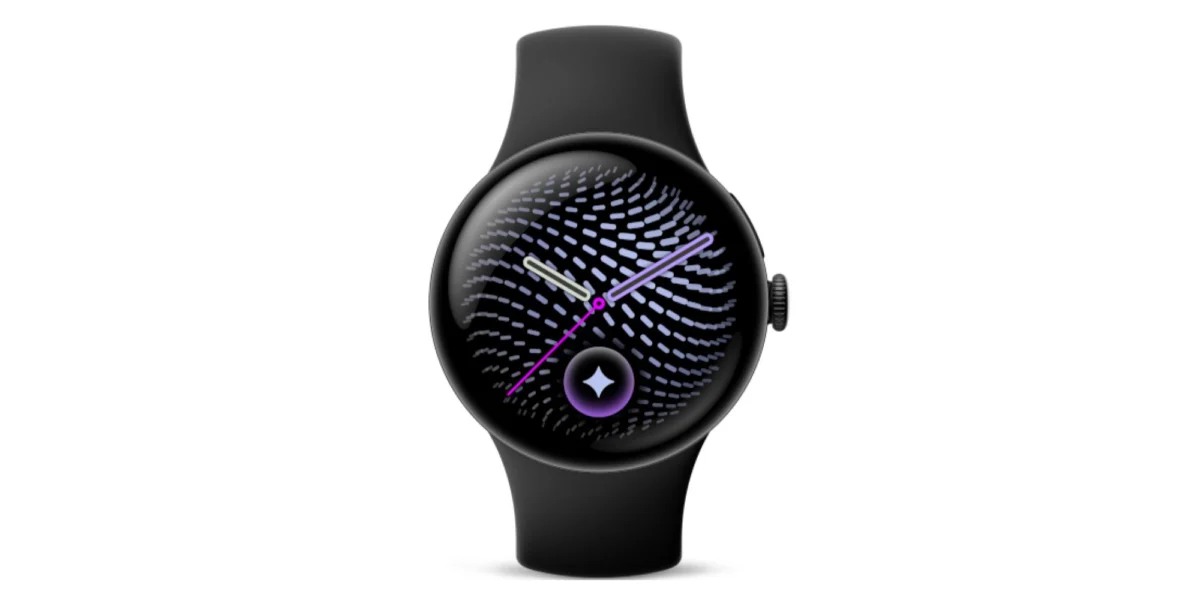
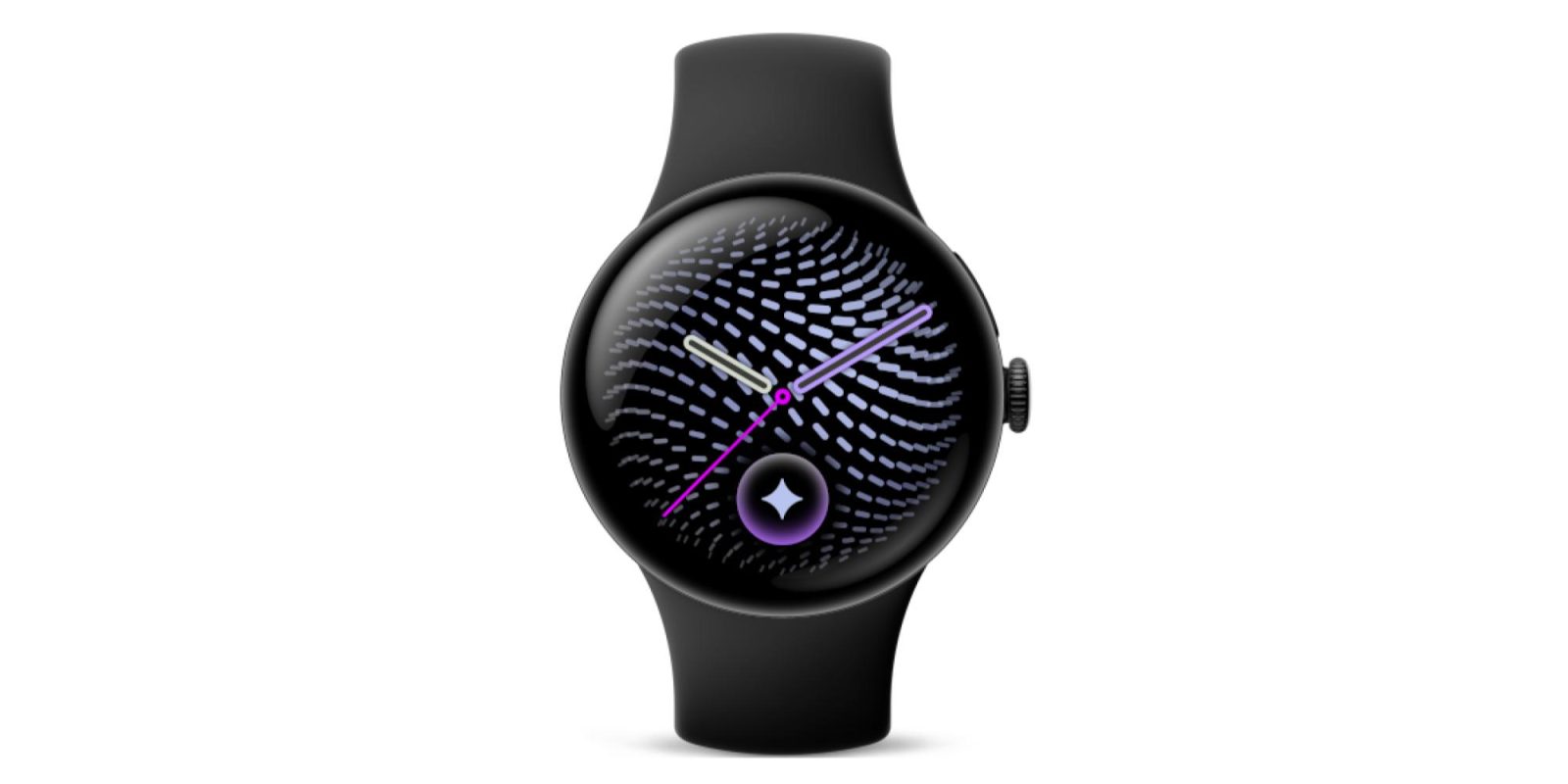
Additionally, the documentation confirms the device’s design language. The renders associated with the listing align with earlier reports that the Pixel Watch 5 will retain the iconic circular, dome-glass aesthetic of the previous generations. A notable addition is a new analog watch face that incorporates the "Neural Expressive" design language—a visual nod to the integration of Gemini into the user experience.

Chronology: The Evolution of the Pixel Watch Architecture
To understand the trajectory of the Pixel Watch 5, one must look back at the developmental roadmap that brought us here. Google’s wearable journey has been characterized by iterative steps, moving from experimental hardware to a standardized, reliable platform.
- The Genesis (2022): Google launched the inaugural Pixel Watch, signaling its intent to compete directly with the Apple Watch and Samsung Galaxy Watch.
- The First Shift (2023): With the Pixel Watch 2, Google introduced the 4nm Snapdragon W5 Gen 1. This was a turning point, offering significant improvements in power efficiency and battery life.
- The Satellite Era (2024): The Pixel Watch 4 brought the Snapdragon W5 Gen 2, primarily to facilitate Satellite SOS capabilities, alongside an upgrade to the co-processor from the ARM Cortex-M33 to the more efficient M55.
- The Current Standstill (2025-2026): The upcoming Pixel Watch 5 appears to maintain the W5 Gen 2 platform, continuing the legacy of the previous cycle rather than shifting to a new silicon architecture.
This timeline demonstrates a pattern of "platform stability." Rather than chasing the latest high-performance chips, Google has focused on software optimization, sensor accuracy, and integrating the watch into the broader Pixel ecosystem.
Supporting Data: Comparative Analysis with the Industry
The decision to retain the Qualcomm SW5100 platform becomes even more poignant when compared to the competitive landscape. Samsung, Google’s primary partner in the Wear OS ecosystem, has taken a different route with its latest hardware.
The Samsung Galaxy Watch 9, for instance, has moved toward the 3nm "Snapdragon Wear Elite" chipset. This chip features a more advanced CPU structure, utilizing 1x Cortex-A78 and 4x Cortex-A55 cores. This transition to a 3nm process typically yields better thermal efficiency and performance-per-watt ratios, putting the Galaxy Watch 9 in a different theoretical performance bracket than the Pixel Watch 5.
However, the "Gemini Advantage" is where Google hopes to differentiate itself. By pairing the existing W5 Gen 2 silicon with an increased 3 GB of RAM, Google is likely prioritizing AI-driven software tasks over raw processing power. While Samsung relies on its hardware efficiency to drive its One UI Watch experience, Google is banking on the idea that the "intelligence" of the watch—the ability to process complex queries, summarize health data, and provide predictive assistance via Gemini—will be the primary value proposition for the consumer.
Official Responses and Corporate Strategy
Google has remained characteristically tight-lipped regarding the "godric" leaks. In the world of tech hardware, pre-release silence is standard, yet the company’s silence here speaks to a broader corporate philosophy. Google has consistently framed the Pixel Watch not merely as a fitness tracker, but as a "smart" companion.
In previous briefings, Google executives have emphasized that their goal is to create a "frictionless experience." By keeping the chipset constant, they reduce the complexity of software development, allowing their engineers to focus on refining Wear OS and the integration of Gemini across devices. The lack of an official statement regarding the "reused" chip suggests that Google does not view the chipset as the defining feature of the watch. Instead, they view the watch as an endpoint for their cloud and AI services.
Implications: What This Means for the Consumer
The implications of the Pixel Watch 5’s specs are twofold: one for the power user, and one for the general consumer.

For the Power User
The enthusiast community may find the lack of a chipset upgrade disappointing. In an era where silicon evolves rapidly, sticking with a platform that is effectively several years old can feel like a step backward. For those who demand the fastest performance, the smoothest animations, and the most future-proof hardware, the Pixel Watch 5 might appear underwhelming, especially when compared to the 3nm-powered alternatives hitting the market.
For the General Consumer
Conversely, for the average user, the Pixel Watch 5 might be exactly what is needed. By stabilizing the hardware, Google can focus on battery life optimization and software stability. The increase in RAM to 3 GB is a practical upgrade that addresses a long-standing bottleneck, ensuring that the watch remains responsive even when running background AI tasks. Furthermore, the aesthetic consistency means that users who have invested in a library of watch bands and accessories will find that their collection remains compatible with the new model—a subtle but important factor in consumer loyalty.
Conclusion: The "Neural Expressive" Future
The Pixel Watch 5, as revealed by the Google Play Console, is a device that prioritizes continuity. In a market often obsessed with "specs-chasing," Google’s decision to stick with the Qualcomm SW5100 platform is a calculated gamble. It assumes that the user experience—defined by the seamless integration of Gemini and the reliability of a known system—outweighs the need for a headline-grabbing processor upgrade.
The inclusion of "Neural Expressive" design elements and the bump to 3 GB of RAM highlight where Google’s real investment lies: in the software layer. As we approach the official launch, the success of the Pixel Watch 5 will likely not be measured by benchmark scores, but by its ability to act as a truly intelligent, AI-powered extension of the user’s digital life. Whether this strategy of refinement will satisfy a demanding market remains to be seen, but one thing is certain: Google is playing a long game, betting that smart software can breathe new life into a steady, proven hardware foundation.