










By IANS
Published: July 23, 2026 | Updated: July 23, 2026
As India enters the critical mid-point of the 2026 southwest monsoon season, the agricultural landscape presents a study in contrasts. While large swathes of the country have received bountiful rainfall, significant pockets—particularly in the key grain-producing belts—are grappling with erratic and uneven precipitation patterns. This geographical disparity has ignited concerns regarding the potential for renewed food inflation. However, economic analysts and government officials remain cautiously optimistic, asserting that robust foodgrain reserves are poised to act as a vital buffer against supply-side shocks.
The Core Situation: An Uneven Monsoon
The southwest monsoon, the lifeblood of India’s agrarian economy, has displayed signs of distinct volatility this year. While the India Meteorological Department (IMD) has maintained a forecast of a "normal" overall monsoon, the intra-seasonal distribution has been anything but uniform.
Farmers in the northern and western regions have reported delayed sowing cycles due to initial dry spells, followed by intense, localized downpours that threaten to damage standing crops. Conversely, certain eastern regions have faced moisture stress, creating a complex logistical challenge for the Ministry of Agriculture. The uneven nature of these rains creates a "wait-and-watch" environment for the markets, as agricultural yields are directly proportional to the consistency of soil moisture during the vegetative growth phase.
Chronology of the 2026 Monsoon Season
To understand the current state of agricultural apprehension, one must look at the timeline of the season thus far:
- Early June 2026: The monsoon set in over the Kerala coast on schedule, sparking initial optimism for a bumper kharif harvest.
- Late June 2026: A prolonged "break" in the monsoon cycle led to a significant precipitation deficit in key pulse-growing states, raising the first red flags regarding potential price volatility for legumes.
- Early July 2026: A series of low-pressure systems brought heavy, concentrated rainfall to central India, helping to bridge the cumulative deficit but causing localized waterlogging issues in low-lying paddy fields.
- Mid-July 2026: The current period is defined by intense heat waves interspersed with heavy rainfall events, a pattern climate scientists attribute to shifting weather models. This has led to a fluctuating market sentiment regarding crop health for the upcoming harvest.
Supporting Data: Stocks as the Strategic Cushion
The primary reason policymakers remain unfazed by the localized climate disruptions is the state of India’s foodgrain stocks. As of July 2026, the Food Corporation of India (FCI) reports that central pool stocks of rice and wheat are significantly above the mandatory buffer norms required for national food security.
- Wheat Reserves: Current wheat stocks are approximately 15% higher than the seasonal requirement, providing a safety net against any potential shortfall in the upcoming rabi season.
- Rice Inventory: With the kharif paddy crop currently in the fields, the existing rice surplus remains sufficient to meet the requirements of the Public Distribution System (PDS) for the next six months, even if production targets are missed by a margin of 3-5%.
- Buffer Management: The government’s proactive Open Market Sale Scheme (OMSS) has already been calibrated to release stocks into the retail market should prices show a sharp, speculative uptick. This mechanism serves as a powerful deterrent against hoarding and price gouging.
Official Responses and Strategic Outlook
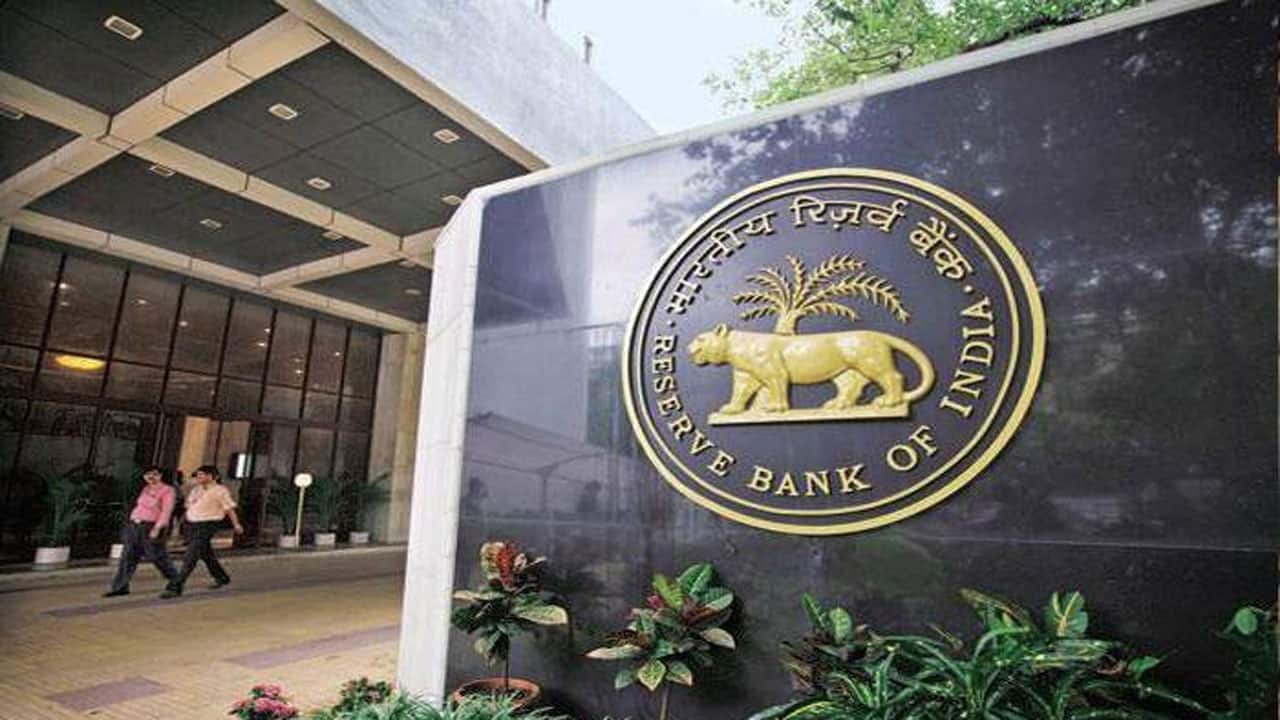
The Reserve Bank of India (RBI) recently noted that while global uncertainties—ranging from geopolitical conflicts to supply chain bottlenecks—persist, India remains among the fastest-growing major economies. Regarding inflation, the central bank maintains that the government’s fiscal prudence and supply-side management are sufficient to keep the Consumer Price Index (CPI) within the target band.
"The volatility in the monsoon is a known variable that we have built into our inflationary projections," stated a spokesperson from the Ministry of Finance. "By maintaining higher-than-required buffer stocks, we are essentially de-risking the food supply chain from the vagaries of climate change. Our focus remains on the seamless movement of goods across state borders and the implementation of real-time monitoring of essential commodities."
Furthermore, the Ministry of Agriculture has ramped up the distribution of drought-resistant seeds and intensified its advisory services for farmers. These advisories focus on "contingency crop planning," encouraging farmers to shift to shorter-duration varieties in regions where the monsoon has been delayed.
Economic Implications: Inflation and Food Security
The intersection of uneven rainfall and food inflation is a traditional stress point for the Indian economy. When kharif output—which includes staples like paddy, pulses, and oilseeds—is threatened, food inflation tends to spike, affecting the disposable income of rural and urban households alike.
1. Impact on the Retail Market
If the monsoon continues to be erratic, we might witness a short-term rise in the prices of perishables such as vegetables and fruits, which are highly sensitive to weather changes. However, the impact on "core" food items like cereals is expected to be muted due to the government’s intervention capacity.
2. Rural Demand
A major concern for the economy is the impact of a patchy monsoon on rural demand. A large portion of India’s consumer demand is derived from agricultural income. If farmers face a sub-optimal harvest, their purchasing power for non-essential goods could decline, potentially impacting the broader economic growth trajectory for the third and fourth quarters of the fiscal year.
3. Policy Flexibility
The government’s decision to keep export restrictions on certain sensitive items like non-basmati white rice and sugar remains a cornerstone of its inflation-containment strategy. By prioritizing domestic availability over global market participation, the state ensures that the "India growth story" is not derailed by localized food shortages.
Addressing Climate Sensitivity
The events of the 2026 monsoon serve as a stark reminder of the long-term challenges posed by climate change. Experts argue that India must transition from a reliance on the "monsoon gamble" to a more resilient, technology-driven agricultural framework.
- Investment in Irrigation: The shift from rain-fed agriculture to micro-irrigation systems is being accelerated. The government’s "Per Drop, More Crop" initiative is gaining traction in states that were traditionally considered water-stressed.
- Agri-Tech Adoption: The integration of satellite imagery, soil-moisture sensors, and AI-driven weather forecasting is allowing for more precise agricultural management. Farmers are now able to make informed decisions about planting, irrigation, and pest control based on data rather than traditional, and increasingly unreliable, almanacs.
Conclusion
As we look toward the remainder of the 2026 monsoon season, the narrative is one of cautious resilience. While the uneven distribution of rainfall is a legitimate cause for concern, the structural strengths of the Indian economy—specifically its massive foodgrain reserves and the government’s proactive policy stance—provide a robust defense against inflationary pressures.
The interplay between climate-induced volatility and policy-driven stability will remain the defining feature of India’s agricultural sector in the coming months. For now, the combination of healthy grain stocks and a prepared administration suggests that the economy is well-positioned to weather the current monsoon uncertainty. As long as the supply-side mechanisms remain fluid and the distribution network remains efficient, the impact of the uneven monsoon on the common citizen is likely to be managed effectively, ensuring that food security remains the bedrock of India’s continued economic ascent.