











In the modern digital ecosystem, speed is no longer just a technical metric; it is a fundamental currency of the web. As user attention spans shrink, the velocity at which a website renders has become a critical pillar of search engine optimization (SEO). Google has formally integrated page speed into its ranking algorithms, signaling to webmasters that slow-loading sites are no longer just an inconvenience—they are a liability.
To help developers and marketers navigate this landscape, Google provides a suite of diagnostic tools, most notably PageSpeed Insights (PSI), which is powered by the open-source Google Lighthouse engine. But how do these scores translate into real-world search performance, and is chasing a perfect 100/100 score actually worth the effort?
The Evolution of PageSpeed Insights
Historically, Google’s performance tools were criticized for providing vague, high-level advice that lacked actionable technical depth. Information was often anecdotal, and the scores frequently failed to correlate with actual user experience.
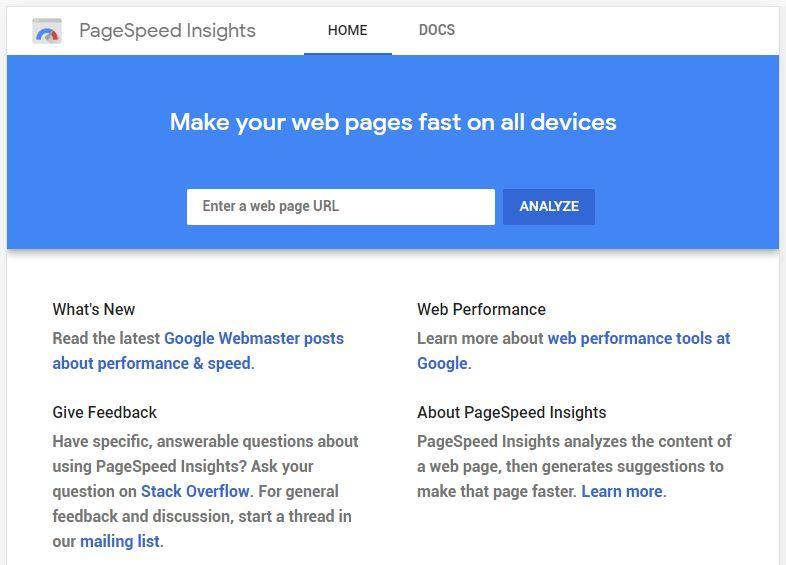
However, Google has overhauled these tools in recent years. The current iteration of PageSpeed Insights is significantly more sophisticated, leveraging both "Lab Data" (controlled testing) and "Field Data" (real-world user experience collected via the Chrome User Experience Report). While this provides a much more accurate reflection of site performance, it has also made the tool considerably more complex for non-technical users to interpret.
Mobile vs. Desktop: The Shift to Mobile-First
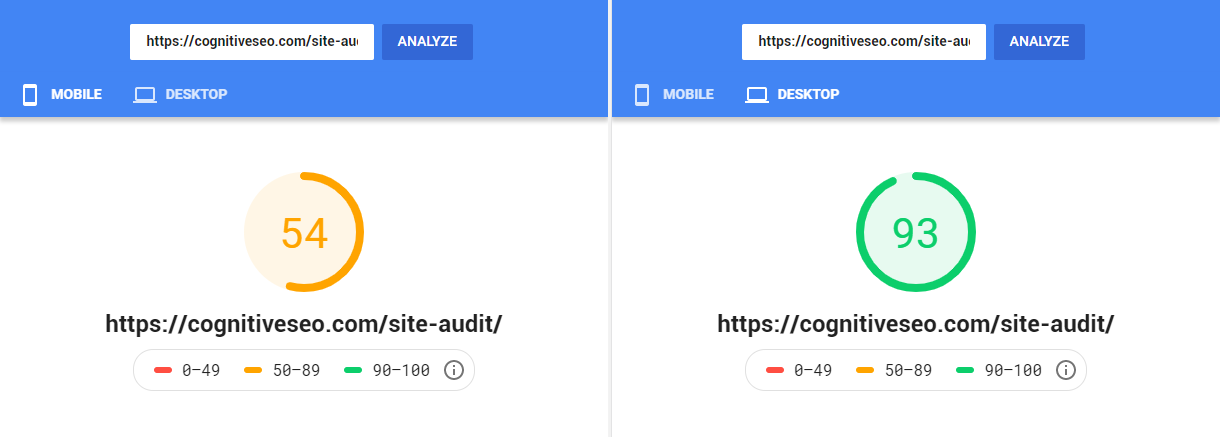
As of 2018, Google shifted to a mobile-first indexing strategy, a response to the fact that over 50% of global web traffic originates from mobile devices. Consequently, PageSpeed Insights now evaluates your site twice: once for mobile and once for desktop.
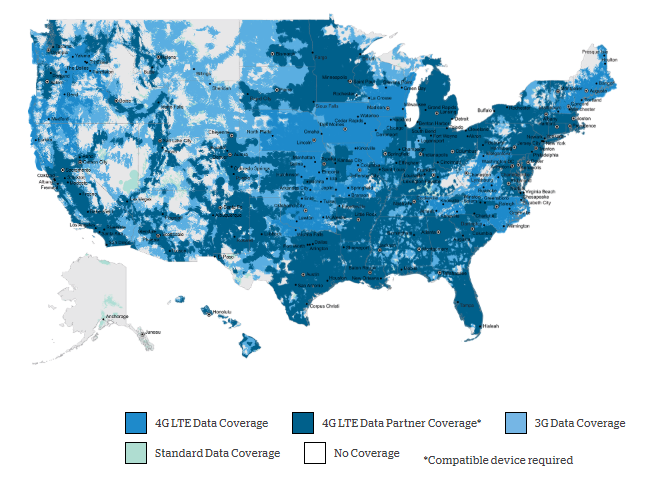
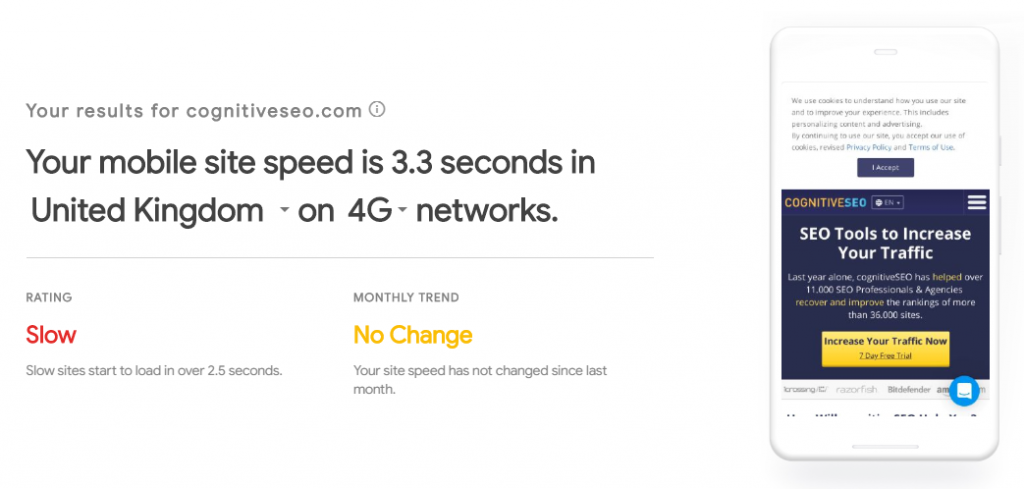
Even if you utilize a responsive design, you may notice significant discrepancies between these scores. This is often due to the testing environment. Google tests mobile performance using simulated 4G connections. In many regions, mobile networks are prone to latency and packet loss compared to the stable, high-bandwidth fiber-optic connections typical of desktop testing. Because mobile users are often constrained by hardware and network limitations, Google prioritizes mobile speed as a primary indicator of site quality.

Defining "Page Speed" vs. "Performance Scores"
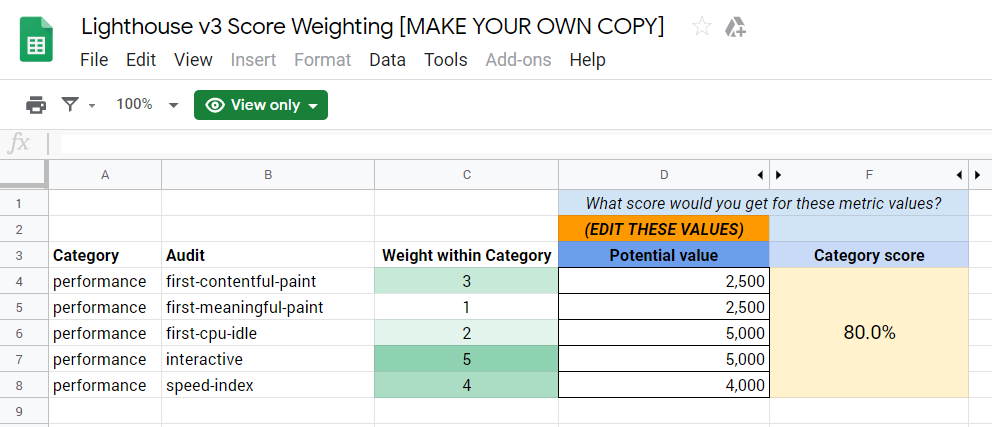
It is vital to distinguish between a "score" and "actual load time." Page Speed is a temporal measurement—the time it takes for a page to load, measured in seconds. The PSI score, conversely, is a normalized metric derived from various performance audits.
A site can have a decent load time but a poor score due to "render-blocking" resources, while another site might have a high score despite a sluggish user experience. When optimizing your site, you should treat the score as a guide for identifying bottlenecks, but focus your ultimate success metrics on the time it takes for the user to interact with your content.
The Anatomy of Performance Metrics
To understand your score, you must understand the components:

- First Contentful Paint (FCP): The time at which the first piece of content (text or image) appears on the screen.
- Speed Index: A measurement of how quickly the visual content of a page is populated.
- Time to Interactive (TTI): The moment the page is fully functional and responsive to user input.
- Total Blocking Time: The amount of time the main thread is blocked, preventing user interaction.
Does Page Speed Directly Affect SEO?
Yes, but the relationship is nuanced. Google confirmed that page speed is a ranking factor, but it is not the only one. High-quality content and domain authority still carry significant weight. However, speed acts as an "indirect" ranking factor by influencing behavioral metrics.
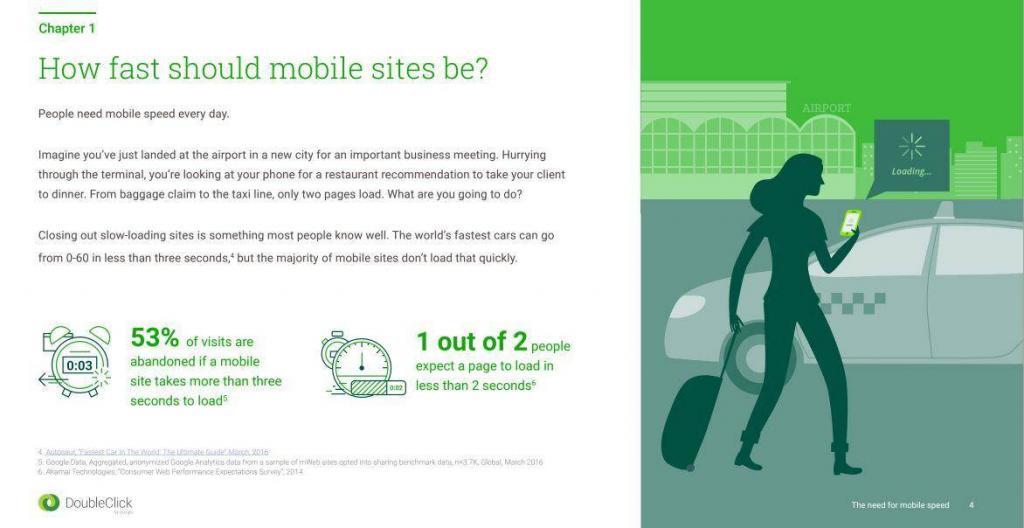
If a site takes longer than three seconds to load, the bounce rate spikes. A high bounce rate signals to Google that your page does not satisfy user intent, which eventually leads to a drop in rankings. Therefore, speed is a foundational requirement for retention.

Is a 100/100 Score Necessary?
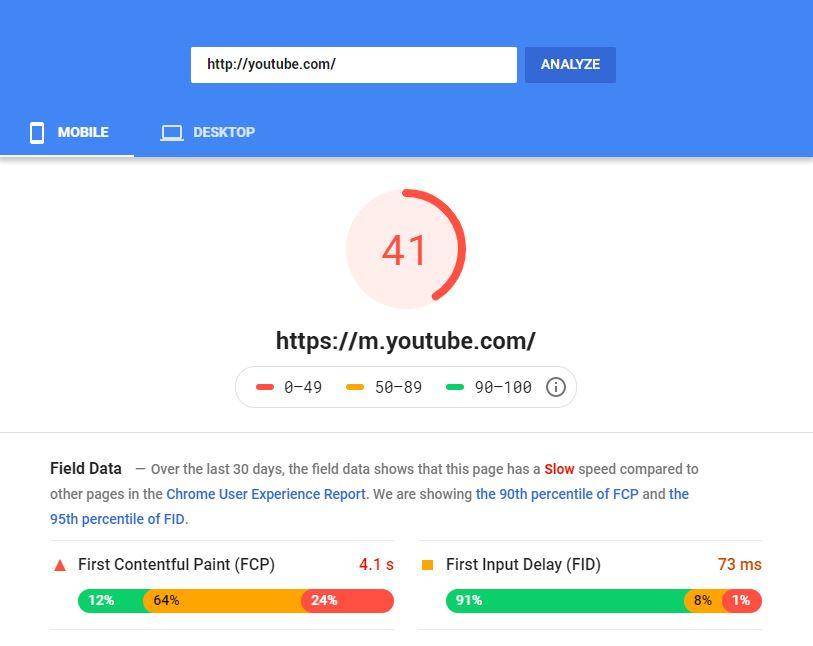
There is a common misconception that a perfect 100 score is mandatory for top rankings. In practice, this is rarely the case. We have observed sites with scores below 50 ranking on the first page, while some sites with perfect scores struggle to gain traction. YouTube, for example, often receives moderate scores due to the sheer volume of interactive elements and third-party scripts, yet it remains a powerhouse in search. Aiming for a "Good" (90+) range is ideal, but the law of diminishing returns applies; don’t break your site’s functionality just to shave off a few milliseconds.

Key Strategies for Performance Optimization
1. Server Response Time (TTFB)
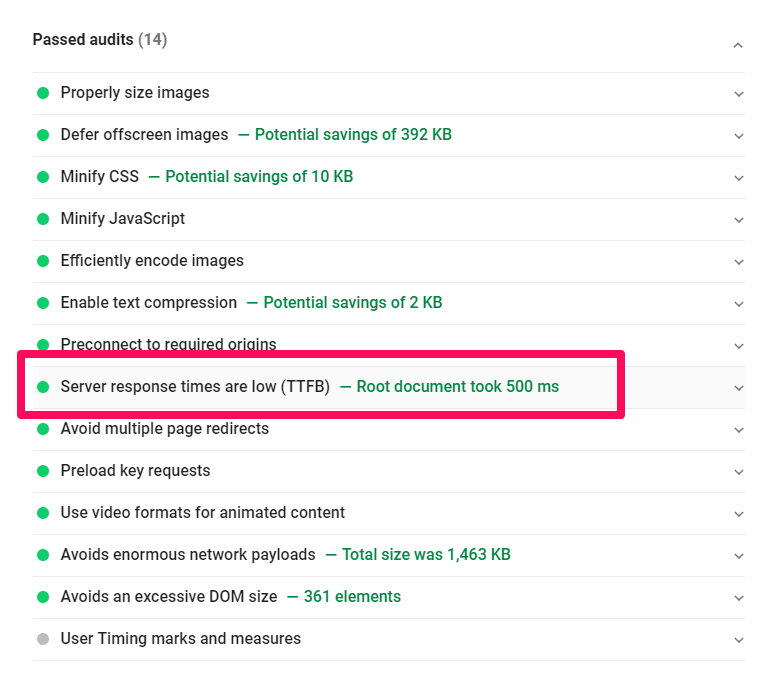
Your Time to First Byte (TTFB) is the foundation of your speed. If your server is in the United States and your audience is in Italy, the physical distance will create latency. Always choose a hosting provider with data centers located near your primary target demographic.
2. Image Optimization
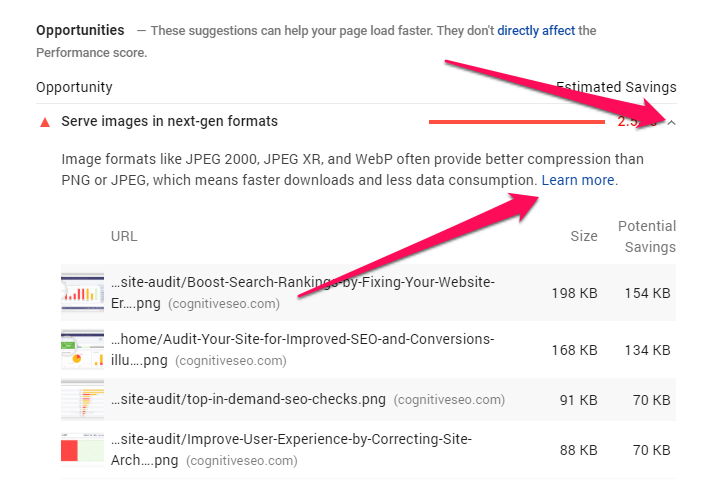
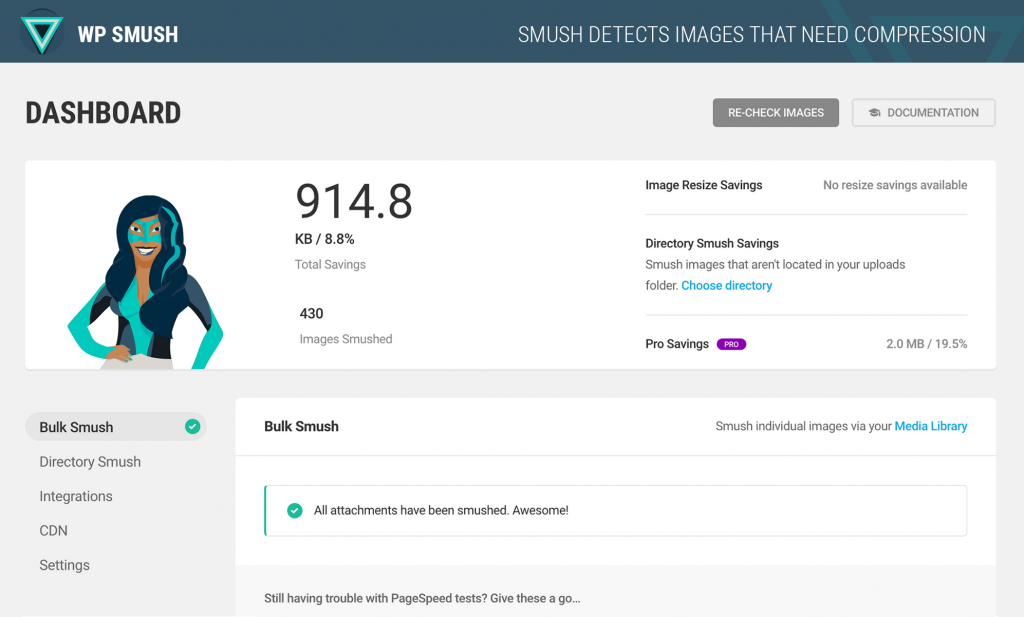
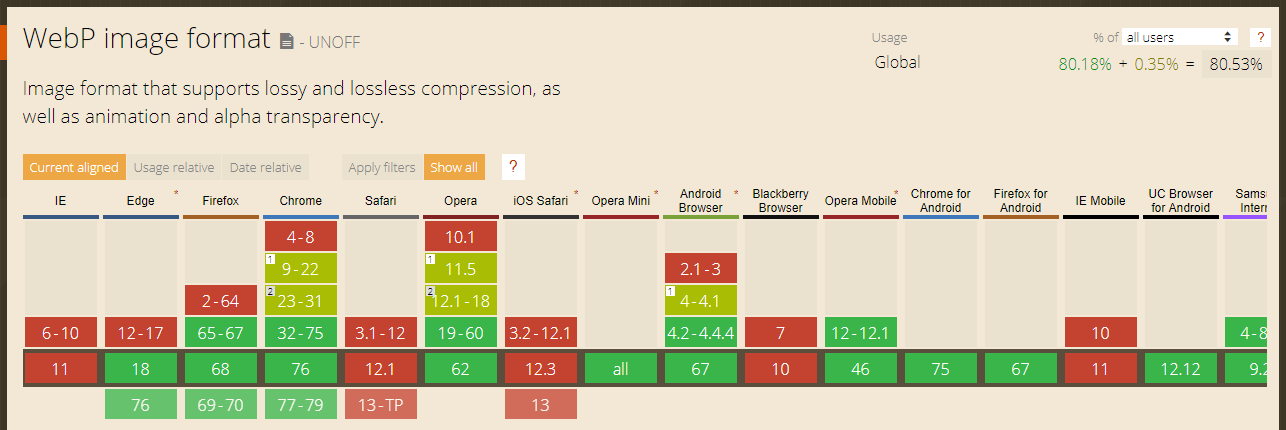
Images are typically the largest contributors to page weight. Use compression tools like WP Smush to reduce file sizes without sacrificing visual fidelity. Furthermore, ensure that the images you upload match the display dimensions; loading a 2000px image into a 300px container is a waste of bandwidth and processing power.
3. Minification and Compression
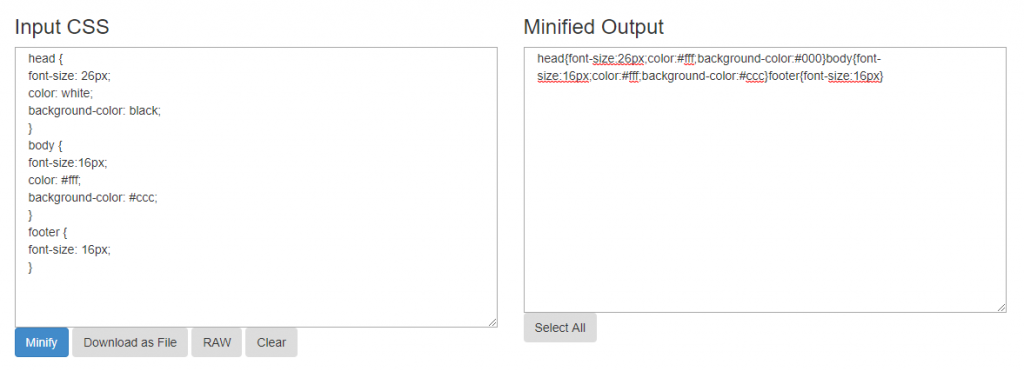
Minification removes unnecessary spaces, comments, and line breaks from CSS and JavaScript files. When combined with Gzip or Brotli compression—which treats your code like a ZIP file—you can drastically reduce the data transfer required for a browser to render your site.
4. Strategic Caching
Caching stores files on the user’s local device, meaning that upon a return visit, the browser does not need to re-download your logo or CSS files. Use a cache-control header to define long expiration dates for static resources like images, while keeping short expiration windows for dynamic content.
The Role of Brand Authority and AI
While technical SEO and Core Web Vitals are essential, they are only one part of the modern search puzzle. As AI-powered search engines become more prevalent, they look for signals of "Trust and Authority" that go beyond technical efficiency.

Even a perfectly optimized site may struggle if it lacks a "digital footprint" elsewhere. Mentions in news, active social discussions, and external reviews are the signals that AI uses to validate brand authority. Tools like BrandMentions serve as a vital supplement to your SEO efforts, providing real-time monitoring of how your brand is perceived across the web. While you optimize your code for Google, you must simultaneously optimize your reputation for the AI systems that decide which sites to trust.

Advanced Diagnostic Tools
While PSI is the industry standard, it is beneficial to triangulate your data using other tools to get a clearer picture of your performance:
- Pingdom: Excellent for testing from specific geographic locations.
- GTMetrix: Provides highly detailed waterfall charts that help you identify exactly which script is causing a delay.
- Google AMP: While controversial due to design limitations, it remains a powerful way to ensure near-instant load times for mobile users.
Final Thoughts
Improving site speed is an iterative process. Start by addressing the "Low Hanging Fruit"—compressing images, enabling Gzip compression, and choosing a reliable host. Do not become obsessed with the 100/100 score; instead, focus on delivering a seamless experience for your human visitors.
Remember: technical performance is the stage upon which your content performs. Build a fast, reliable, and secure stage, and then fill it with the high-authority content that your audience is searching for.

What is your current PageSpeed score? Have you seen a correlation between your optimization efforts and your search rankings? Share your experiences in the comments below.