









Welcome to the latest installment of the DEV monthly deep dive. As the digital landscape continues to evolve at a breakneck pace, the WordPress ecosystem remains at the epicenter of web innovation. Whether you are a developer, a site owner, or a casual contributor, this month has brought significant updates that promise to refine how we build, manage, and scale our online presence.
Before we delve into the technical weeds, take a moment to reset. In an industry defined by relentless cycles of updates and deadlines, finding a "patch of sunlight"—both literal and metaphorical—is essential for maintaining the creative edge. As our featured pup in this month’s header demonstrates, sometimes the most productive debugging technique is simply stepping away from the screen.
1. WordCamp US: A Phoenix Rising in the Desert
The recent gathering of the WordPress community in Phoenix, Arizona, was nothing short of a milestone. Despite the formidable 111°F (44°C) desert heat, over 1,100 attendees converged to share knowledge, foster collaboration, and celebrate the open-source spirit.
Chronology and Key Takeaways
The four-day event served as a nexus for the global WordPress community. Beyond the technical workshops and keynote presentations, the event was marked by a historic civic recognition: August 19th has been officially proclaimed "Phoenix WordPress Day" by Michael Hammett, the city’s Chief Innovation Officer.
Key discussions centered on:
- The Future of Block Themes: Exploring the shift toward full-site editing and the reduction of dependency on third-party page builders.
- Open Source Advocacy: A collective, collaborative effort saw attendees construct a massive WordPress logo out of Lego bricks—a fitting, physical manifestation of the modular nature of the software we use every day.
The success of the event underscores the enduring strength of the WordPress community. It is a reminder that while our work is digital, the foundations are built on human connection, shared goals, and a commitment to keeping the web accessible to all.
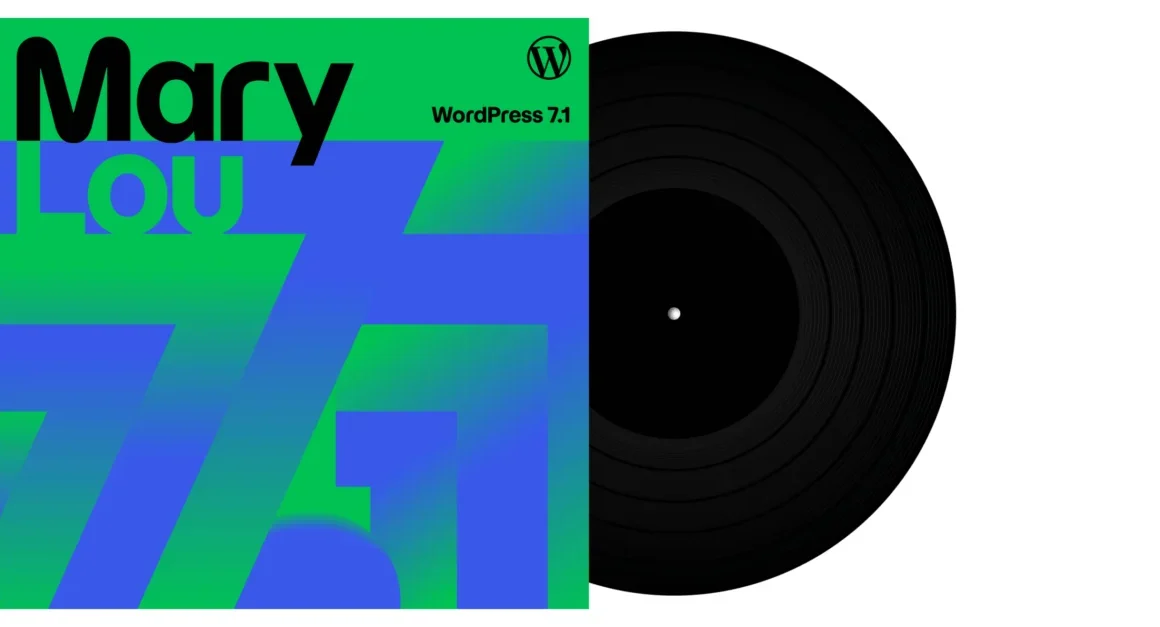
2. WordPress 7.1: Introducing “Mary Lou”
The release of WordPress 7.1, codenamed "Mary Lou" in honor of the legendary jazz pianist and composer Mary Lou Williams, marks another significant step forward for the platform. This update focuses on incremental improvements that collectively reduce the reliance on custom CSS and heavy-handed plugin solutions.
Technical Implications
For the end-user, "Mary Lou" simplifies the workflow. Improvements to the block editor, enhanced media handling, and refined theme customization options mean that tasks that previously required "mild profanity" and deep-dives into stylesheets can now be accomplished through native controls.
Critical Security Update: Alongside the feature-rich 7.1 release, the core team also pushed out WordPress 7.0.4. This is a vital security patch, and administrators are urged to prioritize this update immediately to safeguard their installations against emerging vulnerabilities.
3. The Big Question: AI Integration and Defensive Data Design
The rapid integration of AI into the WordPress ecosystem—most notably with the release of AI 1.3.0—has sparked a robust debate regarding the role of automation in content creation and site management.

The Rise of AI Agents
The latest version of the canonical AI plugin introduces sophisticated features, including automated content translation, intelligent slug generation, and context-aware category and tag suggestions. While these tools offer undeniable efficiency, they raise questions about data integrity and system autonomy.
Defensive Data Design: Keeping the "HAL 9000" at Bay
In a thought-provoking post on the Make WordPress Core blog, contributors are debating the concept of "Defensive Data Design." The core philosophy is simple: how can we build systems that are inherently safe, where destructive actions are difficult to execute and changes remain fully reversible?
Proposed strategies include:
- Human-in-the-Loop Constraints: Ensuring that AI suggestions are never pushed live without explicit human verification.
- Irreversible Action Mitigation: Designing UI/UX patterns that require multiple confirmation steps for data-deleting operations.
- Transparent Logging: Maintaining clear audit trails for all AI-generated content to ensure accountability.
WordPress has already begun implementing these principles in its support assistant, which is designed to recognize its own limitations and seamlessly hand off complex queries to human support agents. As AI continues to evolve, the challenge will be balancing the speed of machine learning with the nuance and reliability of human oversight.
4. Industry Insights: Blogs and Resources
The broader WordPress community has been buzzing with discussions that touch on everything from user experience to the changing landscape of freelance work. Here are some of the most critical resources circulating this month:
- UX Pitfalls: A viral Reddit thread discussing common UX mistakes has served as a wake-up call for designers. Even polished sites often suffer from navigation fatigue and poor mobile responsiveness.
- Responsive Control: A technical guide on hiding specific blocks based on device type has become a must-read for developers looking to optimize mobile performance without compromising desktop aesthetics.
- The Freelance Shift: A fascinating podcast discussion on the decline of WordPress opportunities on platforms like Upwork suggests that the market is shifting toward specialized, high-value consulting. Freelancers are advised to focus on "owning" their audience rather than relying on third-party platforms.
- Content Lifecycle: For those struggling with SEO, the focus is shifting from high-volume production to "content rescue." Updating and refreshing older, high-authority posts is proving to be more effective for rankings than churning out new, generic content.
5. Statistical Analysis: The State of the Web
Data continues to drive our understanding of the digital environment. Recent studies indicate that a significant portion of traffic to many websites is, in fact, non-human. Findings from the JNK Plugins bot impressions study highlight the importance of filtering out bot traffic when analyzing site performance. Relying on raw traffic numbers without accounting for bot activity can lead to a distorted reality—one where your "biggest fans" are actually just scrapers and crawlers.
6. Closing Thoughts: The Human Factor
As we look toward the future of WordPress, it is easy to get lost in the numbers, the updates, and the AI-driven automation. However, the most important element of this ecosystem remains the community.
Whether it is the collaborative spirit of WordCamp attendees in Phoenix, the tireless work of core contributors perfecting "Mary Lou," or even the lighthearted viral stories—such as Mollie the Hamster, whose fitness tracking statistics are currently putting the rest of us to shame—it is clear that the human element is what keeps the web vibrant.
As you navigate the coming month, remember the lesson of the "patch of sunlight." Innovation requires energy, and energy requires rest. Keep pushing the boundaries of what your WordPress site can do, but don’t forget to step back and look at the bigger picture.
Are you ready for the next update? If you enjoyed this blend of technical insight and community culture, share it with your favorite "WordPress weirdo." The web is better when we build it together.