










The release of Valheim version 1.0 marks a monumental milestone for Iron Gate AB’s wildly popular Viking survival game. For years, the community has braved the treacherous Meadows, Black Forests, Swamps, Mountains, Plains, Mistlands, and Ashlands. Now, the icy horizon of the Deep North—the final frontier of the game’s core biome roadmap—has finally unlocked.
Accompanying this long-awaited update is an entirely new ecosystem filled with frost-bitten horrors, majestic wildlife, ancient magic, and critical crafting materials. Navigating this unforgiving frozen wasteland requires more than just standard gear; Vikings must understand the behaviors, weaknesses, and drops of every new creature inhabiting the Deep North.

Below is an exhaustive, journalistically styled guide detailing every single creature introduced in the Valheim 1.0 patch, complete with location data, strategic combat insights, and essential material drops to fuel your progression to the end-game.
Main Facts: The Deep North Ecosystem and Progression
The Valheim 1.0 update transforms the game’s meta by introducing high-tier weapons, armor sets, and base-building components tied directly to the Deep North. Unlike previous biomes that focused heavily on verticality or dense fog, the Deep North is an expanse of biting cold, jagged coastlines, and subterranean networks known as Winding Tunnels and Mörkhella.
- The Core Mechanic: Most indigenous Deep North creatures share a notable vulnerability to Fire damage, making flame-based weapons and magic essential loadout choices.
- New Crafting Loops: Defeating these entities yields specialized resources—ranging from Seal Pelts and Frozen Branches to armor moulds like the Vanguard and Caller sets—that form the backbone of version 1.0’s tier-list equipment.
- Tamability: For the first time in an arctic setting, players can interact with and ride newly introduced wildlife, fundamentally altering traversal across frozen terrain.
Chronology of Discovery: Navigating the Deep North Biome
When players first set sail for the icy shores of the Deep North, their progression through the local fauna follows a distinct, evolutionary path from the coastal fringes to the heart of the dark, frozen interior.
Phase 1: Coastal Outskirts and the Overworld
Upon making landfall, explorers will immediately encounter the coastal wildlife populating the icy beaches, as well as wandering giants roaming the open tundra.
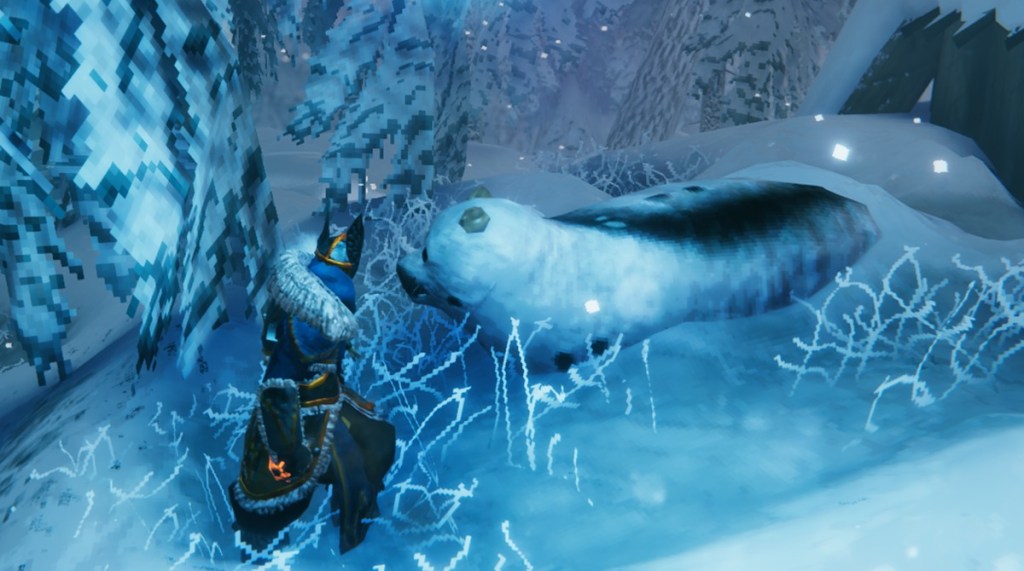
- Seals: The absolute first creature most players will encounter. Hugging the ocean coast, these marine mammals serve as an introductory combat test for the biome.
- Barka: Giant, treelike abominations encased in ancient ice, found wandering the open world.
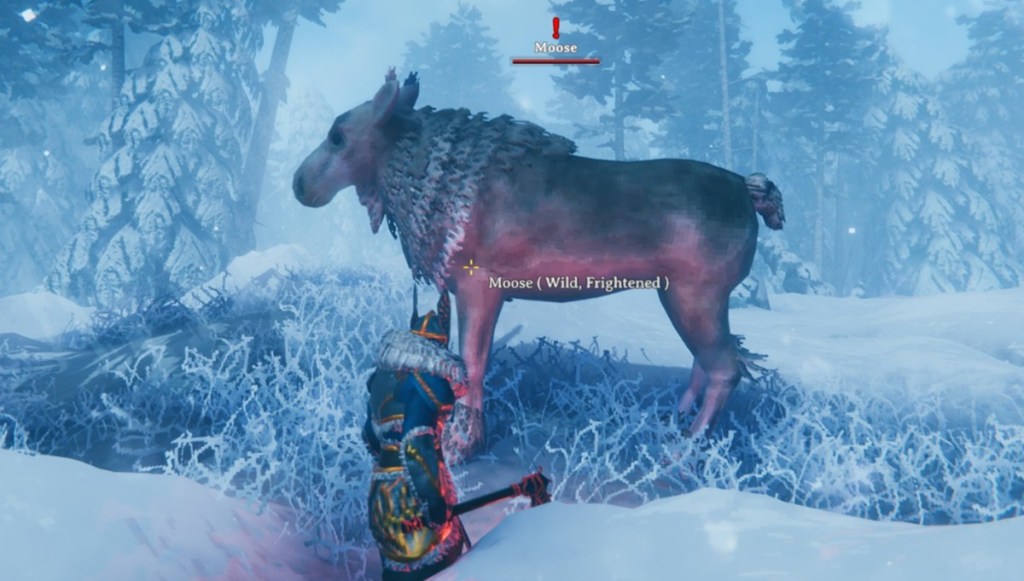
- Moose: Towering, aggressive megafauna that roam the snowy plains, representing both a severe threat and a massive taming opportunity.
- Gammeltroll: Massive frost trolls that patrol the open landscape, requiring aggressive hunting strategies to acquire rare end-game metallurgical components.
Phase 2: The Subterranean Depths and Winding Tunnels
As Vikings venture inland and delve beneath the frost-crusted surface into the Winding Tunnels, the environment becomes hostile and claustrophobic.
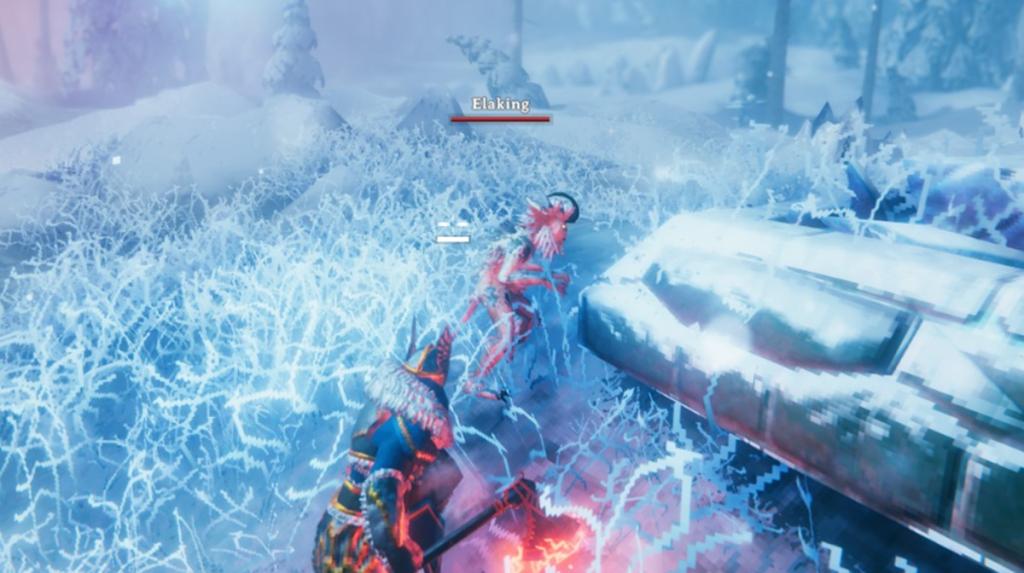
- Elaking: Nocturnal entities that stalk the winding corridors.
- Eyeless One: Cunning subterranean ambush predators that burst from the frozen earth.
Phase 3: The Dark Bastions of Mörkhella
Deep within the heart of the Deep North lies Mörkhella, a dark, blighted region housing the biome’s most menacing magic-users and elite melee combatants.
- Shapeless Pulp: Slime-based entities oozing through the terrain.
- Hexen: Terrifying spellcasters wielding devastating elemental magic.
- Krigen: Heavily armored melee juggernauts guarding the blueprints of elite vanguard technology.
Complete Valheim 1.0 Creature and Monster Bestiary
To assist Vikings in planning their resource farming and weapon crafting, the following table indexes all new creatures alongside their verified drops upon death:
| Creatures | Drops Upon Death |
|---|---|
| Seal | Seal Trophy, Seal Blubber, Seal Pelt |
| Elaking | Mould: Intricate Key, Elaking Hair Bundle, Elaking Trophy |
| Moose | Moose Meat, Moose Hide, Moose Sinew, Moose Trophy |
| Shapeless Pulp | BlobMarkmini, Dead Pulp, Tiny Pulp, Pulp Trophy |
| Eyeless One | Long Claws, Eyeless One Trophy |
| Barka | Frozen Branch, Wood, Frostcore, Barka Trophy |
| Gammeltroll | Petrified Tissue, Stone |
| Hexen | Nornathread, Hexen Trophy, Mould: Robes of the Caller, Mould: Headdress of the Caller, Mould: Trousers of the Caller |
| Krigen | Leather Straps, Krigen Trophy, Memorial Coal, Mould: Chestpiece of the Vanguard, Mould: Hood of the Vanguard, Mould: Trousers of the Vanguard |
Detailed Creature Breakdown and Combat Strategies
1. Seal
- Location: Coastal outskirts and ocean shores of the Deep North.
- Combat Strategy: Seals are docile until provoked and boast low health pools. They are exceptionally weak to Fire damage.
- Significance: Defeating Seals yields Seal Pelt and Seal Blubber. Seal Pelts are foundational materials required for crafting several high-tier weapons introduced in patch 1.0.
2. Elaking
- Location: Winding Tunnels; primarily active during nighttime hours.
- Combat Strategy: These shadowy figures present a moderate threat in close quarters. Capitalize on their vulnerability to Fire damage to burn through their health bars quickly.
- Significance: Elakings are mandatory targets for progression because they drop the Mould: Intricate Key, an essential component required to craft the Intricate Key. Additionally, they drop Elaking Hair Bundle, a core resource for advanced recipes.
3. Moose
- Location: Open tundra and snowy forests of the Deep North.
- Combat Strategy: Do not underestimate the Moose. As the new tamable and rideable animal in Valheim, taming one requires extreme patience because their charge attacks deal devastating raw physical damage. They are weak to Fire.
- Significance: Upon defeat, they drop Moose Meat, Moose Hide, and Moose Sinew. These materials are vital for crafting the powerful Spirit Caller weapon. Successfully taming and riding a moose also provides an unprecedented method for navigating deep snowdrifts.
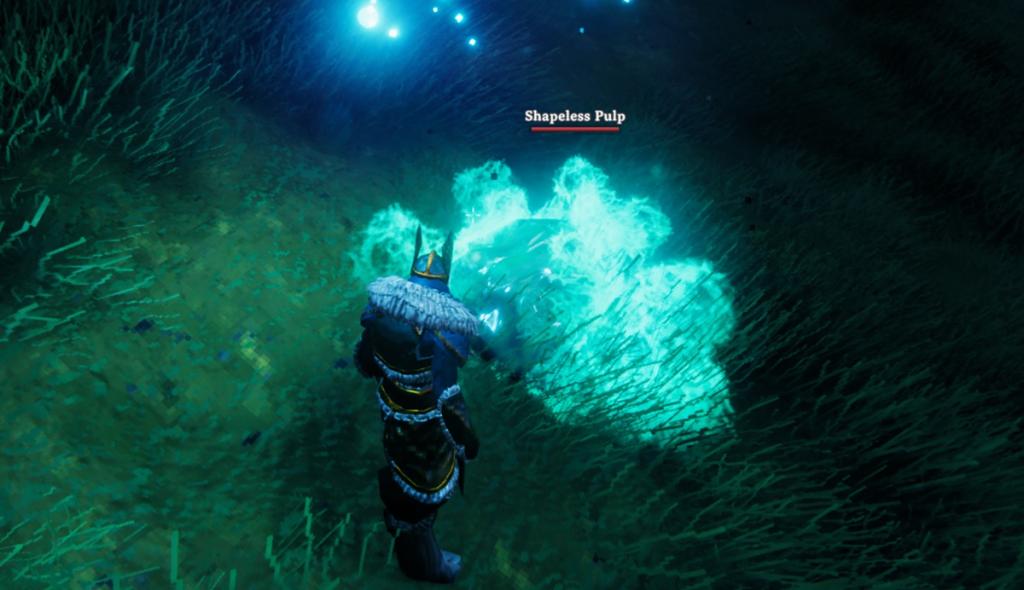
4. Shapeless Pulp
- Location: Mörkhella region.
- Combat Strategy: These gelatinous anomalies are completely immune to Poison damage, rendering traditional swamp-tier weaponry useless against them. However, they possess low physical defenses and represent minor nuisances rather than true boss-tier threats.
- Significance: Dropping BlobMarkmini, Dead Pulp, Tiny Pulp, and Pulp Trophy, they are primarily farmed for alchemy and trophy collection.
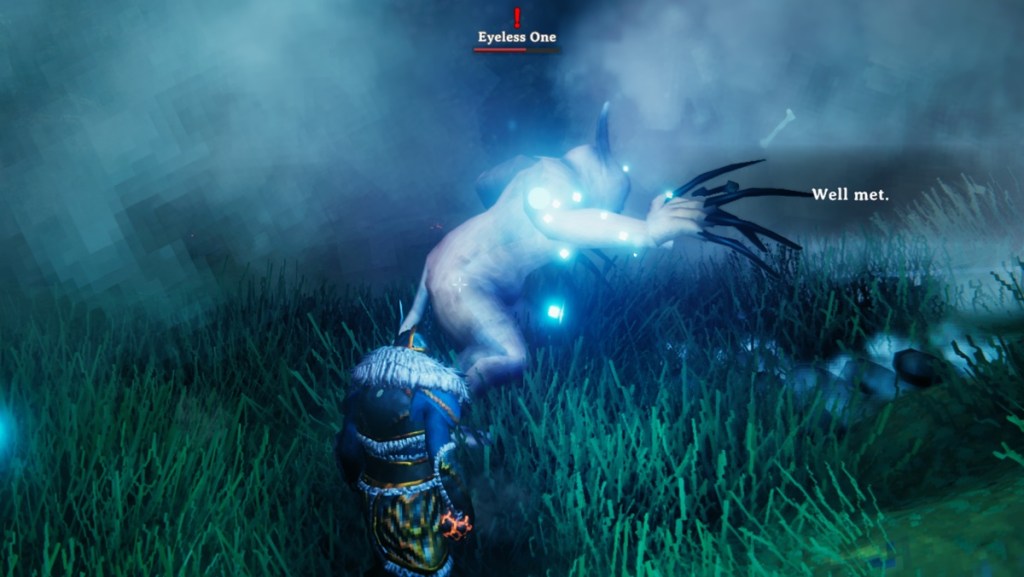
5. Eyeless One
- Location: Winding Tunnels.
- Combat Strategy: Sharing territory with the Elaking, Eyeless Ones are ambush hunters that burrow beneath the ice and snow, erupting when players draw near. Their surprise attacks pack immense physical force, requiring disciplined blocking or dodging.
- Significance: Defeating them yields Long Claws, the exclusive material required to craft the new tier of powerful fist-based brawler weapons.
6. Barka
- Location: Open overworld, frequently masquerading as frozen arboreal fixtures.
- Combat Strategy: Barkas hit exceptionally hard with sweeping branch attacks. Players should exploit their severe weakness to Fire damage to melt their icy outer coats.
- Significance: Their primary drop is the Frozen Branch, alongside Wood and Frostcore. Frozen Branches are universally acknowledged as one of the most critical structural and crafting currencies in the Deep North.
7. Gammeltroll
- Location: Open world wilderness.
- Combat Strategy: Massive frost trolls that dwarf their Black Forest cousins. They stalk players across open snowfields, swinging massive ice-laden clubs.
- Significance: Unlike standard trolls, hunting Gammeltrolls is mandatory for acquiring Bloodgold—the core foundational ore required for forging virtually all version 1.0 weapon lines.
8. Hexen
- Location: Mörkhella (initially), later spawning dynamically across the overworld.
- Combat Strategy: The Hexen are elite mage monsters capable of casting devastating ranged elemental spells. Developer Tip: Players experiencing motion sickness or screen fatigue during intense magical engagements should toggle off the camera shake setting in the options menu, as Hexen spell impacts violently rock the screen.
- Significance: Dropping Nornathread and complete clothing moulds (Robes, Headdress, and Trousers of the Caller), these entities are essential targets for players pursuing high-tier mage builds.
9. Krigen
- Location: Deep within Mörkhella.
- Combat Strategy: Terrifying, heavily armored melee combatants with relentless attack strings and staggering damage output. Perfect parry timing or ranged kite tactics are heavily advised.
- Significance: Krigen offer a chance to drop the moulds for the Vanguard armor set (Chestpiece, Hood, and Trousers). Widely regarded by beta testers and early-access reviewers as one of the absolute best defensive gear sets in Valheim, farming Krigen is a top priority for end-game warriors.
Official Responses and Developer Insights
Iron Gate AB has emphasized that the Deep North update is designed to test the absolute limits of veteran Viking squads. In recent developer blogs and patch notes leading up to version 1.0, the studio noted that biomes in Valheim should not merely be passive zones for resource gathering, but dynamic, hostile ecosystems where every creature forces a tactical adaptation in loadout choice.
The introduction of specialized weaknesses (such as universal susceptibility to Fire among arctic fauna) and environmental hazards (such as the sensory overload inflicted by Hexen spellcasting) highlights Iron Gate’s dedication to rewarding deep game knowledge over mindless button-mashing. Furthermore, community reception regarding the introduction of ridable Moose has been overwhelmingly positive, bridging a long-standing mechanical gap in land-based mount travel.
Implications for the Valheim Meta
The deployment of version 1.0 and the cataloging of the Deep North bestiary fundamentally shifts the Valheim end-game meta in several profound ways:
- Fire Magic and Weaponry Ascendancy: Because the vast majority of Deep North fauna (Seals, Elaking, Moose, Barka) are weak to Fire, non-elemental physical builds may find themselves lagging in clear speeds compared to players wielding flame-infused weaponry or pyromancy staffs.
- Armor Specialization: The rigid split between the magical Caller set (dropped by Hexen) and the heavy melee Vanguard set (dropped by Krigen) solidifies distinct class roles in cooperative multiplayer sessions, moving Valheim further into true cooperative RPG territory.
- Resource Scarcity and Farming Loops: Essential progression items like Bloodgold (from Gammeltrolls), Frozen Branches (from Barka), and Long Claws (from Eyeless Ones) ensure that players must actively hunt across diverse sub-zones—from coastal beaches to claustrophobic tunnels and blighted ruins—preventing stagnation in the end-game loop.
As Vikings sharpen their blades, stock up on fire-arrows, and brave the icy gales, mastering the behaviors of these new adversaries will determine who survives to conquer Valheim’s final frozen frontier.