










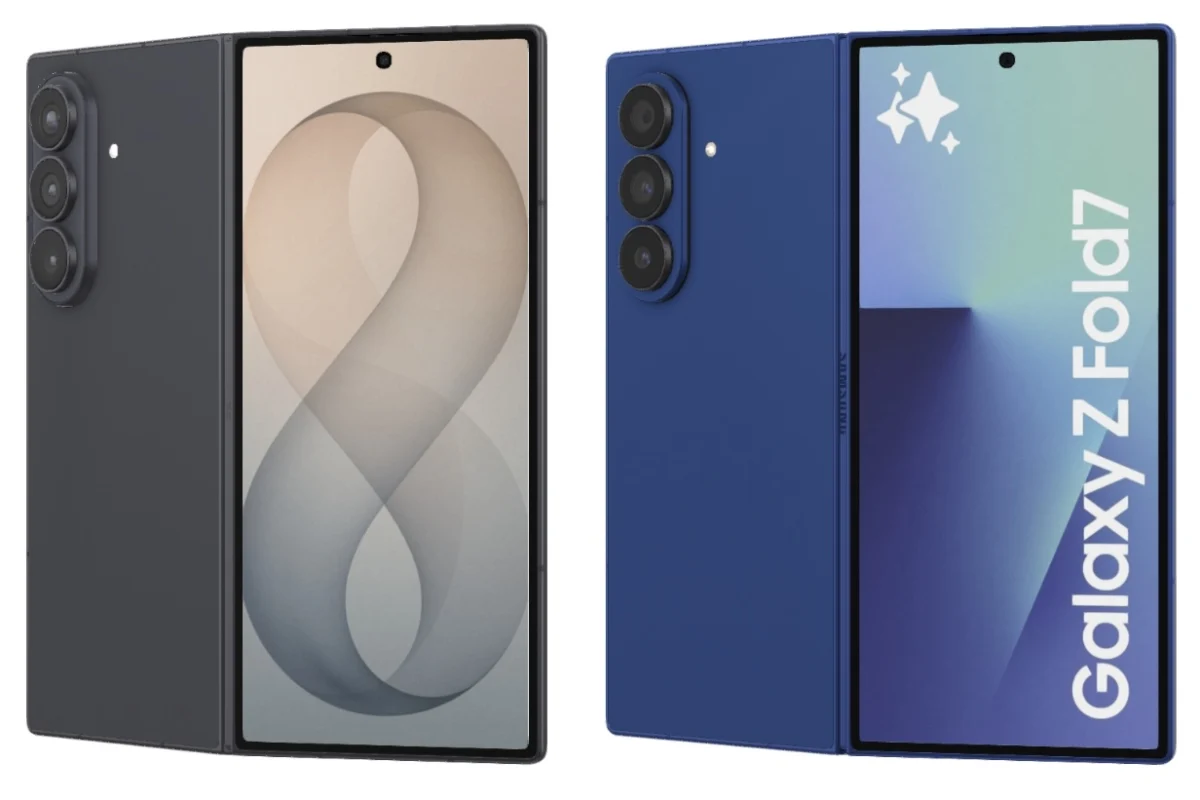
The smartphone market has officially entered an era of refined iteration rather than explosive reinvention. For buyers currently navigating Samsung’s high-end foldable ecosystem, a classic dilemma has emerged. If you prefer a more traditional and established form factor over the radical shape of the standard Z Fold8, your target device is officially the new Samsung Galaxy Z Fold8 Ultra.
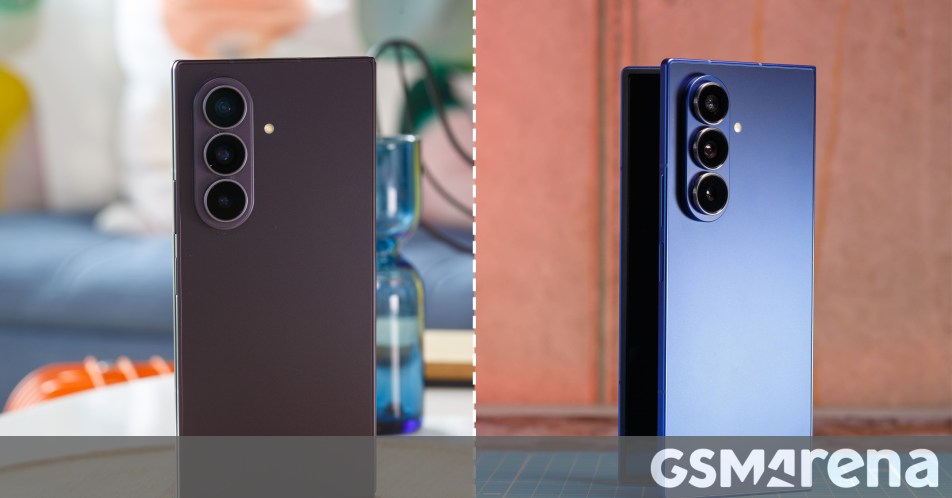
However, unlike the standard Z Fold8—which carves out a genuinely novel path with very few direct alternatives—the Z Fold8 Ultra occupies a far more contested space. Buyers can easily opt for last year’s Samsung Galaxy Z Fold7 to secure a remarkably similar daily experience while retaining a substantial portion of their hard-earned cash. To determine whether the latest "Ultra" badge justifies its steep financial barrier to entry, we must break down the key differences, engineering achievements, and real-world performance metrics of these two flagship powerhouses.
Main Facts: What Has Changed (and What Hasn’t)
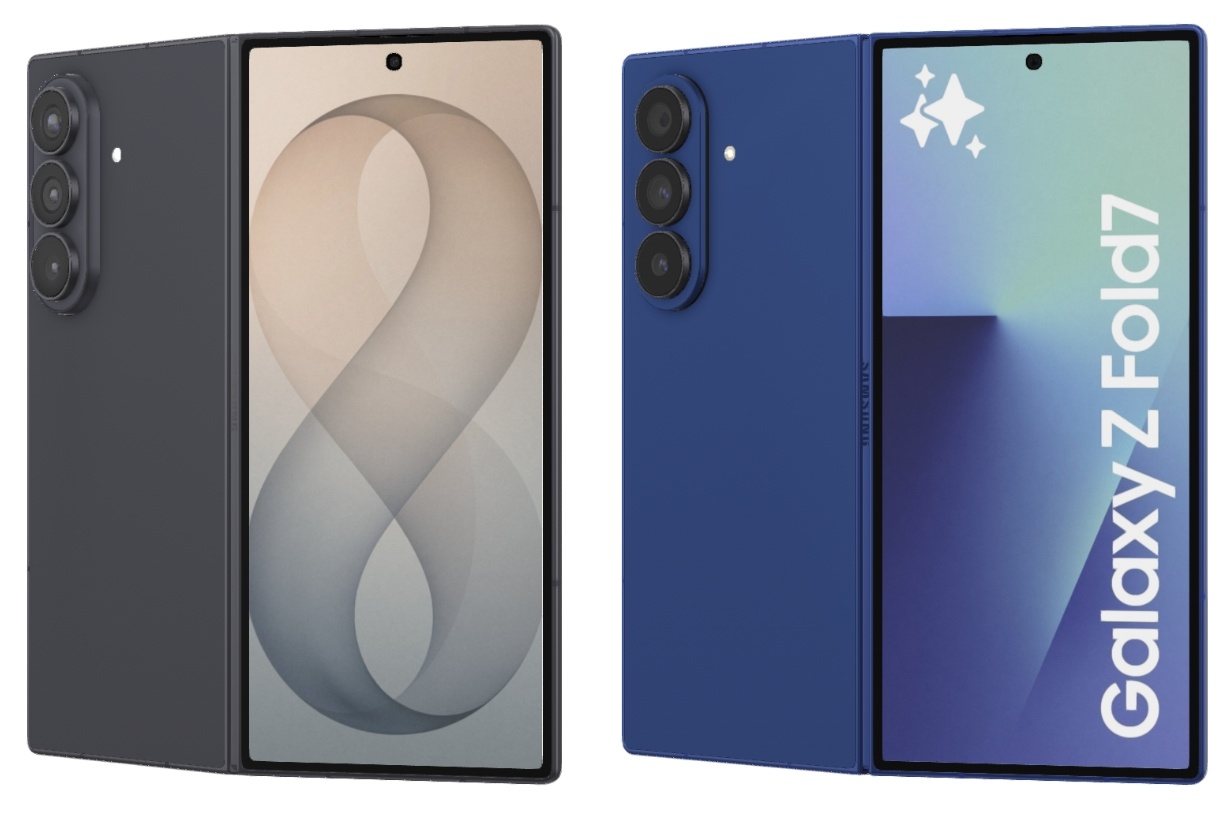
At first glance, telling the Galaxy Z Fold8 Ultra and the Galaxy Z Fold7 apart from across a room is nearly impossible. Samsung has chosen to stick with a well-established industrial blueprint, leaving the core physical dimensions virtually untouched.

- Physical Dimensions & Build: The Z Fold8 Ultra is technically a fraction of a millimeter thinner, but the adjustment is entirely imperceptible in daily use. Both devices weigh the exact same, skewing toward the heavier side of modern flagships.
- Hinge and "Flex Titanium": Samsung has retained its flexible titanium support plate from previous generations while introducing an additional flexible titanium-alloy sheet directly inside the panel assembly. Coined "Flex Titanium" technology, this redesign aims to fortify the internal screen against pressure and impact while maintaining a slender profile.
- Internal Display Upgrades: While the internal screen retains its 8-inch footprint, resolution has been bumped from the Z Fold7’s 1968 x 2184 pixels up to a sharper 2256 x 2504 pixels. Furthermore, the introduction of a specialized anti-reflective coating significantly bolsters outdoor legibility.
- Battery & Charging: The battery cell has expanded from 4,400mAh to a more respectable 5,000mAh. More importantly, wired charging speeds have leapt from a sluggish 25W up to 45W (via Power Delivery and PPS), while wireless charging jumps from 15W to 20W.
- Internals: The processor steps up from the Snapdragon 8 Elite ("for Galaxy") in the Z Fold7 to the newer Snapdragon 8 Elite Gen 5 ("for Galaxy") in the Z Fold8 Ultra, paired with standard configurations of 12GB or 16GB of RAM and storage stretching up to 1TB.
Chronology and Engineering Evolution
Tracing the lineage of Samsung’s foldables reveals a deliberate, step-by-step refinement of mechanical and software components.

The Evolution of the Foldable Hinge
When Samsung introduced the Z Fold7, praise was showered on its streamlined hinge and durability. With the Z Fold8 Ultra, Samsung looked further inward—reportedly borrowing concepts from its South Korea-exclusive Galaxy Z TriFold. The result is what Samsung calls the Easy Open-and-Close Mechanism.

Testing shows that this engineering tweak is genuinely palpable. The first 5 millimeters of opening require virtually zero resistance, as the magnetic force has been carefully recalibrated to make the initial unfolding feel lighter and more natural. Despite this, one-handed opening remains an awkward and generally impractical chore for the vast majority of users.

Software and Longevity Timeline
The software lifecycle is another point of differentiation. The Z Fold8 Ultra launches out of the box with One UI 9, based on Android 17. While the Z Fold7 is slated to receive One UI 9 alongside its newer sibling, the Z Fold8 Ultra holds a definitive temporal advantage. Both handsets share Samsung’s stellar seven-year software support commitment, meaning the Ultra naturally retains an extra year of active updates at the back end of its lifecycle—though very few users hold onto a delicate, first-tier foldable for six or seven continuous years.

Supporting Data: Performance, Display, and Cameras
Rigorous benchmarking and real-world testing paint a nuanced picture of where the Z Fold8 Ultra succeeds—and where it occasionally stumbles.

Display and Brightness
Both devices utilize identical 6.5-inch LTPO OLED cover displays running at a 120Hz refresh rate with a 1080 x 2520 resolution. Both achieve an impressive 3,000 nits of peak brightness on a 10% white patch and roughly 1,400 nits on a 75% white pattern.

Internally, the Z Fold8 Ultra features an 8-inch 120Hz LTPO OLED panel with a higher resolution than its predecessor. While full-screen brightness levels remain neck-and-neck, the Z Fold8 Ultra’s anti-reflective coating gives it a clear leg-up when operating under harsh, direct sunlight.

Battery Life and Charging Speeds
The jump to a 5,000mAh battery yields tangible real-world dividends. Active Use Scores show notable improvements, particularly in web browsing, video streaming, and daily cover-screen navigation.

When it comes to powering back up, the move to 45W wired charging is transformative. Samsung’s stubborn adherence to 25W charging on past models was a frequent point of criticism. The Z Fold8 Ultra successfully shaves roughly 30 minutes off a full recharge cycle—a massive quality-of-life improvement for power users.

Performance and Thermal Throttling
Equipped with the Snapdragon 8 Elite Gen 5, the Z Fold8 Ultra naturally showcases superior burst performance in benchmarks compared to the Z Fold7’s Snapdragon 8 Elite. However, sustained performance is a different story.

Neither phone handles heavy thermal loads gracefully. Despite Samsung outfitting the Z Fold8 Ultra with an expanded graphite cooling architecture, both devices routinely lose half—or sometimes more—of their peak performance under prolonged, intensive workloads (such as heavy 3D gaming). Curiously, benchmark data suggests the older Z Fold7 actually throttles slightly less aggressively than its successor, resulting in a virtually indistinguishable real-world gaming experience between the two.

Speaker Dilemma
In a surprising twist, the Z Fold7 actually outperforms the Z Fold8 Ultra in the audio department. The newer Ultra model is slightly quieter—missing the threshold for a "Good" rating in standardized audio evaluations—and suffers from altered sound tuning. While bass is deeper and fuller, it frequently overpowers mids and vocals, resulting in a somewhat muffled presentation compared to the cleaner, louder output of the Z Fold7.

Camera Hardware and Image Quality
The camera array sees incremental adjustments rather than an overhaul. The main 200MP sensor and 3x telephoto modules remain largely unchanged, while the ultrawide camera switches to a Tetrapixel sensor while retaining its optical format.

- Daylight: Main and 2x shots from the Z Fold8 Ultra exhibit a slight edge in fine detail and sharpness, though the difference is largely academic. Telephoto and ultrawide captures are practically indistinguishable in broad daylight.
- Low Light: At night, both phones produce soft, occasionally noisy images in standard auto mode. Dedicated Night modes yield cleaner results, though the Z Fold7 occasionally manages better texture retention without the aggressive sharpening and color distortion occasionally observed on the Z Fold8 Ultra.
- Selfies & Video: The cover selfie camera on the Ultra features a slightly tweaked focus distance, capturing sharper facial details and softer background bokeh. For video, daytime footage is identical, though the Ultra gains advanced pro-grade features like the APV codec and Horizon Lock stabilization, alongside superior low-light performance on the ultrawide lens.
Official Responses and Industry Context
Samsung’s marketing narrative for the Galaxy Z Fold8 Ultra leans heavily into concepts like "Flex Titanium" durability, crease reduction, and advanced generative AI integrations packaged within One UI 9.

However, hands-on industry assessments challenge some of these promotional claims. While Samsung’s press materials heavily emphasize a reduction in internal screen crease visibility, reviewers and early adopters note that the crease remains distinctly visible across all production units. Rather than a revolutionary design departure, industry analysts view the Z Fold8 Ultra as a textbook refinement of an already mature hardware formula—a response to growing consumer demand for faster charging, better battery efficiency, and enhanced structural resilience in foldable devices.

Implications: Which Phone Should You Buy?
The launch of the Samsung Galaxy Z Fold8 Ultra leaves consumers with a clear choice dictated primarily by pricing dynamics rather than generational leaps in technology.

Get the Galaxy Z Fold8 Ultra if:
- Budget is secondary and you demand the absolute pinnacle of current Samsung engineering.
- You heavily prioritize outdoor screen legibility (thanks to the anti-reflective coating).
- Faster 45W charging and a larger 5,000mAh battery are critical to your daily workflow.
- You want the latest software baseline and the maximum remaining years of official security and OS support.
Stick with (or Buy) the Galaxy Z Fold7 if:
- You want a high-end foldable experience at a significantly reduced market price.
- You prefer cleaner, louder onboard speakers.
- You value sustained thermal performance during gaming sessions without overly aggressive throttling.
- You recognize that the Z Fold8 Ultra is an incremental refinement rather than a generational revolution, making the older model an exceptional value proposition.
Ultimately, the Galaxy Z Fold8 Ultra is undeniably the better smartphone on paper, but the Galaxy Z Fold7 remains a formidable alternative that punches well above its weight class—proving that sometimes, last year’s flagship is this year’s smartest purchase.



