










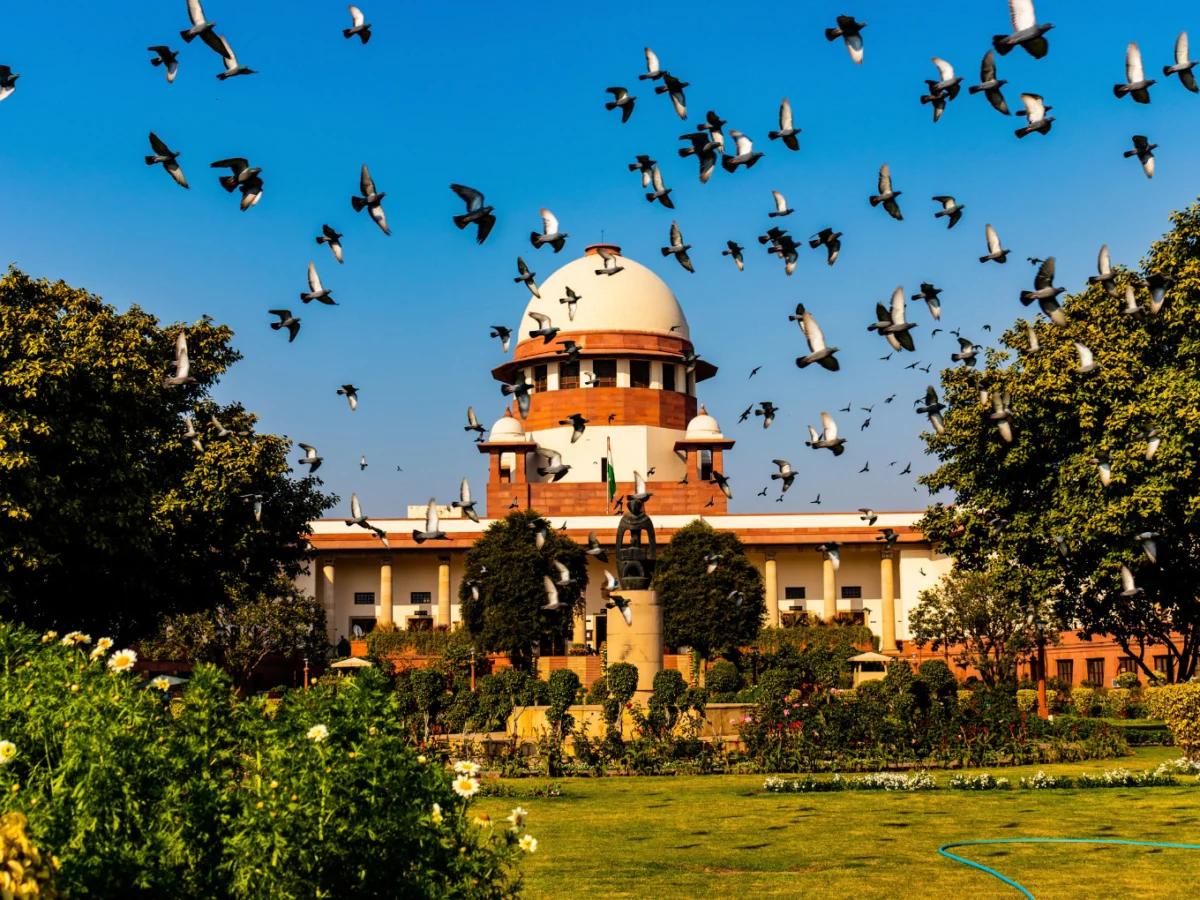
In a potentially seismic shift for India’s digital landscape, the Union government has informed the Supreme Court of its intention to amend the Information Technology (IT) Rules to effectively bar individuals under the age of 18 from accessing social media platforms. This bold policy pivot, articulated by Solicitor General (SG) Tushar Mehta, marks a definitive move by the state to protect the youth from the myriad risks inherent in the digital environment, ranging from cyberbullying and predatory behavior to the addictive nature of algorithmic feeds.
If implemented, the regulation would represent one of the most stringent age-gating policies globally, setting the threshold for social media usage at 18—a significant departure from the 13 or 16-year thresholds currently being debated or implemented in other jurisdictions.
The Legal and Philosophical Basis for the Shift
The government’s stance rests on a fundamental legal premise: that minors lack the capacity to enter into binding contracts. During the Supreme Court hearing—which was prompted by a public interest litigation (PIL) filed by the NGO Just Rights for Children Alliance—SG Tushar Mehta argued that the "terms of service" agreements between social media giants and minors are, in essence, void contracts.
"Membership of educational websites can be taken through the consent of parents," Mehta stated, clarifying that the government views social media as a different class of digital consumption that necessitates a higher standard of protection. By mandating a statutory obligation for intermediaries to verify age and deny access to minors, the Centre aims to shift the burden of compliance from the end-user to the platform providers.
The proceedings took place before a bench comprising Chief Justice of India (CJI) Surya Kant, Justice Joymalya Bagchi, and Justice V. Mohana. The bench actively engaged with the government on the mechanism of this implementation, with Justice Bagchi specifically noting, "They must restrict, at least in registering membership, to a minimum threshold of 18 years."
Chronology of Growing Concerns
The push for this regulation did not emerge in a vacuum. It is the culmination of years of mounting concern regarding the "digital footprint" of India’s youngest citizens.
- Early 2024: The Union IT Ministry, led by Secretary S. Krishnan, signaled a willingness to explore age-based access, following recommendations from the Economic Survey that highlighted the psychological and societal impacts of unbridled social media usage among teenagers.
- State-Level Precedents: Before the Centre’s intervention, regional governments began testing the waters. In March, the Karnataka government proposed a draft policy to restrict social media access for those under 16, while the Andhra Pradesh government publicly floated the idea of a ban for those under 13.
- The Judicial Trigger: The Just Rights for Children Alliance petition brought the issue into the national spotlight, arguing that current parental control mechanisms are insufficient to protect children from content ranging from self-harm encouragement to child sexual abuse material (CSAM).
- The Supreme Court Hearing: The recent interaction between the bench and the Solicitor General solidified the Centre’s commitment to move from mere advisory guidelines to hard, statutory mandates.
The Global Context: A Trend Toward Digital Protectionism
India’s move aligns with a growing global movement toward "digital sovereignty" regarding child safety. As the digital age matures, governments worldwide are reassessing the "wild west" era of the internet.
Australia has recently led the charge, enacting legislation to ban social media for children under 16, citing the mental health crisis exacerbated by platform algorithms. Similarly, nations like Indonesia and Malaysia have introduced localized restrictions, while France and Turkey are currently in the process of drafting minimum-age frameworks. Greece has also pivoted toward an under-15 framework.
However, India’s proposed 18-year threshold is notably higher. While most countries are settling on 15 or 16 as the "age of digital consent," India’s proposed approach treats social media as an adult-only utility, mirroring the legal age of adulthood in the country. This divergence suggests that the Indian government is prioritizing total harm mitigation over the preservation of early-stage digital socialization.
The Tech Giants: A Tale of Two Standards
A point of contention that emerged during the proceedings is the disparity in safety features offered by global tech giants. While companies like Meta and Google have rolled out advanced parental controls, time-usage limits, and sleep-mode restrictions in the United States and parts of Europe, these features have been notably absent or slow to arrive in the Indian market.
The government has been increasingly vocal in its frustration, pressuring these platforms to implement stronger safeguards. In particular, the demand for proactive reporting of Child Sexual Abuse Material (CSAM) to Indian authorities has become a central pillar of the Ministry of Electronics and Information Technology’s (MeitY) engagement with Silicon Valley. The government’s argument is simple: if platforms are operating in the world’s largest internet market, they must conform to Indian social values and legal standards, regardless of their global internal policies.
Implications for the Indian Digital Ecosystem
The implications of such a mandate are vast, affecting both the business models of tech giants and the social fabric of Indian households.
1. The Burden of Verification
The most immediate challenge is technical. Implementing an "18-and-over" rule requires robust, privacy-compliant age verification. If platforms are forced to implement KYC (Know Your Customer) protocols for social media, it raises significant questions about data privacy and the potential for surveillance. The industry is currently waiting to see if the government will mandate government-issued ID verification or allow for third-party age estimation technologies.
2. Business Model Disruption
India is a massive growth engine for global social media platforms. With over 655 million users—nearly 75% of the country’s 886 million internet users—the youth demographic represents a significant portion of the active user base. A mandatory ban on minors would result in a massive shrinkage of the "addressable market" for these platforms, potentially impacting their advertising revenue and data harvesting capabilities.
3. Societal Impact: Safety vs. Exclusion
Proponents of the ban argue that the risks—addiction, predatory grooming, and exposure to toxic content—far outweigh the benefits of social connectivity for minors. Critics, however, warn that an outright ban could drive digital activity "underground," where children use VPNs or fake IDs to bypass filters, potentially exposing them to even more dangerous, unregulated corners of the internet. There is also the argument that, in a digital-first economy, depriving children of social media skills might leave them ill-prepared for a professional landscape that demands high digital literacy.
Conclusion: A Turning Point
The Centre’s commitment to the Supreme Court marks the beginning of a complex legislative process. While the intent is clearly rooted in the protection of the "digital childhood," the execution will be a balancing act. The government must navigate the technical hurdles of age verification, the legal challenges likely to be brought by tech platforms, and the societal debate over where the state’s role ends and parental responsibility begins.
As India prepares to amend its IT Rules, the eyes of the world are watching. If successful, this policy could become the new gold standard for child safety in the digital age, forcing the world’s most powerful tech companies to treat the Indian market with a level of caution and compliance that was, until now, largely voluntary. The era of the unregulated digital playground appears to be coming to an end, giving way to a more controlled, government-monitored digital future for India’s youth.



