











You are what you eat, but in the modern digital age, you are also where you live. Your community is an intricate ecosystem of shared history, local commerce, and human connection. It wouldn’t be the same without your participation, and your personal experience is irrevocably shaped by the streets you walk and the neighbors you greet. For many creators, the desire to foster deeper local engagement has sparked a new frontier in digital publishing: the hyper-local newsletter.
This guide explores the mechanics of building a sustainable, profitable, and deeply rooted publishing business around your neighborhood. By curating the pulse of your town, you aren’t just sending emails; you are providing an essential public service.
Main Facts: The Power of Local Media
The decline of traditional legacy newspapers has left a "news desert" in many municipalities across the globe. As local journalism retreats, a vacuum has formed. This is where the independent creator steps in.

A local newsletter is more than a list of events; it is the "digital town square." The primary facts of this business model are simple:
- Accessibility: Unlike legacy media, a newsletter can be started with minimal overhead using platforms like Ghost.
- Trust: Readers trust local voices more than national conglomerates. If you live in the community you cover, your "local credibility" is your greatest asset.
- Value Proposition: By aggregating local happenings, you save your readers time—the most valuable currency in the modern attention economy.
Chronology: From Concept to Community Hub
Building a successful newsletter is a marathon, not a sprint. To ensure long-term viability, follow this roadmap:
Phase 1: The Incubation (Weeks 1–4)
Do not attempt to scale immediately. Start by identifying the "gaps" in your community’s information flow. Are there too many events and not enough coverage? Is there a lack of transparency in local government? Spend this time attending meetings, interviewing local business owners, and understanding the rhythm of your neighborhood.

Phase 2: The Soft Launch (Weeks 5–8)
Develop a Minimum Viable Product (MVP). Keep your design clean and your content focused. The goal here is not to amass thousands of subscribers, but to curate a core group of 100 "super-readers" who find your updates indispensable.
Phase 3: The Growth Loop (Months 3–6)
Once you have established a consistent cadence, lean into community participation. Use your newsletter to spotlight local heroes, small businesses, and upcoming town initiatives. Encourage reader feedback—this is the fuel for your growth.
Phase 4: Scaling and Monetization (Month 6+)
Once your audience is engaged, introduce monetization. This could take the form of sponsored local advertisements, premium subscriptions for deep-dive investigations, or exclusive event access for your readers.

Supporting Data: Why Hyper-Local Matters
Research from media analysts consistently shows that "utility-driven" content—news that helps people navigate their daily lives—has the highest retention rates.
- Retention: Local newsletters often boast open rates exceeding 50%, significantly higher than the industry average for general interest newsletters.
- Economic Impact: A study by the Local News Initiative found that for every dollar spent on local media, the community sees a $2 to $3 return in economic activity, as residents are more likely to support businesses they read about in their neighborhood publication.
- Mental Health: Connection to one’s physical environment is a recognized factor in civic well-being. A 2025 report noted that residents who feel "informed about their local area" are 40% more likely to report high satisfaction with their quality of life.
Official Perspectives: The Experts Weigh In
Claire Zulkey, managing editor at Inbox Collective, highlights that the potential for event-based newsletters is immense. "A local events newsletter can be as wide or as specific as you’d like it to be," she notes. "The importance is plain and simple: you’re ensuring your subscribers never miss out. You are the filter for the noise."
Similarly, creators like Bryan Collins, who leveraged the Ghost platform to launch his own successful local publication, emphasize the "human factor." Collins notes that when you are a known entity in your town, the content creates itself. "When readers think of events, they should think of you. When you become the go-to resource, you stop being a journalist and start being a neighbor."
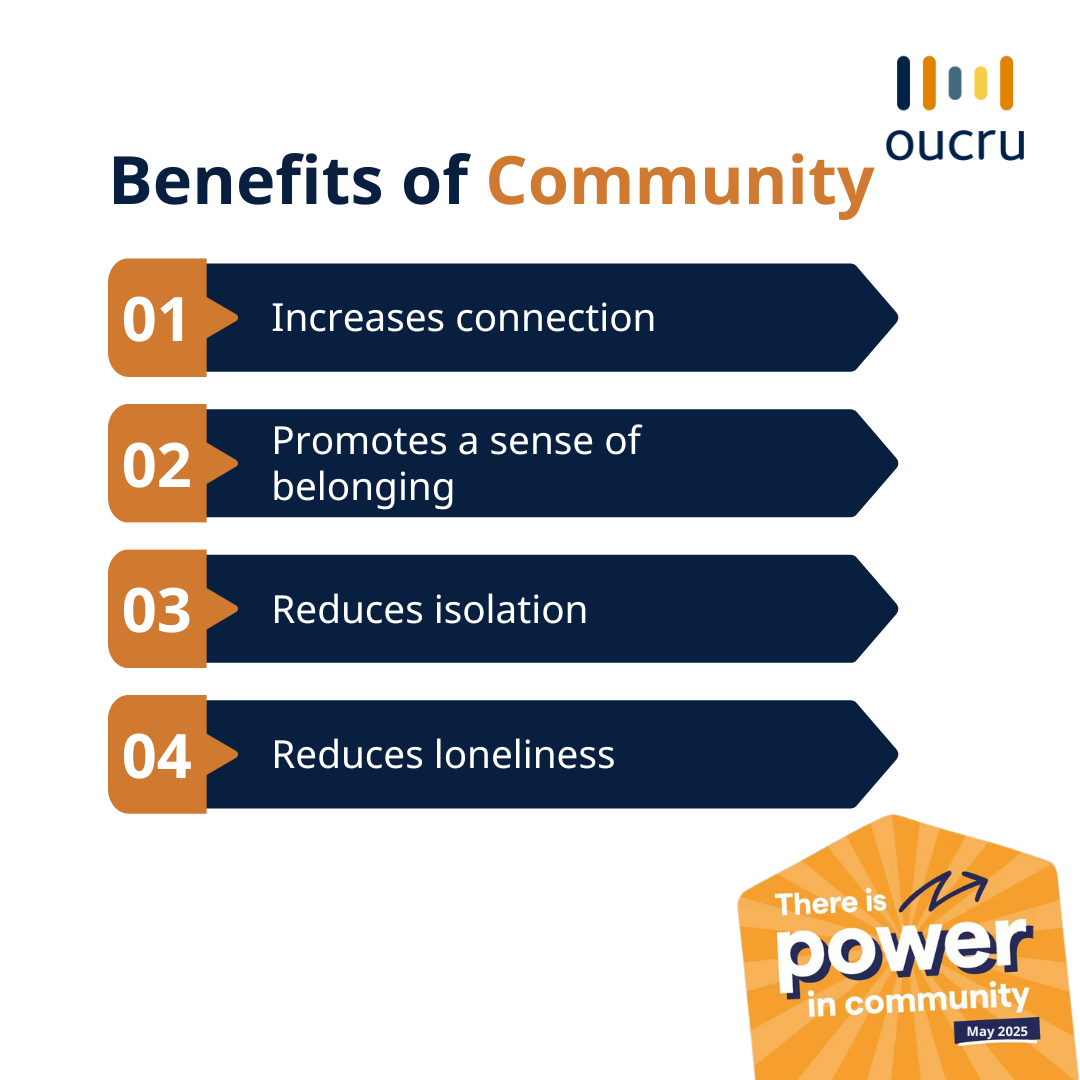
Deep Dive: Six Ways to Deepen Your Roots
If you want your newsletter to resonate, you must be a participant, not just an observer. Here are six actionable ways to integrate yourself into the community fabric:
- Volunteer at Local Non-Profits: Whether it’s a food bank or an animal shelter, showing up builds trust. You will meet the people who make your town run.
- Community Cleanups: Physical labor in public spaces is a great way to network. It demonstrates that you care about the aesthetic and environmental health of the area.
- Local Government Oversight: Attending city council or school board meetings provides you with primary-source content that no one else has.
- Strategic Philanthropy: If your time is limited, donating to local causes allows you to build relationships with community leaders while highlighting important work in your newsletter.
- Event Hosting: Organize a local "meet-up" or a charity event. This serves as a live activation of your digital brand.
- Serving on Boards: This is the "gold standard" of involvement. By serving on a library board or a neighborhood association, you get a seat at the table where decisions are made.
Implications: The Future of Civic Engagement
The implications of the hyper-local movement are profound. We are witnessing a shift away from the "globalized" news experience toward a re-prioritization of the immediate physical world.
The Trust Dividend
In an era of deepfakes and algorithmic misinformation, the local newsletter stands as a bastion of reality. When you write about the potholes on Main Street or the new park opening on 5th Avenue, you are reporting on things that your readers can verify with their own eyes. This builds a "trust dividend" that national media outlets simply cannot replicate.

Economic Sustainability
The traditional advertising model is failing, but the community-sponsored model is thriving. By connecting local businesses with a hyper-engaged local audience, you create a self-sustaining ecosystem. The local coffee shop gains a customer through your newsletter; the customer gets a discount; you get the advertising revenue. It is a virtuous cycle that keeps capital within the community.
Civic Health
Finally, a well-run newsletter is a catalyst for democracy. When people are informed about what is happening in their town, they are more likely to vote in local elections, attend town halls, and hold their representatives accountable. By providing this information, you are not just a publisher—you are a civic steward.
Final Thoughts: The Road Ahead
Starting a local newsletter is not just about making a living; it is about making a life. It requires patience, humility, and a genuine love for the place you call home.

As you embark on this journey, remember to keep your design clean and your focus sharp. Monitor your analytics, listen to your readers, and iterate often. The world is getting bigger and more complex every day, but your world—your neighborhood—is right there in front of you. It is time to start writing the story of your community.
Was this guide helpful? Subscribe to our "Build with Ghost" newsletter for more tips on professional content creation, or join our Creator Community to connect with others currently building their own local media empires.



