










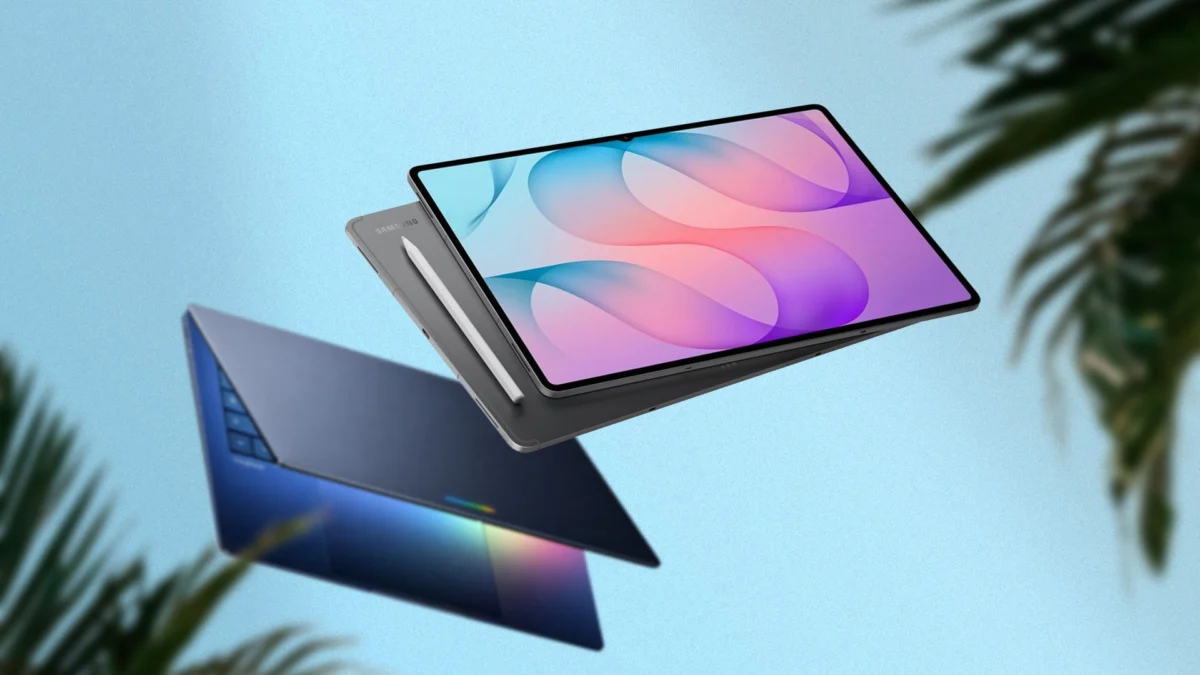
When Google first teased the Googlebook at I/O earlier this year, the tech community was electrified. It promised a bridge between the chaotic freedom of Android and the productivity of a traditional laptop. For a decade, enthusiasts have begged for a native, premium Google-branded device that could finally unify the mobile and desktop experience. However, now that the first wave of units has hit the shelves, that initial fervor has been replaced by a cooling realization: Google may have built a beautiful piece of hardware, but it lacks the soul—and the utility—to justify its premium price tag.
As the hype cycle dies down, many are beginning to see the Googlebook for what it actually is: an overpriced, AI-heavy experiment that struggles to compete with the sheer versatility and maturity of established Android tablets, specifically Samsung’s newly announced Galaxy Tab S12 series.
The Rise and Fall of the Googlebook Hype
The anticipation surrounding the Googlebook was built on the premise of "seamless continuity." We were promised a device that would finally offer Android users the same ecosystem synergy that Apple users have enjoyed with the MacBook for years. Yet, upon release, the marketing shifted heavily toward AI integration—specifically Gemini Intelligence—rather than the functional, bread-and-butter utility that defines a "true" laptop replacement.
The AI-First Trap
Google’s strategy has been to lean hard into "agentic" AI features. During the launch demos, tools like "Magic Point" and various Gemini-powered utilities looked slick, drawing gasps from the audience. But for the average professional or student, these features often feel like parlor tricks.

There is a growing concern that the Googlebook is suffering from the "AI utility fatigue" that has plagued several other Google projects. While features like Rambler or Spark offer genuine utility, they are overshadowed by the device’s fundamental failure to address the core needs of a desktop environment: robust multitasking, file management, and consistent application performance. When you strip away the flashy AI layers, you are left with a device that feels suspiciously like a Chromebook masquerading as a high-end, premium workstation.
Chronology: From I/O Tease to Market Reality
To understand why the Googlebook is struggling, one must look at the timeline of its development and reception.
- Early 2026 (The Tease): Google provides a sneak peek at I/O, promising an OS built on Android and Gemini Intelligence. The promise of "full Android app support" and "seamless continuity" drives massive social media speculation.
- Late Summer 2026: Leaks regarding the hardware specifications surface, hinting at a high price point that places it directly in competition with high-end Windows laptops and the MacBook Air.
- Last Month (The Launch): The Googlebook is officially released. Early reviews highlight the build quality but begin to question the software limitations.
- Current Day: The announcement of the Samsung Galaxy Tab S12 series acts as a critical turning point. Tech reviewers and early adopters begin comparing the two, finding that the "experimental" nature of the Googlebook pales in comparison to the "proven" utility of the Samsung tablet.
The Case for the Galaxy Tab S12: Proven Versatility
While Google was busy iterating on the experimental Googlebook, Samsung was perfecting the tablet-as-a-computer concept. The Galaxy Tab S12 Plus and Ultra are not just "tablets"—they are mature, refined computing platforms that directly challenge the necessity of a dedicated Android laptop.
Why the Tab S12 Beats the Googlebook
The argument for the Tab S12 is simple: it is a proven form factor. When you snap a keyboard folio case onto a Galaxy Tab, you are not just getting a mobile device; you are getting a portable workstation.

- Samsung DeX: This remains the industry gold standard for turning a mobile device into a desktop-like environment. With a single tap, the interface transforms into a multi-window, mouse-and-keyboard-friendly desktop. The Googlebook attempts to emulate this but lacks the years of refinement that Samsung has poured into DeX.
- Multitasking Maturity: Samsung’s window management and app scaling are significantly more robust. Even on the lower-end Fan Edition (FE) models, the multitasking experience feels more reliable than the Googlebook’s current implementation.
- Hardware Synergy: If you are an artist or a power user, the S Pen combined with the Tab S12’s OLED display offers a level of precision and input fidelity that the Googlebook simply cannot match. The weight of the device—nearly a pound lighter than most ultrabooks—makes it a more compelling choice for the modern commuter.
Supporting Data: The Cost of Innovation vs. Reality
The price disparity is perhaps the most damning piece of evidence against the Googlebook. At a price point approaching $1,000, consumers expect a device that replaces a laptop entirely. However, the Googlebook requires a specific set of proprietary expectations that many users aren’t ready to meet.
By contrast, the Android tablet market is teeming with cost-effective alternatives. A user can purchase a previous-generation Galaxy Tab or a competitor’s model from OnePlus or Motorola for half the price of a Googlebook, and still access 90% of the same "continuity" features.
Continuity: A Problem Already Solved
Google’s marketing team has touted "continuity" as a novel feature of the Googlebook. However, Samsung users have been enjoying this for years. Through Samsung’s ecosystem, you can:
- Start a browsing session on your phone and pick it up instantly on your tablet.
- Reply to messages and take calls on your tablet without ever touching your smartphone.
- Use "Multi-Control" to drag and drop files between a phone and a tablet, or even control both devices with a single keyboard and mouse.
Google is trying to sell a solution to a problem that Samsung, through years of software optimization, has already solved.

Official Responses and Industry Sentiment
While Google has maintained that the Googlebook is a "new category of device" designed for the future of AI-assisted productivity, the industry sentiment is shifting. Critics argue that Google is forcing a paradigm shift—moving from traditional desktop computing to AI-managed computing—that the current software ecosystem isn’t ready for.
Industry analysts note that while the Googlebook is a win for hardware diversity, it risks becoming a "niche product for early adopters" rather than a mainstream laptop replacement. The lack of enterprise-grade software compatibility for the Googlebook OS has left business users, in particular, feeling alienated.
The Implications: What This Means for Android’s Future
The Googlebook’s current struggle sends a clear message to the tech giant: Don’t fix what isn’t broken.
The success of the tablet market shows that users want flexibility. They want devices that can switch from a consumption medium to a productivity tool in seconds. By focusing so heavily on Gemini Intelligence and AI gimmicks, Google has ignored the fundamental demand for a stable, high-performance Android desktop environment.
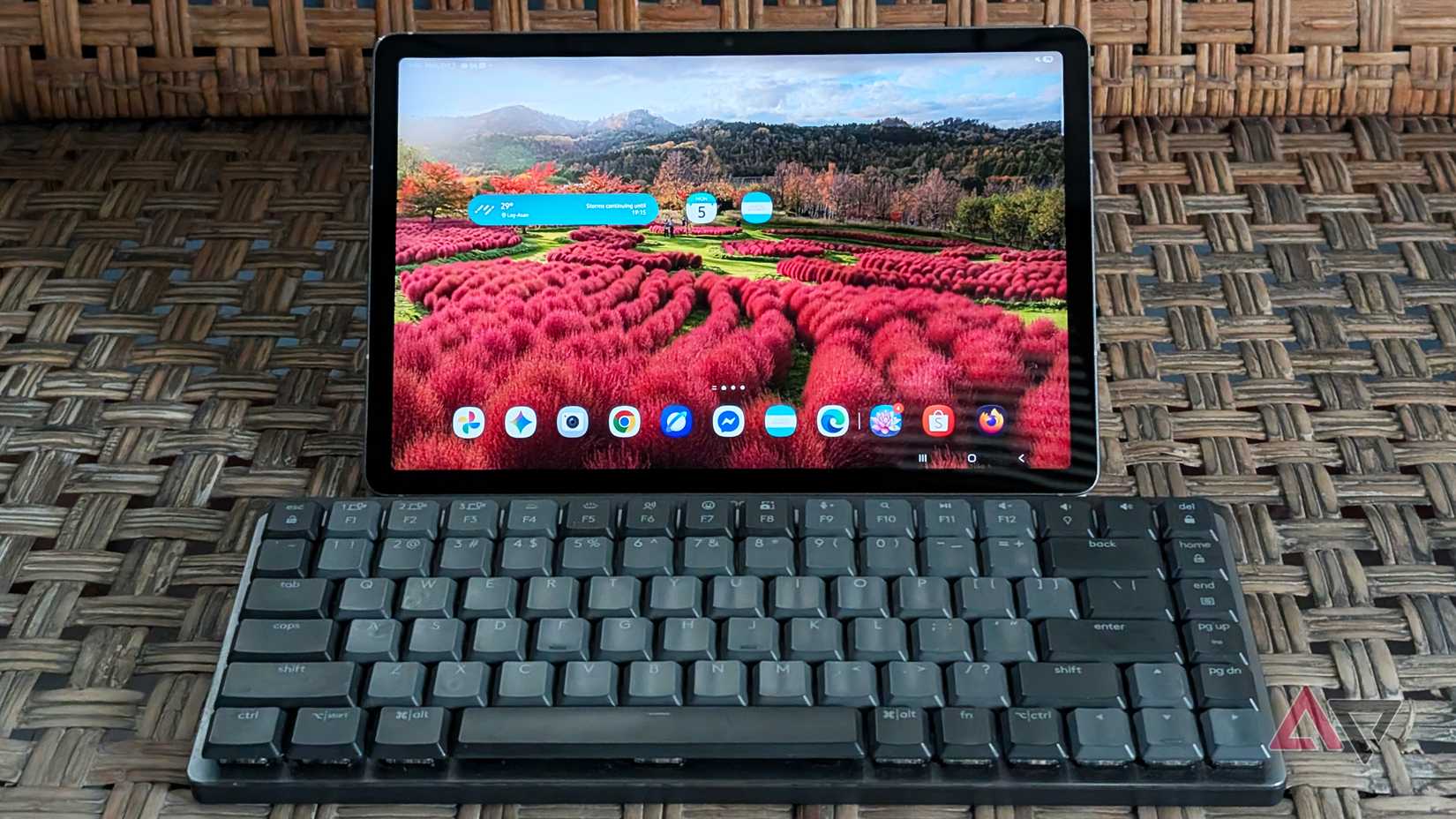
If Google expects to win over the professional market, they need to stop treating the Android OS like a sandbox for AI experiments and start treating it like a serious operating system. The "Googlebook" name currently represents an experiment in search of a problem. Unless Google shifts its focus from "AI-first" to "Utility-first," it is likely that the Googlebook will remain an expensive curiosity while the Galaxy Tab series continues to dominate the pockets and backpacks of real-world users.
Final Verdict
If you are looking for a device that truly bridges the gap between your phone and your desktop, you don’t need a $1,000 "Googlebook." You need a tablet that understands how to manage your workflow, handle your files, and interact with your existing devices. Samsung has proven that this is possible today, without the need for unproven AI features.
For the average consumer, the choice is clear: choose the hardware that works for you, not the hardware that works for the marketing department. The hype for the Googlebook is drying up, and perhaps, that is for the best. It is time for Google to go back to the drawing board and build a device that respects the user’s need for simplicity, efficiency, and real-world results.



