For the modern YouTube creator, the path to professional growth is paved with brand sponsorships. It is the hallmark of success—a personalized outreach from a global brand, a professional negotiation regarding rates, and the promise of a lucrative, long-term partnership. However, this routine business process is increasingly becoming a hunting ground for sophisticated cybercriminals.
A growing wave of targeted phishing campaigns is currently exploiting the aspirations of content creators worldwide, masquerading as legitimate corporate outreach to gain unauthorized access to their Google accounts. By impersonating high-profile manufacturers like Hollyland, and global giants like Nike and Spotify, these threat actors are not merely after data; they are hijacking the entire digital identity of creators to exploit their audiences.
The Anatomy of the Deception: Main Facts
At the core of this operation is a high-level social engineering tactic that relies on the "illusion of professionalism." Unlike crude phishing attempts that use urgent, broken English, these attackers invest time in researching their targets. They study specific videos, mention past content, and offer seemingly genuine collaboration terms.

The scheme is modular, meaning the scammers utilize a standardized infrastructure—a "phishing-as-a-service" framework—that allows them to swap brand identities, domains, and logos with minimal friction. The primary goal is the capture of session tokens or direct credentials via a fraudulent authentication page. Once a creator provides their login details, the attackers bypass standard security measures, often locking the user out by altering recovery phone numbers and email addresses, effectively "stealing" the channel.
A Chronology of the Scam: From Outreach to Account Hijacking
The progression of this attack follows a carefully choreographed sequence designed to lower the victim’s guard through progressive compliance.
Phase 1: The Personalized Hook
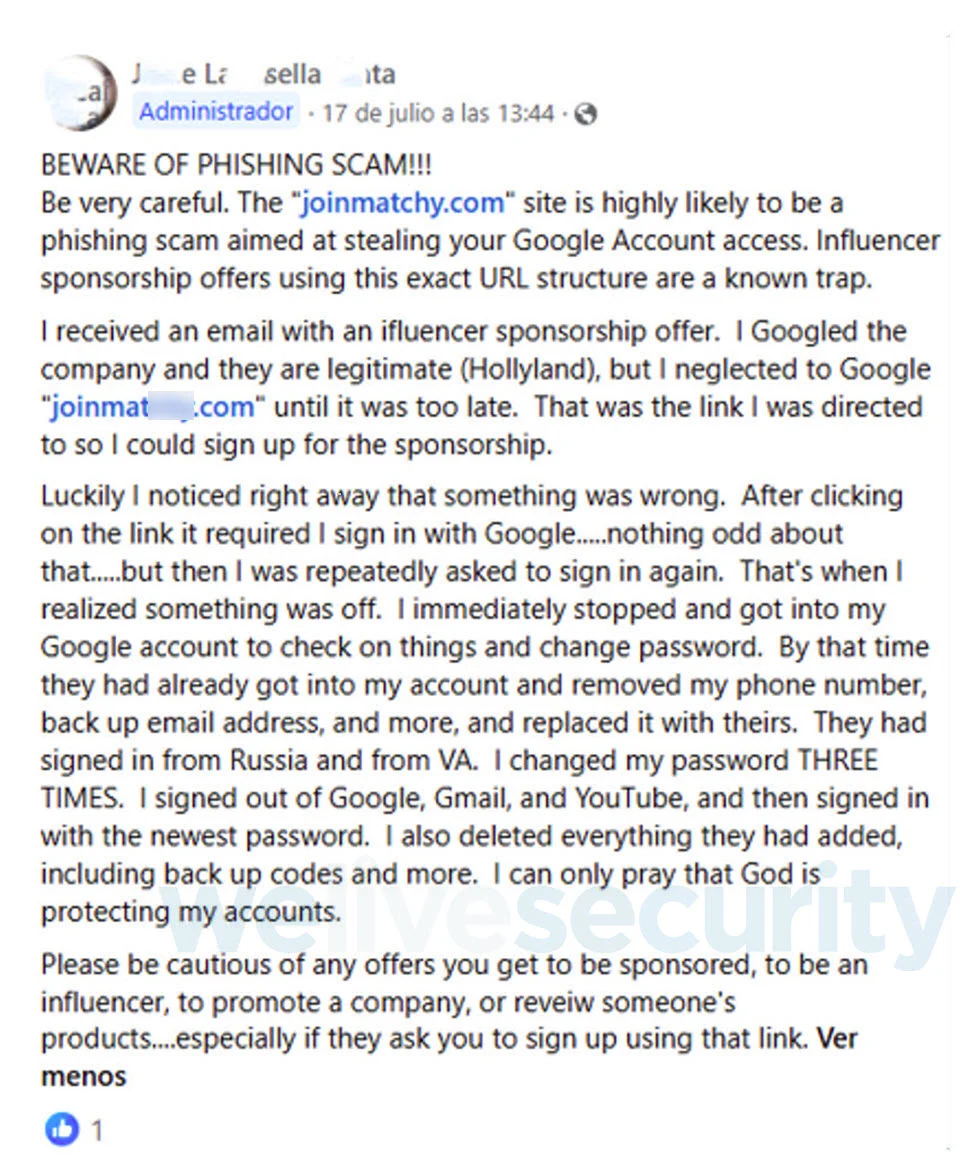
The campaign initiates with an email that feels tailor-made. A recent investigation revealed a case involving a journalist in Peru who received an invitation for a "Paid collaboration opportunity." The sender, identifying herself as "Brandi" from Hollyland’s Creator Partnerships team, referenced specific videos from the target’s channel. By establishing this context, the attacker builds an immediate sense of trust.

Phase 2: The "Platform" Illusion
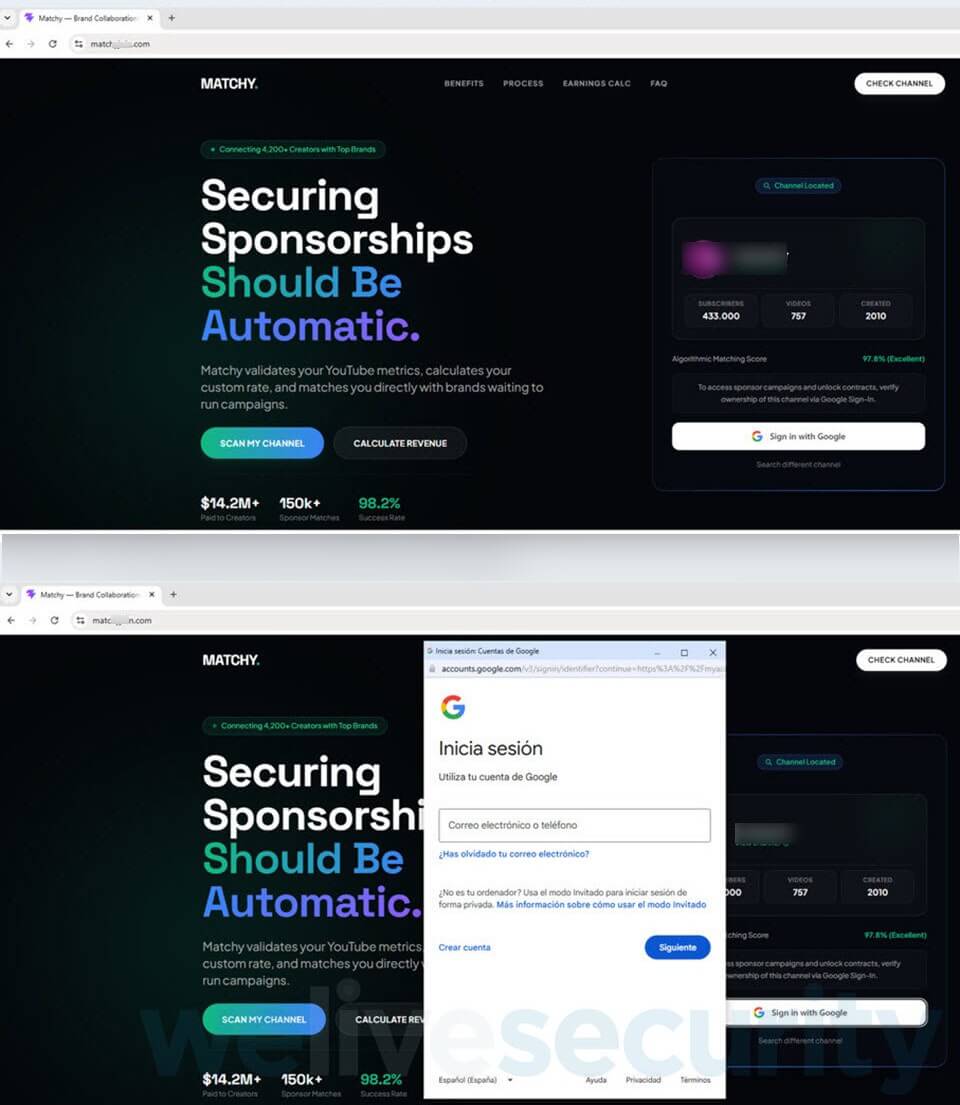
Once the creator engages and discusses rates, the attacker directs them to a slick, professional-looking website—such as joinmatchy[.]com/hollyland. This site is the centerpiece of the fraud. It provides the creator with a dashboard featuring campaign metrics, income calculators, and automated contract tools. Because the platform retrieves public information from the creator’s YouTube channel, the site feels personalized and legitimate, reinforcing the belief that the creator is interacting with a professional enterprise software suite.
Phase 3: The Authentication Trap
The final stage is the "Sign in with Google" prompt. Because this is a standard industry practice for third-party apps, creators rarely hesitate to click. However, the site is not using an official Google API integration; it is a custom-built, malicious interface. By entering their credentials here, the victim hands over their password and, in many cases, their two-factor authentication (2FA) code.
Phase 4: Full Account Takeover
Once the attackers have the keys to the kingdom, they move with surgical speed. Victims have reported that within minutes of the "login," the attackers replace the recovery phone number and backup email with their own. By adding their own backup codes, they ensure the legitimate owner cannot regain access, even if they attempt to reset their password.

Supporting Data and Technical Sophistication
The scale of this campaign is global. Investigations have confirmed that these attacks have targeted creators in Japan, Latin America, and across the English-speaking world. The infrastructure behind these attacks—often dubbed by security researchers as the "Scouty" variant—shares identical codebases, favicons, and meta-descriptions across different domains.
Security analysts have noted that these sites are designed to be "resilient." When one domain is flagged or taken down, the attackers simply roll out a new one with a different brand identity. The reuse of underlying source code suggests a centralized group or a "crime-as-a-service" provider supplying these kits to various lower-level scammers.
Official Responses and Industry Warnings
The brands being impersonated are acutely aware of the damage. Hollyland has issued formal warnings across their official social media channels, urging creators to exercise extreme caution and verify all communications.

Google has also provided extensive documentation regarding account security, emphasizing that legitimate third-party applications will never ask for a user’s password in the manner these phishing sites do. Instead, legitimate platforms utilize "OAuth" flows, where the user grants permission to a specific set of scopes (such as "View analytics") without ever revealing their password to the third party.
Implications for the Creator Economy
The fallout from these attacks goes far beyond the loss of a single YouTube channel. The implications are profound:
- Reputational Damage: Once an account is hijacked, the attackers often use it to post malicious content, such as links to crypto-scams or malware, under the creator’s identity. This destroys the trust built with followers over years.
- Financial Ruin: For many, the YouTube channel is their primary source of income. A total lockout leads to the loss of AdSense revenue and sponsorship payments.
- Data Privacy Breach: A compromised Google account acts as a gateway. Attackers gain access to private Gmail correspondence, Google Drive documents containing sensitive personal information, and potentially other accounts linked via "Sign in with Google."
- The "Hostage" Scenario: In some instances, hackers have been known to demand ransoms to return the channel, though compliance with these demands rarely guarantees the return of the asset.
Protecting Your Digital Assets: Best Practices
To avoid becoming a victim, creators must shift their mindset from "trusting the brand" to "verifying the infrastructure."
- Scrutinize the Sender’s Domain: If an email claims to be from a major brand, ensure the domain name is exactly that of the company (e.g.,
@hollyland.com). Be wary of slight misspellings or domains that use hyphenated versions of brand names. - Avoid "Sign In" Prompts: Never provide your Google password on a third-party website that isn’t hosted on a verified
google.comoraccounts.google.comdomain. - Enable Advanced Protection: Use Google’s "Advanced Protection Program," which requires physical security keys for login, making it nearly impossible for remote phishers to access your account even if they steal your password.
- Check Permissions: Periodically review the "Third-party apps with account access" section in your Google Account security settings. Remove any apps you do not recognize or no longer use.
- Verify Out-of-Band: If you receive a suspicious sponsorship offer, contact the company through a different channel, such as their official Twitter account or a verified email address listed on their official website. Do not reply to the initial email address.
What to Do If You Are Compromised
Time is the most critical factor in a recovery scenario. If you suspect your account has been breached:
- Initiate Google Account Recovery: Use the official Google account recovery tool immediately. Do not delay, as attackers are often working in real-time to change your security settings.
- Contact YouTube Support: Use the official "TeamYouTube" handle on X (formerly Twitter) to report the hijacking. They have a specialized team that can assist in recovering compromised channels.
- Secure Linked Accounts: If you use the same password for other services, change those passwords immediately. If you have banking information stored in your browser or linked to your Google account, notify your financial institution.
- Alert Your Network: Warn your followers and other collaborators that your account has been compromised. This prevents them from clicking on malicious links you may be forced to post.
In an era where the creator economy is a multi-billion-dollar industry, your digital presence is your most valuable asset. The rise of these modular, highly convincing scams serves as a stark reminder that in the digital age, security is not a one-time setup—it is a continuous, vigilant practice. Before you sign that next contract, look closer at the URL, question the request for access, and remember that for a true partner, your security should always be a priority.