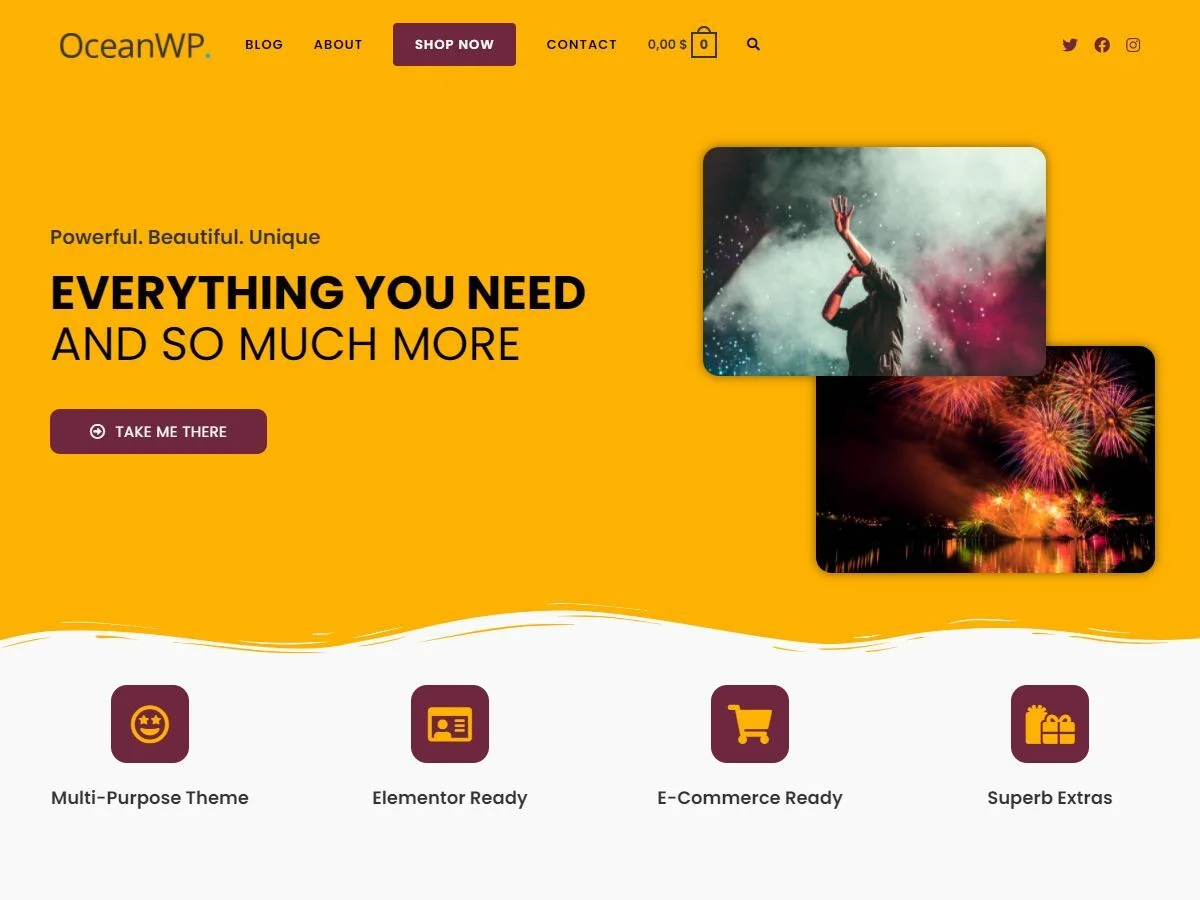
GLOBAL — In the ever-evolving landscape of web development, finding a tool that balances lightweight performance, extensive customization, and deep integration with modern page builders is a perennial challenge for developers and creators alike. Enter OceanWP, a multipurpose WordPress theme that has quietly and steadily asserted its dominance in the content management system (CMS) market. Achieving a monumental milestone of over 400,000 active installations on WordPress.org, OceanWP has cemented its status as one of the most reliable, versatile, and enduringly popular themes available today.
Designed to cater to everyone from absolute beginners building a personal blog to seasoned agencies deploying complex WooCommerce storefronts and corporate portfolios, OceanWP offers a masterclass in extensible theme architecture. As web design trends shift toward modularity, speed optimization, and mobile-first responsiveness, this comprehensive report explores the rise of OceanWP, its core technical features, community footprint, and what its continued growth means for the future of the WordPress ecosystem.
Main Facts: What Drives the OceanWP Phenomenon?
At its core, OceanWP is engineered to be a true multi-purpose theme. Rather than locking users into a rigid design paradigm, the theme functions as a blank canvas backed by a robust framework of advanced features.
Key Technical Specifications and Attributes
- Active Installations: 400,000+ live websites globally.
- Core Philosophy: Lightweight, performance-optimized, and highly extendable.
- Compatibility: Fully optimized for top-tier page builders, including Elementor, Beaver Builder, Brizy, Visual Composer, Divi, and SiteOrigin.
- E-Commerce Readiness: Deep WooCommerce integration with built-in conversion-boosting features, unique checkout layouts, and mobile-specific display controls.
- Accessibility and Internationalization: Accessibility-ready, RTL (Right-to-Left) language support, and fully translation-ready with localizations available in dozens of languages ranging from Spanish and German to Japanese and Russian.
The theme operates on a freemium business model. While the core version available via the official WordPress repository is entirely free and robust enough to build fully functional websites, it offers a suite of paid commercial upgrades, extensions, and professional support tiers for users seeking advanced functionality.
Chronology: The Evolution of a WordPress Powerhouse
The journey of OceanWP from a promising indie theme to an industry staple reflects the broader maturation of the WordPress ecosystem, marked by the rise of page builders and advanced e-commerce demands.
Phase 1: Inception and Lightweight Foundations
When OceanWP was first introduced to the WordPress repository, the primary goal of its developers was to solve a common dilemma: themes were either lightning-fast but severely limited in design capabilities, or feature-rich but bloated and sluggish. OceanWP bridged this gap by keeping its core codebase remarkably lean while utilizing hooks, filters, and extensions to allow infinite customization. Developers quickly gravitated toward its clean, developer-friendly architecture.
Phase 2: The Page Builder Integration Era
As drag-and-drop page builders like Elementor began revolutionizing how websites were built, OceanWP positioned itself strategically. Rather than competing with page builders, the theme integrated seamlessly with them, offering dedicated controls to disable page titles, sidebars, and footers on a per-page basis. This made OceanWP the go-to companion theme for Elementor users, driving a massive surge in its adoption rates.
Phase 3: E-Commerce Dominance and WooCommerce Optimization
Recognizing the explosive growth of online retail, the development team introduced specialized WooCommerce features. These included native floating cart buttons, quick-view options, off-canvas filters, and customized checkout experiences designed specifically to reduce cart abandonment and increase conversion rates. This pivot transformed OceanWP from a standard blogging theme into a powerhouse for digital storefronts.
Phase 4: Reaching the 400,000 Milestone
Today, with over 400,000 active installations, OceanWP stands as a mature, enterprise-grade tool. Regular updates ensure compatibility with the latest WordPress core releases, block editor (Gutenberg) styles, and web performance standards, keeping the theme at the forefront of the industry.
Supporting Data: Feature Breakdown and Global Reach
A closer look at the data surrounding OceanWP reveals why it remains a preferred choice for millions of web pages worldwide. The theme’s versatility is underscored by its comprehensive tagging and native support features on WordPress.org:
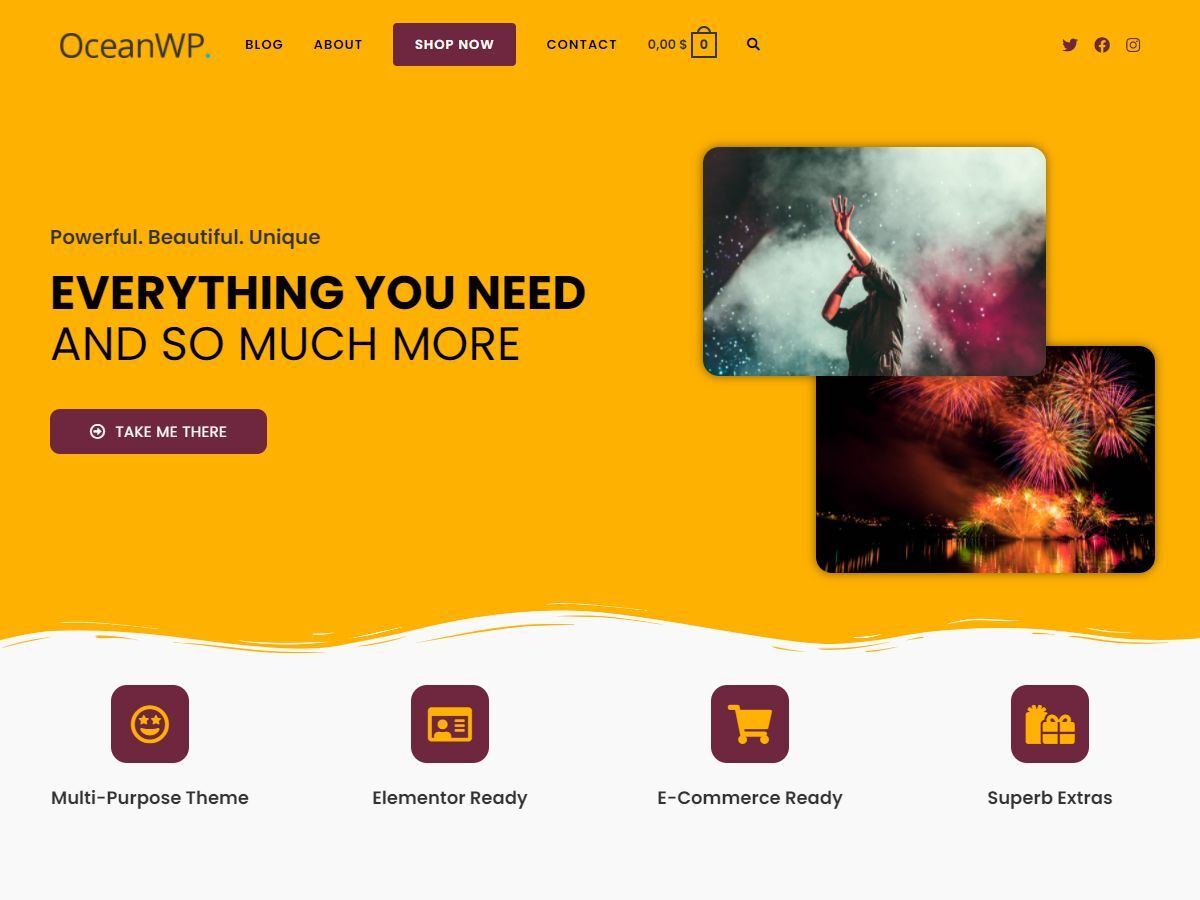
Feature Ecosystem
- Design Flexibility: Custom backgrounds, custom colors, custom menus, wide blocks, full-width templates, and specialized post formats.
- Widgetry: Comprehensive footer widgets, right sidebar management, and sticky post handling.
- Device Responsiveness: Granular control over settings across desktop, tablet, and mobile breakpoints, ensuring pixel-perfect presentation on any screen size.
- Developer Friendliness: A clean, well-documented codebase that encourages custom hooks, child-theme development, and advanced extensions.
Global Localization and Community
OceanWP is a truly global product. Its translation-ready framework has been embraced by open-source contributors around the world. The theme is fully localized in major languages and regional variants, including:
- European Languages: Catalan, Czech, Danish, German, Finnish, French, Galician, Croatian, Italian, Dutch, Swedish, and Ukrainian.
- Americas and Iberian Variants: English (Australia, Canada, UK, US), Spanish (Argentina, Chile, Colombia, Ecuador, Mexico, Venezuela, and standard Spanish), and Portuguese (Angola and Brazil).
- Middle Eastern and Asian Languages: Persian, Gujarati, Hebrew, Japanese, Lao, and Russian.
This extensive linguistic support ensures that creators from diverse geographic regions can deploy localized websites without friction, contributing significantly to its international retention and download rates.
Official Responses and Developer Insights
While OceanWP offers a robust free tier, the ecosystem surrounding the theme is supported by dedicated documentation, active support forums, and community channels.
According to the development team, the philosophy behind OceanWP has always centered on user empowerment: "We wanted to build a theme that doesn’t dictate how your website should look or perform. Whether you are building a minimalist portfolio, a high-traffic news portal, or a bustling e-commerce empire, the framework should adapt to your vision—not the other way around."
Support infrastructure plays a critical role in maintaining the 400,000+ active user base. Through the official WordPress.org support forum, as well as dedicated ticketing systems on the OceanWP website, users receive troubleshooting assistance, guidance on CSS customizations, and advice on page builder compatibility. Furthermore, the Make WordPress Themes reporting framework provides a transparent channel for users and developers to report bugs or major issues, ensuring high standards of code security and reliability.
Implications: What OceanWP’s Success Means for the Future of Web Design
The enduring popularity of OceanWP carries several important implications for the broader web development and WordPress industries.
1. The Longevity of Hybrid Multi-Purpose Themes
Despite the advent of Full Site Editing (FSE) and block-based themes introduced in recent WordPress core updates, traditional multi-purpose themes like OceanWP continue to thrive. This demonstrates that a vast segment of the market still relies on structured customizer options, deep page-builder integration, and specialized e-commerce features that go beyond out-of-the-box block editing.
2. The Critical Importance of Mobile Optimization
With mobile traffic continuing to dominate global web usage, OceanWP’s emphasis on tablet and mobile-specific settings highlights a crucial industry shift. Developers can no longer treat mobile responsiveness as an afterthought; themes must offer granular control over padding, font sizes, and element visibility across different viewports to succeed.
3. Empowerment of Freelancers and Agencies
For web design agencies and freelance developers, efficiency is profitability. By utilizing a flexible, reliable framework like OceanWP paired with their preferred page builder (such as Elementor or Divi), professionals can drastically reduce project turnaround times. The availability of pre-built demos (accessible via oceanwp.org/demos) allows developers to jumpstart projects with professional layouts, passing on both time and cost savings to their clients.
Conclusion
OceanWP’s ascent to over 400,000 active installations is not an accident of timing, but the result of deliberate engineering, responsive customer support, and a steadfast commitment to performance and flexibility. As the digital landscape continues to evolve, OceanWP remains a trusted anchor for creators looking to build fast, beautiful, and highly functional websites across every imaginable niche.