Breathing New Life into Obsolete Hardware: How a Developer Successfully Ported Super Mario 64 to the Microsoft Zune HD
By Tech & Culture Desk Published October 2026
Main Facts
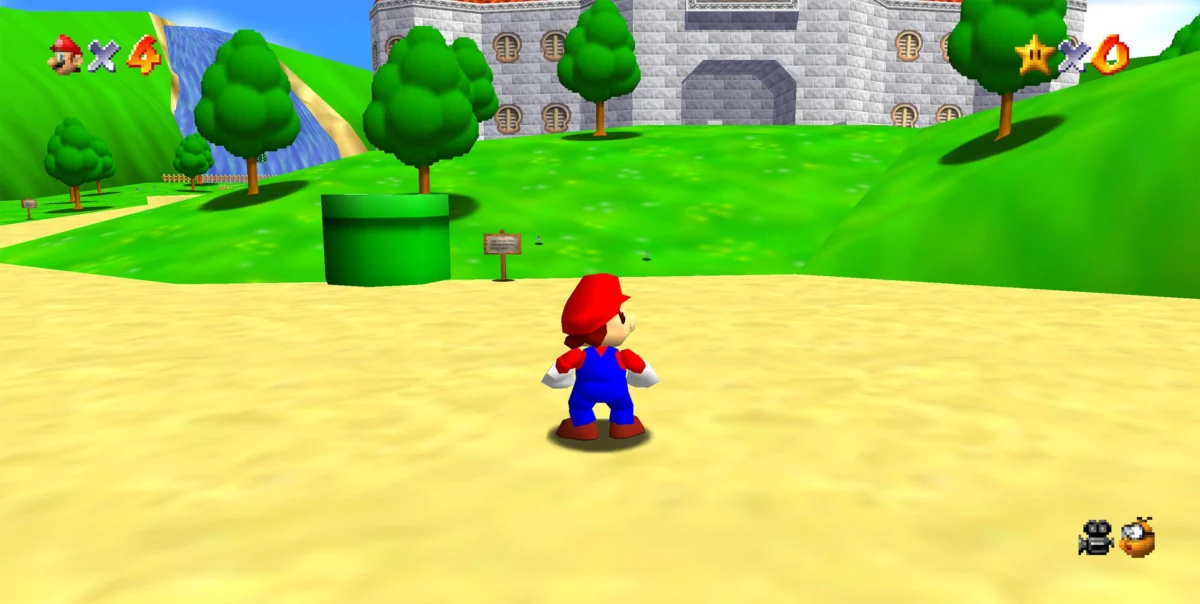
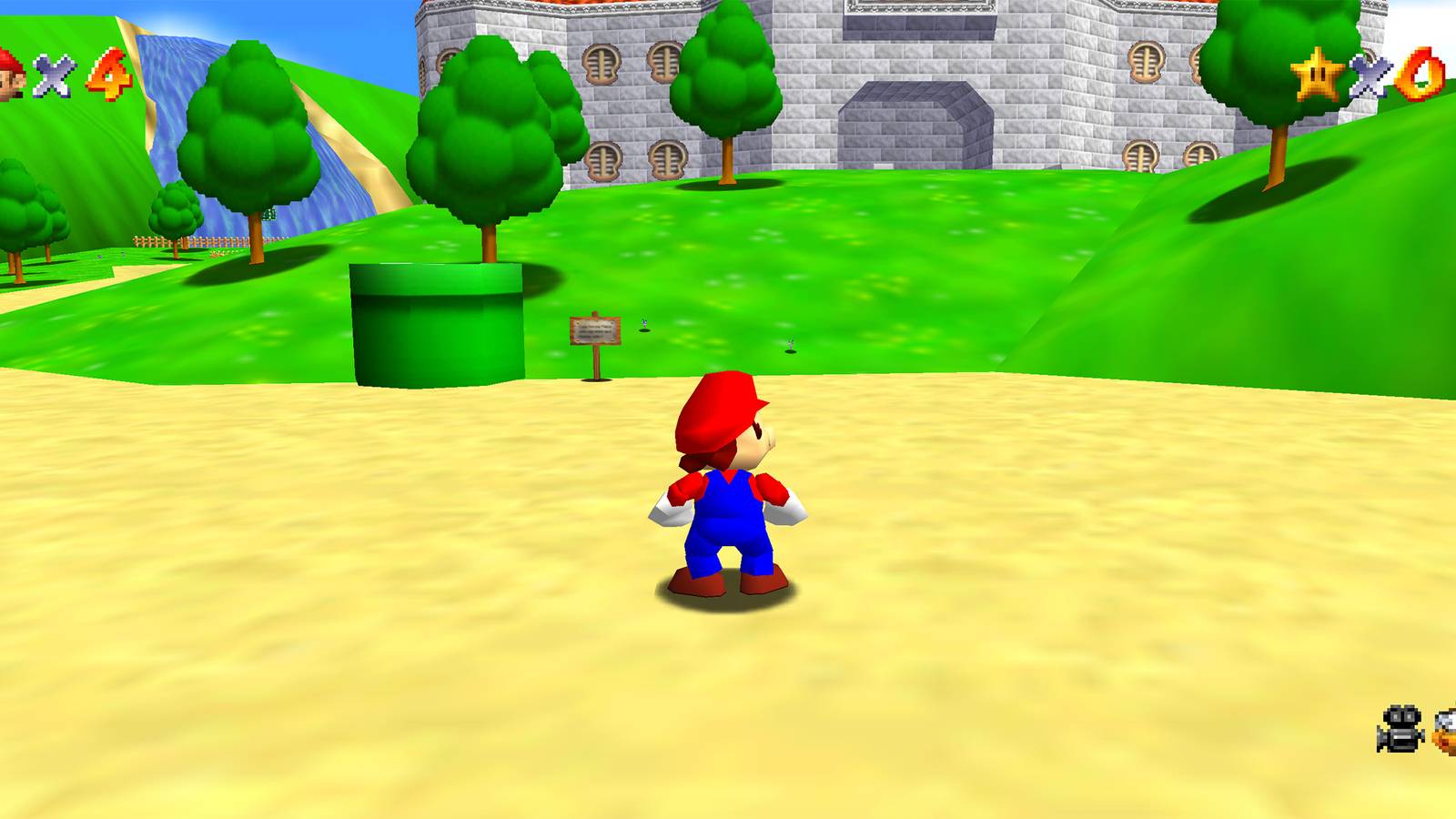
The art of hardware repurposing has reached a nostalgic new milestone. In a feat of cross-platform hacking that has captured the attention of retro-gaming enthusiasts and software engineers alike, a developer known online as rsheldiii has successfully ported Super Mario 64 to the Microsoft Zune HD.
Originally released in 2009 as Microsoft’s final, sleek attempt to capture the portable media player market dominated by the Apple iPod Touch, the Zune HD has long since faded into technological obscurity. Discontinued in 2011, millions of these devices were eventually relegated to junk drawers, thrift store shelves, and forgotten storage boxes.
However, thanks to rsheldiii’s adaptation of the sm64ex source code repository—as highlighted by Hackaday—the long-forgotten NVIDIA Tegra-powered device can now function as a pocket-sized Nintendo 64 emulator. The port is remarkably comprehensive, featuring:
Full-speed game emulation (under most circumstances).
Functional in-game audio and sound effects.
Operational save state capabilities.
Custom-mapped touch-screen controls designed to accommodate the Zune HD’s OLED interface.
While running a complex 3D platformer on a vintage MP3 player sounds like a novelty, the technical execution highlights the enduring potential of community-driven software preservation and the surprising headroom left inside obsolete hardware.
Chronology: From Microsoft’s Flagship Media Player to Retro Gaming Marvel
To understand the significance of this project, it is necessary to retrace both the hardware’s history and the timeline of the homebrew porting movement.
2009–2011: The Rise and Fall of the Zune HD
When Microsoft launched the Zune HD, it was actually ahead of its time in several hardware respects. Driven by an NVIDIA Tegra APX 2600 system-on-a-chip (SoC)—featuring an ARM processor and an early GeForce-based GPU—and boasting a vibrant 3.3-inch OLED capacitive touch screen, the device was visually stunning and multimedia-capable. Unfortunately, stiff market competition, late entry into the ecosystem, and Microsoft’s eventual pivot away from dedicated consumer hardware led to its quiet demise.
The Retro Renaissance and E-Ink Tinkering
Fast forward a decade and a half. Tech enthusiasts have increasingly turned their attention toward breathing new life into old, discarded electronics. Recently, the retro community witnessed a wave of creative repurposing projects, such as retrofitting 13-year-old Amazon Kindle Paperwhite e-readers to function as dedicated desktop productivity assistants or minimal e-ink dashboards.
The Development of sm64ex-zune
The path to bringing Nintendo’s masterpiece to Microsoft’s forgotten media player began with the broader scene of Super Mario 64 source code decompilation. Originally reverse-engineered into C code by passionate fans years ago, the game became infinitely portable.
Developer rsheldiii took the sm64ex framework and optimized it specifically for the Tegra architecture of the Zune HD. After a rigorous testing and compilation phase, the project was published on GitHub as sm64-zune. Within days of its discovery by tech blogs like Hackaday, retro-gaming communities and legacy hardware collectors began unearthing their old Zune units to test out the homebrew application.
Supporting Data & Technical Requirements
For users looking to replicate the feat and transform their vintage media player into a portable plumber simulator, the process requires a blend of legal preparation, technical patience, and a compatible host computer.
Prerequisites for the Port
A Microsoft Zune HD: Naturally, the physical hardware is required, along with a functioning USB sync cable and a host PC capable of running the Zune desktop software or interacting with the device’s storage structure.
A Legally Acquired Game ROM: In accordance with copyright laws, users must supply their own legally dumped Super Mario 64 ROM file to extract the necessary asset files (textures, level data, music).
Development Environment: The build process leverages GitHub resources and containerized compilers.
The Build Process
Executing the installation involves cloning or downloading the code from the official rsheldiii/sm64-zune GitHub repository. Developers and hobbyists must run a specific sequence of terminal or command-line instructions to build the executable package and deploy it onto the Zune HD file system.
According to documentation provided by the creator, the initial build process typically takes between 5 to 10 minutes. This delay is primarily because the setup script must automatically construct the build container image and download the appropriate cross-compilers required to translate modern code down to the Zune’s legacy operating parameters.
Performance and Usability Metrics
Frame Rate: The game runs at a surprisingly stable full speed during standard gameplay segments, a testament to the efficiency of the Tegra SoC when unburdened by modern OS bloat.
Controls: Because the Zune HD lacks physical action buttons or analog sticks, inputs are handled via custom on-screen touch controls. While functional enough to navigate introductory levels and collect stars, users note that it requires an adjustment period compared to the classic ergonomic Nintendo 64 controller.
Troubleshooting: The accompanying repository includes comprehensive documentation outlining potential error codes encountered during compilation or deployment, offering step-by-step guidance for community debugging.
Official Responses and Community Reactions
The retro-computing community has met the sm64-zune release with an overwhelming mix of nostalgia, amusement, and technical admiration.
Tech forums, Reddit communities, and developer hubs have lit up with discussions praising the resourcefulness of independent developers. Many users who purchased a Zune HD fifteen years ago—lamenting its eventual abandonment by Microsoft—have expressed joy at finally finding a new, high-utility purpose for the device.
"It’s poetic justice," notes one prominent retro-hardware forum moderator. "Microsoft built a device powered by NVIDIA graphics that could have been a gaming powerhouse, but pivoted away from apps and games to focus on music subscriptions. Fifteen years later, the community has turned that exact media player into the ultimate pocket-sized Mario machine."
While Microsoft has not issued an official statement regarding the homebrew port—largely because the Zune software ecosystem has been completely sunsetted and unsupported for well over a decade—industry analysts point out that projects like this underscore the resilience of digital culture. Intellectual property holders often walk a fine line between copyright enforcement and ignoring harmless enthusiast projects that keep legacy hardware culturally relevant.
Implications: The Future of E-Waste and Hardware Longevity
Beyond the sheer novelty of playing Super Mario 64 on an obsolete MP3 player, projects like rsheldiii’s sm64-zune carry profound implications for the broader tech ecosystem, touching on topics ranging from electronic waste (e-waste) reduction to open-source software longevity.
1. Combating Planned Obsolescence and E-Waste
Consumer electronics have a notoriously short lifespan, driven by aggressive upgrade cycles, dropped software support, and the cessation of cloud services. Millions of tons of electronic waste end up in landfills every year. Projects that successfully repurpose discarded consumer electronics—turning Kindles into dashboards and Zunes into gaming handhelds—demonstrate that functional silicon often outlives its original commercial purpose. By unlocking closed operating systems, independent developers empower consumers to extract value from hardware long after manufacturers have abandoned it.
2. The Power of Decompilation and Preservation
The ease with which classic games like Super Mario 64 can now be ported to virtually any screen with a CPU (from smartwatches and digital cameras to vintage media players) highlights the vital importance of software decompilation. As official digital storefronts close and physical media degrades, community-led preservation efforts ensure that video game history remains accessible, playable, and adaptable to new computational environments.
3. Open-Source Collaboration as a Cultural Anchor
The Zune HD was famously closed-source, locking users into a tightly controlled Microsoft ecosystem that ultimately contributed to its commercial ceiling. Ironically, it is the open-source community—leveraging GitHub, shared compilers, and collaborative codebases—that has finally unlocked the device’s true computing potential.
Conclusion
The transformation of the Microsoft Zune HD into a portable Super Mario 64 console is more than just a clever party trick; it is a masterclass in creative engineering. It proves that with enough technical ingenuity, passion, and open-source collaboration, yesterday’s e-waste can easily become tomorrow’s prized retro collectible. Whether you still have a Zune sitting at the bottom of a box or are simply watching from the sidelines, this project serves as a brilliant reminder of why we fell in love with technology in the first place.