










Last Updated: October 10, 2026 | 3:30 PM
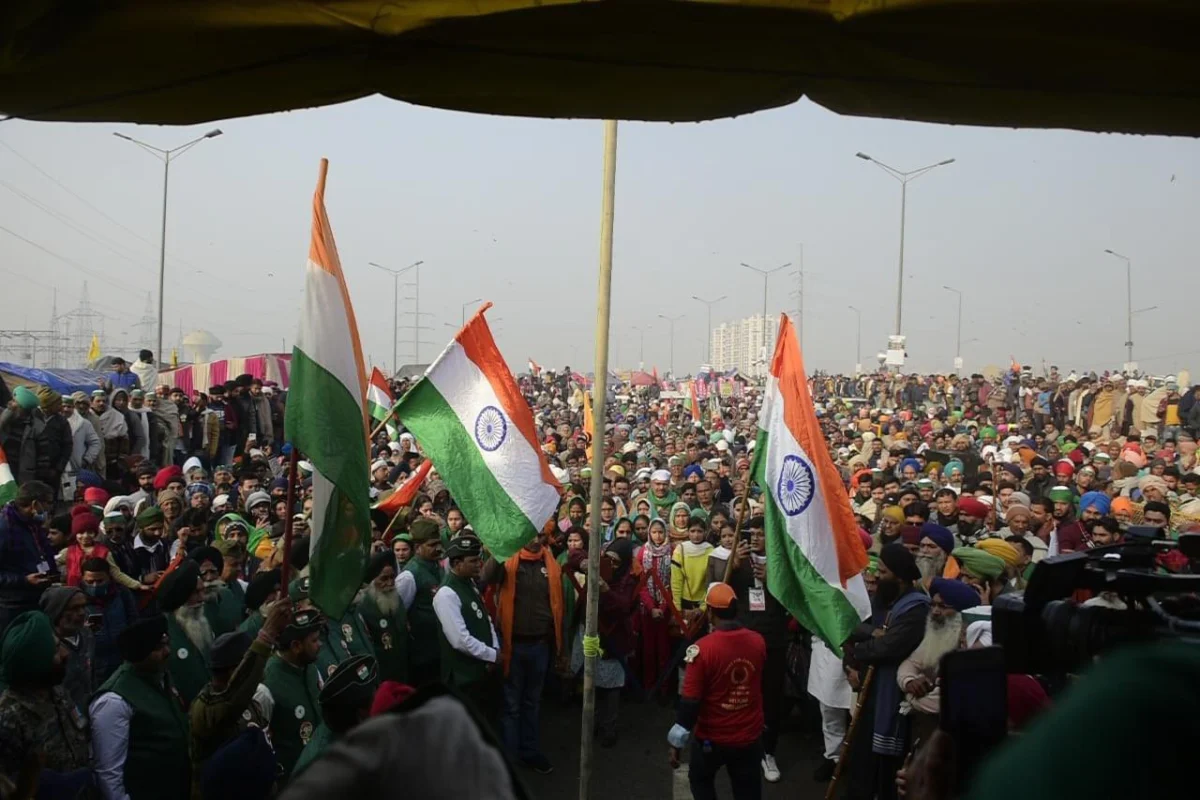
The heart of the Indian capital, New Delhi, has transformed into a high-security fortress today as the Cockroach Janta Party (CJP) leads a massive protest at Jantar Mantar. The demonstration, centered on demands for the resignation of Chief Election Commissioner (CEC) Gyanesh Kumar, has been met with an unprecedented multi-layered security response, characterized by total internet blackouts, mass detentions of journalists and activists, and the deployment of advanced surveillance technology.
The protest centers on alleged irregularities in the Special Intensive Revision (SIR) process, with the CJP advocating for a complete overhaul of the mechanism for appointing Election Commissioners to ensure a "neutral and independent" electoral process.
The Core Conflict: Demands and Tensions
The Cockroach Janta Party, spearheaded by founder Abhijit Dipke, has framed the protest as a fundamental battle for the integrity of India’s democracy. The party’s demands are threefold: the immediate resignation of CEC Gyanesh Kumar, the total dissolution of the SIR process, and the implementation of a transparent, bipartisan framework for the selection of future Election Commissioners.
Before his detention, Dipke emphasized that these measures are non-negotiable for "free and fair elections." In a video statement—which was blocked by Indian authorities within hours of its release—Dipke expressed uncertainty regarding his personal safety, suggesting that the state’s reaction would likely be swift and punitive.
Chronology of the Escalation: October 10
The atmosphere in Delhi began to shift on the eve of the protest, with authorities preemptively locking down the protest site.
- Early Morning (5:00 AM): Reports of civilian detention emerge. An individual traveling to Dr. Ram Manohar Lohia Hospital was detained for over seven hours after police discovered a photograph of the traffic situation in his phone gallery. The incident highlights the extreme level of scrutiny being applied to anyone near the protest radius.
- Morning Operations: Delhi Police enforced a four-kilometer internet blackout around Jantar Mantar. Commuters faced significant hurdles as Delhi Metro and rail services were severely restricted, effectively isolating the protest site.
- Mid-Morning (9:00 AM – 11:00 AM): Despite police requests for ride-hailing and food delivery apps to suspend services in the area, platforms such as Uber, Ola, Zomato, and Blinkit remained operational, though under heavy surveillance.
- Afternoon: The situation deteriorated as police began mass detentions of high-profile figures, including YouTuber Dhruv Rathee, who traveled from Bengaluru to join the movement, and CJP leadership.
The Digital Iron Curtain: Censorship and Surveillance
The state’s response to the Jantar Mantar protests has been uniquely digital in nature, focusing on the suppression of information and the monitoring of protestors.
Suppression of Independent Media
The detention of three Newslaundry journalists and content creator Kavya Karnatac has drawn widespread condemnation. Despite the journalists identifying themselves and clearly stating they were present for reporting purposes, they were taken into custody by Delhi Police officer Dhan Singh Malik. Their communication devices were seized, effectively silencing their ability to document the police response.
Newslaundry, in an official statement on X, noted that their reporters remained in custody long after the initial sweep, raising critical questions about the freedom of the press in the national capital.
Social Media and Content Suppression
The state has utilized legal demands to scrub the digital ecosystem of dissenting voices:
- NetaFlix: The popular political satire account was withheld in India following a formal legal demand.
- Satvik Soni: The Instagram account of the content creator was restricted by Meta, a move attributed by political commentator Meghnad to Soni’s attempts to document police violence against protesters.
- Drones and Surveillance: For the first time in recent protest cycles, the Delhi Police have deployed drones to monitor the Jantar Mantar area. This, combined with the use of body-worn cameras by officers, signals a shift toward high-tech crowd management.
Official Responses and Judicial Intervention
The legal battle over the state’s heavy-handed tactics reached the Supreme Court yesterday. While the Court observed that the state "cannot bring everything to a halt," the practical reality on the ground remains unchanged. Today, a contempt petition was filed against officials for failing to ease restrictions on public movement.
The Body Camera Controversy
The deployment of body-worn cameras by the Delhi Police has become a focal point of debate. An unnamed police official stated to the news agency ANI that the cameras are intended to provide accountability during allegations of manhandling. However, the lack of standardized operating procedures (SOPs) or formal rules governing these cameras has drawn criticism from legal experts.
Advocate Akhil Sibal, speaking on the issue, noted: "There has to be an SOP… it is different from facial recognition technology which has concerns about surveillance, profiling, privacy. The question is ultimately of accountability." With the Delhi High Court having granted the Centre six months to decide on the regulatory framework, the current use of these devices exists in a legal vacuum.
Implications for Civil Liberties
The events of October 10 represent a significant evolution in how protests are managed in India. The integration of internet shutdowns, preemptive digital content removal, and the seizure of personal devices from journalists and civilians alike suggests a move toward "preventative policing."
The Economic and Social Impact
The attempt to force private sector platforms—such as food delivery and ride-hailing services—to suspend their operations demonstrates the state’s desire to exert total control over the urban space. While these platforms have not fully complied, the pressure exerted by the Delhi Police sets a concerning precedent for the role of private corporations in state-sanctioned crackdowns.
The "Chilling Effect"
The detention of individuals for merely carrying images of traffic or protests on their mobile phones has created a chilling effect on the public. By forcing citizens to unlock their devices and submit to arbitrary inspections, the police have fundamentally eroded the expectation of privacy in public spaces.
Moving Forward: A Developing Crisis
As of 3:30 PM, the situation at Jantar Mantar remains volatile. The detention of key organizers and the widespread internet blockade have left many questions unanswered. Will the judiciary intervene to curb the use of police power? Can the press maintain its independence in an environment where journalists are viewed as participants rather than observers?
The protest has moved beyond the original grievances regarding the SIR process. It has now become a litmus test for the state of democratic rights in India. The CJP, despite its leadership being in police custody, has called for continued resistance.
MediaNama continues to track these developments in real-time. If you have information or evidence regarding the protests, please contact our reporting team.
This is a developing story. Updates will follow as more information becomes available.



