










For over a decade, the primary objective for brands on social media was a simple, linear equation: accumulate followers to build reach, leverage that reach to drive engagement, and convert that engagement into sales. It was a predictable, if increasingly expensive, loop. However, as we move through 2026, this playbook has become a relic of a bygone digital age. The modern social landscape is no longer dictated by the size of a brand’s digital "walled garden," but by its ability to break out of it through algorithmic recommendation.
In the current ecosystem, relevance has decisively dethroned audience size. A single post can now accrue millions of views from users who have never interacted with the brand before, often dwarfing the impressions generated by an existing follower base. This shift represents a fundamental transformation in how information is consumed, discovered, and trusted.
The Algorithmic Shift: Why Reach is No Longer About Following
The rise of algorithmic recommendation feeds—most notably TikTok’s "For You" page and Instagram’s "Reels" tab—has effectively decoupled reach from follower count. Modern social algorithms are designed to keep users on the platform by serving them content that aligns with their specific interests, regardless of who they follow.
Data from Sprout Social underscores the magnitude of this transition: 60% of the time, more than 70% of a post’s views are coming from non-followers. This indicates that for the majority of content, the follower count is a vanity metric rather than a performance indicator. Further evidence of this shift is reflected in consumer behavior; only 17% of users now report checking an influencer’s follower count before deciding to follow them or trust their recommendations. For brands, this signals an urgent need to pivot away from "influence by proxy" toward "influence by relevance."
Chronology of a Paradigm Shift
The transition from a "Follower-First" to a "Discoverability-First" model didn’t happen overnight. It is the result of several years of technological and behavioral evolution:
- 2020–2022 (The Video Pivot): Platforms like TikTok forced a shift from interest-graph (who you follow) to interest-graph (what you like). The "For You" page became the primary consumer experience.
- 2023–2024 (The Search Revolution): As search engines became cluttered with SEO-optimized spam, Gen Z and younger demographics began treating social platforms as primary search engines for product discovery, travel recommendations, and lifestyle advice.
- 2025–2026 (The AI Integration): The emergence of AI answer engines (like ChatGPT, Claude, and Gemini) began indexing social media content as a source of truth. Suddenly, a TikTok video wasn’t just a fleeting moment in a feed; it became a permanent, searchable asset in the global knowledge graph.
Supporting Data: The Case for Niche Over Mega
The obsession with "mega-influencers" is waning, replaced by a strategic focus on niche creators and micro-influencers. These creators offer higher levels of trust and, consequently, higher conversion rates.
According to 2026 Pulse Survey data, 21% of buyers are more likely to purchase a product based on a recommendation from a niche creator, compared to just 15% for mega-influencers. The "community trust" factor is paramount here. Smaller influencers often maintain a more authentic connection with their audience, leading to content that feels less like a corporate billboard and more like a peer-to-peer recommendation.
Moreover, the demand for authenticity has forced a change in promotional standards. Consumers are no longer satisfied with influencers who simply read a script. 80% of consumers now believe influencers should actually use the products they promote, with 44% insisting that the creator should have been a long-term user before signing any partnership deal.
The Frontline Revolution: Employees as Advocates
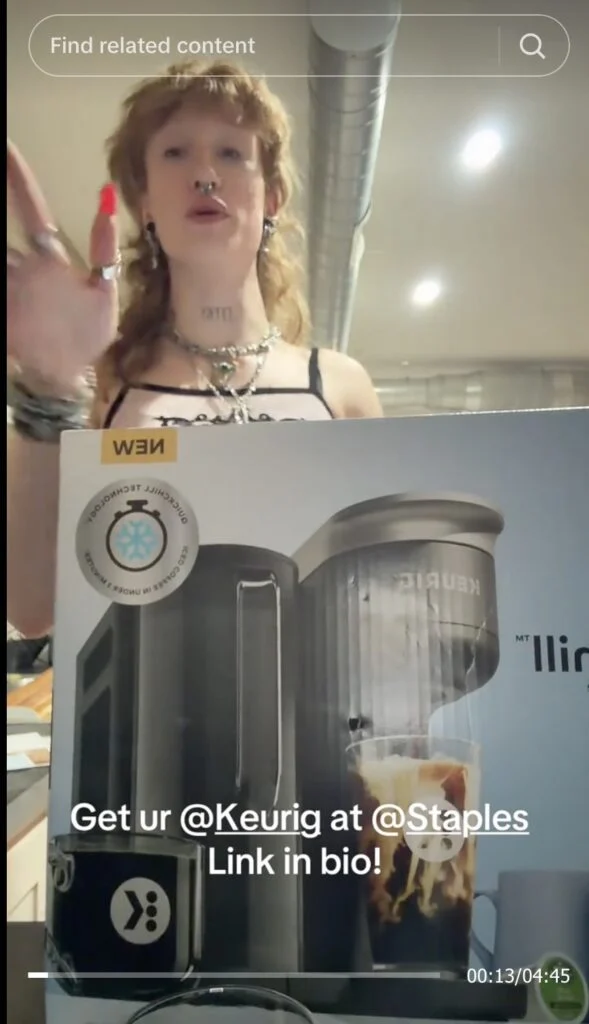
Perhaps the most significant development in brand discoverability is the rise of the "employee-creator." The viral success of the "Staples Baddie" trend in early 2026 served as a wake-up call for marketers. When an employee shares an authentic, unvarnished look at their daily work life, it generates a level of engagement that polished, multi-million dollar marketing campaigns struggle to achieve.
Why Employees Outperform Marketing Teams
- Authenticity: Audiences trust an employee on the front lines—a barista, a warehouse worker, or a customer service rep—far more than a C-suite executive or a brand marketing account.
- Discovery Power: Employee-generated content (EGC) drives product discovery for 40% of consumers monthly, a figure that jumps to 62% among Gen Z.
- The "Fair Pay" Imperative: As brands formalize these programs, there is a clear social mandate for fair compensation. 61% of consumers believe that if an employee is creating content that helps the brand, they should be paid for that labor, independent of their standard salary.
Implications for Brand Strategy
For brands looking to survive and thrive in this new landscape, the implications are profound.
1. The Rise of Social Search Engine Optimization (SOSEO)
Social platforms are now search engines. Brands must treat their captions, on-screen text, and even the audio in their videos as indexable data. Algorithms are increasingly sophisticated; they "listen" to the audio and "read" the on-screen text to categorize content. Brands that fail to optimize these elements will find themselves invisible, even if they have millions of followers.
2. Evergreen Content and the AEO Effect
The shelf-life of social content has been extended by Answer Engine Optimization (AEO). Because AI tools and search engines like Google are now pulling directly from social media to answer user queries, a high-quality video can provide traffic and lead generation for months—or even years—after it was posted. This effectively turns a social media department into a content marketing and SEO powerhouse.
3. Rethinking Influencer Partnerships
The criteria for selecting partners must be completely overhauled. Follower count should be the final, and perhaps least important, metric in the vetting process. Instead, brands should analyze:
- Topic Relevance: Does the creator’s content align perfectly with the specific niche or search intent of the brand?
- Engagement Quality: Are the comments substantive, or just emoji-spam?
- Authenticity Score: Does the creator have a history with the product category?
Official Perspectives and Future Outlook
Industry leaders are beginning to codify these shifts. Companies like Gap and Starbucks are currently piloting formal employee advocacy programs that provide creative freedom while ensuring the brand identity remains protected. These programs acknowledge that in the modern era, the most powerful brand asset is not the logo, but the people who represent the brand at the point of sale.
The "Post-Follower Era" does not mean that audience building is dead, but it does mean that it is no longer the primary objective. The follower count is an input, not an outcome. Brands that continue to treat their social media presence as a megaphone for broadcasting to a static audience will find their reach decaying. Conversely, brands that build for discoverability—through search-optimized content, niche creator partnerships, and empowered employee advocates—will find their reach expanding in ways that were previously impossible.
In 2026, the question is no longer "How many people follow us?" but rather "How easily can we be found by the people who are looking for us?" The answer to that question will define the winners and losers of the next decade of digital marketing.
Summary of Key Metrics and Insights
- Non-Follower Reach: 70% of views on modern social feeds typically come from non-followers, proving that algorithms, not follower lists, dictate success.
- The Trust Gap: Niche creators outperform mega-influencers in purchase intent (21% vs 15%), reinforcing that small, engaged communities are more valuable than broad, shallow reach.
- The Employee Factor: 62% of Gen Z consumers rely on employee-generated content for product discovery, making frontline staff a brand’s most potent, yet underutilized, discovery engine.
- Search Intent: Social media is now the second most-used platform for search, trailing only traditional search engines and outpacing AI chat tools in many demographics.
Final Takeaway: The "Follower-First" playbook is obsolete. In its place, a new discipline has emerged: Total Discoverability. By mastering the intersection of SOSEO, creator authenticity, and employee advocacy, brands can ensure their content remains relevant, searchable, and profitable in a landscape where the algorithm is the ultimate arbiter of value.



