By Lakshya Rana
Updated: October 14, 2026
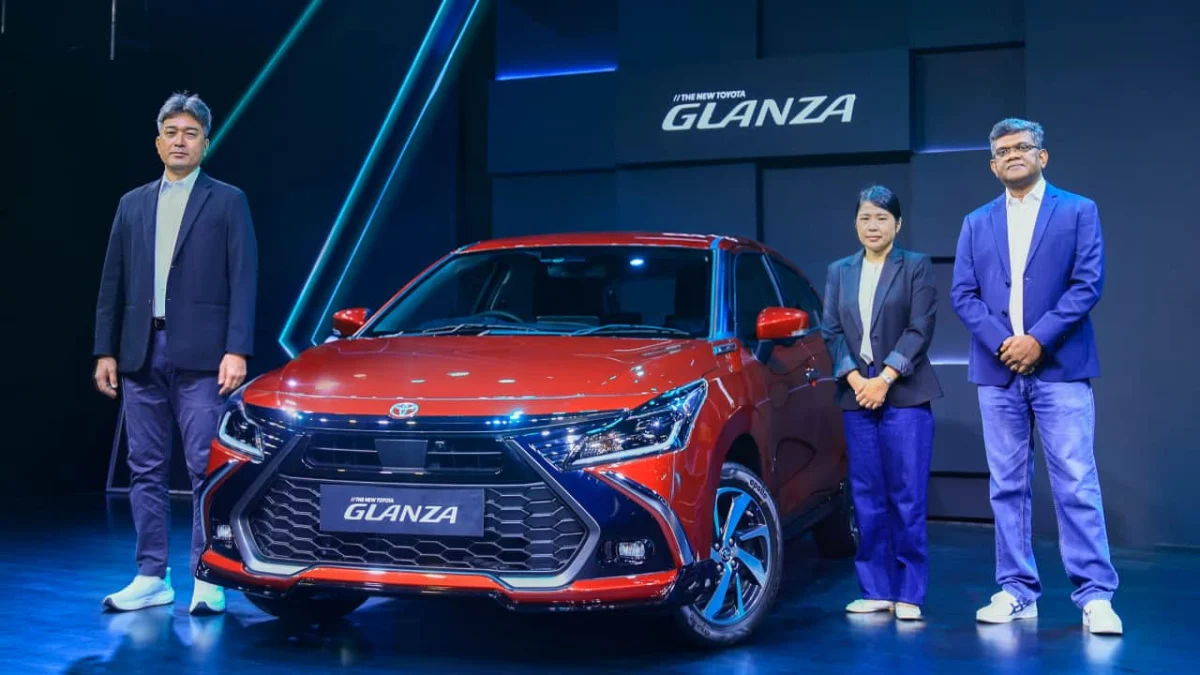
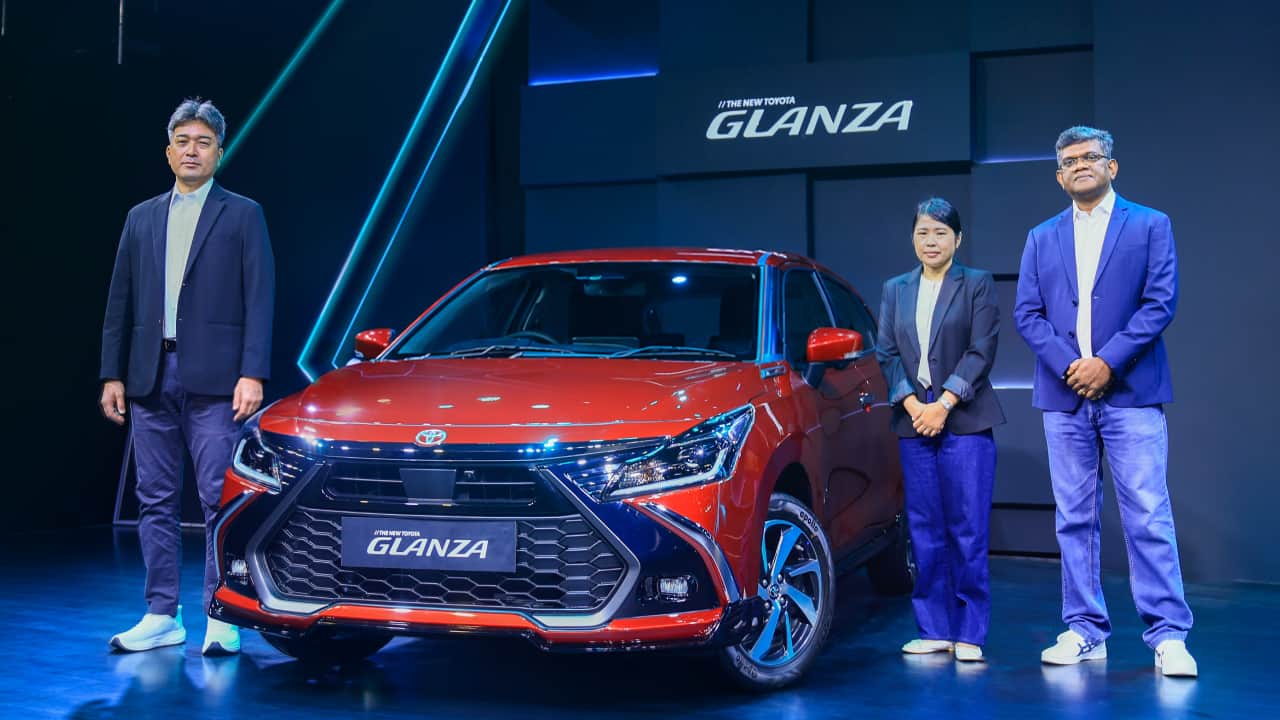
The premium hatchback segment in India has witnessed a significant technological shift as Toyota Kirloskar Motor (TKM) officially pulled the covers off the latest iteration of its popular hatchback, the Glanza. Priced starting at ₹6.99 lakh, the new model is not merely a cosmetic update; it marks a mechanical evolution aimed at balancing performance, fuel efficiency, and the growing demand for cleaner, dual-fuel mobility solutions.
At the heart of this update is the introduction of the new Z12E 1.2-litre, three-cylinder naturally aspirated engine. This transition represents Toyota’s commitment to refining its internal combustion portfolio to meet the evolving needs of urban commuters who demand both reliability and cost-effective daily driving.
Main Facts: What’s New Under the Hood?
The most critical change in the 2026 Toyota Glanza is the powertrain. Moving away from its previous iterations, the car now adopts the Z12E engine architecture. This 1.2-litre, three-cylinder naturally aspirated engine is engineered to deliver a seamless blend of power and efficiency.
In its petrol-exclusive configuration, the engine produces a punchy 83hp and 112Nm of peak torque. While these figures are designed to provide agile performance in city traffic, the real headline is the factory-fitted CNG compatibility. Toyota has ensured that the Z12E engine retains its composure and reliability even when operating on Compressed Natural Gas, a critical feature for the Indian market where running costs remain a primary purchase driver.
To cater to diverse driving preferences, Toyota is offering two transmission options:
- 5-speed Manual Transmission: Designed for purists who enjoy the engagement of a traditional stick-shift.
- 5-speed Automated Manual Transmission (AMT): Tailored for urban dwellers seeking the convenience of clutch-less driving in heavy traffic conditions.
Chronology: The Evolution of the Glanza
To understand the significance of this update, one must look at the trajectory of the Glanza. Born out of the global Toyota-Suzuki alliance, the Glanza was initially positioned as a premium alternative to its siblings, offering a "Toyota experience" defined by a superior service network and a distinct brand identity.
- 2019: The Glanza makes its debut in India, quickly gaining traction as a premium hatchback that offers a high-value proposition.
- 2022: The major facelift introduced a more aggressive design language, improved interior features, and a 360-degree camera, elevating its status as a tech-forward hatchback.
- Late 2024–Early 2025: Rumors began circulating regarding a powertrain shift aimed at meeting stricter emission norms and increasing fuel efficiency.
- October 2026: The official launch of the Z12E-powered Glanza. This launch signifies the next chapter, focusing on the refinement of the powertrain to maximize the potential of the 1.2-litre displacement.
Supporting Data: Engineering Efficiency
The transition to the Z12E engine isn’t just about output numbers; it is about thermal efficiency and weight reduction. By utilizing a three-cylinder configuration, Toyota has optimized the engine for better low-end torque—a necessity for the stop-start nature of Indian metro cities.
Performance Breakdown
| Feature | Specification |
|---|---|
| Engine | 1.2-litre Z12E, 3-Cylinder |
| Power | 83hp |
| Torque | 112Nm |
| Transmission | 5-speed MT / 5-speed AMT |
| Fuel Options | Petrol / CNG |
The decision to pair this engine with an AMT rather than a CVT—which was common in previous premium hatchbacks—suggests a strategic focus on keeping the entry-level price competitive while ensuring the system remains robust and easier to maintain in the long run.
Official Responses and Strategic Intent
Toyota Kirloskar Motor has remained tight-lipped regarding the specific technical nuances of the Z12E, but company insiders emphasize that this engine was built with the "Indian consumer’s pulse" in mind.
In a recent press interaction, a TKM representative stated: "Our goal with the new Glanza was to ensure that the joy of driving is not compromised by the necessity of fuel efficiency. The Z12E engine is a testament to our engineering prowess, allowing us to offer a refined experience for both petrol users and those who rely on CNG for their daily commute."
Industry analysts suggest that by integrating CNG directly into the engine’s core design—rather than treating it as an aftermarket or secondary addition—Toyota is effectively insulating itself against the rising cost of petrol, thereby maintaining the Glanza’s appeal in a price-sensitive segment.
Implications: The Future of the Hatchback Segment
The launch of the updated Glanza has broader implications for the Indian automobile market.
1. The Survival of the Naturally Aspirated Engine
While many manufacturers are pivoting toward turbocharging or full electrification, Toyota’s commitment to a refined, naturally aspirated three-cylinder engine proves that there is still significant life left in traditional internal combustion. The Z12E engine prioritizes longevity and linear power delivery, which many buyers still prefer over the high-maintenance costs associated with small-displacement turbo engines.
2. The Dominance of CNG
The inclusion of CNG as a factory-standard option is no longer a "budget" choice; it is a mainstream necessity. By providing this option in a premium-positioned car like the Glanza, Toyota is signaling that premium buyers are also value-conscious. This trend is expected to force competitors to either launch their own factory-fitted CNG models or risk losing market share to Toyota’s dual-fuel strategy.
3. Pricing Strategy
At ₹6.99 lakh, the Glanza occupies a unique middle ground. It is more expensive than the entry-level budget hatchbacks but significantly more accessible than entry-level sub-compact SUVs. This positioning makes it the ideal choice for first-time premium car buyers and small families who require a second car that is reliable, easy to drive, and light on the pocket.
4. Urban Mobility and AMT
The move to an AMT transmission is a response to the increasing congestion in cities like Delhi, Mumbai, and Bengaluru. While enthusiasts often debate the shift quality of AMTs, the data shows that the majority of urban buyers prioritize the relief of not having to operate a clutch pedal. Toyota’s implementation of the AMT in the Glanza is expected to be smoother and more refined than previous iterations, leveraging modern sensor technology to minimize the "head-nod" effect often associated with such transmissions.
The Ownership Experience: Why It Matters
Beyond the technical specifications, the Toyota Glanza continues to benefit from the "Toyota Plus" experience. This includes a robust warranty, a vast service network, and a high resale value that has become synonymous with the brand. For the average buyer, the Z12E engine upgrade is not just about the 83hp—it is about the peace of mind that comes with knowing the vehicle is engineered for reliability.
The interior, which retains the premium feel of the previous model, continues to feature a head-up display, a large touchscreen infotainment system with wireless smartphone connectivity, and a comprehensive suite of safety features. Combined with the new engine, the 2026 Glanza presents a package that is difficult to ignore.
Conclusion
The 2026 Toyota Glanza, with its Z12E engine, is a calculated move by Toyota to solidify its position in the premium hatchback market. By focusing on efficiency, dual-fuel capability, and an accessible price point, Toyota has successfully updated a proven platform for the modern era.
Whether you are a daily commuter looking to slash fuel bills via CNG, or a city driver needing the convenience of an AMT, the new Glanza offers a compelling blend of technology and practicality. As the industry moves toward a cleaner, more efficient future, Toyota’s approach serves as a reminder that the best solutions are often the ones that balance cutting-edge innovation with the realities of everyday driving.
With this launch, Toyota has effectively set the benchmark for what a premium, mass-market hatchback should look like in 2026—reliable, efficient, and, above all, ready for the road ahead.