This post was created in partnership with TikTok for Business
In the modern digital ecosystem, media buying has undergone a seismic shift. No longer is it merely the art of placing ads in front of eyeballs; it has evolved into a strategic discipline focused on fostering genuine connections, navigating a perpetually shifting landscape, and ensuring that every dollar spent acts as a catalyst for long-term brand equity. When executed with precision, media buying does more than just fill an advertising slot—it turns fleeting attention into decisive action and shapes the trajectory of brand growth.
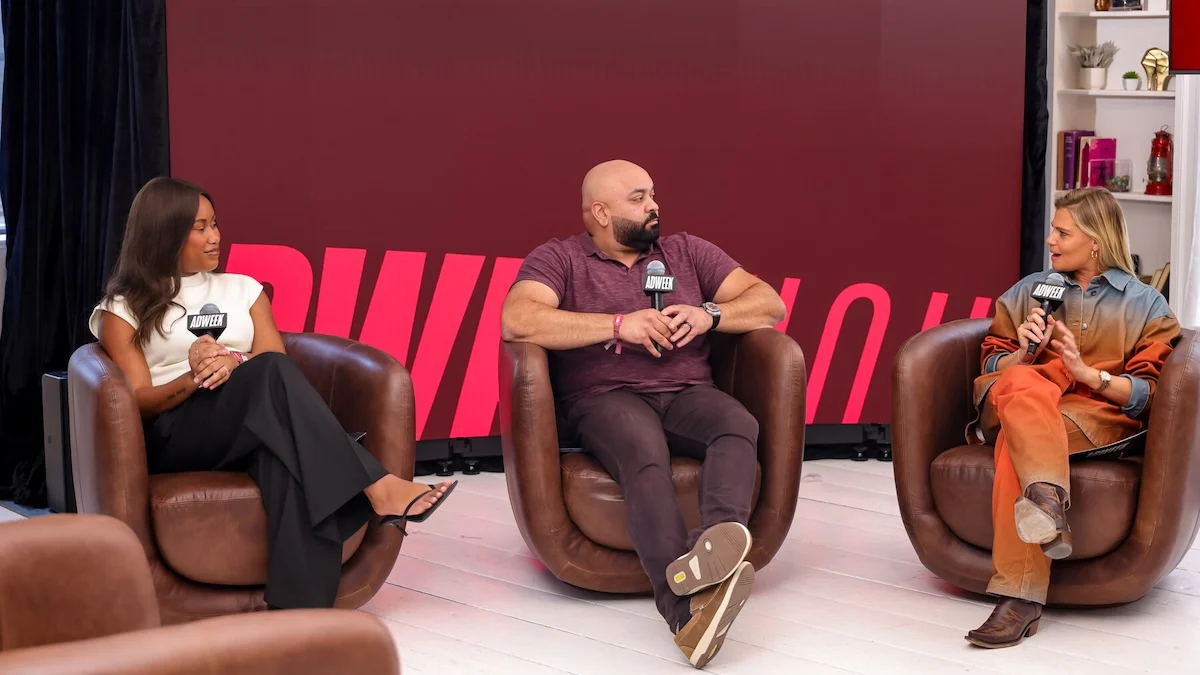
To explore this transformation, Adweek recently hosted an Advertising HQ panel in collaboration with TikTok. The session, moderated by Alexia Nüssli, Head of Product Strategy and Operations at TikTok, featured representatives from two agencies honored in the inaugural TikTok Media Buying Excellence Awards. The discussion served as a masterclass in how "TikTok-first" strategies are driving outsized impact, proving that in an era of platform fragmentation, the right partnership can redefine the rules of engagement.
The Evolution of the Media Buying Paradigm
The TikTok Media Buying Excellence Awards were established to recognize independent agencies that are setting new industry standards. By prioritizing innovation, measurable business impact, and a deep-seated commitment to client success, these agencies have become the vanguards of the TikTok ecosystem.
Nüssli opened the panel by framing the current media landscape. She emphasized that TikTok is not just another social platform—it is a fast-evolving, cultural engine. For brands, the platform offers a unique dual-utility: it acts as a space for driving deep cultural relevance while simultaneously delivering hard, measurable media outcomes.
"Brands turn to agencies not just for media performance; they turn to agencies to drive holistic business growth," Nüssli noted. This sentiment underscores a fundamental truth in today’s marketing world: the complexity of modern ad-tech requires an intermediary that can synthesize platform-specific nuances with broader business objectives.
Joining Nüssli were Zayit Bemmel, Associate Director of Paid Advertising (Fashion) at Power Digital, and Warren Jolly, Co-founder and CEO of Adquadrant. Their insights provided a roadmap for how agencies are navigating the "fast-paced" reality of the TikTok economy.
Chronology of Innovation: From Awareness to Performance
The conversation traced the evolution of the media buyer’s role, moving from traditional impression-based models to the sophisticated, data-driven frameworks required for success on TikTok.
The Rise of Incremental Testing
Zayit Bemmel highlighted a critical shift in how Power Digital approaches its media mix. Rather than relying on static attribution models, her team prioritizes "incrementality." By utilizing TikTok’s advanced measurement and testing tools, the agency pressure-tests every campaign.
"We’re constantly ensuring that within our media mix models, with all of our clients—whether it’s fashion or CPG—that we’re pressure-testing what we’re running on TikTok," Bemmel explained. This rigorous approach allows the agency to move beyond vanity metrics. By isolating the impact of specific TikTok campaigns, they can make data-backed decisions on when to scale spend aggressively and when to pull back, ensuring that the budget is always working at peak efficiency.
The AI Creative Revolution
Warren Jolly shifted the focus toward the supply side of the creative equation. For Adquadrant, the challenge is not just reaching the audience, but keeping up with the voracious demand for high-quality, relevant content. Jolly argued that the U.S. market has a significant amount to learn from the APAC region, particularly regarding the integration of AI-generated content.
"Even if you’re a brand that’s very anti-AI creative or conscious about it, leveraging AI-generated content as a construct to test narratives and to build at scale and meet the demands of the creative supply chain is a great opportunity for differentiation," Jolly asserted. By using AI not as a replacement for human creativity, but as a scaffold for testing, agencies can iterate at speeds previously considered impossible.
Supporting Data: Why TikTok-First Strategies Succeed
While the anecdotal evidence from Bemmel and Jolly is compelling, it is backed by the broader performance data seen across the TikTok platform. The "TikTok-first" methodology succeeds because it aligns with the platform’s unique "For You" feed dynamics.
Agencies that win on TikTok are those that stop treating the platform as a repository for recycled TV commercials. Instead, they treat TikTok as a living, breathing laboratory. The data suggests that campaigns that utilize native-style, community-first creative—often produced with the help of iterative AI testing—see higher engagement rates and lower cost-per-acquisition (CPA) metrics.
Furthermore, the integration of commerce tools, such as TikTok Shop, has fundamentally altered the sales funnel. By removing the friction between discovery and purchase, these tools allow agencies to demonstrate a clearer path to ROI. As Bemmel noted, the key to success is the marriage of platform guidance with the agency’s internal expertise. When an agency acts as a strategic partner, they can guide clients through the "test-and-learn" phase, eventually leading to more bullish investment strategies that prioritize high-growth channels.
Official Perspectives: The Role of the Partner
The panel made it clear that the relationship between platform and agency is symbiotic. TikTok, as a disruptor, is constantly shipping new products, updates, and algorithmic adjustments. For a brand, keeping up with this cadence can be overwhelming. This is where the agency becomes an indispensable filter.
"Part of the value that agencies can bring to brands is just keeping them at the cutting edge of an organization that’s evolving, shipping new product very fast, and is clearly a disruptor," Jolly noted.
Nüssli echoed this, emphasizing that the "TikTok Media Buying Excellence Awards" were not just about rewarding past performance, but about highlighting the agencies that are best equipped to handle future shifts. By acting as the bridge between platform innovation and brand application, these agencies allow their clients to remain agile.
The Future: Implications for the Marketing Industry
What do these insights mean for the broader marketing industry? The implications are threefold:
- The Death of the "Set It and Forget It" Strategy: The pace of change on platforms like TikTok means that media buying is now a continuous, iterative process. Agencies that rely on quarterly planning cycles without constant optimization will inevitably fall behind.
- AI as a Force Multiplier, Not a Threat: The panel effectively demystified AI, positioning it as a tool for narrative testing rather than creative automation. Agencies that embrace AI for rapid prototyping will dominate the creative supply chain, allowing their clients to test more hypotheses in a single month than legacy agencies could in a year.
- Trust as the Primary Currency: As Bemmel pointed out, the ability to test into new tools—like TikTok Shop or new ad formats—relies entirely on the trust between the agency and the brand. When an agency proves its worth through incremental measurement, clients are more willing to experiment, which creates a virtuous cycle of innovation.
Conclusion: Navigating the Next Frontier
The dialogue between Nüssli, Bemmel, and Jolly serves as a blueprint for modern media buying. As the digital landscape becomes more crowded and attention becomes more fragmented, the role of the agency is shifting from a transactional service provider to a strategic partner in growth.
For brands looking to thrive on TikTok, the lesson is clear: leverage the platform’s tools, embrace the agility of your agency partners, and don’t be afraid to test at scale. In a world where the only constant is change, those who can measure, adapt, and innovate will be the ones who define the future of media. As the industry looks toward the next wave of digital disruption, the collaboration between platforms, agencies, and brands will remain the bedrock of sustainable success.