In a move that promises to fundamentally alter the social landscape of the world’s largest video-sharing platform, YouTube has officially initiated the rollout of GIF support within its comment sections. Less than a month after the company first teased the integration, users across the globe are beginning to see animated reactions appear beneath their favorite videos and Shorts. While currently restricted to a limited subset of the platform’s user base, the transition marks a significant shift in how digital discourse is facilitated on Google’s flagship video service.
Main Facts: Bringing Animation to the Comment Section
The update, which allows users to insert animated GIFs directly into the comment threads of both long-form videos and YouTube Shorts, is designed to enhance user expression. By integrating a built-in GIF library—powered by the platform’s internal infrastructure—YouTube is attempting to streamline the way viewers react to content.
Key takeaways from the rollout include:
- Integrated Library: Users access the GIF functionality through a dedicated button within the comment input field, which draws from a curated, searchable library.
- Scope: The feature is being deployed across both the mobile application and, in some instances, the desktop web interface.
- Accessibility: Unlike many of YouTube’s experimental "Premium-only" features, this rollout appears to be a general platform update, not restricted to paid subscribers.
- Content Support: The feature functions across standard video uploads and the rapidly growing YouTube Shorts vertical format.
Despite the excitement, the platform has yet to clarify whether users will eventually be granted the ability to upload their own custom GIF files or if the integration will remain strictly limited to the provided library. This limitation suggests a desire to maintain moderation control over the content appearing in public threads.
Chronology of the Deployment
The journey to this rollout began in late 2026, when YouTube announced a suite of community-focused updates. At that time, the company indicated that it was seeking ways to make comment sections more interactive and less reliant on static text.

- Early Announcement (September 2026): YouTube officially signaled its intent to introduce media-rich comments. The goal was to provide users with a more expressive vocabulary, acknowledging that a GIF can often convey emotion or humor more effectively than a paragraph of text.
- The Beta Silence: For several weeks following the announcement, the feature remained in internal testing. Speculation grew as power users and creators looked for signs of the update.
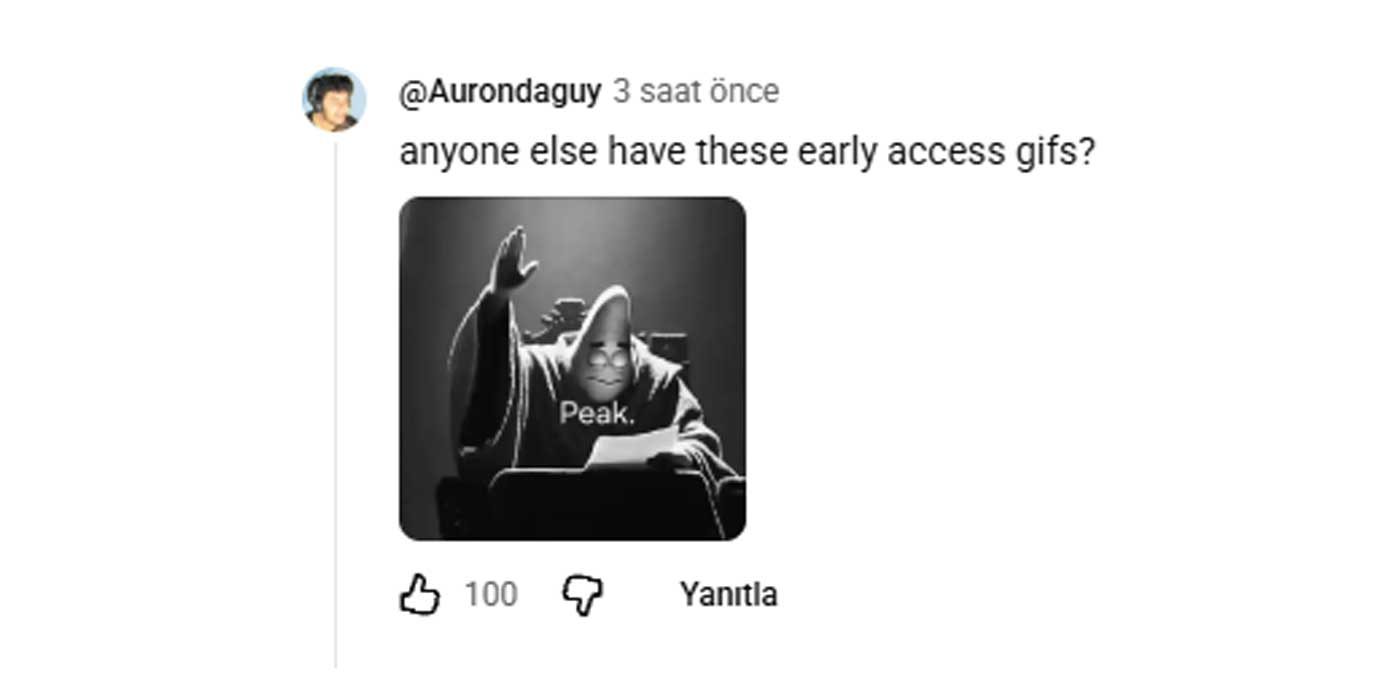
- The Reddit Surge (October 2026): By mid-October, the dam broke. Users on platforms like Reddit began reporting the appearance of GIFs in comment sections. Initial confusion turned to excitement, as screenshots and screen recordings of the feature in action flooded the r/YouTube subreddit.
- Current State: As of late October 2026, the rollout is in a "phased" state. This means that while some users are now seeing GIFs, others are still viewing those same comments as simple text links or, in some cases, missing the visual elements entirely. This gradual deployment is standard practice for Google, allowing the company to monitor server load and potential moderation issues before a full-scale release.
Supporting Data and User Reception
The digital community’s reaction to the news has been polarized. On one hand, the addition of GIFs is seen as a long-overdue modernization that brings YouTube in line with competitors like Discord, Twitter (X), and Reddit. On the other hand, a significant portion of the user base is expressing concern regarding the visual clutter that an animated comment section might invite.
Data from recent community discussions highlights three distinct user sentiments:
- The "Modernization" Enthusiasts: This group argues that text-only comments are outdated. They believe that the inclusion of visual media will lead to more engaging and humorous interactions, potentially boosting overall engagement metrics for creators.
- The "Clutter" Skeptics: A vocal contingent of users has expressed anxiety that the comment section—already notorious for spam—will become unreadable. There are legitimate concerns that "GIF spam" could make it difficult to find meaningful discussion or legitimate questions under popular videos.
- The Accessibility Advocates: Some users have pointed out that excessive animation can be distracting or problematic for individuals with sensory processing issues. The hope among this group is that YouTube will eventually implement an "Auto-play" toggle, allowing users to disable GIF movement if they choose.
The confusion currently surrounding the rollout is exacerbated by the inconsistency of the feature. Many users have reported seeing GIFs posted by others, only to find that they themselves lack the button to reply in kind. This discrepancy has fueled thousands of comments across social media, with users asking, "How is this possible?" and "Why can I see them but not post them?"
Official Responses and Strategic Rationale
While Google has kept its internal roadmap largely confidential, the move aligns with the company’s broader strategy to prioritize YouTube Shorts and high-engagement features. By reducing the "friction" of commenting, YouTube hopes to keep users within the app for longer periods.
In previous briefings, YouTube executives have emphasized that the future of the platform lies in "Community Interaction." The logic is simple: when users feel they can express themselves with the same tools they use on messaging apps, they are more likely to participate in the conversation.
Furthermore, this update is part of a "Fall Trio" of features. Alongside GIF comments, YouTube is rolling out:
- Custom Feeds: A new way for users to curate their homepages using specific, AI-driven prompts.
- Ask YouTube (Product Comparisons): An expansion of the "Ask YouTube" tool, which will now allow users to prompt the AI to compare products discussed in videos, directly aiding the consumer-shopping journey.
The combination of these three features signals a pivot toward a more interactive, AI-assisted, and media-rich ecosystem. By embedding these tools into the core user experience, YouTube is effectively transforming from a passive video repository into a dynamic social networking site.
Implications for the Future of YouTube
The long-term implications of this change are profound. If the comment section is successfully "gamified" with GIFs, we are likely to see a permanent shift in the culture of YouTube.
1. The Decline of Text-Centric Debate
If the current trend continues, text might eventually play a secondary role in comment threads. In viral videos, the top comments—which often set the tone for the entire discussion—will likely be animated. This could lead to a culture where wit is measured by the speed and relevance of one’s GIF selection rather than the articulation of an argument.
2. Moderation Challenges
The most significant hurdle for YouTube remains moderation. Ensuring that the GIF library remains "safe for work" and free of harassment is a massive undertaking. Unlike static text, which can be filtered by keyword-based AI, GIFs require image-recognition software to ensure compliance with community guidelines. If the GIF library becomes a source of inappropriate content, the reputational blowback could be severe.

3. Creator Engagement
For content creators, this is a double-edged sword. More comments usually translate to better algorithm performance, as high-interaction videos are prioritized by YouTube’s recommendation engine. However, creators who value deep, intellectual discourse in their comment sections may find that the new system encourages "low-effort" responses.
4. Technical Infrastructure
Finally, the transition to a GIF-heavy platform will require significant technical optimization. High-traffic videos with thousands of comments will now have to load thousands of animated image files, which could impact the performance of the app on older devices or slower network connections. YouTube’s engineers are likely monitoring "time to interactive" (TTI) metrics very closely during this rollout.
Conclusion
As the autumn of 2026 progresses, the YouTube comment section is evolving. What was once a place for debates, feedback, and links is rapidly becoming a visual tapestry of pop-culture reactions. While the rollout is currently slow and somewhat disjointed, the intent is clear: YouTube wants to own the conversation, and it is doing so by providing its users with every possible tool to express themselves—one animation at a time.
For now, users should expect to see an increasingly colorful and chaotic comment landscape. Whether this enhances the YouTube experience or degrades it remains to be seen, but one thing is certain: the era of the text-only comment is coming to an end. As we watch this transition unfold, it serves as a reminder of the relentless pace at which digital platforms must innovate to keep the attention of a global, scrolling audience.