By Tech & Wearables Desk
Published October 14
Samsung has rolled out a substantial update to its flagship wellness ecosystem, the Samsung Health app, introducing targeted improvements to its core in-app coaching features. Aimed at streamlining user experience and providing more granular, actionable guidance, the October update revamps both the Sleep Coach and Running Coach features.
The enhancements come on the heels of several major overhauls to the Samsung Health platform—including the introduction of AI-driven Energy Scores and comprehensive "Vitals" health monitoring—further cementing Samsung’s commitment to positioning its wearable devices and software suite as holistic health companions.
Main Facts: What’s New in the October Samsung Health Update
The October Samsung Health rollout focuses heavily on lowering the barrier to entry for restorative health habits while expanding advanced capabilities for endurance athletes.
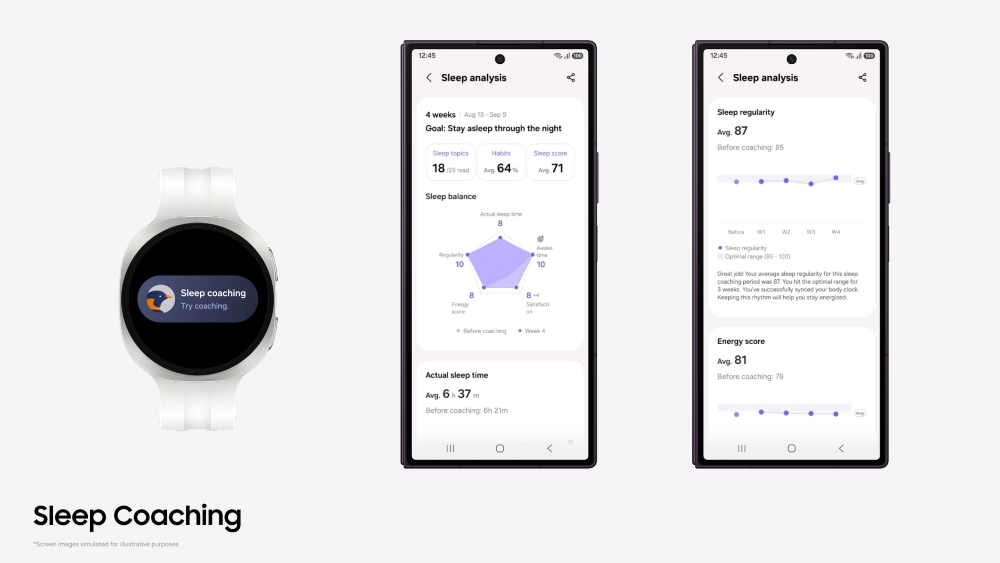
- Streamlined Sleep Coaching: Users no longer need to wait weeks to unlock personalized sleep guidance. The initial data requirement for launching the Sleep Coach has been dramatically reduced from seven days within a month to just three days of sleep data collected over a two-week period.
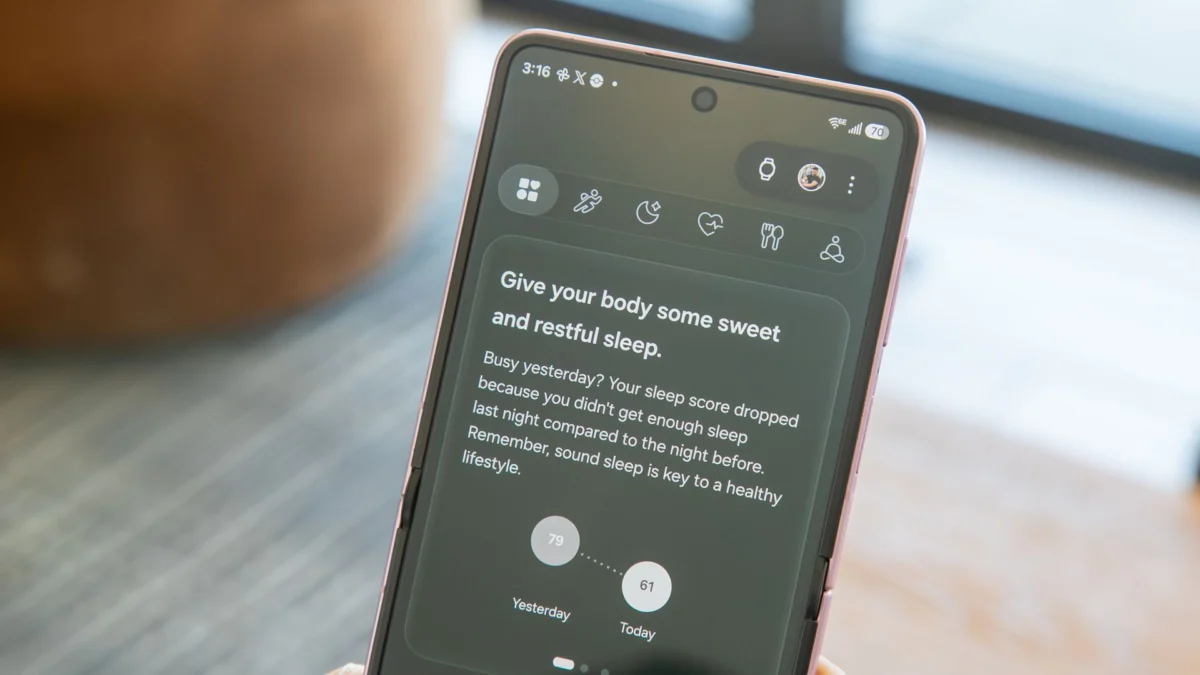
- Enhanced Sleep Analytics: A new Sleep Balance graph has been introduced, allowing users to evaluate critical metrics—such as sleep duration, regularity, nighttime awakenings, sleep satisfaction, and the proprietary Energy Score—at a glance.
- Expanded Running Tiers: Catering to intermediate and advanced athletes, the Running Coach program has expanded its training levels from 10 tiers up to 12.
- Deeper Strava Integration: Samsung is continuing its strategic partnership with Strava, now allowing users to directly import running, trail running, and cycling routes from Strava into the Samsung Health app.
Chronology: The Evolution of Samsung Health in 2024
To understand the significance of the October update, it is helpful to look at the rapid pace of software development Samsung has maintained throughout the year:
- Early 2024 (Foundation Building): Samsung laid the groundwork for advanced biometric tracking, integrating deeper heart-rate monitoring and sleep analysis tools across its Galaxy Watch lineup.
- Pre-Galaxy Watch Launch (The Vitals and Energy Score Era): Samsung detailed a sweeping update introducing "Vitals"—a feature focusing on five critical heart metrics: heart rate, heart rate variability (HRV), respiratory rate, skin temperature, and blood oxygen ($SpO_2$). Alongside Vitals, the company integrated AI-powered Energy Scores to help users quantify their daily readiness.
- October 14 (The Coaching and Usability Update): Samsung officially published details in its Global Newsroom outlining the latest adjustments to Sleep Coach and Running Coach, directly addressing user feedback regarding onboarding friction and advanced training limitations.
Supporting Data and Technical Details
The changes introduced in this update are more than cosmetic; they represent a fundamental shift in how algorithms process user habits and physical performance data.
1. Frictionless Sleep Onboarding
Previously, the Sleep Coach required a full week of consistent tracking within a 30-day window before generating a customized program. For irregular sleepers, shift workers, or new device owners, this delay often resulted in dropped engagement.
By dropping the requirement to three days of data within a two-week span, Samsung has significantly shortened the time-to-value for new users.
2. The Mechanics of the New Sleep Program
Once the baseline data is established, users must complete a brief lifestyle survey addressing:
- Sleep regularity and consistency
- Nighttime interruptions and awakenings
- Daily caffeine consumption habits
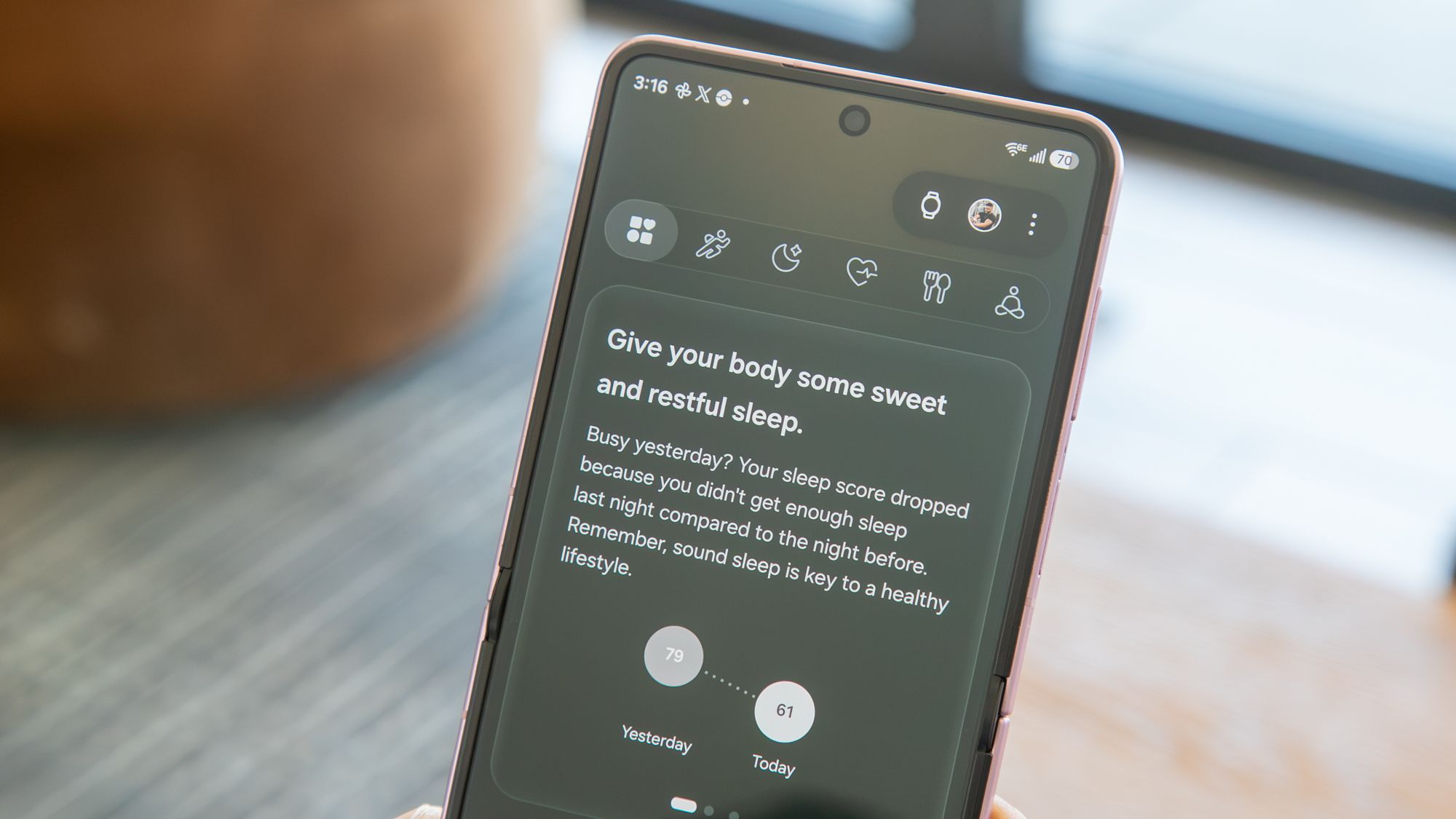
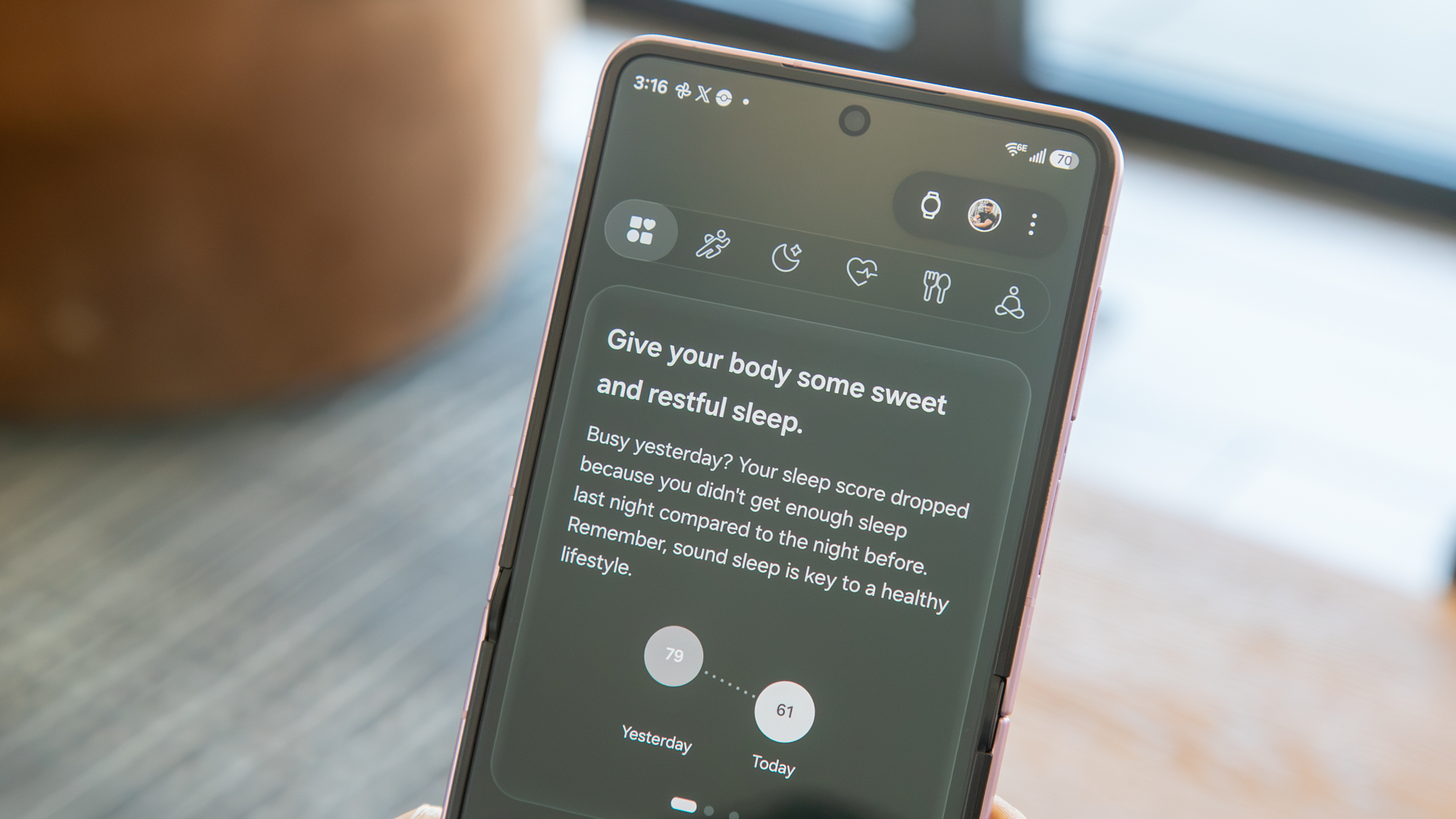
Synthesizing this survey data with the three-day tracking log, the Sleep Coach formulates a tailored four-to-eight-week coaching program. Daily morning insights then deliver real-time tips based on overnight sleep trends, while the new Sleep Balance graph provides a holistic visualization of rest quality.
3. Elevating Endurance Training
For runners, the expansion from 10 to 12 training levels addresses a long-standing request from the running community. While previous tiers adequately supported beginner to intermediate runners, advanced athletes frequently hit a ceiling. The two new tiers introduce higher performance benchmarks, enabling seasoned runners to safely push their limits, optimize pacing, and track incremental improvements directly from their wrists.
Furthermore, the expanded Strava integration bridges the gap between third-party training platforms and Samsung’s native ecosystem, allowing athletes to seamlessly sync pre-planned routes without toggling between multiple applications.
Official Responses and Strategic Intent
In its official Global Newsroom announcement, Samsung emphasized that the overarching goal of the October update is to translate raw biometric data into meaningful, user-friendly routines.
"Sleep tracking tells users how they slept," Samsung noted in its release, highlighting the gap between passive observation and active behavioral change. "The coach is designed to turn personal sleep goals and data into daily habits."
Industry analysts view these updates as part of a broader industry trend where hardware manufacturers increasingly rely on software ecosystems and AI personalization to drive hardware sales. By lowering entry barriers to features like Sleep Coach, Samsung encourages higher daily active engagement, reinforcing the utility of the Galaxy Watch ecosystem against fierce competition from Apple, Garmin, and Fitbit.
Implications for Users and the Wearables Market
The continuous refinement of Samsung Health carries several notable implications for consumers and the broader digital health market:
1. Democratizing Wellness Insights
By reducing data-gathering thresholds (such as the three-day sleep coaching rule), Samsung acknowledges that modern consumers lead variable lives. Forcing rigid, multi-week data collection periods often penalizes users with erratic schedules. Flexible onboarding encourages broader adoption among demographics that might otherwise abandon health tracking out of frustration.
2. The Rise of Actionable AI and Holistic Scoring
Features like the Energy Score, Health Heart Score, and the new Sleep Balance graph reflect a shift away from raw data dumps. Consumers are no longer satisfied with simply seeing a graph of their heart rate or sleep stages; they want context. By interpreting these metrics through AI and presenting them as cohesive scores, Samsung helps users decide whether to push through a rigorous workout or prioritize recovery.
3. Ecosystem Interoperability
The reinforcement of the Strava partnership signals a pragmatic approach to software design. Rather than forcing users into a walled garden, Samsung is acknowledging that serious athletes often use specialized platforms like Strava. Allowing route imports ensures that Samsung Health can coexist peacefully with a runner’s preferred training tools, making Galaxy wearables a more attractive option for multi-platform athletes.
Outlook
As the October update rolls out globally to supported devices, users can expect a smoother, more responsive health-tracking experience. Whether striving for better sleep hygiene through the newly streamlined coaching program or tackling more rigorous running milestones via the expanded 12-tier system, Samsung Health continues to evolve from a simple fitness log into an intelligent, proactive wellness partner.