Opera Rereleases Its "Calm" Web Browser, Air: A Minimalist Antidote to Feature Fatigue
October 15, 2026 By Simon Batt (Enriched and Expanded Edition)
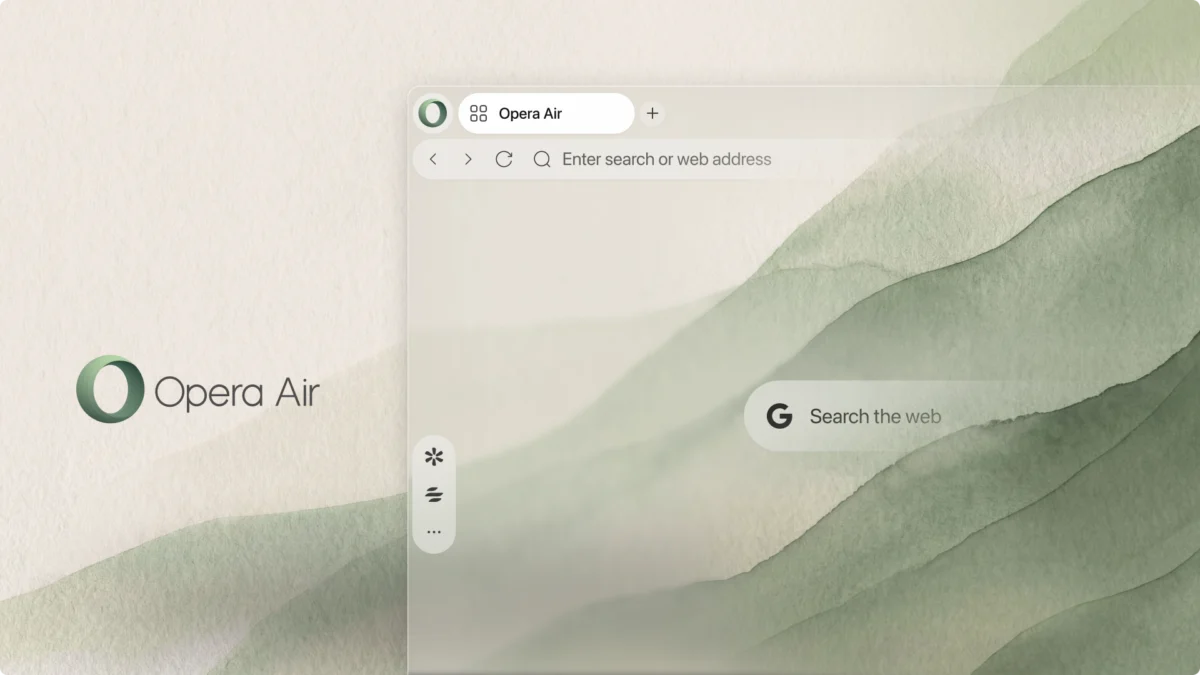
In an era where modern web browsers increasingly resemble bloated operating systems, Opera is doubling down on its philosophy of digital minimalism. Following its initial debut in early 2025, the Norwegian software company has officially announced the re-release of Opera Air, a web browser engineered explicitly to combat digital fatigue.
While flagship browsers race to pack every pixel with generative AI assistants, complex sidebars, overlapping workspaces, and aggressive notification centers, Opera Air takes a radically different route. It strips away the digital noise, offering users a tranquil, frictionless browsing environment designed to foster focus, mental clarity, and a slower, more intentional relationship with the internet.
Main Facts: What is Opera Air?
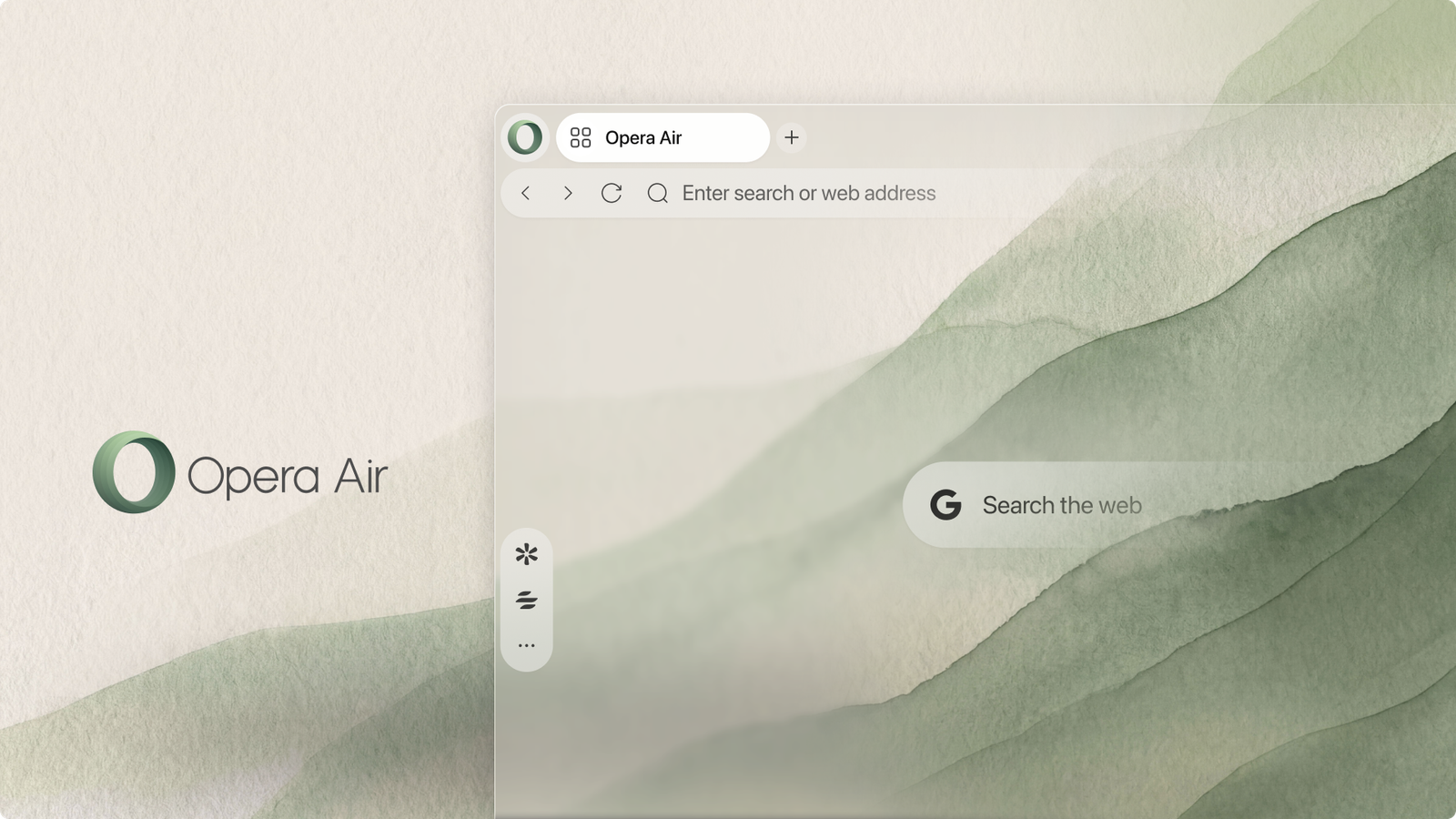
Opera Air is a lightweight, design-focused web browser built for users overwhelmed by the cognitive load of traditional internet navigation. Rather than bombarding the user with features upon first launch, Air embraces a minimalist ethos that prioritizes aesthetic calm and user agency.
Key pillars of the re-released Opera Air include:
The "Anti-GX" Philosophy: If Opera GX is tailored for the high-octane, neon-lit gaming crowd, Opera Air is its meditative counterpart. It features soft, unobtrusive visual themes, a serene default color palette, and seamless, automated transitions between light and dark modes based on the time of day or system preferences.
A Modular Feature Set: Air arrives deliberately sparse. It comes out of the box with essential utilities—such as a native ad blocker and a built-in free VPN—while leaving advanced functionalities up to the user. Instead of forcing features onto everyone, Air invites users to opt-in to extensions and extras only as needed.
Integrated Soundscapes: Recognizing the psychological impact of auditory environments on productivity, Opera Air includes a proprietary "Soundscapes" engine. Users can toggle between four distinct moods—Focus, Relax, Work, and Ambience—each driven by original, custom-composed ambient tracks designed exclusively for the browser.
Ergonomic Wellness Reminders: Moving beyond software performance, Air introduces built-in wellness prompts, including gentle break reminders that encourage users to step away, stretch, and relieve physical tension (such as neck and shoulder strain) during long work sessions.
Chronology: The Evolution of Opera Air
To understand the significance of this re-release, it helps to examine the timeline of how digital minimalism carved out a niche in the hyper-competitive browser market.
Early 2025 (The Initial Debut): Opera initially launched Air as an experimental counterweight to its power-user offerings, like Opera One and Opera GX. The initial release was met with curiosity; critics praised its clean interface, but some early adopters felt it lacked the baseline utility required to replace daily drivers.
Mid-to-Late 2025 (Refinement and Feedback): Following the initial rollout, Opera’s development teams analyzed user telemetry and feedback. They recognized that while the minimalist concept resonated strongly with remote workers, students, and mindfulness advocates, the browser needed performance optimizations and a deeper integration of wellness tools to retain daily engagement.
October 2026 (The Strategic Re-release): Opera officially re-releases Air with targeted tweaks, enhanced audio integration via the Soundscapes feature, and refined ergonomic prompts. This second launch positions Air not merely as an alternative browser, but as a deliberate lifestyle-software product in an increasingly frantic digital landscape.
Supporting Data: The Growing Need for Digital Minimalism
Opera’s decision to invest a second time in a minimalist browser is backed by shifting consumer attitudes toward technology and screen time. Industry research and psychological studies consistently highlight the hidden costs of modern software bloat:
Cognitive Load and Productivity: Studies in human-computer interaction suggest that visual clutter and constant notification prompts increase cortisol levels and fragment user attention, reducing deep-work capability.
The Rise of "Calm Tech": Coined decades ago, the concept of "calm technology"—software that informs without overburdening our attention—has seen a massive resurgence. Consumers are increasingly seeking out "dumb phones," monochrome e-ink tablets, and minimalist applications that respect their attention spans.
Browser Resource Consumption: Traditional browsers frequently draw criticism for consuming excessive RAM and battery power due to background processes and heavy user interfaces. Opera Air’s stripped-down architecture significantly reduces systemic overhead, translating into cooler, quieter laptops and extended battery life for mobile workers.
Official Responses and Industry Perspective
Opera’s product teams have framed the re-release of Air as a necessary psychological correction for an industry obsessed with feature accumulation.
"We spent years building browsers that can do everything," noted an Opera spokesperson during the software’s initial rollout. "With Air, we asked a different question: What if a browser helped you do less, feel more, and simply breathe while you work?"
Industry analysts have noted that Opera has successfully carved out a brilliant market segmentation strategy. By maintaining distinct browser brands—Opera One for general web browsing, Opera GX for gamers, and now Opera Air for the wellness- and mindfulness-focused demographic—the company avoids the trap of trying to build a monolithic "one-size-fits-all" application.
Competitors in the space, such as Mozilla Firefox and niche independent browsers like The Browser Company’s Arc, have also experimented with reimagining the browser interface. However, Opera’s focus on ambient audio and ergonomic health sets Air apart as a uniquely holistic project.
Implications: What Opera Air Means for the Future of Browsing
The re-release of Opera Air signals a broader potential shift in how software developers approach user experience (UX) design. For over two decades, the tech industry operated under the unwritten rule that "more features equal a better product." Air challenges that dogma head-on.
1. A Shift Toward Ergonomic Software Design
Historically, ergonomics has been strictly physical—focused on ergonomic keyboards, adjustable standing desks, and lumbar support. Opera Air pioneers a form of cognitive and digital ergonomics, recognizing that software interfaces can either induce stress or alleviate it. Features like Soundscapes and neck-stretching reminders bridge the gap between physical health and digital consumption.
2. Pushing Back Against AI Fatigue
As AI tools become ubiquitous—often crammed into every dropdown menu, search bar, and sidebar—many users experience severe "AI fatigue." By remaining light on automated clutter and heavy AI prompts, Opera Air offers a quiet sanctuary for those who simply want to read, research, and write without an algorithmic assistant breathing down their necks.
3. Will Minimalism Have Staying Power?
The ultimate test for Opera Air will be long-term user retention. While novelty downloads often spike during product re-launches, convincing users to abandon entrenched ecosystems like Google Chrome, Apple Safari, or Microsoft Edge requires more than tranquility—it requires reliable daily utility. By packing essentials like an ad blocker and free VPN right into the minimalist frame, Opera has given Air a fighting chance to stick around.
How to Get Opera Air
If you are looking to reclaim your focus, reduce digital anxiety, or simply try a quieter way to surf the web, the newly polished Opera Air is available for download starting today.
Users can download the browser directly by visiting the Opera website. Whether you tried Air during its initial 2025 run and found it lacking, or are experiencing digital burnout for the very first time, this re-released version invites you to log on, tune out the noise, and breathe a little easier.