In the ever-evolving landscape of digital aesthetics, few movements have captured the global imagination quite like the Japanese phenomenon of kawaii. Derived from the Japanese word for "cute" or "adorable," this cultural aesthetic has transcended its origins in Harajuku street fashion and mascot culture to become a powerful tool in contemporary graphic design. At the heart of this visual language are "Kawaii fonts"—typefaces characterized by soft, rounded forms, bubbly lettering, and an inherent sense of playfulness.
For designers, choosing the right font is about more than legibility; it is about conveying an emotional narrative. Kawaii fonts act as a shortcut to nostalgia, warmth, and accessibility. By stripping away the harsh angles of traditional typography and replacing them with bouncy baselines and whimsical curves, these fonts invite the audience into a space of comfort and joy.
The Evolution of the Kawaii Aesthetic in Design
The rise of kawaii typography can be traced back to the broader surge of Japanese pop culture in the early 2000s. As digital branding began to shift away from the stark, corporate minimalism of the late 90s, brands began looking for ways to appear more "approachable."
The psychological impact of rounded, bubble-like characters is profound. Research in design psychology suggests that curved edges are perceived by the human brain as safer and more organic than sharp, geometric edges. Consequently, kawaii fonts are frequently utilized in branding for children’s products, stationery, food packaging, and social media marketing. They serve as a visual bridge, connecting a product to a consumer’s innate desire for happiness and levity.
Curating the Perfect Kawaii Collection: Premium Selections
For professionals seeking to infuse their work with this specific charm, a variety of high-quality fonts have emerged on the market. These typefaces are designed not just for their appearance, but for their versatility across both print and digital mediums.
1. Energetic and Bold Choices
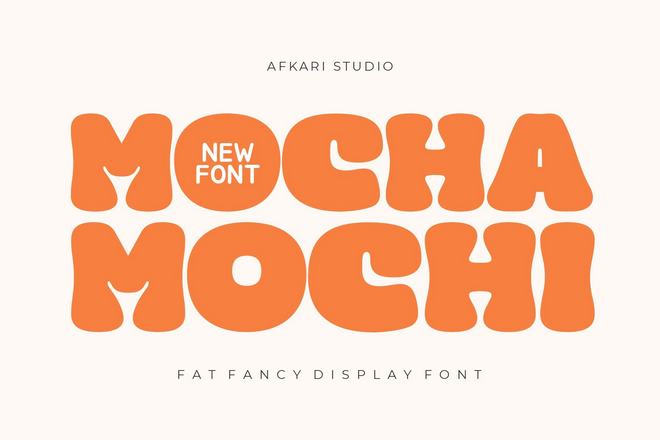
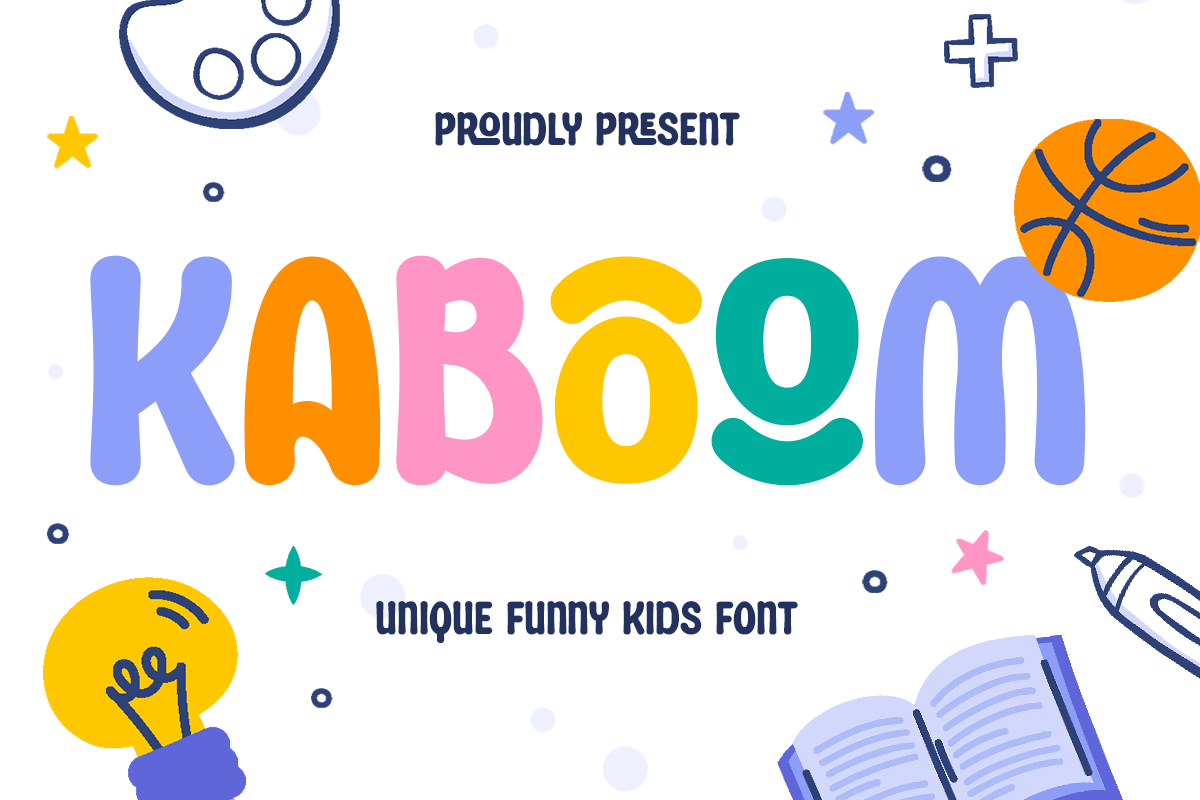
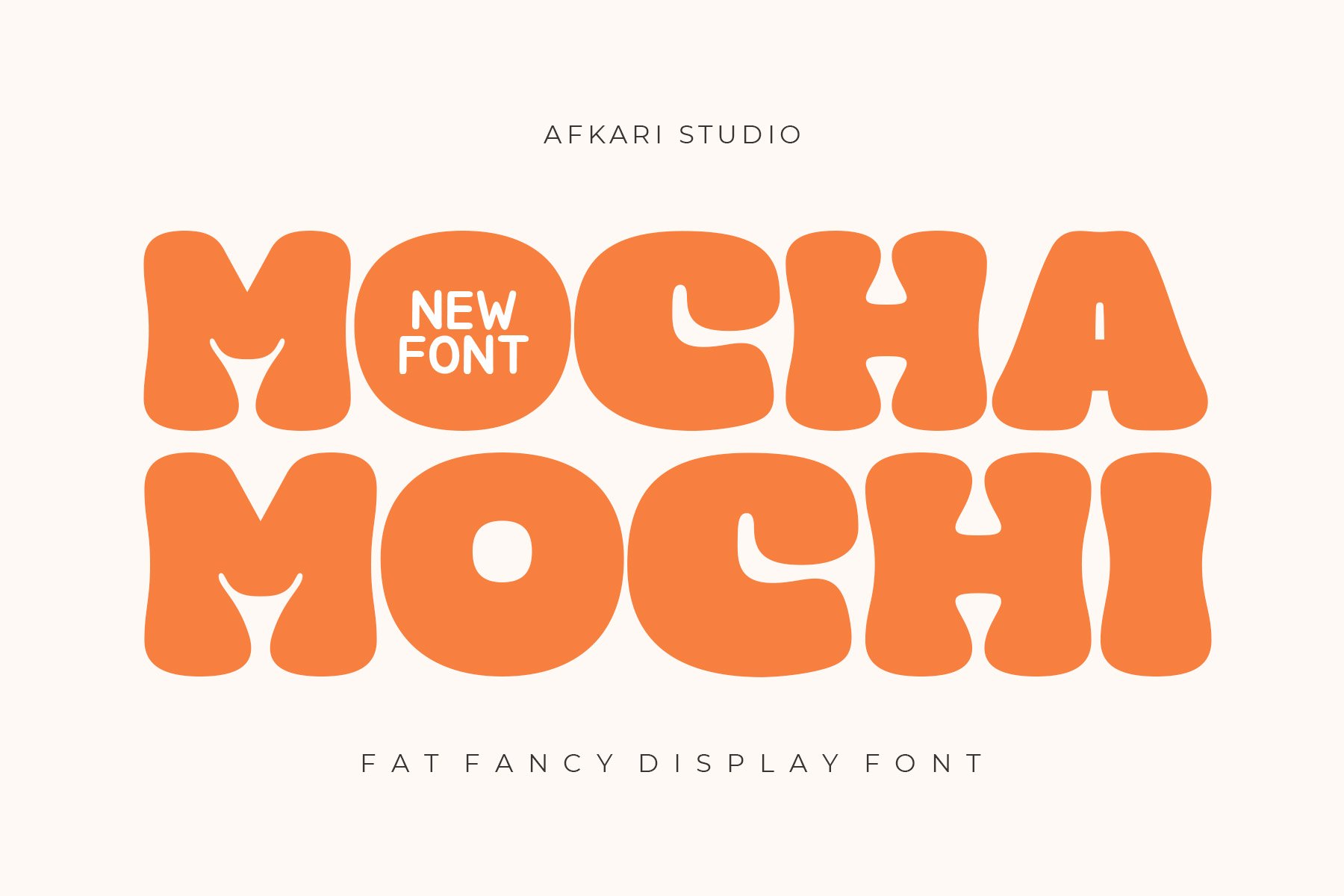
When the goal is to make an immediate, punchy impact, Kaboom stands out as a premier choice. It is a font that defies the notion that "cute" must be "quiet." With its bold, rounded letterforms, it brings an explosive energy to cartoon titles, gaming interfaces, and vibrant product packaging. Similarly, Mocha Mochi takes inspiration from the comfort of artisan coffee and the soft texture of Japanese rice cakes. Its "fat" display style creates a modern, high-fashion take on the kawaii aesthetic, making it a staple for trendy lifestyle brands.
2. The Whimsical and Hand-Drawn
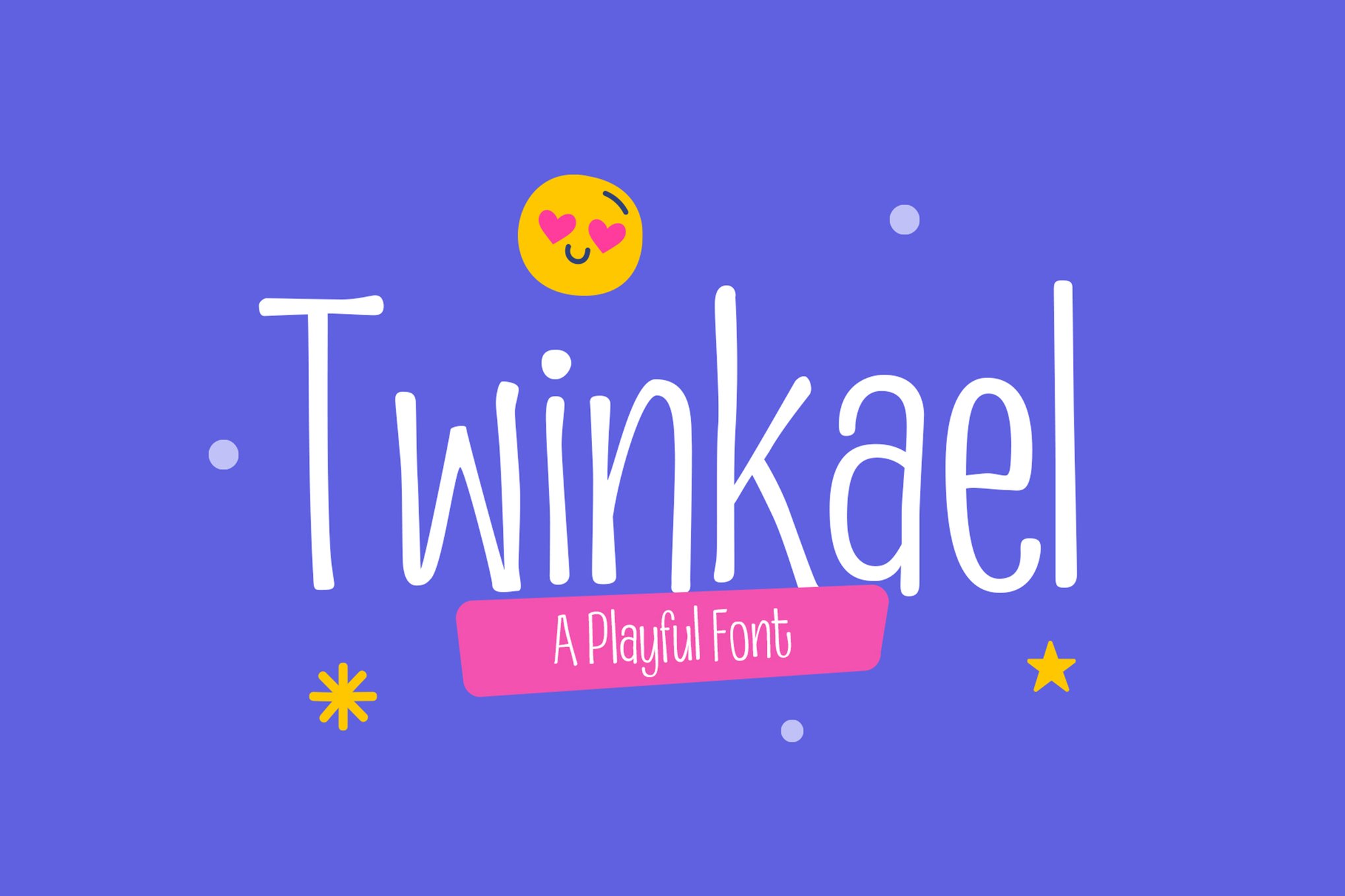
The hand-drawn quality is the soul of the kawaii movement. Twinkael and Maebita offer this aesthetic in spades. Twinkael utilizes tall, slim characters with quirky pen strokes that feel intimate and personal, while Maebita provides a more robust, hand-drawn look that excels in creating striking headlines that don’t sacrifice their inherent "cuteness." These fonts are particularly effective in book cover design and event invitations where the designer wants the text to feel like a handwritten note from a friend.
3. Faux-Japanese Influence
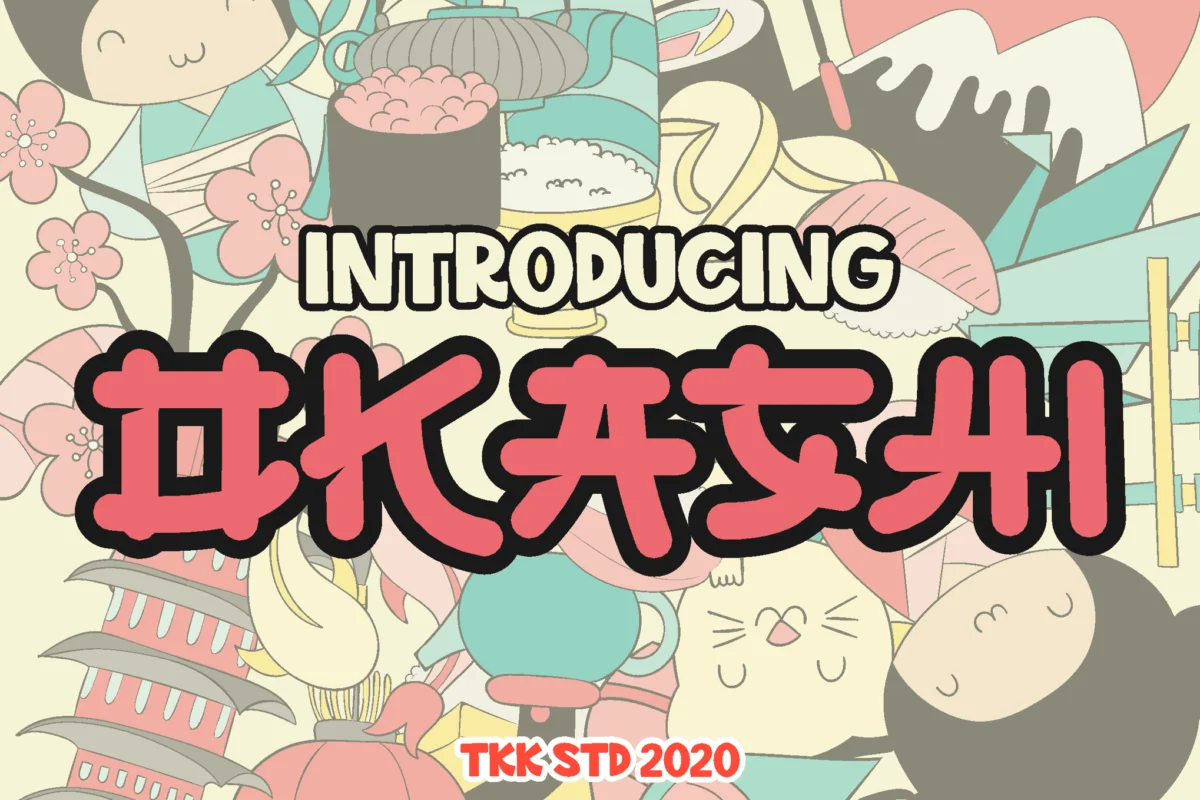
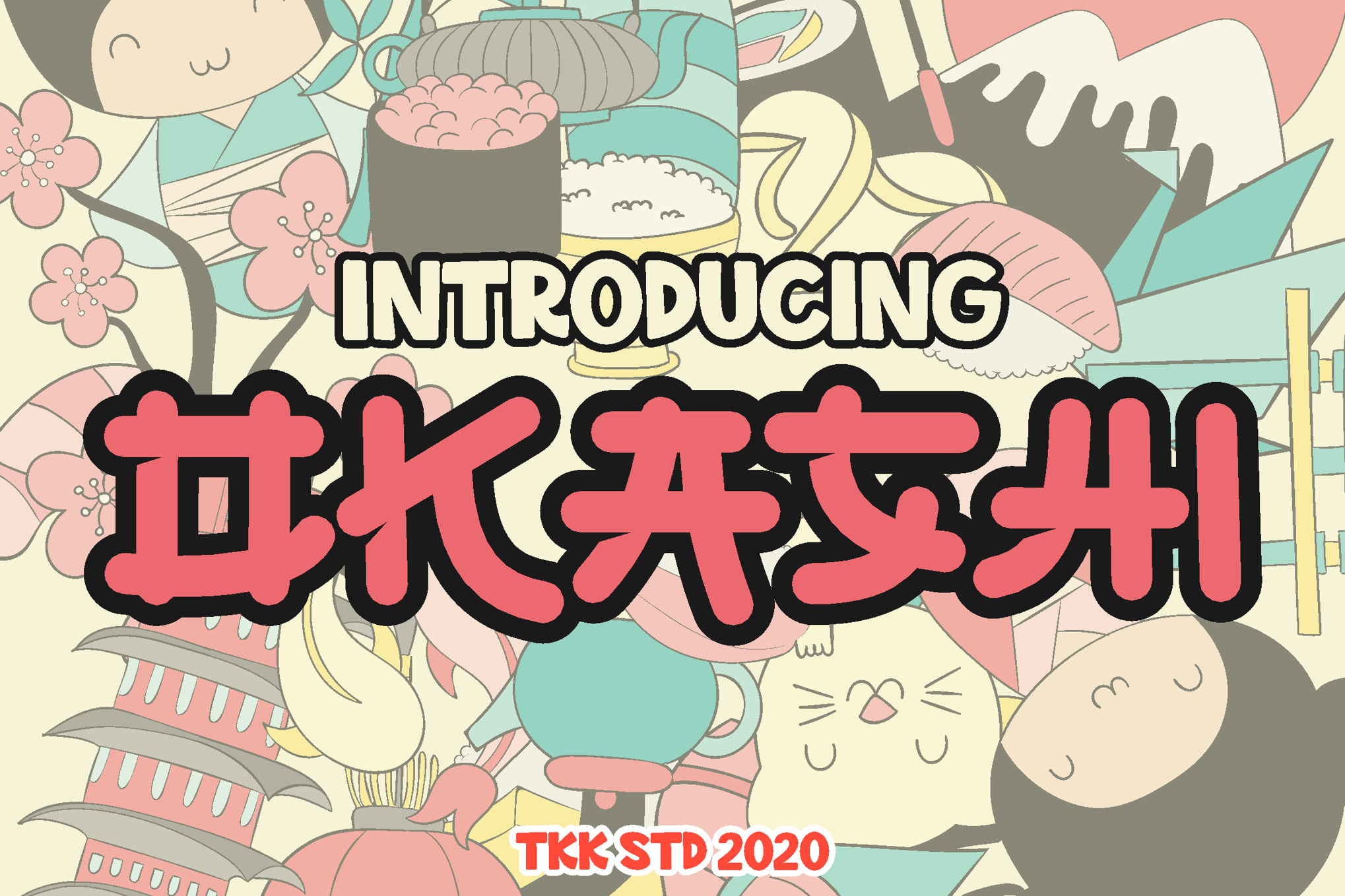
A fascinating sub-genre of these fonts involves "faux-Japanese" styling—typefaces that mimic the structure of Japanese kana while remaining perfectly legible in English. OKASHI, GAYANA, and Hikaru are masters of this craft. By integrating the structural logic of Japanese snack packaging and manga lettering with English glyphs, these fonts create a unique cross-cultural visual that is both exotic and deeply nostalgic. They are highly effective for food branding, particularly in the fusion culinary space.
4. Technical Sophistication
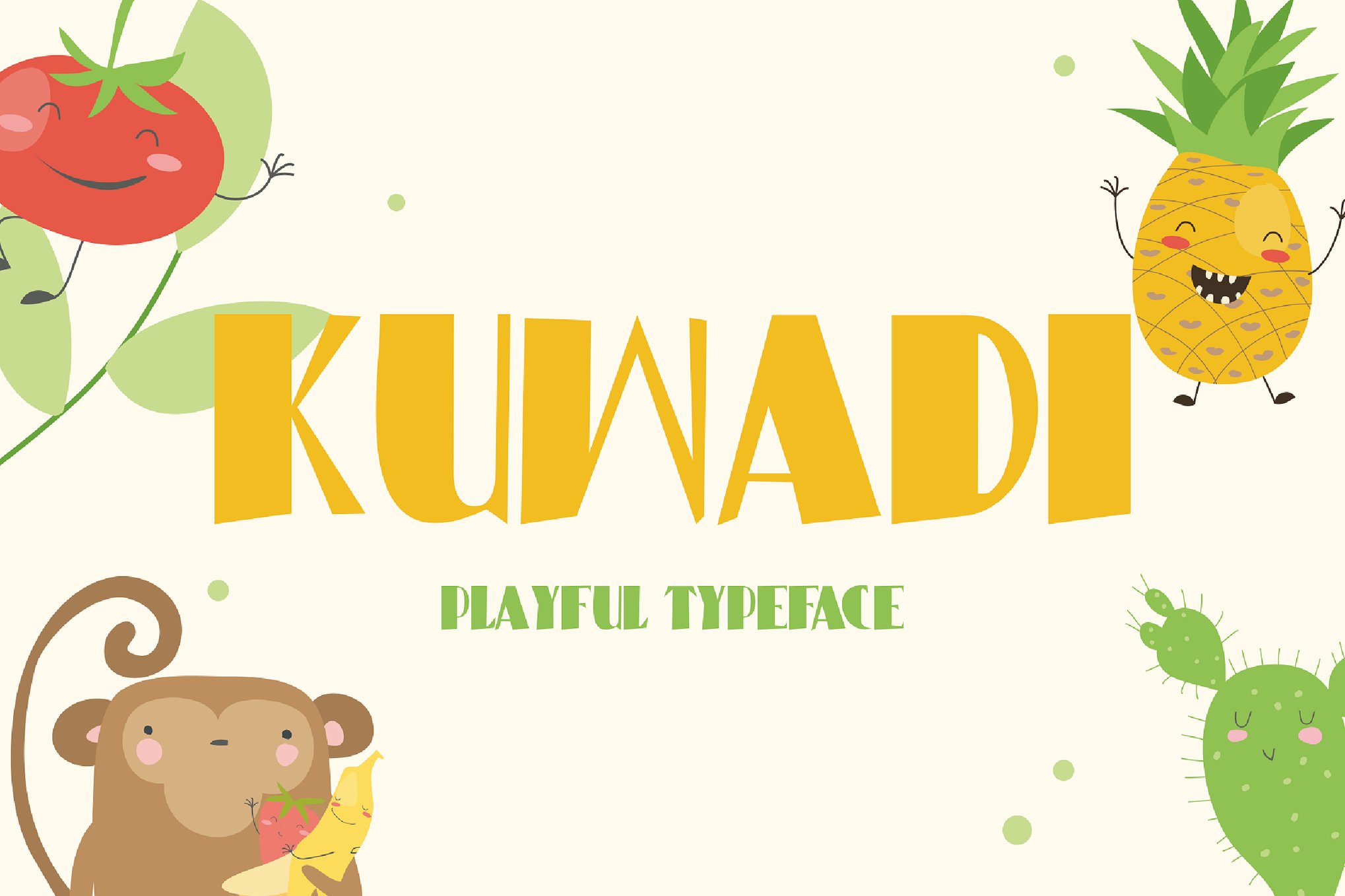
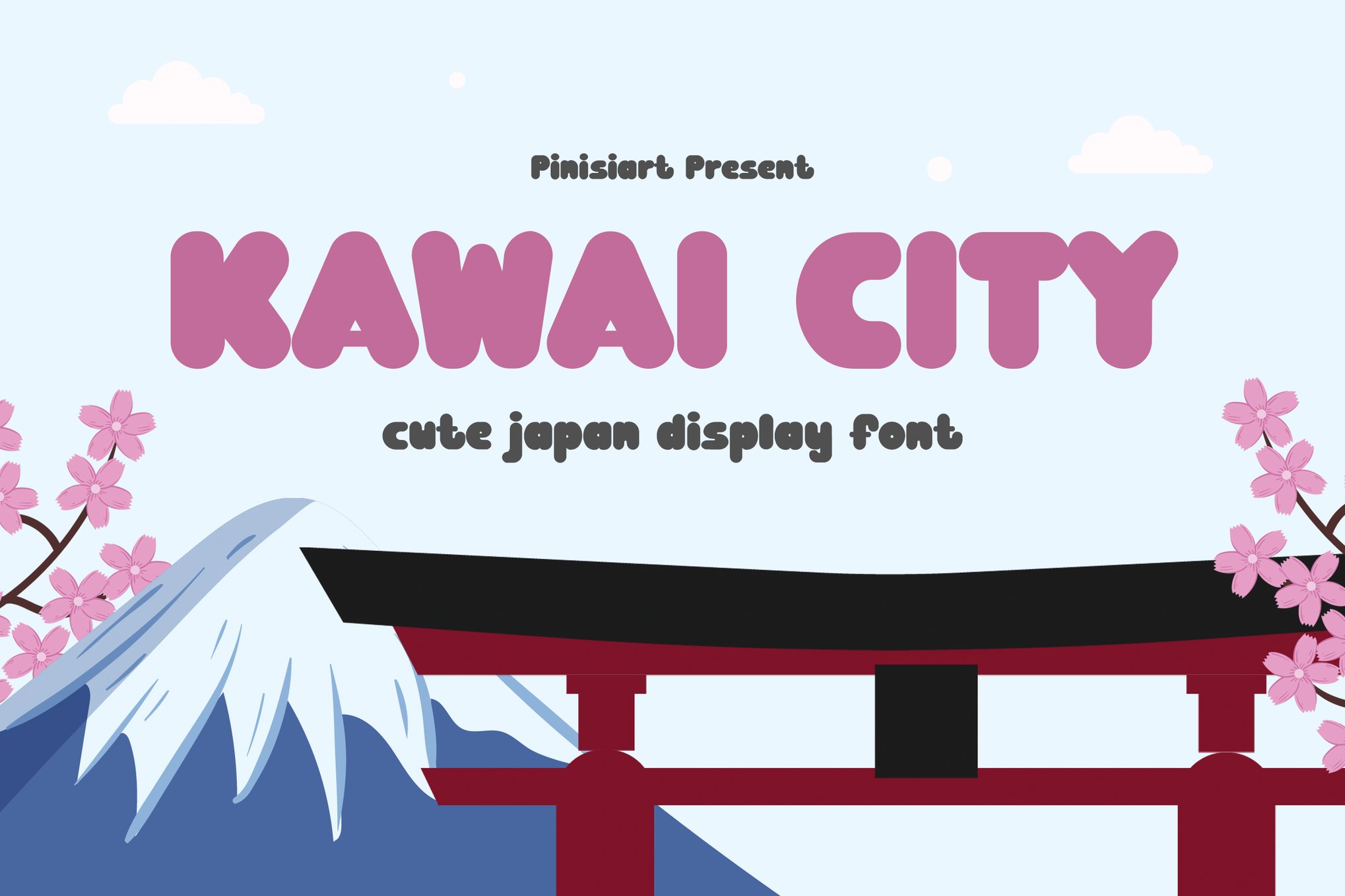
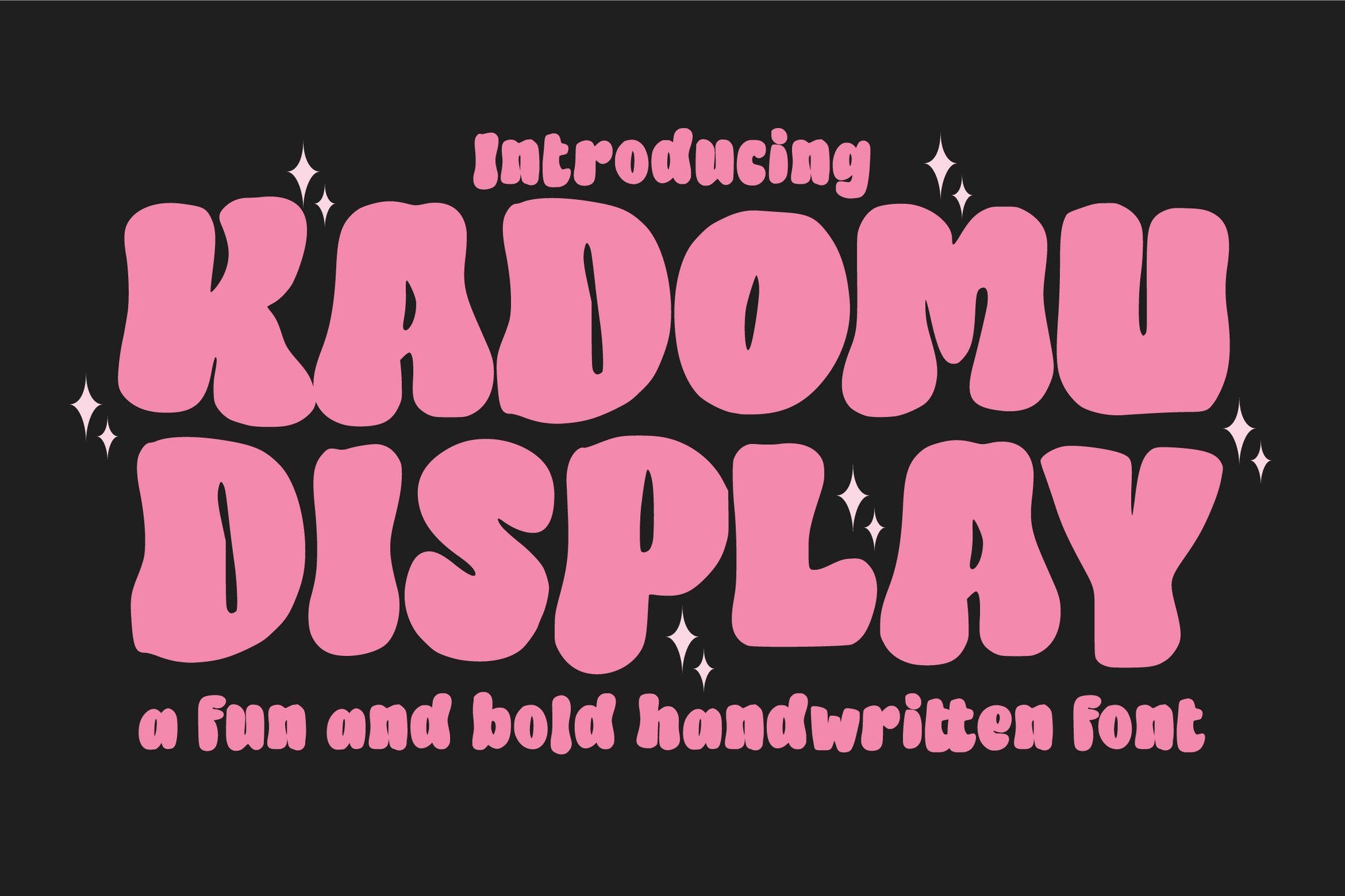
While these fonts appear simple, their technical execution is rigorous. Fonts like Kadomu and Kuwadi offer advanced features such as OpenType support, including ligatures and stylistic sets. This allows a designer to create custom, fluid-looking text that feels truly organic. Kawai City, for instance, provides a comprehensive font family that includes OTF, TTF, and WOFF formats, ensuring that the design remains consistent whether it is printed on a high-quality label or displayed on a mobile web banner.
Supporting Data: Why "Cute" Sells
The market demand for kawaii-inspired design is not merely a trend—it is a data-backed phenomenon. In sectors like stationery and social media, "cute" branding has been shown to increase engagement rates among Gen Z and Millennial demographics.
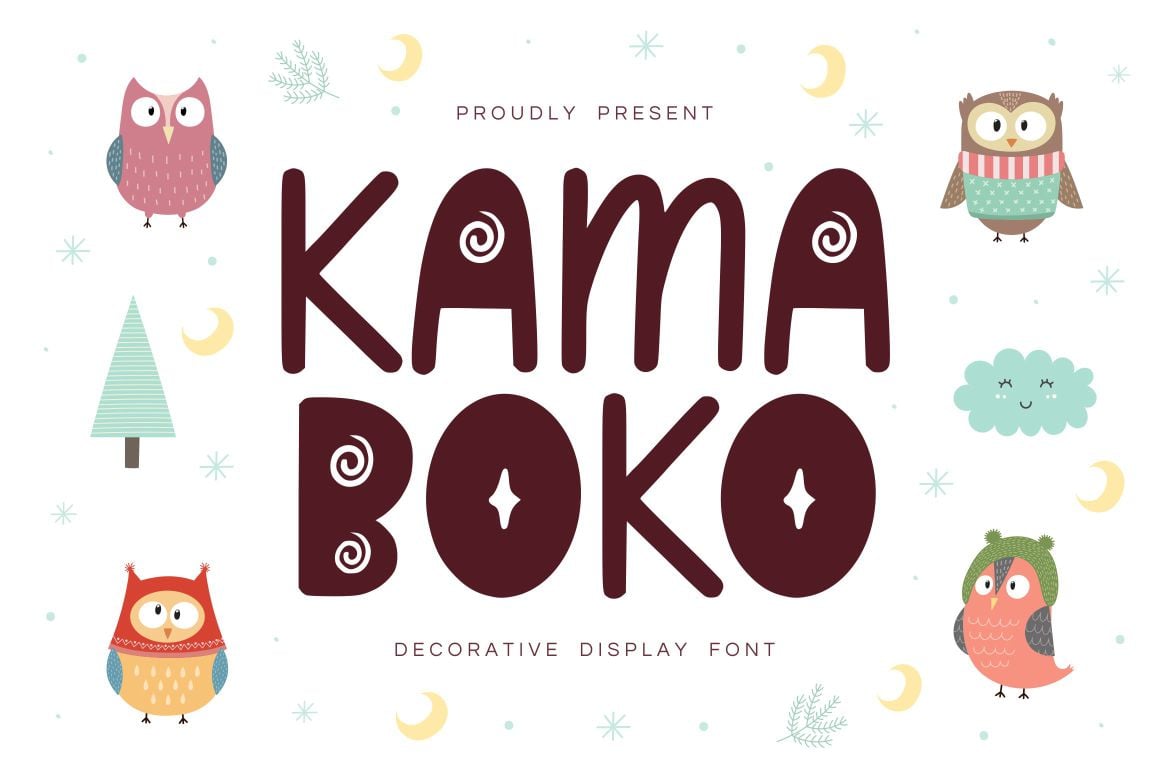
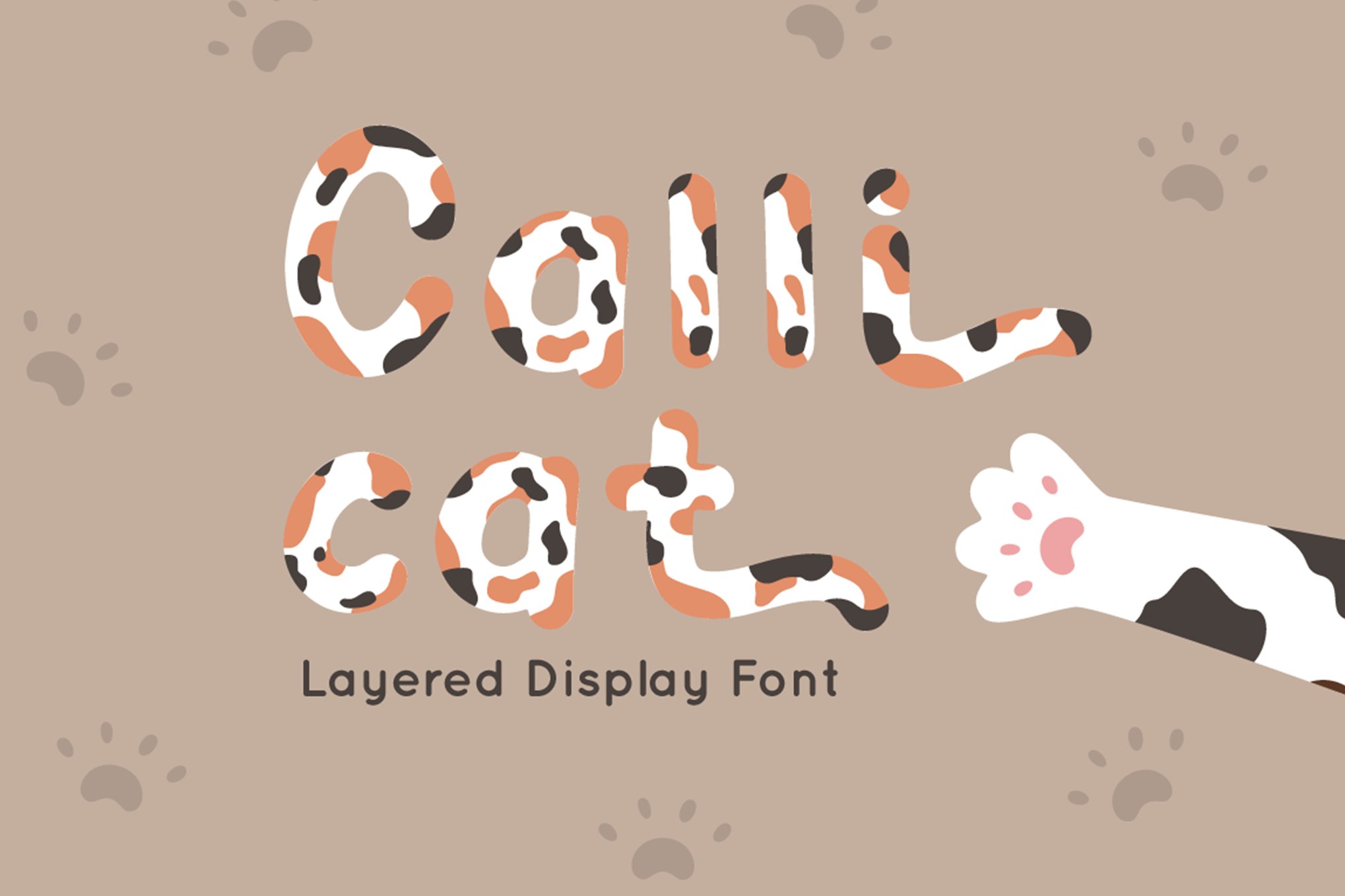
According to recent design marketing reports, content that utilizes rounded, soft typography sees a 15–20% higher share rate on visual platforms like Instagram and Pinterest. The psychological "happiness trigger" associated with these fonts reduces the perceived distance between the brand and the consumer. By using fonts like Kamaboko or Calli Cat, brands can cultivate a persona that feels safe, friendly, and non-threatening, which is essential in an era where consumers are increasingly wary of cold, corporate messaging.
Implications for Future Design
As we look toward the future of typography, the line between "display" fonts and "functional" fonts continues to blur. The widespread adoption of kawaii fonts in professional spaces signals a shift toward a more human-centric design philosophy.
However, designers must be cautious. The "cuteness" of these fonts is their greatest strength, but also their primary constraint. When overused or applied to serious, high-stakes communication, they can undermine the authority of the message. The professional consensus is that these fonts should be treated as "accent" pieces—ideal for headers, call-to-actions, and brand identities, but potentially problematic for long-form body text where legibility is the primary metric.
Accessing Quality: Free vs. Premium
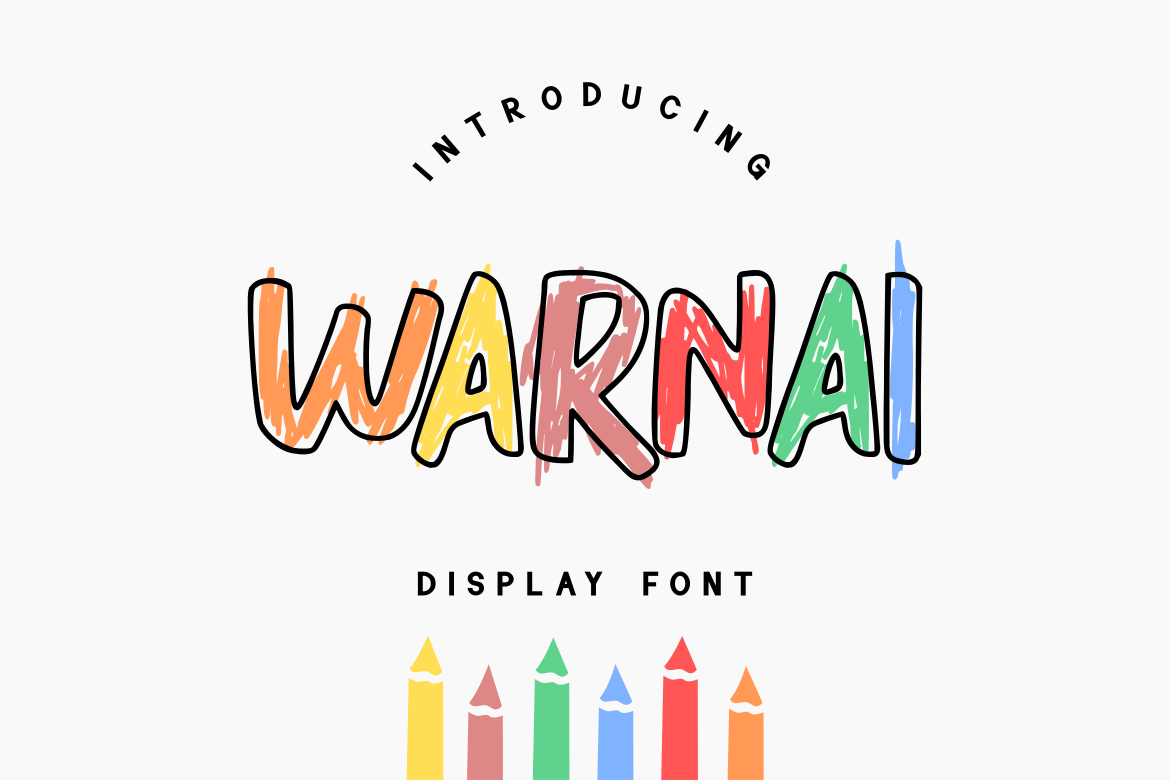
The accessibility of these fonts has grown significantly. While premium fonts offer better kerning, broader language support, and more robust OpenType features, there is an impressive ecosystem of high-quality free fonts available for personal use.
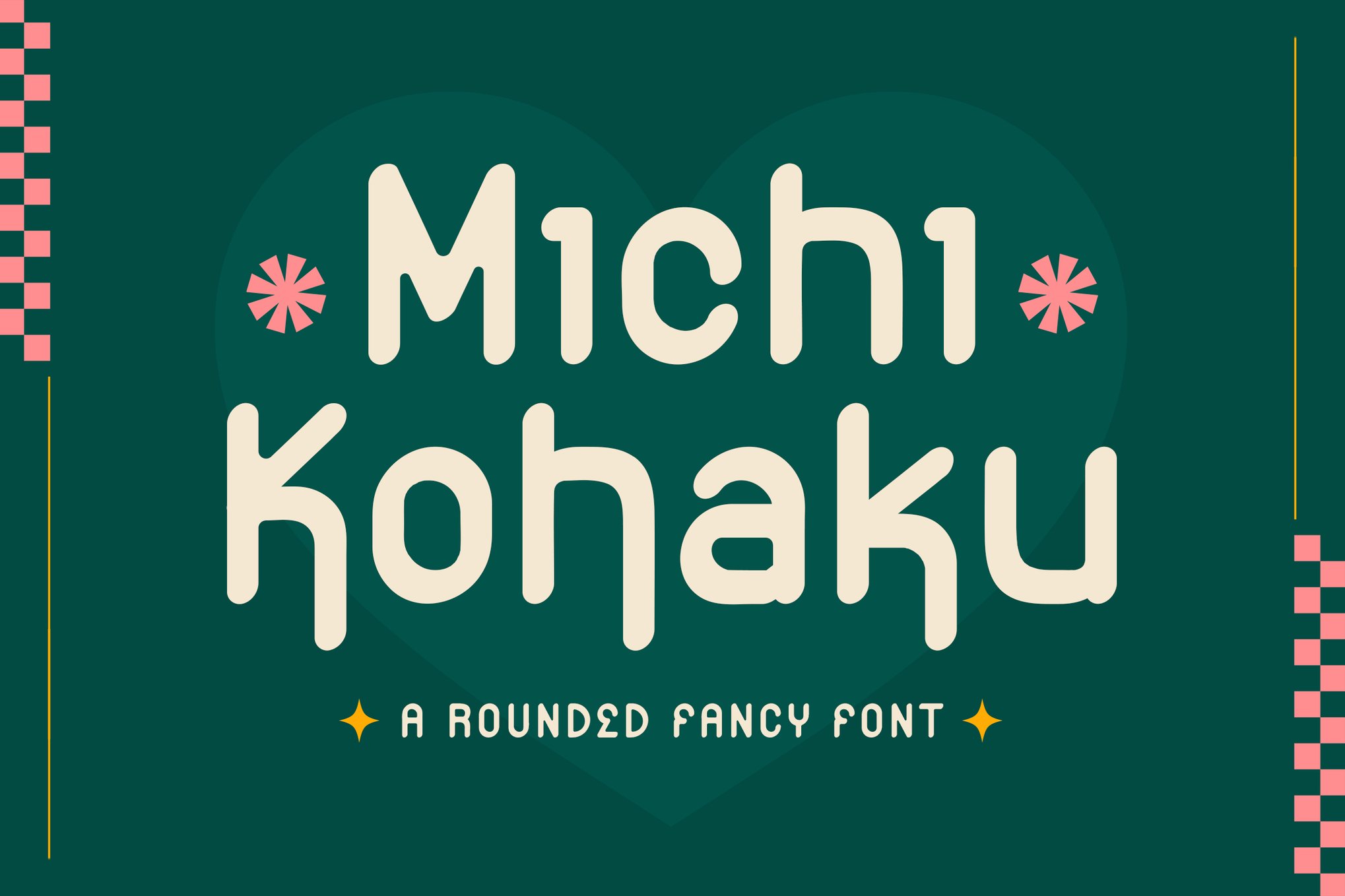
- Free Kawaii Font Family: Excellent for those just starting to explore the aesthetic.
- Mochibop: A brilliant example of a font duo, pairing a script with a sans-serif to create an instant hierarchy in design.
- BabyKawaii: Perfect for designs aimed at very young audiences due to its simplified, soft rhythm.
- Kareo Star: Adds a touch of celestial magic, making it a favorite for sticker design and social media story templates.
Summary: Crafting Joy Through Type
Whether you are designing a logo for a new bakery, creating a series of posters for a community event, or developing a character-based brand, the choice of typeface is the final piece of the puzzle. Kawaii fonts are not just letters; they are vessels for emotion.
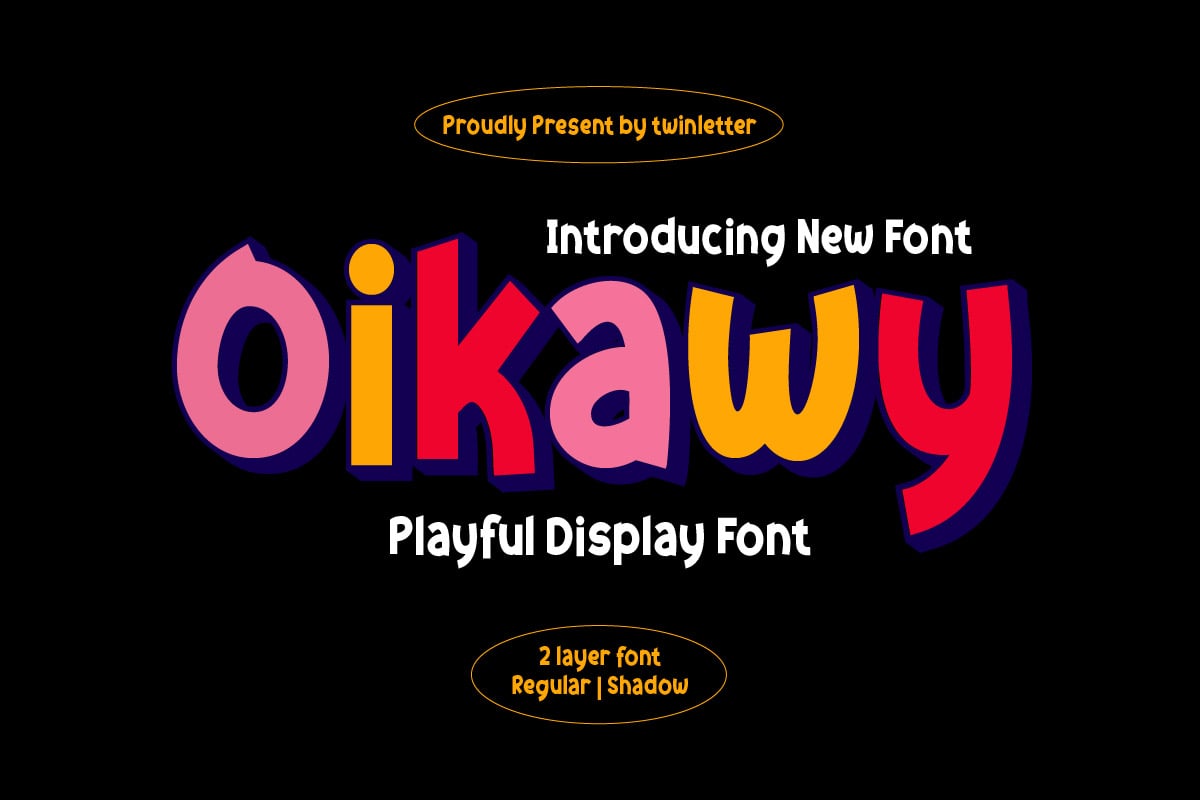
By understanding the nuance behind each font—from the bouncy, energetic nature of Kaboom to the elegant, rounded charm of Michi Kohaku—designers can tailor their visual strategy to meet the specific needs of their project. In a digital world that can often feel fragmented and chaotic, the deliberate choice to use a font that brings a smile to the viewer’s face is a powerful, strategic, and deeply creative act.
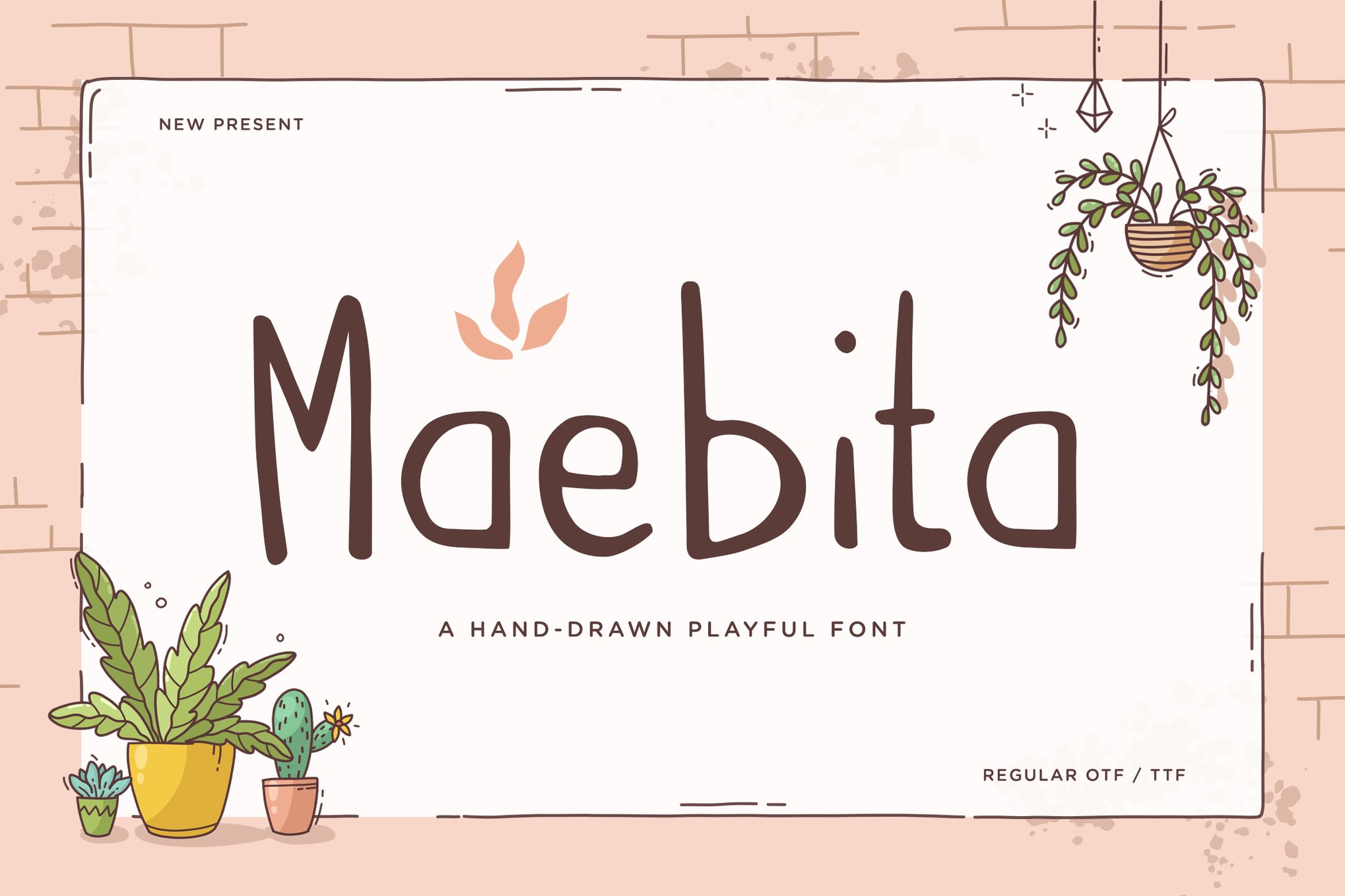
As the design industry continues to prioritize emotional resonance over sterile perfection, the kawaii aesthetic is set to remain a cornerstone of creative expression. Embrace the curves, experiment with the colors, and let your designs speak the language of joy.