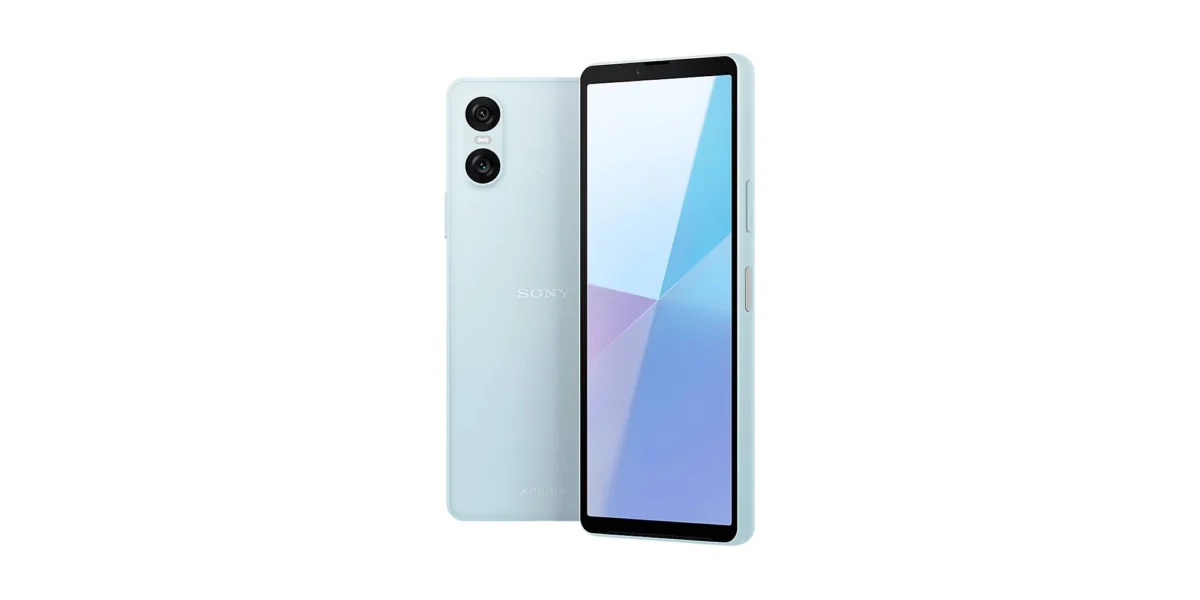
In a move that has sent ripples of frustration through the enthusiast community, Sony has officially announced the cancellation of the Android 17 update for the Xperia 10 VI. The decision effectively truncates the device’s promised software lifecycle, marking a rare and controversial pivot for the Japanese tech giant. Despite an initial commitment to provide three major Android OS upgrades for the mid-range smartphone, Sony has cited technical hardware limitations as the justification for cutting the support roadmap short.
This development raises significant questions regarding manufacturer accountability, the sustainability of mid-range hardware, and the reliability of software update pledges in an era where competitors are pushing toward seven years of support.
The Core Facts: What Has Changed?
The Xperia 10 VI, released in 2024, debuted with Android 14 out of the box. At the time of its market launch, Sony positioned the device as a durable, reliable mid-range option, explicitly marketing a support policy that included three major Android OS upgrades. This roadmap was intended to carry the device through to Android 17.
However, in a quiet update to its official support documentation, Sony confirmed that the Xperia 10 VI will not receive the Android 17 update. The company’s statement is categorical: the upgrade will not be released, despite the previous assurance. While security patches will continue to be deployed for the duration of the originally promised four-year window, the transition to the next major OS iteration is officially off the table.
Chronology of a Failed Promise
To understand the magnitude of this decision, one must look at the timeline of the Xperia 10 VI’s lifecycle:
- May 2024: Sony officially unveils the Xperia 10 VI. The marketing materials and support pages confirm that the device will receive three Android OS upgrades, extending its major software support through the release of Android 17.
- September 2026: Sony releases a detailed roadmap regarding the Android 17 rollout. Notably, the Xperia 10 VI is excluded from the initial list of eligible devices, sparking early speculation among the tech community regarding its status.
- October 2026: Following inquiries and mounting pressure from the user base, Sony issues a formal notice confirming the cancellation of the update. The company admits that the device will not reach the target OS version due to "limitations related to the device’s storage configuration."
The Technical Justification: Is Storage to Blame?
Sony’s defense for this cancellation centers on what it describes as a failure to provide an "adequate" user experience. The company’s official statement reads: "After a detailed technical assessment, we determined that due to limitations related to the device’s storage configuration, the Xperia 10 VI does not support an Android 17 upgrade experience that we consider adequate."
Decoding the Hardware Limitation
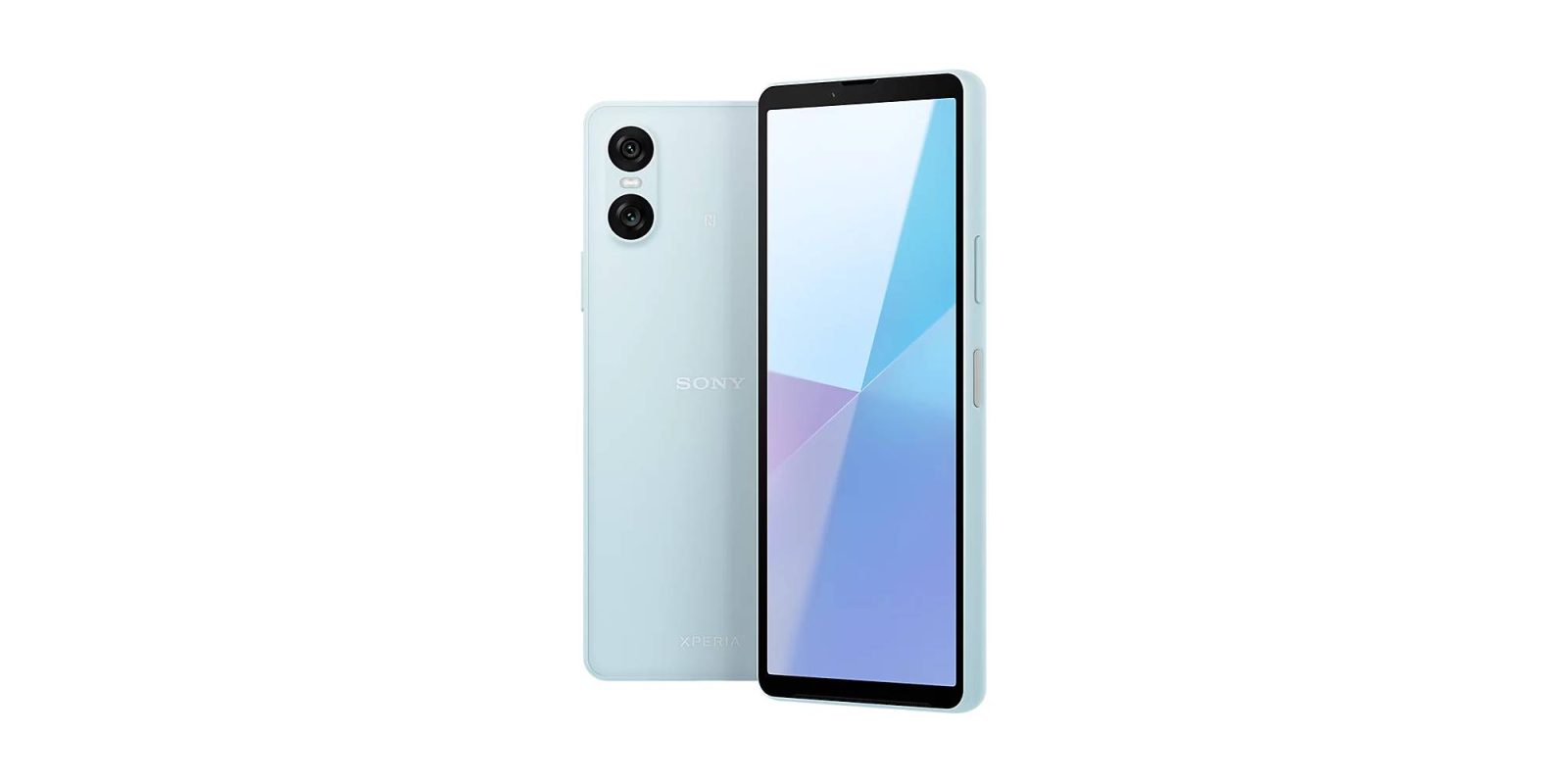
The Xperia 10 VI is powered by the Qualcomm Snapdragon 6 Gen 1 chipset, paired with 8GB of RAM and 128GB of internal storage. While these specifications were considered standard for a mid-range device in 2024, the "storage configuration" mention suggests a specific bottleneck.
Industry experts speculate that this likely refers to the type or partitioning of the UFS storage chips used in the device. As Android OS versions grow in size and complexity—demanding more overhead for background processes, seamless updates, and file-system indexing—older or slower storage modules can become a performance liability. If Sony determined that Android 17 would force the device into a state of chronic "jank" or severe storage-induced bottlenecks, their decision to halt the update might be viewed by some as an attempt to protect the user from a degraded device experience. However, this raises the question: why was this hardware not vetted for future-proofing during the design phase?
Official Responses and Corporate Stance
Sony’s public apology, while formal, attempts to decouple the OS update cancellation from the broader security commitment. The company emphasizes that the security update lifecycle remains intact:
"We recognize that this falls short of our original announcement, and we wish to apologize for this change. On the other hand, our security update commitment remains unchanged. Sony will continue to provide security updates for four years from the product’s launch date, as previously communicated."
By framing the issue as a "technical specification" unique to the Xperia 10 VI, Sony is attempting to quarantine the damage. The company has explicitly stated that other models in the Xperia lineup—presumably those with higher-tier storage configurations or more robust overhead—are unaffected by this specific issue and will proceed with their planned updates.
Implications for the Smartphone Market
The cancellation of a major update is a rare occurrence in the modern smartphone landscape. Historically, manufacturers have leaned toward either providing the updates or, in cases of severe hardware incompatibility, offering a graceful exit that involves either performance optimizations or, in extreme cases, upgrade programs.

1. The Eroding Trust of the "Promise"
When a company sells a device on the premise of a specific support roadmap, that promise becomes a part of the product’s value proposition. For many consumers, the promise of "three years of updates" is a deciding factor in purchasing a mid-range phone over a cheaper, less-supported alternative. By breaking this promise, Sony risks alienating its core audience—loyalists who value the "Xperia experience" but now have reason to doubt the long-term viability of the brand’s mid-tier hardware.
2. The Competitive Landscape
In 2026, the industry standard has shifted. Google and Samsung are now offering up to seven years of major OS and security updates on their flagship devices. Even mid-range offerings from other manufacturers have begun to extend their support windows to remain competitive. By cutting the Xperia 10 VI short, Sony finds itself moving in the opposite direction of the industry trend, potentially making its mid-range catalog less attractive to budget-conscious power users.
3. Planned Obsolescence vs. Technical Reality
This incident reignites the debate over "planned obsolescence." While Sony claims the decision is driven by a desire to avoid a poor user experience, critics argue that a device released in 2024 should have been engineered to handle OS updates through 2027. If the storage configuration is truly the culprit, it points to a failure in hardware foresight. For consumers, it matters little whether the reason is technical or commercial; the outcome is a device that will be effectively "dead" in terms of software evolution sooner than expected.
Moving Forward: What Should Xperia 10 VI Owners Expect?
For the current owners of the Xperia 10 VI, the road ahead is clearly defined, if disappointing.
- Security Support: Owners can take solace in the fact that their devices will continue to receive security patches. This is crucial for maintaining the safety of the device against emerging vulnerabilities.
- Software Stagnation: Users will be locked to the version of Android preceding Android 17. This means they will miss out on new UI features, APIs, and potential system-wide performance improvements that Google integrates into the latest iterations of the OS.
- Market Resale Value: The value of the device on the secondary market may see a decline. Professional buyers and savvy consumers often track update roadmaps; knowing that the device has been "end-of-lifed" early will likely impact its long-term trade-in or resale potential.
Conclusion
Sony’s decision to cancel the Android 17 update for the Xperia 10 VI is a sobering reminder that software support promises are only as good as the hardware they are built upon. While the company has taken pains to frame this as an isolated technical issue, the broader impact is a dent in the reputation of the Xperia line.
As the industry moves toward longer support cycles, Sony’s retreat serves as a case study in the perils of over-promising on mid-range hardware. For consumers, it is a call to look beyond the marketing collateral and consider the underlying technical specifications that dictate the true longevity of a smartphone. Whether this will lead to a change in Sony’s design philosophy for future mid-range devices remains to be seen, but for now, the Xperia 10 VI stands as a testament to the fact that in the world of mobile technology, even the most explicit promises can be subject to the cold, hard realities of hardware constraints.