










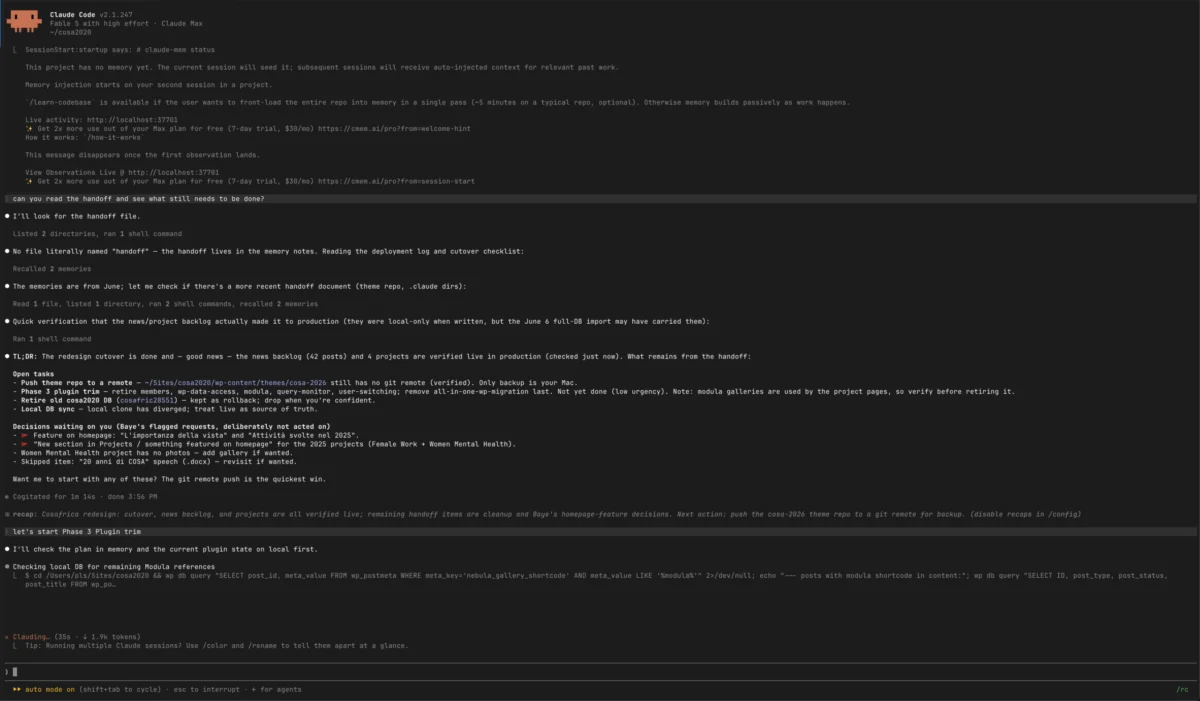
In the fast-evolving landscape of software development, a new paradigm has emerged that challenges the traditional necessity of writing line-by-line code. Dubbed "vibe coding," this approach allows users to construct websites and applications through natural language conversation, essentially shifting the role of the creator from a programmer to a creative director. As AI models become increasingly sophisticated, the barrier to entry for digital innovation is crumbling, opening the door for entrepreneurs, creators, and small business owners to bring their visions to life without needing a degree in computer science.
The Genesis of a New Coding Philosophy
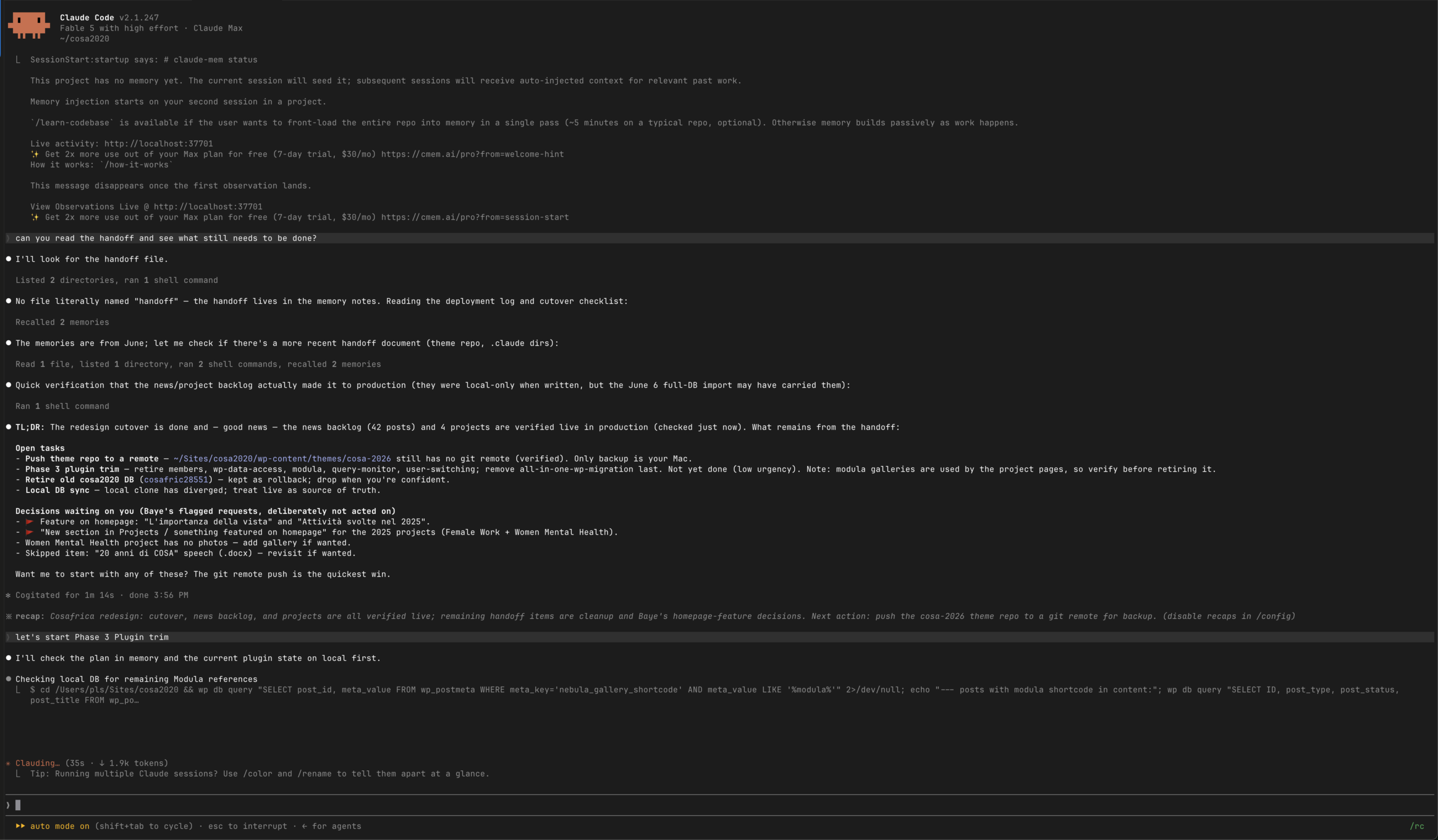
The term "vibe coding" was formally introduced in February 2025 by Andrej Karpathy, a renowned computer scientist and co-founder of OpenAI, following his tenure as an AI lead at Tesla. Karpathy described this phenomenon as a fundamental shift in software creation: "You say stuff, run stuff, and copy-paste stuff, and it mostly works."
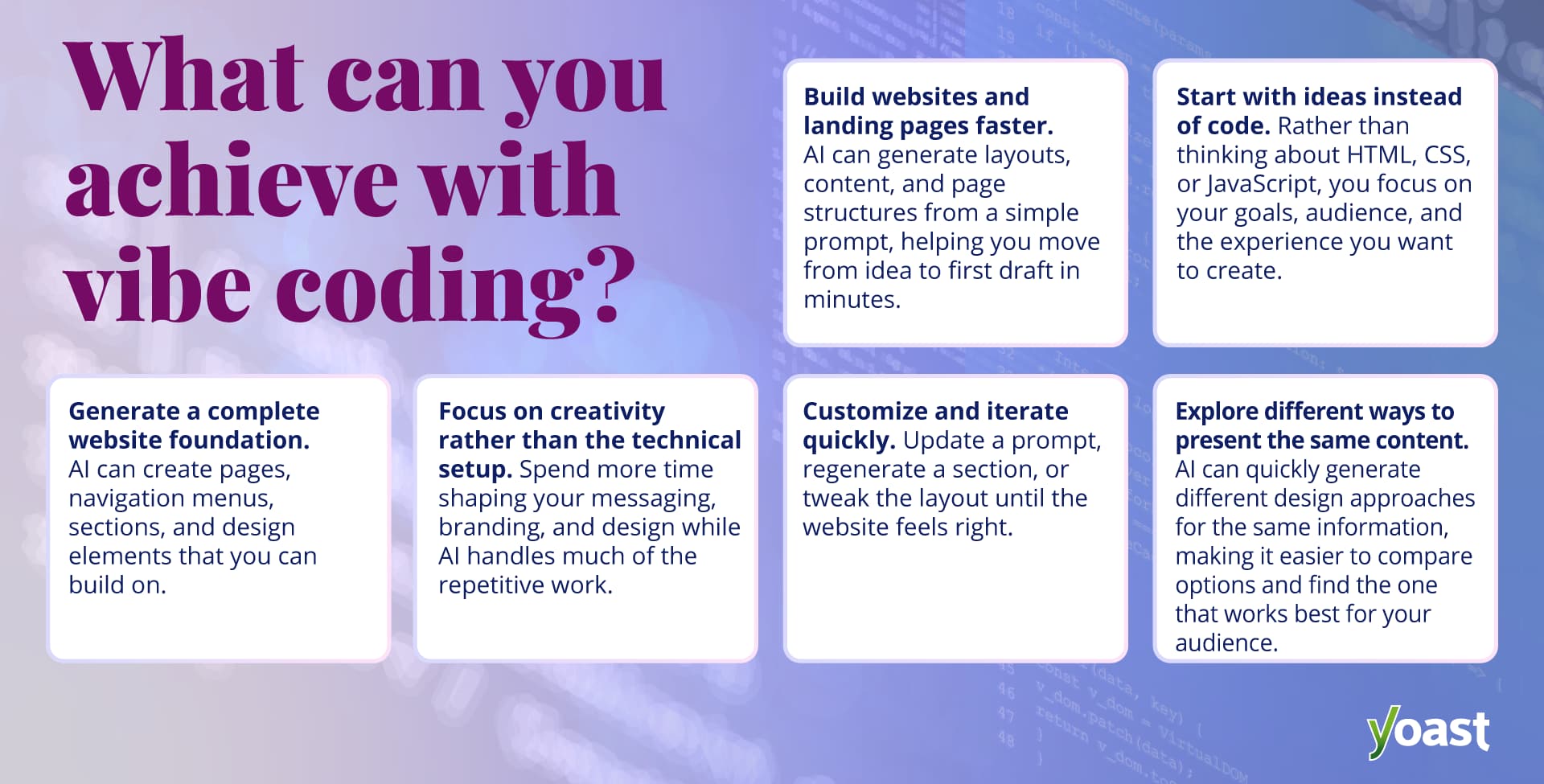
This isn’t merely about automation; it is about a change in methodology. Traditional development relies heavily on syntax, frameworks, and manual debugging—a process that is often time-consuming and technically demanding. Vibe coding, by contrast, prioritizes the "vibe" or the intent of the project. The user provides the vision, and the AI acts as a sophisticated partner, translating those creative directives into executable code. It is less about mastering a language and more about mastering the art of clear, context-rich communication.
A Chronology of the Vibe Coding Shift
The progression of software development has always been defined by the pursuit of higher abstraction. From machine code and assembly to high-level languages like C++ and Python, and later to frameworks and low-code platforms, each evolution has aimed to make technology more accessible.
- Pre-2023 (The Manual Era): Building a website required deep technical literacy. Developers spent weeks writing HTML, CSS, and JavaScript, followed by extensive debugging and deployment configuration.
- 2023–2024 (The Copilot Era): AI-powered autocomplete tools began to assist developers, suggesting code snippets and helping with documentation. However, the developer remained the primary driver, writing and vetting every line.
- February 2025 (The Vibe Coding Inflection Point): Andrej Karpathy’s coining of "vibe coding" captured the industry’s transition toward agentic workflows. Here, the AI is no longer just an assistant; it is capable of building entire modules or pages based on conversational prompts.
- Late 2025–2026 (Mainstream Adoption): Platforms like Bluehost have integrated AI website builders that allow users to go from a simple idea to a live, functional website in minutes. The focus has moved from "how do I write this code?" to "what should this experience feel like?"
Supporting Data: Why the Shift is Accelerating
The shift toward vibe coding is supported by significant data regarding developer productivity and market accessibility. Industry analysts note that:
- Time-to-Market: Traditional web development projects that previously took four to six weeks to reach a Minimum Viable Product (MVP) stage can now be prototyped in mere hours using AI-driven conversational builders.
- Resource Allocation: By offloading the "boilerplate" work to AI, professional developers report an increase in focus on high-level architecture and user experience, effectively reducing burnout and increasing throughput.
- Market Expansion: A recent survey indicates that over 60% of small business owners without a technical background feel "empowered" to manage their own digital presence thanks to generative AI tools, a significant increase from the 15% recorded before the rise of LLMs.
The Anatomy of a Vibe-Coded Website
While some skeptics argue that AI-generated code may lack the robustness of human-written scripts, the reality is that the quality of the output is directly correlated to the quality of the prompt. Modern AI website builders, such as the Bluehost AI Website Builder, utilize sophisticated LLMs to interpret user intent.
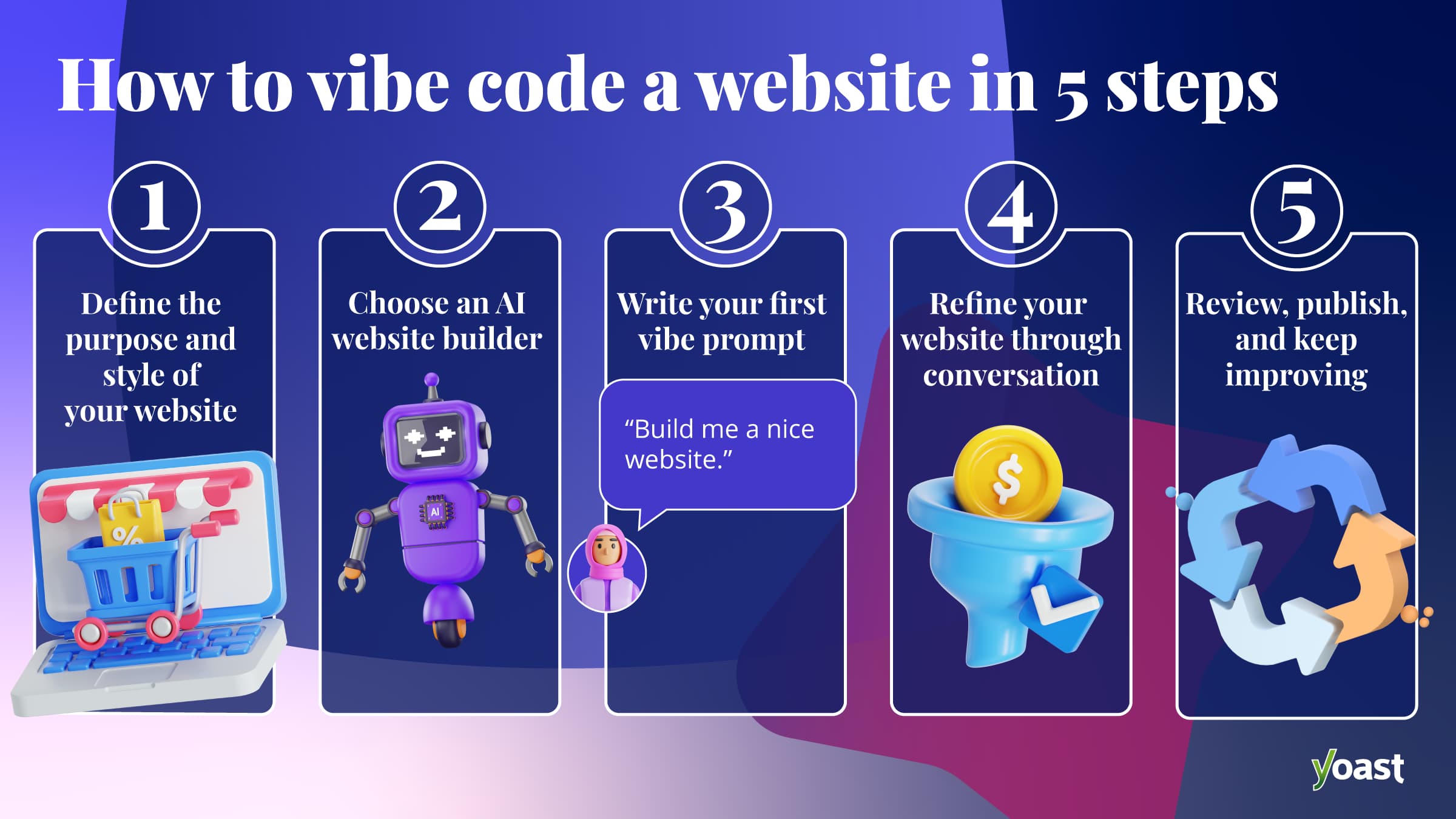
When a user prompts an AI with, "Create a modern, responsive website for a boutique coffee roastery with warm earth tones, an integrated online menu, and a booking system for tasting events," the AI interprets the semantic requirements. It maps "warm earth tones" to specific color palettes, "online menu" to database schema, and "booking system" to third-party integration frameworks. The user then reviews, tweaks, and refines the result, essentially playing the role of an editor rather than a builder.
Implications for the Tech Ecosystem
The rise of vibe coding has profound implications for the future of the internet:
1. The Democratization of Digital Assets
The most significant implication is the democratization of web creation. The digital divide between those who can afford professional developers and those who cannot is narrowing. This will likely lead to a surge in independent businesses, niche portfolios, and personalized digital experiences that were previously cost-prohibitive.
2. The Evolution of the "Developer" Role
Traditional coding is not becoming obsolete; it is evolving. The developer of the future will be more akin to a "Systems Architect." They will manage the AI, verify the security of the generated code, and handle the complex integrations that require a human touch. The skill set is shifting from syntax memorization to prompt engineering, system design, and critical review.
3. The "Doom Loop" Phenomenon
As with any new technology, there are pitfalls. The "vibe coding doom loop" occurs when users get trapped in a cycle of repetitive, ineffective prompts. This happens when the AI loses context or the user provides contradictory instructions. Solving this requires "context engineering"—the ability to provide structured, consistent information to the AI, ensuring it maintains a coherent vision throughout the project.
Official Responses and Industry Outlook
Leading tech voices and platform providers have largely embraced this transition. Organizations that provide hosting and infrastructure, such as Bluehost, are increasingly bundling AI tools to provide a seamless "idea-to-live" experience. Their stance is clear: AI is the next logical step in the user interface of the web.
Furthermore, with the rise of AI-driven search, the importance of SEO has changed. It is no longer just about ranking on a search results page; it is about providing clear, structured data that AI assistants can "understand." As such, tools like Yoast SEO Premium have adapted to include features that cater to both humans and AI bots, ensuring that even a "vibe-coded" site can be discovered, indexed, and valued in an AI-first economy.
Conclusion: The New Frontier
Vibe coding represents a fundamental shift in how we interact with technology. It is a transition from the rigid, instruction-based programming of the past to a more fluid, collaborative, and creative future. While it will not replace the need for deep technical expertise in critical, high-scale infrastructure, it is undeniably opening the gates for a new generation of creators.
As we move forward, the most successful individuals will be those who master the conversation—those who can articulate their vision with clarity and refine their digital products with precision. The web is no longer just for those who can code; it is for everyone with an idea and the ability to describe it.



