










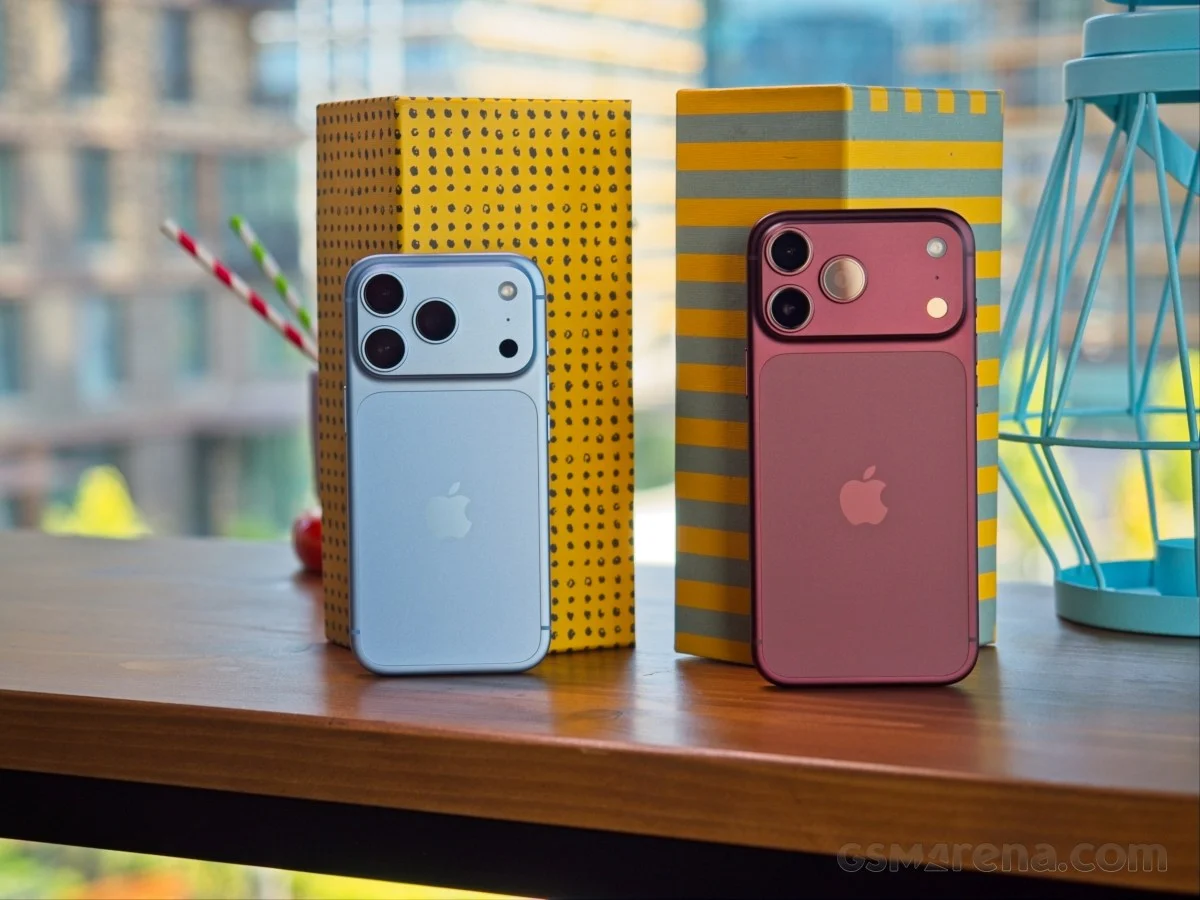
The annual ritual of Apple’s autumn hardware refresh is once again upon us, bringing with it a familiar sense of anticipation across the consumer tech landscape. While this year’s mobile conversation has been heavily dominated by the groundbreaking introduction of the foldable iPhone Duo, the traditional flagship tier refuses to fade into the background. Apple’s latest iterative powerhouse, the iPhone 18 Pro, has officially landed in testing facilities, and the process of putting the device through its paces has begun.
While the overarching industrial design language remains largely faithful to its predecessor, a closer examination reveals notable refinements in performance architecture, interface design, camera flexibility, and thermal management. As we kick off our exhaustive review process, this initial hands-on overview breaks down what has changed, what has stayed the same, and what we plan to scrutinize in the coming days.
Main Facts: The iPhone 18 Pro at a Glance
For consumers weighing whether to upgrade this cycle, the iPhone 18 Pro introduces a curated selection of hardware and software evolutions designed to keep Apple at the vanguard of the premium smartphone market.
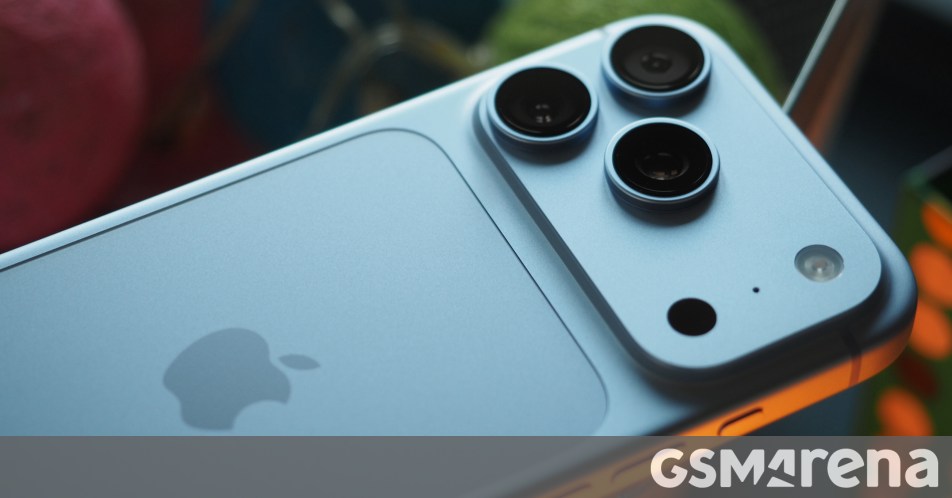
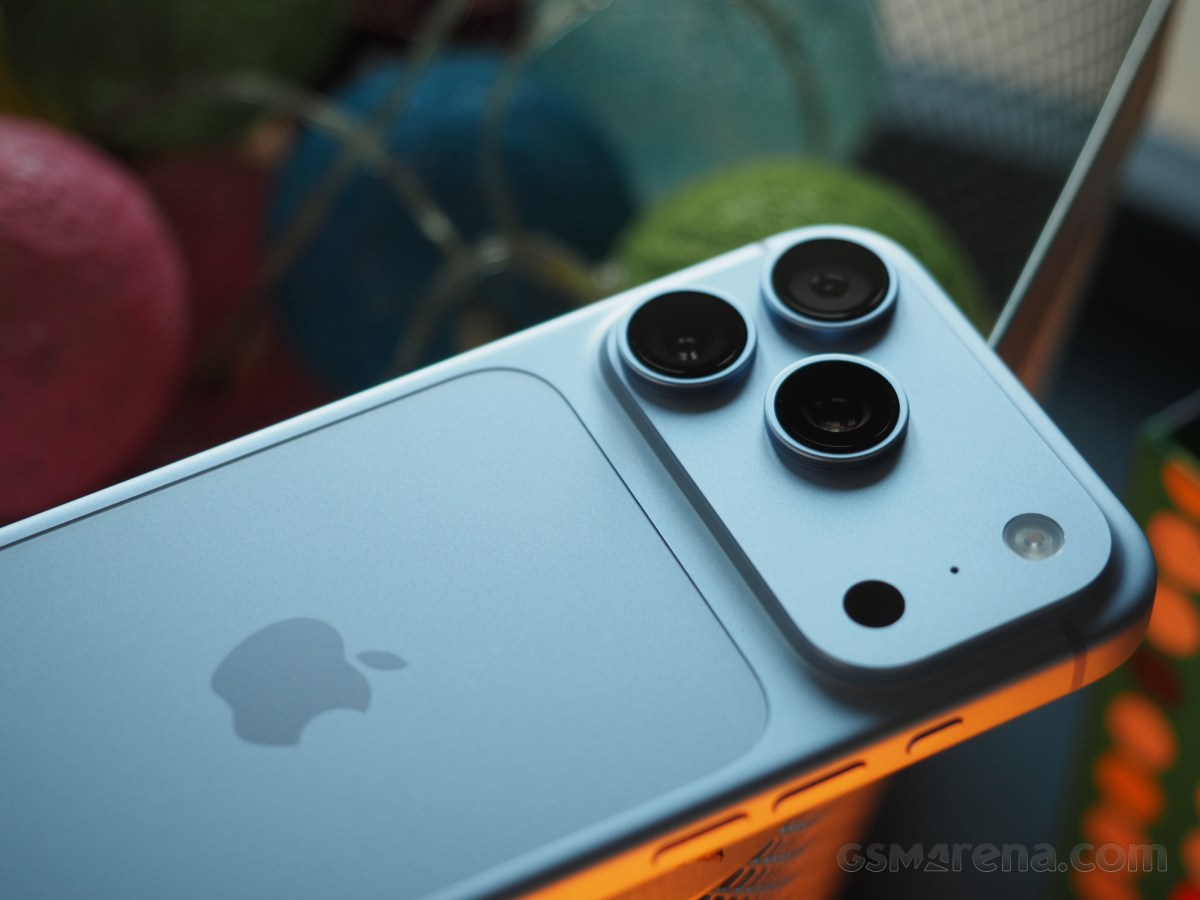
- Design and Aesthetics: Retaining the familiar chassis layout of the previous generation, the iPhone 18 Pro introduces a fresh palette of colorways. Alongside the striking hero color, Burgundy, the device is available in Glacier (featured in our review unit), Black, and Silver.
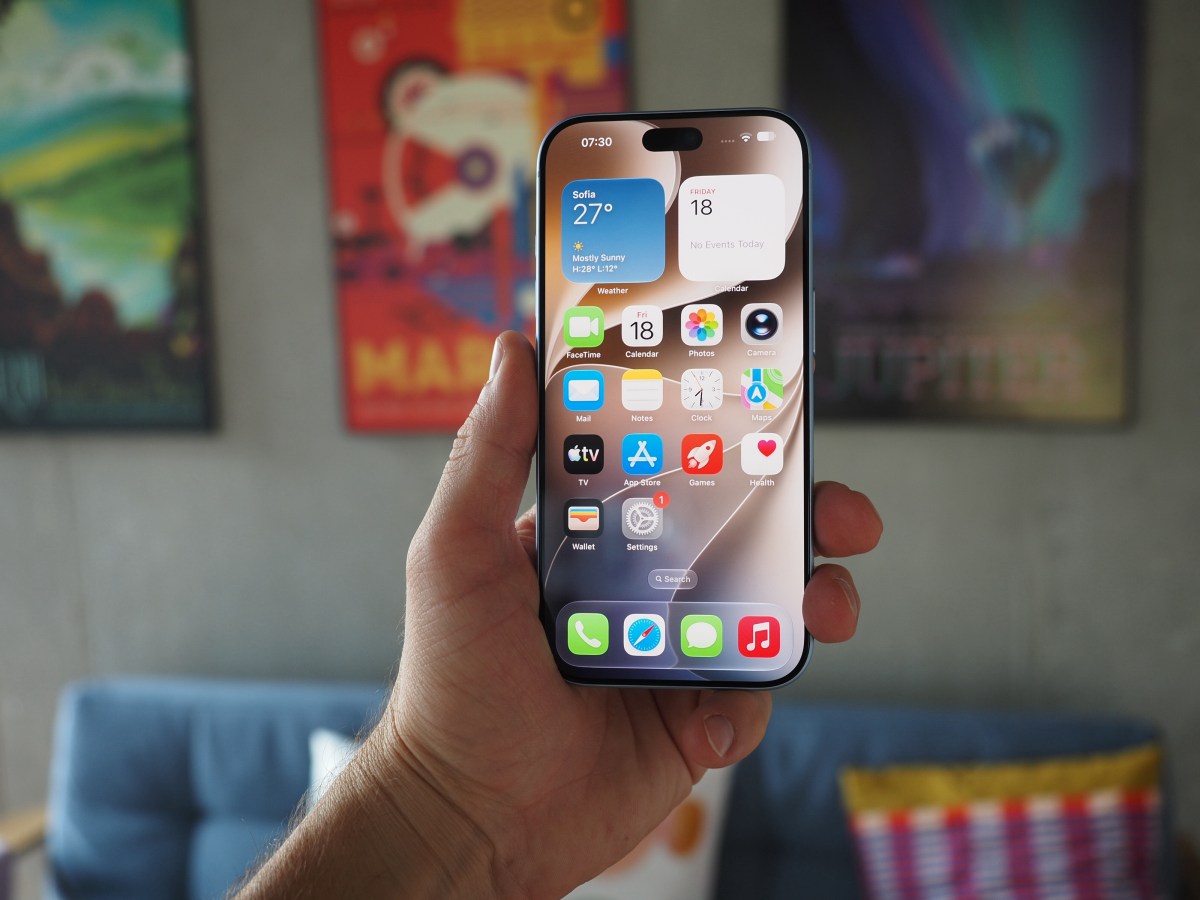
- The Dynamic Island: Apple has managed to shrink the physical footprint of the Dynamic Island. The newly downsized interface element now supports up to three simultaneous Live Activities, expanding multitasking visibility at a glance.
- Processing Power: Under the hood lies the brand-new Apple A20 Pro chipset, built on an ultra-efficient manufacturing node. The silicon features an upgraded GPU core alongside a dedicated secondary neural engine specifically engineered to accelerate intensive AI and machine learning workflows.
- Thermal Management: Recognizing historical demands for sustained performance, Apple has upgraded the passive cooling architecture of the iPhone 18 Pro series, promising improved heat dissipation under heavy loads.
- Battery Capacities: Energy reserves have seen minor bumps. The physical nanoSIM variant now packs a 4,056 mAh battery, while the eSIM-only model houses a 4,288 mAh cell—slight upward adjustments from the iPhone 17 Pro’s respective 3,998 mAh and 4,252 mAh metrics.
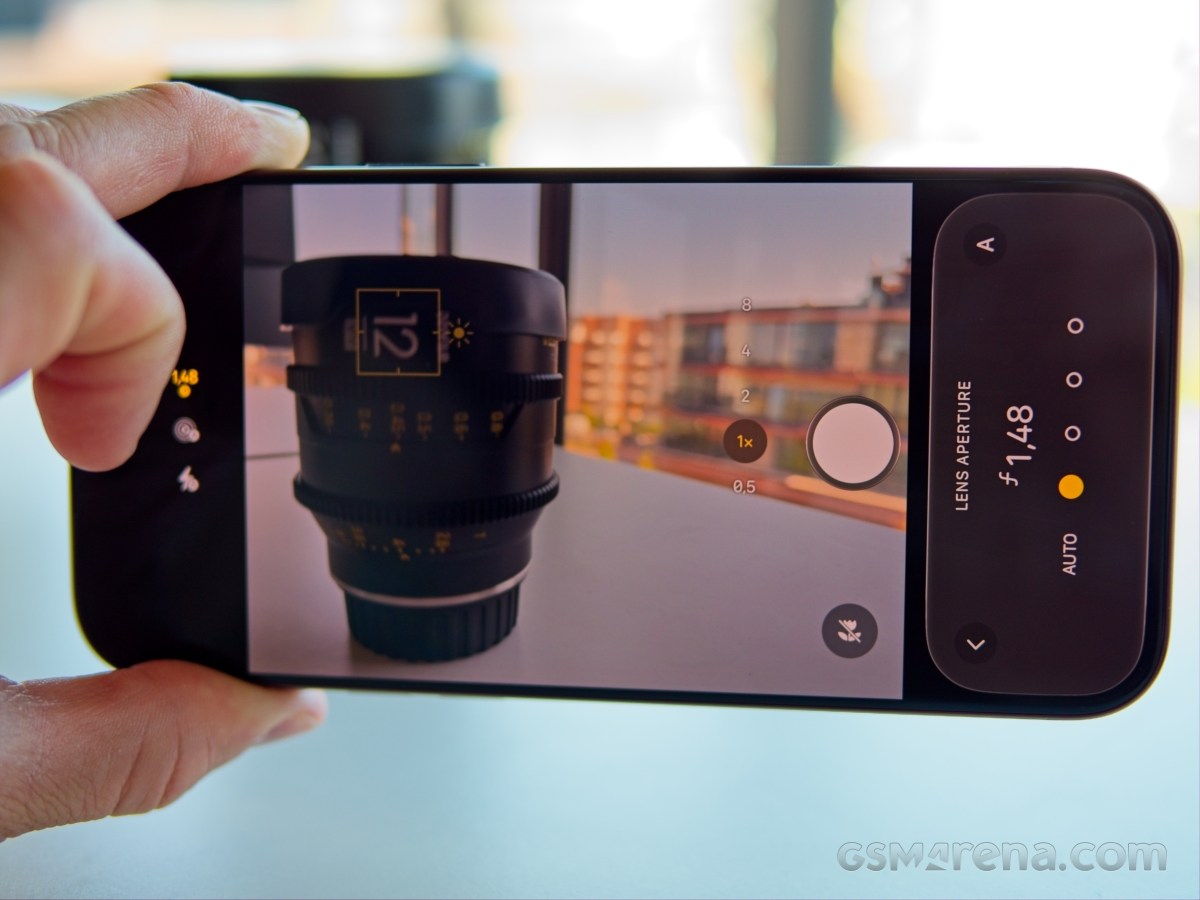
- Optics: The rear camera array retains its signature triple-48MP configuration, complete with a 5x telephoto zoom lens. However, the headline hardware upgrade is the introduction of a new variable aperture system, adjustable across an f/1.5 to f/4.0 range.
Chronology of the Release Cycle and Review Initiation
The pathway to the iPhone 18 Pro’s arrival follows Apple’s meticulously orchestrated product pipeline, which balances iterative refinement with bold diversification.
The Buildup and Anticipation
Rumors regarding the iPhone 18 generation began circulating well before the official autumn keynote. The primary point of fascination for industry analysts was the anticipated debut of Apple’s first foldable device, colloquially dubbed the iPhone Duo. As speculation mounted, tech enthusiasts wondered how the traditional bar-type Pro models would maintain relevance in the shadow of a radical new form factor.
The Keynote Reveal
During Apple’s traditional September launch event, the company unveiled the entire ecosystem refresh. While the iPhone Duo undeniably captured the cultural spotlight and headlines across mainstream media, the iPhone 18 Pro and Pro Max were positioned as the dependable workhorses for power users who prefer conventional smartphone ergonomics paired with bleeding-edge internal specifications.
Arrival at Testing Facilities
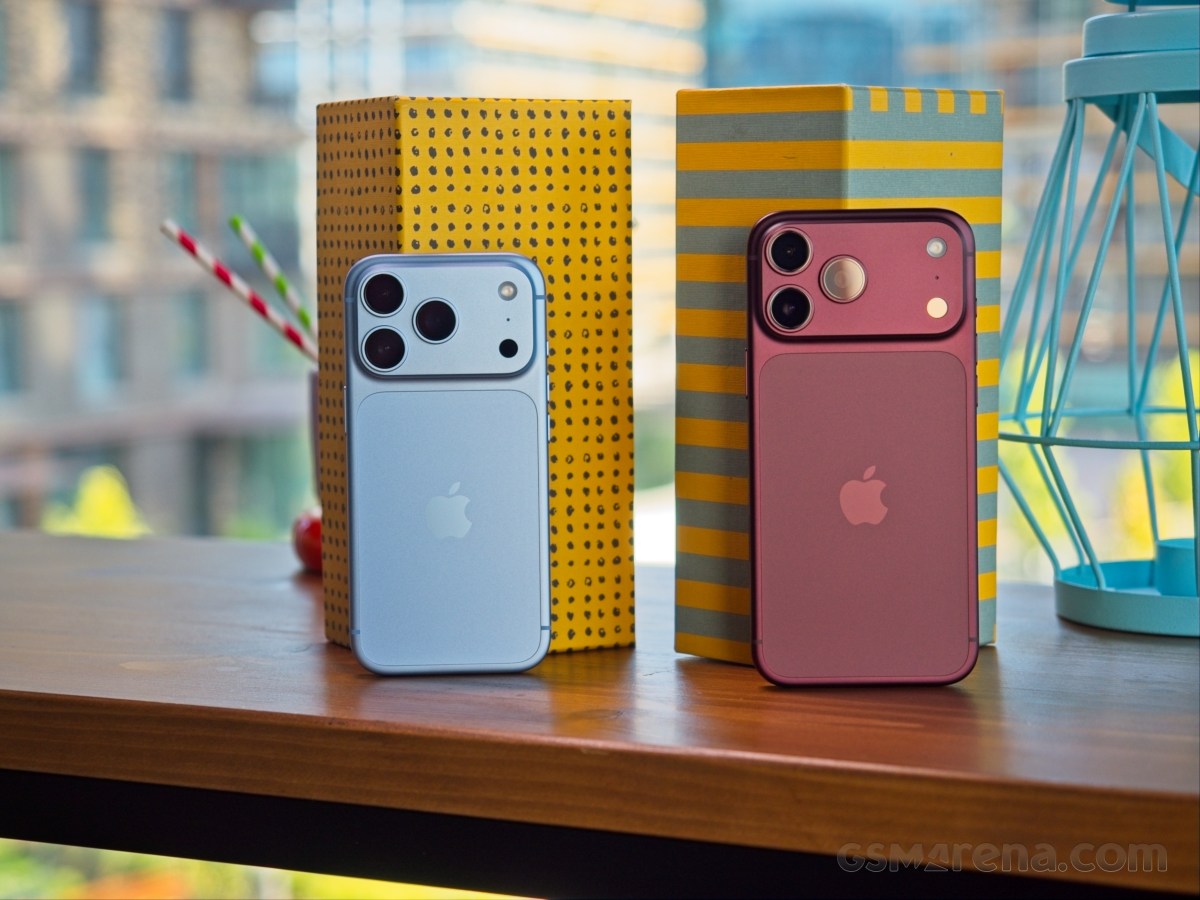
Immediately following the embargo lifts and initial review unit distributions, the physical devices arrived at evaluation desks worldwide. The multi-day testing protocol commenced instantly, focusing heavily on benchmarking the A20 Pro chip, validating real-world battery endurance, and testing the practical applications of the new variable aperture camera system.
Supporting Data and Hardware Breakdown
To truly understand where the iPhone 18 Pro sits in the evolutionary tree of mobile technology, we must dissect the raw data and technical specifications provided by Apple alongside initial physical observations.
Colorways and Exterior Presentation
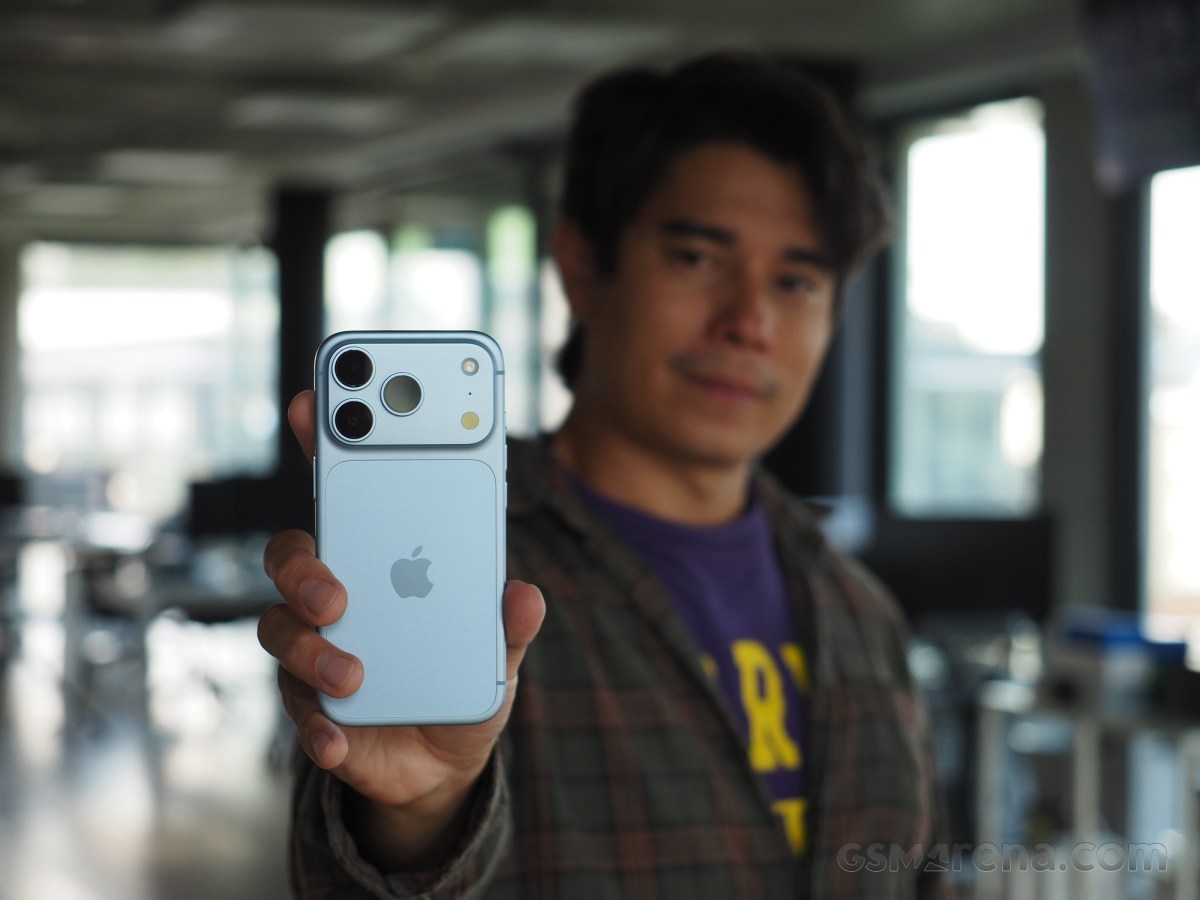
Apple continues to lean into sophisticated, muted metallic tones alongside bold statement hues. While the standard Black and Silver options cater to traditionalists, and the new Burgundy serves as the unmistakable "hero" shade that instantly signals you are carrying the latest hardware, our review unit arrived in the ethereal Glacier finish. The matte glass back paired with polished titanium edges yields a tactile experience that feels both exceptionally premium and remarkably secure in the hand.
The Shrinking Dynamic Island
One of the most immediate visual distinctions upon powering on the device is the refined Dynamic Island. By optimizing the TrueDepth camera components and sensor housing, Apple has successfully reduced the physical cutout area.
+-------------------------------------------------------+
|                 Evolution of Multitasking             |
+---------------------------+---------------------------+
|      iPhone 17 Pro        |      iPhone 18 Pro        |
+---------------------------+---------------------------+
| Up to 2 Live Activities   | Up to 3 Live Activities   |
| Standard Cutout Size      | Reduced Physical Footprint|
+---------------------------+---------------------------+
Beyond the aesthetic benefit of reclaiming screen estate, this engineering feat translates directly to software utility. The interface can now natively render up to three concurrent Live Activities simultaneously—such as a timer, a sports score update, and a ride-share tracking widget—without feeling congested or pushing notifications off-screen.
Silicon Performance and Thermal Architecture
At the beating heart of the iPhone 18 Pro is the Apple A20 Pro. Apple has structured this generation’s silicon around two core philosophies: raw computational acceleration and specialized artificial intelligence handling.
- GPU Enhancements: The newly architected graphics processing unit is designed to handle hardware-accelerated ray tracing with greater fidelity, cementing the Pro line’s status as a legitimate portable gaming platform.
- Dual Neural Engines: By incorporating a second dedicated neural engine, Apple aims to offload complex, on-device generative AI workloads, ensuring that system-wide intelligence features operate with zero perceptible latency.
- Passive Cooling: Historically, sustained high-performance tasks—such as 4K ProRes video rendering or extended gaming sessions—could trigger thermal throttling. Apple has addressed this by revamping the internal passive cooling system, utilizing advanced vapor-chamber integration to spread and dissipate heat more uniformly across the chassis.
Power Management and Charging Speeds
Battery capacity has historically been an area of incremental gains, and the iPhone 18 Pro continues this trajectory.
| Model Variant | iPhone 17 Pro Battery | iPhone 18 Pro Battery | Percentage Increase |
|---|---|---|---|
| nanoSIM + eSIM | 3,998 mAh | 4,056 mAh | ~1.45% |
| eSIM Only | 4,252 mAh | 4,288 mAh | ~0.85% |
While these percentage bumps appear negligible on paper, real-world longevity will ultimately hinge on the aggressive power-efficiency optimizations baked into the A20 Pro SoC. Furthermore, while Apple maintains its traditional policy of omitting exact wattage figures in its marketing sheets, the company officially advertises accelerated charging speeds. Our lab tests will soon verify whether these claims translate to meaningful time savings at the wall outlet.
Optical Innovation: The Variable Aperture Lens
Perhaps the most mechanically intriguing upgrade on the iPhone 18 Pro lies in its camera system. While the rear layout maintains the familiar trio of 48-megapixel sensors—including the capable 5x telephoto zoom lens—the implementation of a variable aperture introduces a new layer of photographic control.
+-------------------------------------------------------+
|              Variable Aperture Mechanics              |
+-------------------------------------------------------+
|  Wide Setting (f/1.5)  <--->  Narrow Setting (f/4.0)  |
|  * Maximum Light Intake       * Expanded Depth of Field|
|  * Low-Light Optimization     * Landscape Sharpness    |
+-------------------------------------------------------+
By allowing the physical aperture to dynamically shift from an ultra-bright f/1.5 down to f/4.0, the camera can natively manage depth of field and light intake optically rather than relying exclusively on computational algorithms. In brightly lit environments or expansive landscape shots, stopping down to f/4.0 can theoretically preserve corner-to-corner sharpness without diffraction issues. Conversely, opening up to f/1.5 maximizes light capture for nocturnal photography.
Official Responses and Industry Context
The tech community’s reaction to the iPhone 18 Pro has been characterized by a mixture of pragmatic appreciation and cautious skepticism.
During the post-keynote briefings, Apple executives emphasized that the iPhone 18 Pro is not meant to rewrite the smartphone blueprint—a role explicitly assigned to the folding iPhone Duo this year—but rather to relentlessly perfect the established slab form factor. Apple’s engineering leads highlighted the variable aperture system as a milestone in mobile optics, bridging the traditional gap between computational photography and genuine mechanical optical control found in professional DSLR systems.
Industry analysts, however, have adopted a more measured stance. Market researchers point out that with smartphone replacement cycles lengthening across global markets, iterative updates like smaller cutouts, minor battery capacity bumps, and variable apertures must be proven essential in daily usage to convince consumers to part with their hard-earned money. The skepticism surrounding the variable aperture, in particular, stems from past implementations by Android manufacturers that yielded mixed real-world utility. Observers are eager to see whether Apple’s software integration makes this hardware feature genuinely transformative.
Implications for the Mobile Market and Consumers
As we dive deeper into our multi-week evaluation of the iPhone 18 Pro, the broader market implications of Apple’s strategy begin to crystalize.
For the Consumer
If you are currently utilizing an iPhone 15 Pro or older, the cumulative leap in thermal management, processing speed, multitasking real estate via the refined Dynamic Island, and optical versatility will be stark and immediately noticeable. However, owners of last year’s iPhone 17 Pro may find fewer compelling reasons to upgrade, barring a profound discovery during our upcoming battery and thermal stress tests.
For the Industry
By introducing a variable aperture to a mainstream flagship, Apple is signaling to competitors that hardware-level optical adjustments still matter in an era dominated by software algorithms. If Apple successfully normalizes variable apertures in ultra-slim mobile chassis, rival manufacturers will likely follow suit in subsequent generations, reigniting an arms race in physical camera engineering rather than purely relying on post-processing AI.
Looking Ahead
The iPhone 18 Pro stands as a bridge between Apple’s established design heritage and its future ambitions. While the foldable Duo grabs the headlines, the Pro series remains the backbone of Apple’s hardware dominance. Stay tuned as we complete our benchmark suites, battery drain tests, and extensive field photography sessions for the final, definitive verdict.



