For decades, web directories served as the foundational bedrock of the early internet and the primary vehicle for search engine optimization (SEO). In the "Wild West" days of the web, being listed in a directory was the equivalent of having your business listed in the phonebook—it was how you were found. However, as Google’s algorithms have evolved from simple keyword matching to sophisticated AI-driven entities, the utility of these directories has been called into question.
Is there still a place for them in a modern digital marketing strategy, or are they merely relics of a bygone era, destined to be ignored by search crawlers?
The Rise and Fall: A Brief Chronology of Web Directories
To understand the current state of web directories, one must look at the historical context of their inception. Before the dominance of Google, the internet was a vast, unorganized frontier.
The Dawn of Categorization (1990s)
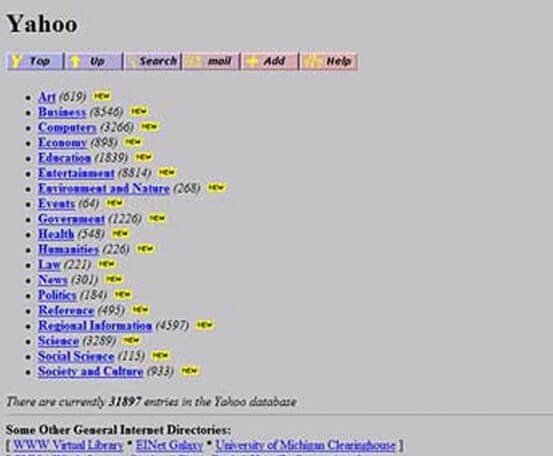
In the early 1990s, the number of websites was small enough that a human-curated list could theoretically cover the entire web. This led to the creation of pioneers like Yahoo! Directory. These platforms functioned as digital libraries, where human editors manually reviewed, categorized, and listed websites. For users, this was the only way to navigate the web effectively.
The Search Engine Takeover (2000s)
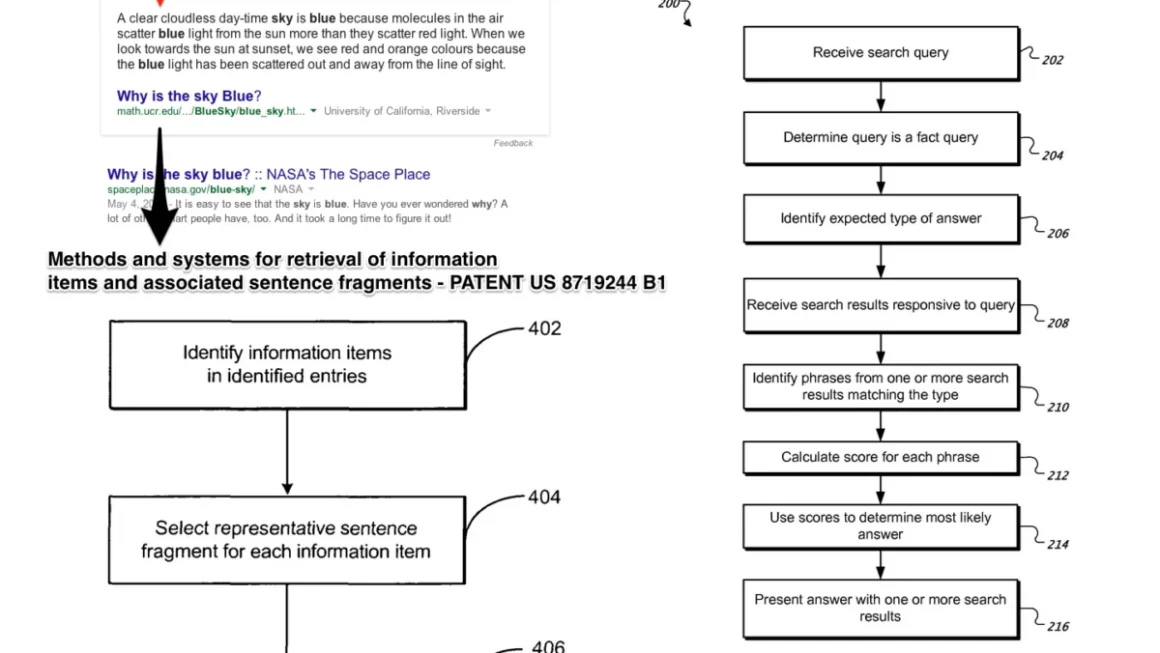
As the web exploded in size, human curation could no longer keep pace with the growth of new content. Enter the algorithmic search engine. Google’s PageRank technology revolutionized the industry by determining the value of a page based on its authority and the quality of its backlinks. Suddenly, directories were no longer just navigation tools; they became "link farms" for SEO practitioners looking to game the system.
The Spam Era and Algorithmic Penalties (2010s–Present)
By the early 2010s, the practice of "mass-submitting" sites to thousands of low-quality directories became a pervasive black-hat SEO tactic. Google responded with heavy-handed algorithmic updates, most notably the Penguin update, which aggressively targeted and penalized sites with unnatural link profiles. This effectively relegated most web directories to the "spam" category in the eyes of search engines.
What Are Directories Actually?
At their core, web directories are platforms designed to aggregate links to websites, usually organized by topic, industry, or geography. While they were once the "Internet" itself, their purpose shifted from a discovery tool for users to a manipulative tool for webmasters.
The distinction between a "useful directory" and a "link farm" is critical. A useful directory provides value to the user—for example, a local chamber of commerce directory or a specialized industry association listing. A link farm exists solely to pass link equity to other sites, regardless of their content or quality, often featuring thousands of unrelated links.
Official Responses: The Google Stance
The SEO community often looks to Google’s representatives for definitive answers on what constitutes a "good" or "bad" practice. John Mueller, Google’s Search Advocate and long-time spokesperson, has been consistent in his messaging. When asked if web directories are still relevant for SEO, his answer is typically: "In general, no."
However, seasoned professionals know that "in general" is the operative phrase. Google’s algorithms are designed to evaluate the intent behind a link. If a link is clearly placed on a low-quality site just for the sake of SEO, it is likely ignored or potentially harmful. If a link is part of a legitimate, reputable directory that provides actual value to human users, it may be treated differently. The nuance lies in whether the directory exists to help the user or to manipulate the search index.
The Evolution of Citations: From Directories to Brand Mentions
As the SEO industry has matured, the focus has shifted from "link quantity" to "reputation quality." Today, search algorithms and advanced AI models validate a business not by the number of directory listings it holds, but by natural, unlinked brand mentions occurring in reputable blog posts, news publications, and social media discussions.
These modern citations—often referred to as "brand signals"—are the true currency of digital trust. Tools like BrandMentions have emerged to help businesses track these signals. Unlike generic backlink checkers, these platforms use AI to perform social listening, identifying where a brand is mentioned across the web. This data allows marketers to convert "web noise" into a measurable KPI of brand authority, proving that reputation now outweighs raw link count.

Why Web Directories Lost Their Utility
Beyond the threat of penalties, there are practical reasons why web directories have faded from the modern SEO toolkit:
- Low Efficiency: The ROI of manually submitting a site to a directory is virtually non-existent. The time spent managing these submissions is better invested in content marketing, digital PR, or technical SEO.
- Lack of Maintenance: Many remaining directories are effectively "zombie sites." They are rarely updated, often broken, and serve no active audience.
- The "Spammy" Association: Many directories have become hubs for malware, phishing, and low-quality content. Associating your brand with these networks can lead to "guilt by association" in the eyes of search engines.
- Google’s Shift to Direct Answers: With the rise of features like Knowledge Panels and Featured Snippets, Google provides the information users need directly in the SERP (Search Engine Results Page). Users rarely need to click through to a directory to find a business when the search engine already displays the address, phone number, and hours.
Local SEO: The Last Bastion of Directories
There is one major exception to the "directories are dead" rule: Local SEO.
For local businesses, citations (the mention of your Name, Address, and Phone number—NAP) are still a ranking factor. However, this only applies to authoritative local directories. Sites like Google Business Profile (formerly Google My Business), Yelp, Yellow Pages, and industry-specific local directories remain relevant because they are where users actually go to make purchasing decisions.

In local SEO, consistency is the goal. If your business information is consistent across these platforms, it helps Google verify that your business is legitimate and relevant to local queries. Here, the "directory" is not an SEO trick; it is a fundamental aspect of digital presence.
Should You Disavow Directory Links?
A common mistake among site owners is the panic-driven use of the Google Disavow Tool. If you discover your site has accumulated links from various low-quality directories, should you remove them?
Generally, no. Unless you have received a manual action penalty from Google, it is often better to leave these links alone. Google’s algorithms are now sophisticated enough to simply "ignore" low-quality links rather than penalizing the target site. In fact, aggressive disavowing can sometimes do more harm than good if you accidentally disavow high-quality, legitimate links. Only use the disavow tool if you have clear evidence that a large volume of "toxic" links is negatively impacting your search rankings.

Conclusion: The Verdict
In the modern digital landscape, the era of using web directories as a primary link-building strategy is effectively over. While there are still niche-specific or local directories that offer genuine value, they should be viewed as supplementary to a much larger, more sophisticated digital strategy.
If you are considering a directory, ask yourself: Would a human actually visit this site to find my business? If the answer is no, the link is likely useless. Instead of chasing outdated tactics, focus on building your brand’s authority through high-quality content, genuine public relations, and active engagement with your audience. The web has changed, and your SEO strategy must evolve with it.