


By Mahnoor Faisal
Published October 21, 2026
Main Facts
For decades, the concept of computer programming was synonymous with utility. Landing pages, mobile applications, enterprise SaaS platforms, B2B software, personal portfolios, content management systems, and productivity tools defined the boundaries of what people built. Coding was traditionally viewed as a technical, highly specialized skill reserved for solving practical problems—fixing bugs, optimizing database queries, or automating repetitive tasks.
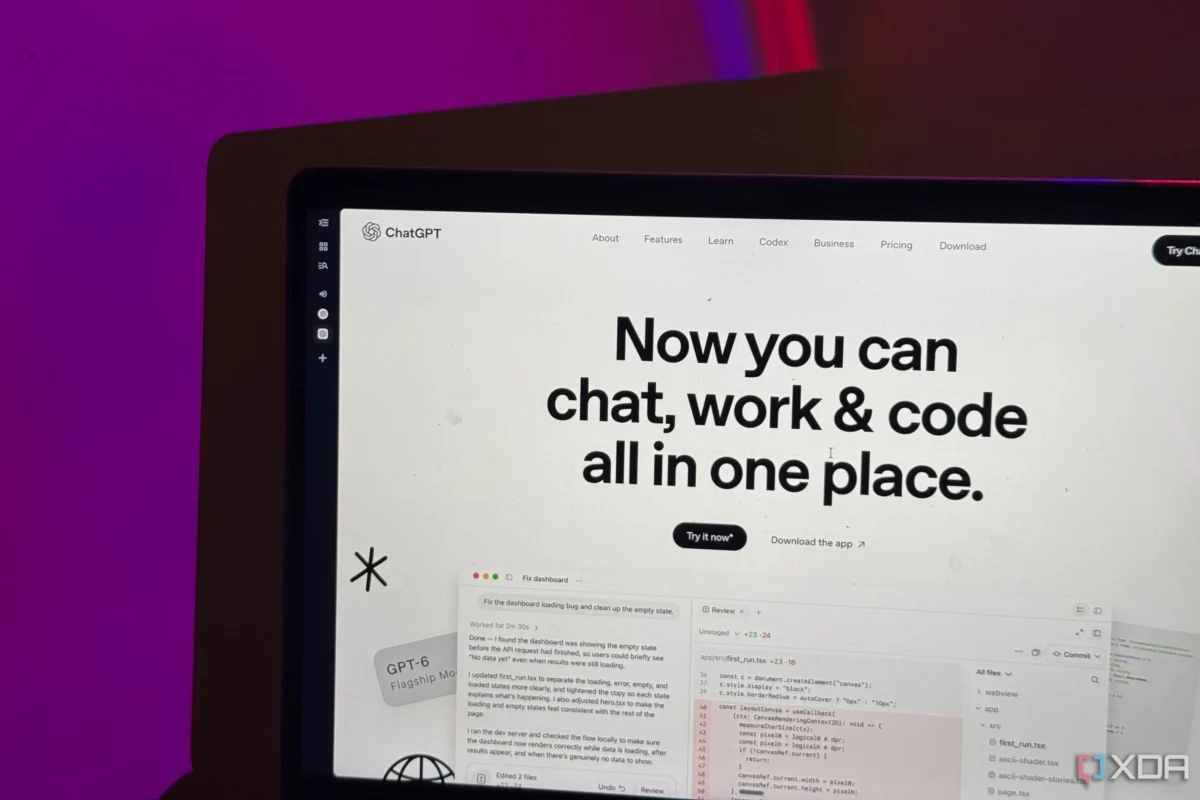
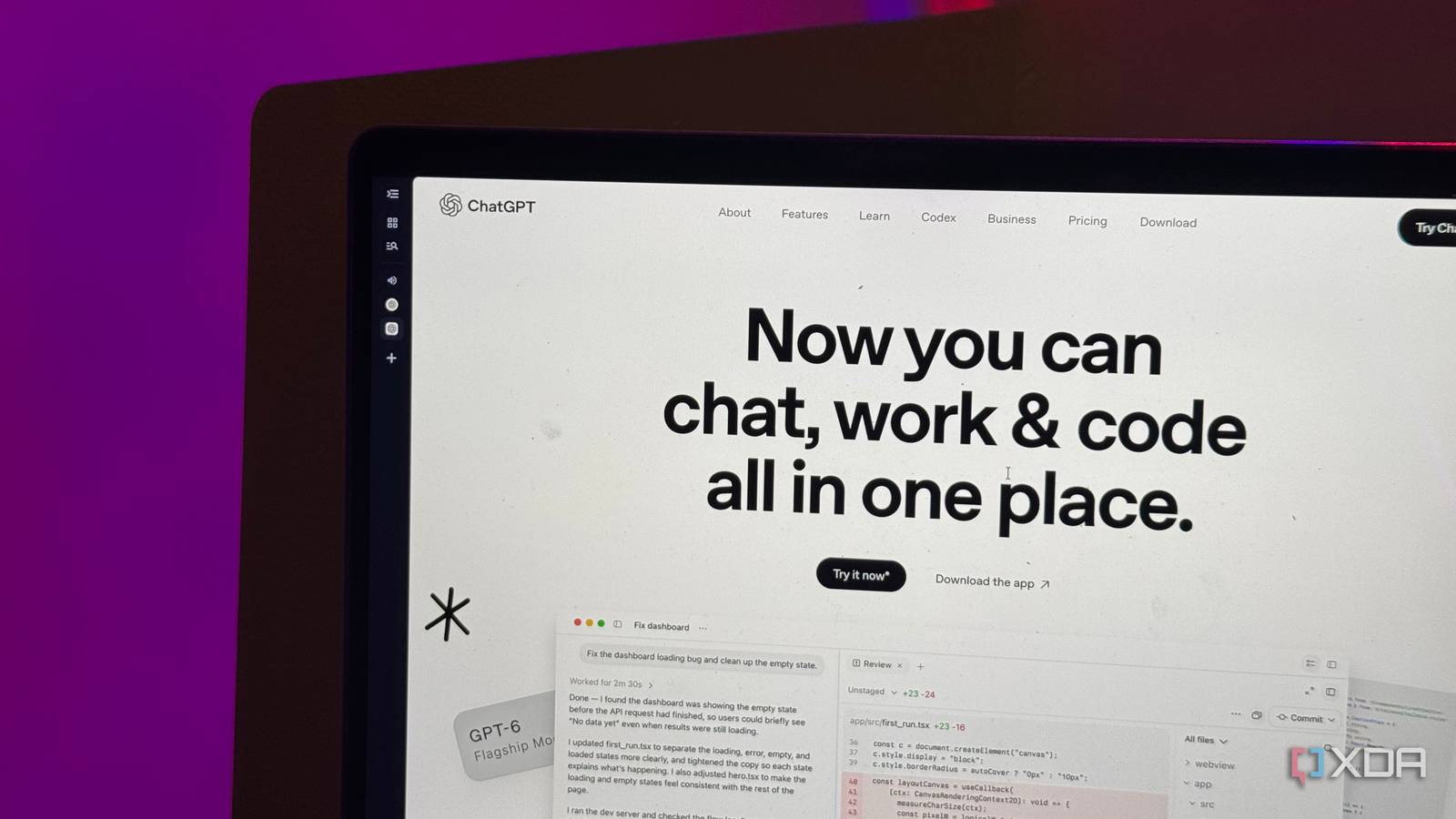
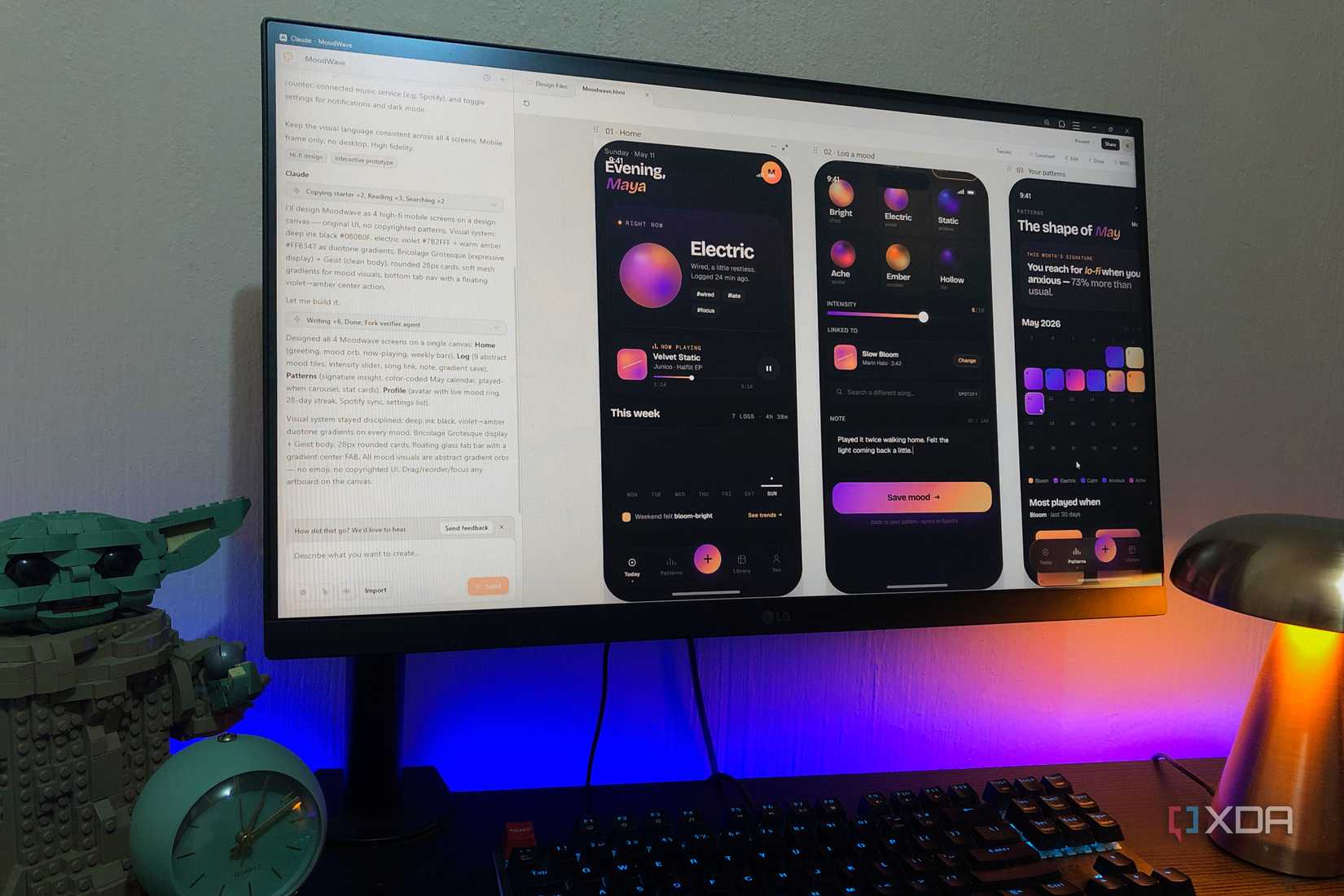
However, the advent of advanced AI-assisted development tools—such as Claude Code, Codex, and Google Antigravity—is fundamentally altering this paradigm. A new wave of creators is pioneering a movement known as "vibe coding," shifting the perception of programming away from rigid engineering and toward fluid, creative self-expression. Instead of focusing exclusively on functional software, users are leveraging natural language prompts to turn abstract imaginations, childhood memories, inside jokes, and artistic visions into tangible, interactive digital experiences.
Chronology: The Evolution from Syntax to Sentiment
To understand how coding transitioned from a technical gatekept discipline to an accessible creative medium, it is helpful to trace its evolution over recent years:
- The Pre-AI Era (Pre-2023): Building software required deep fluency in syntax, logic structuring, and compiler behaviors. Even minor projects—such as a personal portfolio or a customized note-taking app—demanded hours, days, or weeks of manual coding, debugging, and infrastructure setup. Creativity was frequently stifled by technical bottlenecks.
- The Emergence of Copilots (2023–2024): Early AI coding assistants arrived on the scene primarily as productivity boosters for professional developers. They auto-completed lines of code, suggested bug fixes, and translated natural language into rudimentary scripts, but still required a foundational understanding of programming logic to assemble a complete project.
- The Rise of Agentic Workflows (2025): AI coding agents matured to the point where they could manage multi-file projects, run tests, and deploy applications autonomously. The human’s role began shifting from a writer of syntax to an architectural director or "vibe coder."
- The Creative Turn (2026): With tools like Claude Code, Codex, and Google Antigravity lowering technical barriers to near-zero, non-developers and technical creators alike began using AI agents for unconventional tasks. Coding crossed the threshold from utility to art, giving rise to interactive digital scrapbooks, animated birthday cards, playable childhood memory simulations, and custom-coded presentation slides.
Supporting Data and Perspectives
The philosophical shift underlying vibe coding finds resonance among prominent tech voices and early adopters. AI builder and advocate Zara Zhang has been a vocal proponent of viewing coding as a form of self-expression, comparing it directly to traditional creative mediums like writing, painting, and filmmaking.
According to Zhang, the ultimate goal of these mediums has never primarily been strict utilitarian efficiency. Rather, the act of creation carries intrinsic artistic value. When a user interacts with software built by someone else, they are temporarily adopting that creator’s mental models—perceiving the world through their unique lens, understanding how they approach problems, and experiencing a direct reflection of how their mind works.
Recent experimental projects highlight this shift:
- Interactive Wishlists: Creators are building playful, gamified web pages dedicated entirely to personal wishlists rather than relying on static text lists.
- Living Newspapers: Projects modeled after magical fantasy tropes—such as The Toddler Times, a newspaper featuring animated, moving images—demonstrate how whimsy can take precedence over practicality in software design.
- Emotional Simulation: In one widely discussed case, an individual turned a childhood memory of competing with their mother to eliminate household pests into a playable HTML game. The emotional resonance of the experience was so profound that the creator was moved to tears upon playing it, proving that code can effectively convey raw human sentiment.
Official Responses and Industry Reception
The tech industry’s reaction to the rise of vibe coding has been marked by a mix of awe, recalibration, and debate.

Traditional software engineers and computer science educators have expressed cautious optimism alongside valid concerns regarding software bloat, security vulnerabilities, and a potential decline in foundational computer science literacy. As AI-generated code abstracts away memory management, algorithmic efficiency, and low-level debugging, critics worry that future generations of creators may lack the diagnostic skills required to fix deep-seated system failures when AI agents hit a wall.
Conversely, platform developers and AI researchers view the democratization of programming as a historic milestone. Executives at leading AI labs point out that lowering the barrier to entry unleashes human potential on a massive scale. By decoupling imagination from technical execution, software development is following a path similar to digital photography or desktop publishing—technologies that transformed specialized manual trades into accessible avenues for mass creative expression. Academic institutions are also beginning to take notice, observing how students in non-computer science disciplines (such as physics, humanities, and design) are increasingly adopting code as a native medium for presentations, data visualizations, and interactive lab reports.
Implications: The Future of Creation and Work
The mainstreaming of vibe coding carries profound implications across multiple domains:
1. The Redefinition of Productivity and Presentation
Tools traditionally reserved for static content creation—such as PowerPoint, Canva, and standard document editors—are facing competition from custom-coded alternatives. By utilizing HTML, CSS, and JavaScript generated via natural language prompts, professionals and students alike can construct dynamic, responsive slide decks, animated posters, and interactive physics simulations. This allows for unprecedented creative freedom, breaking free from the rigid constraints of pre-made templates.
2. Shifting Demographics in Tech
The traditional dichotomy between "technical" and "non-technical" people is rapidly blurring. While deep software engineering will always require rigorous architectural expertise, the ability to build functional digital artifacts is no longer restricted to computer science graduates. Writers, artists, marketers, and students can now manifest complex digital concepts instantly, effectively turning their imagination into the primary bottleneck rather than their typing speed or syntax knowledge.
3. A New Era of Digital Storytelling
Communication is evolving from static text and video into interactive, executable experiences. Instead of attempting to describe a complex mental model or an intricate personal story through a chain of messages, creators can spin up a dedicated webpage or a mini-game in minutes. This fosters a deeper, more empathetic form of sharing, where the audience doesn’t just read about an experience—they step inside it and play through it.
Ultimately, vibe coding suggests that software is no longer just a tool for business efficiency or problem-solving. It is becoming a universal canvas, proving that when the friction of implementation is stripped away, anyone can write their thoughts into reality.